
+
Ulmus laevis

Ulmus laevis

European white elm, fluttering elm, spreading elm, stately elm, Russian elm

Description

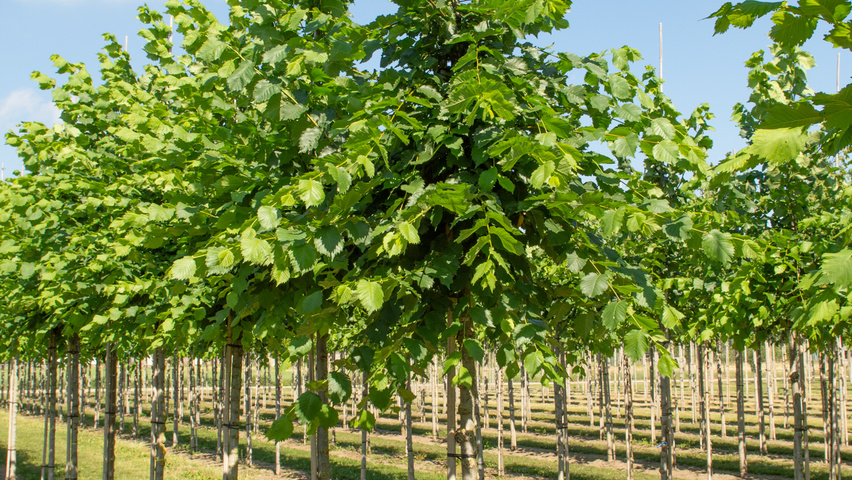
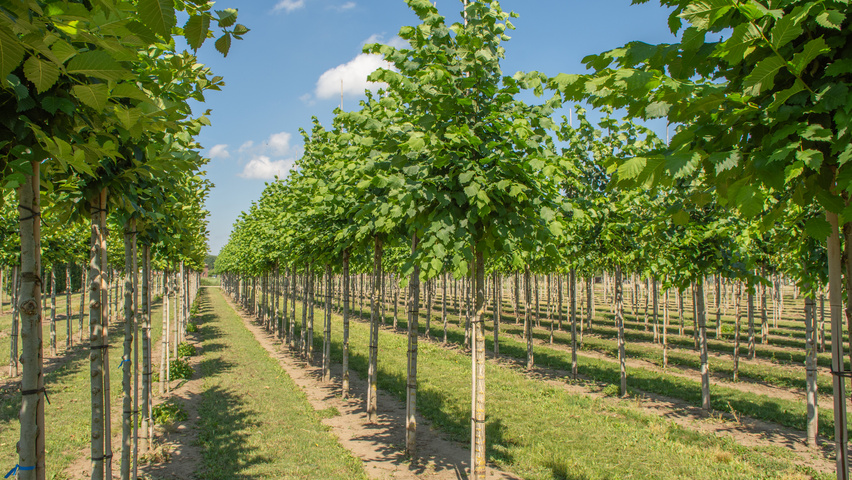
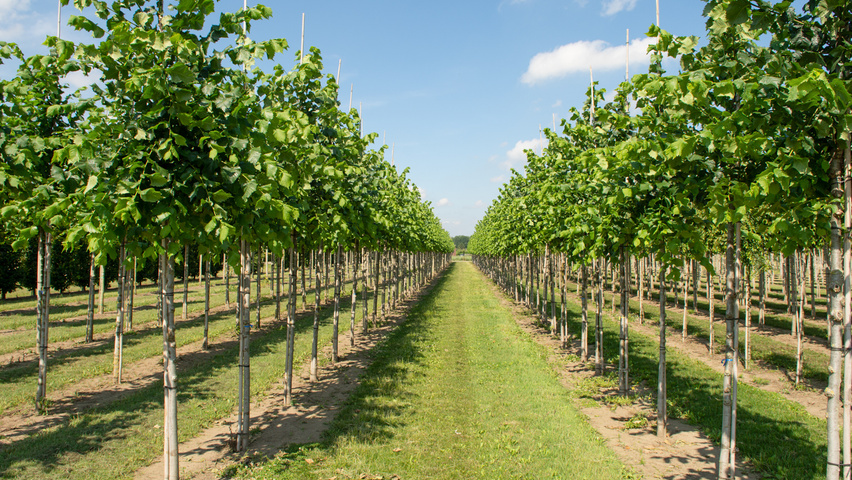
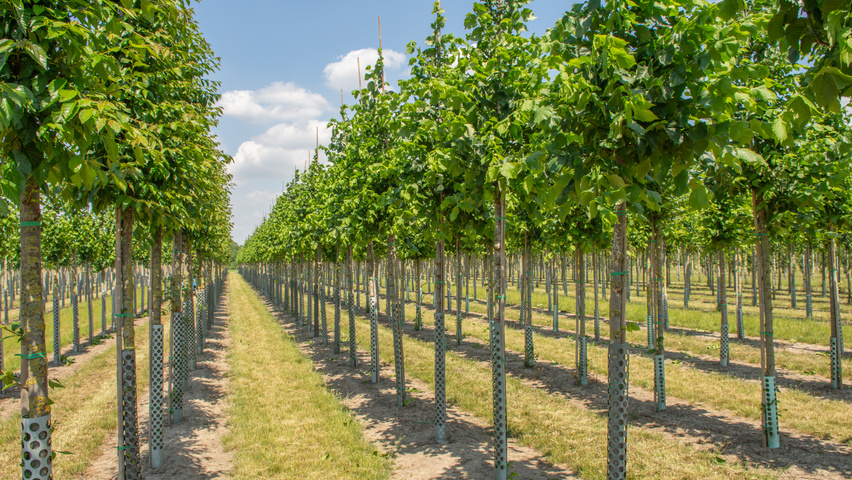
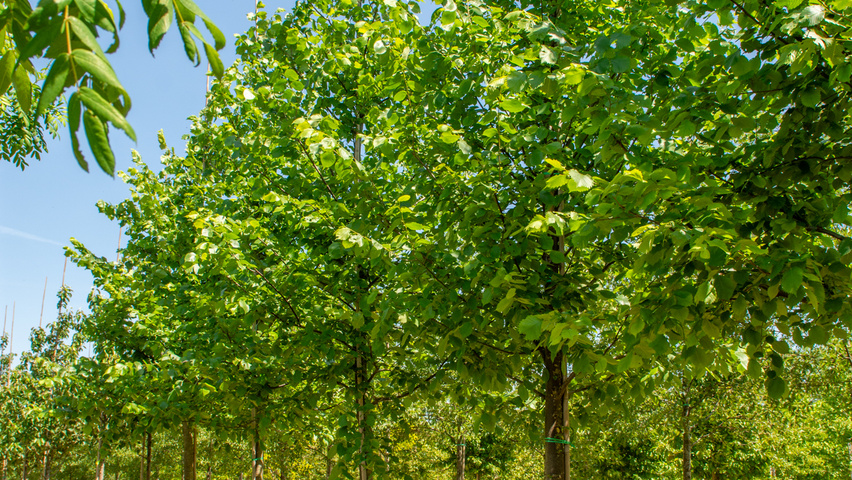
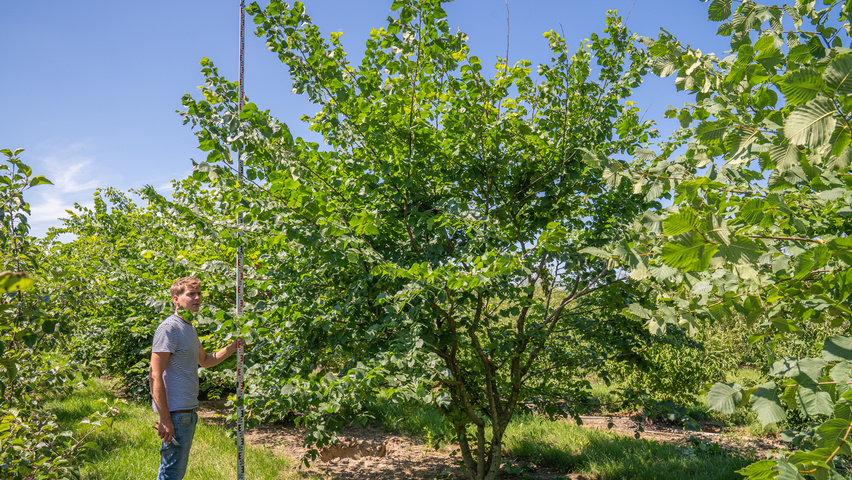
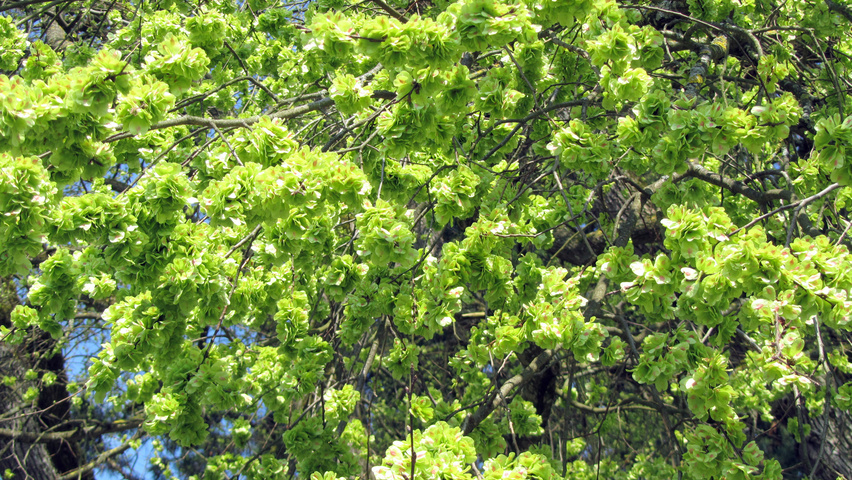
Ulmus laevis (European white elm or fluttering elm) is one of the three elm species native to Europe, with a natural range stretching from central France to the Ural Mountains and the Balkans. The species grows on rich, moist soils in cool floodplain forests, especially along streams and in river floodplains such as those of the Rhine, Elbe, and Danube. It commonly occurs alongside species such as Quercus robur, Fraxinus excelsior, and Alnus glutinosa. Ulmus laevis grows very vigorously, forming a semi-open, oval to rounded, irregular crown that reaches twenty-five to thirty-five meters in height and ten to twenty meters in width.

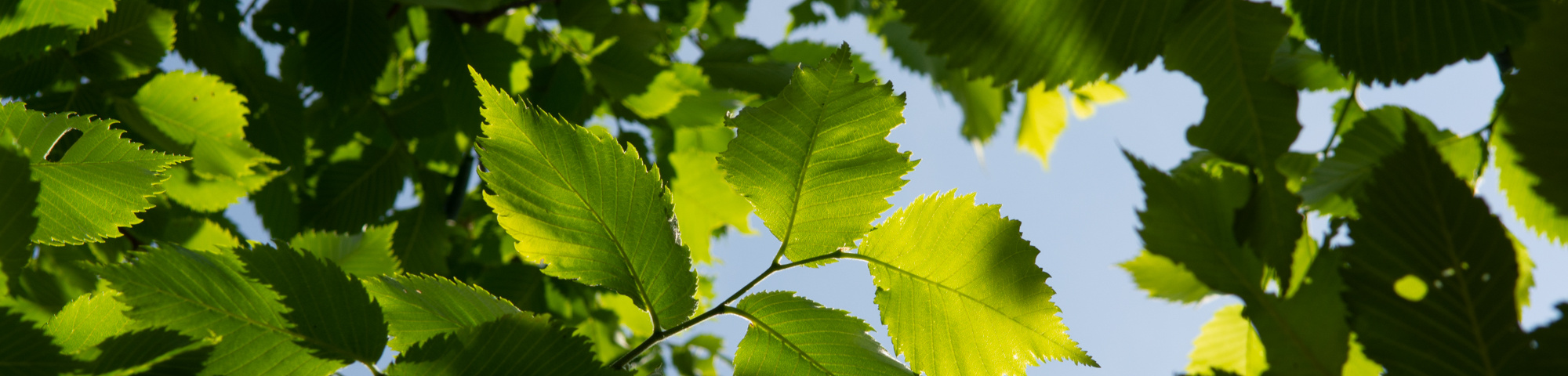
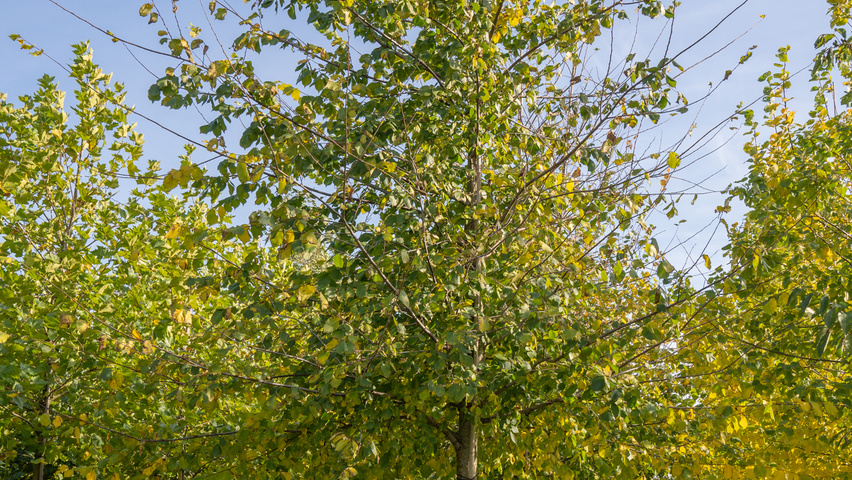
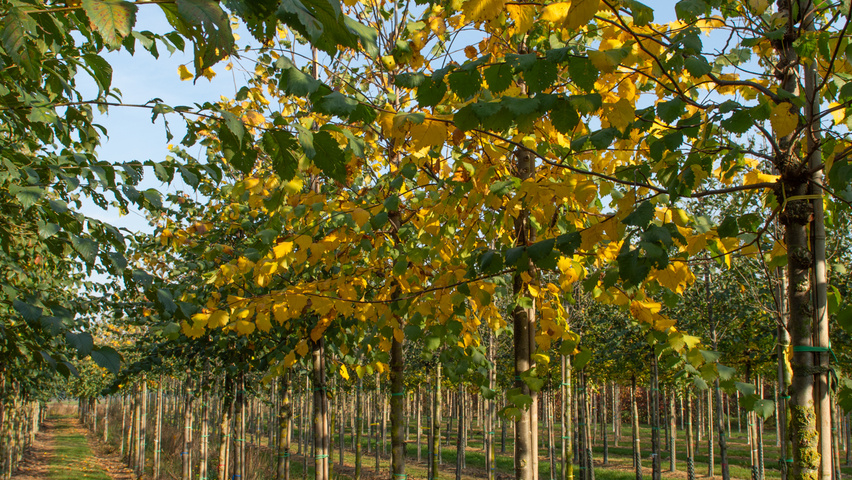
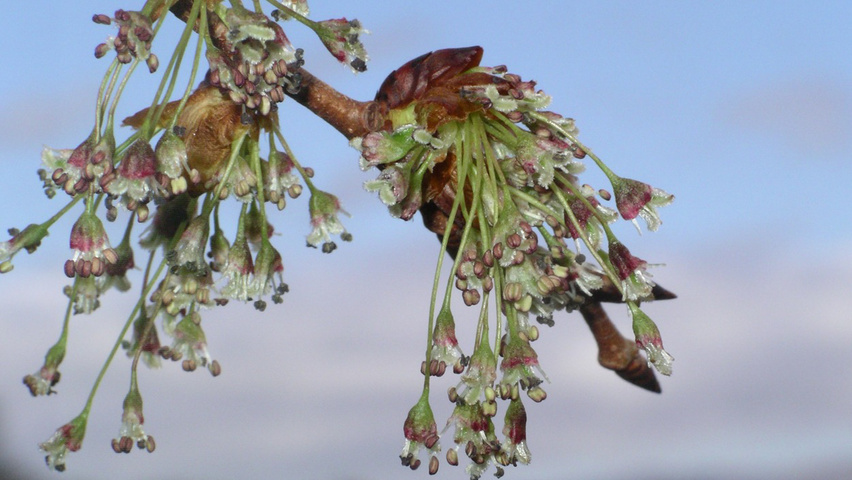
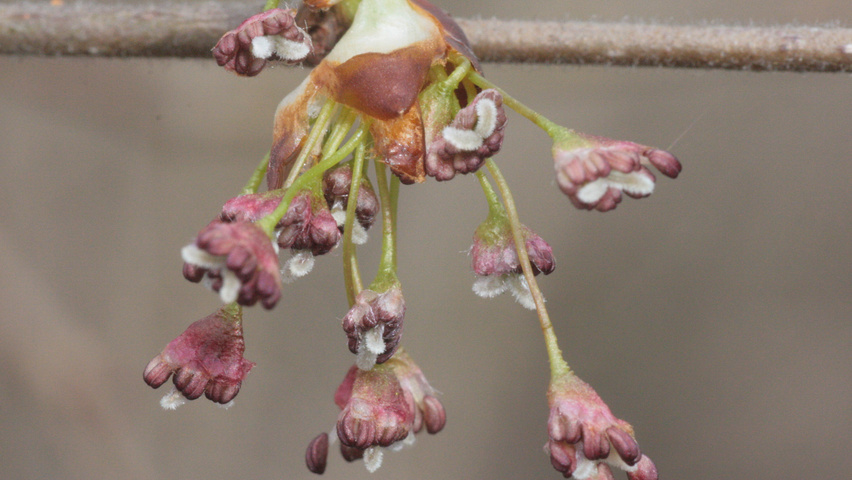
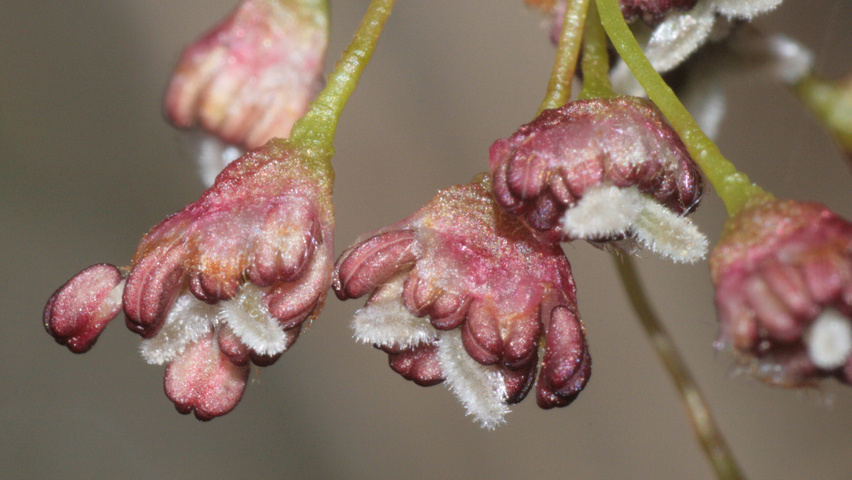
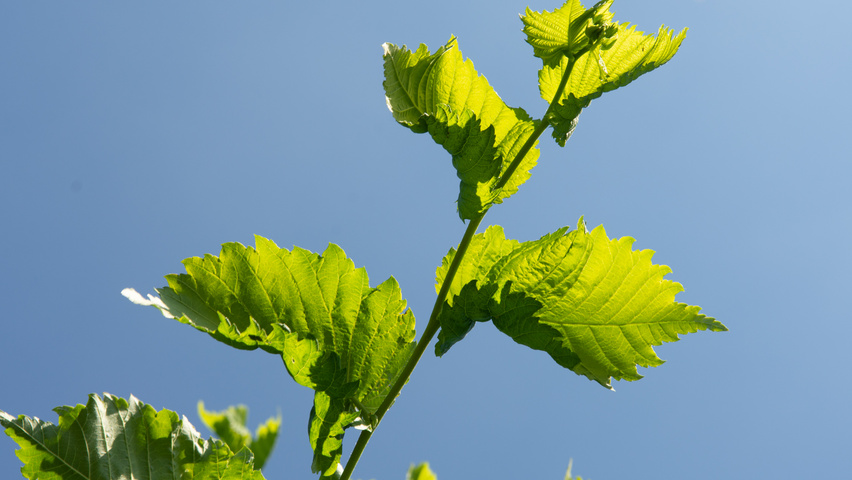
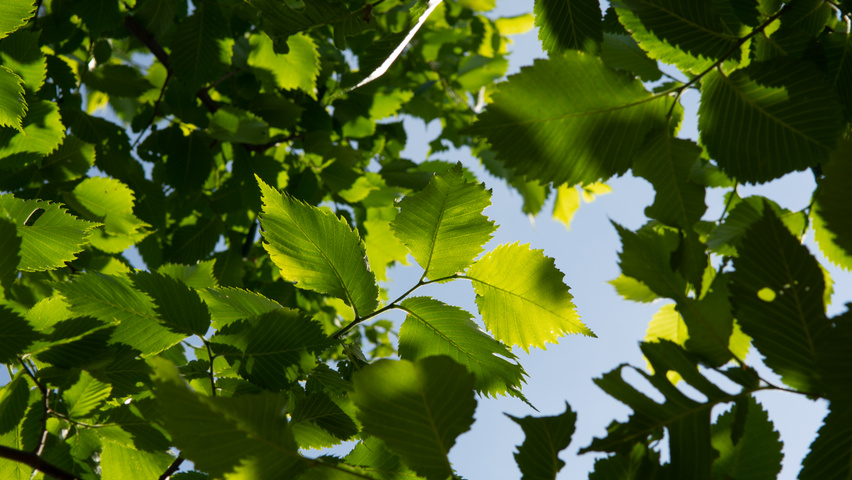
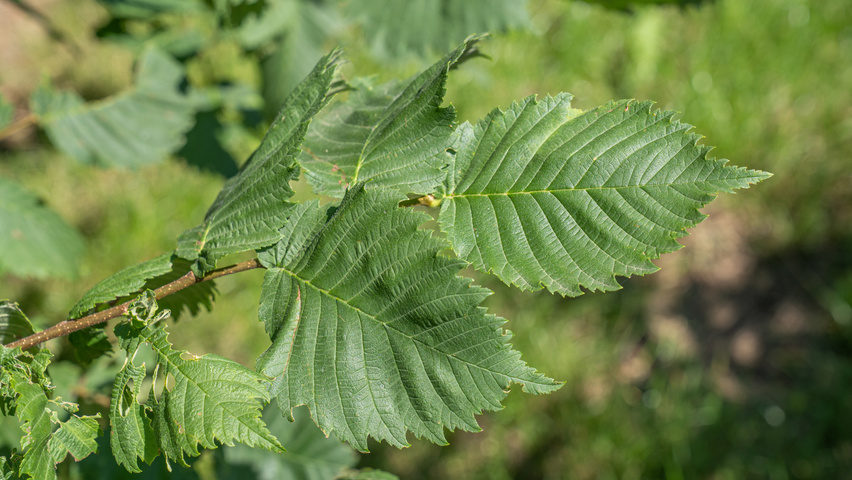
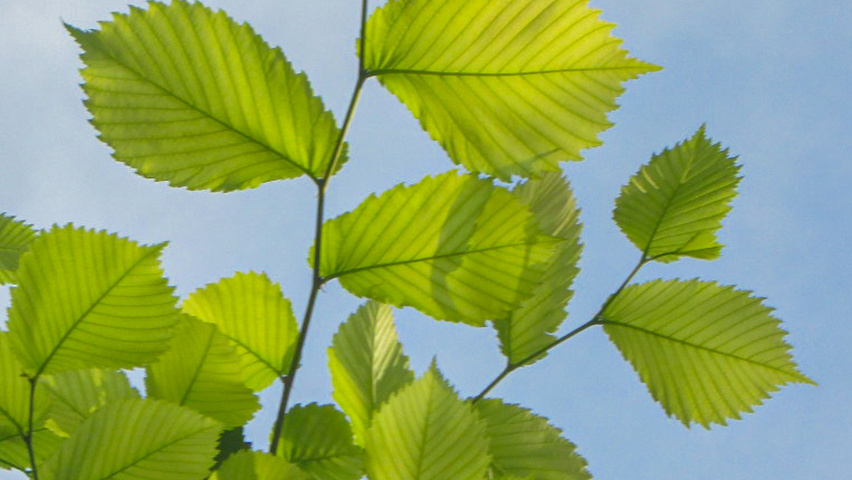
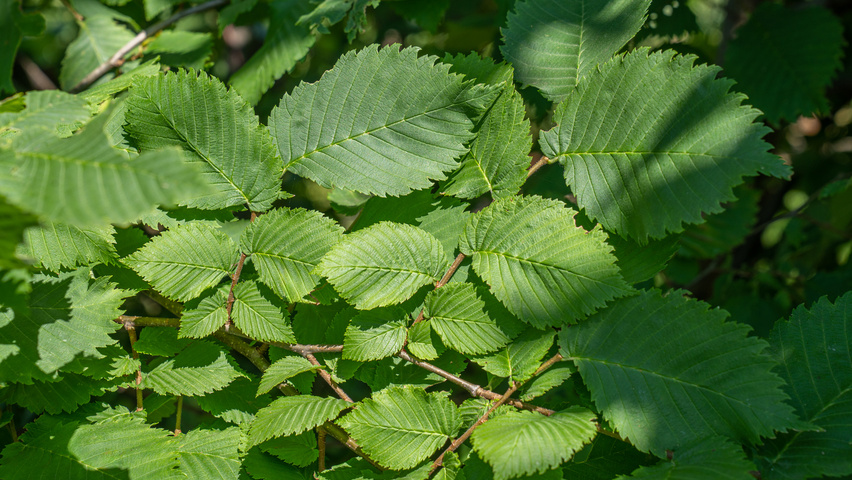
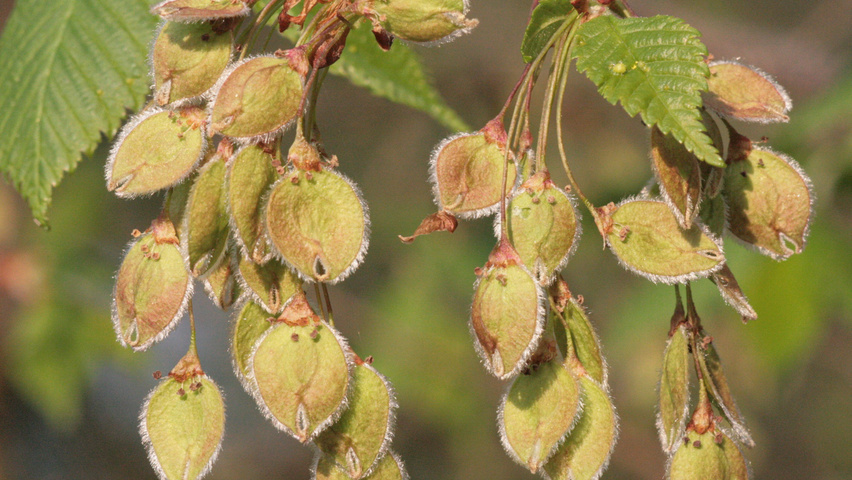
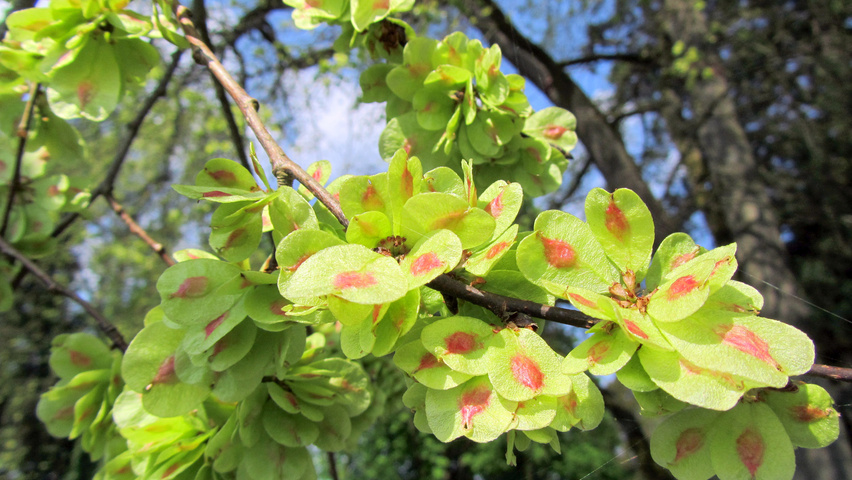
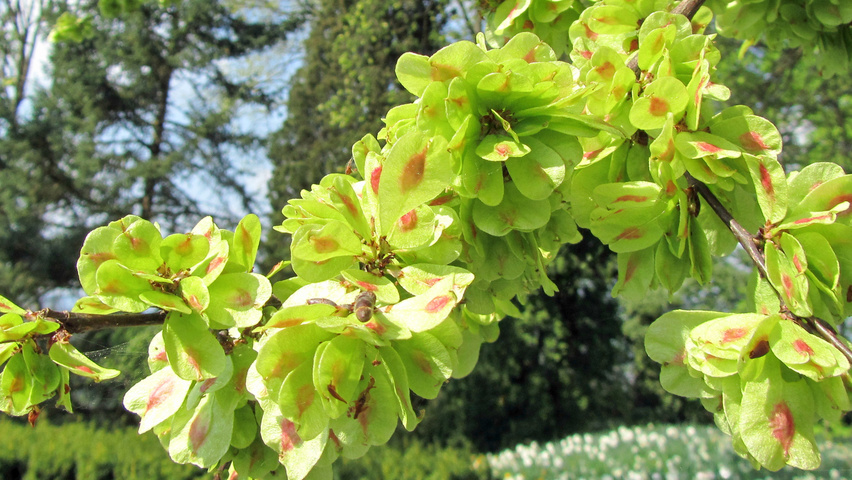
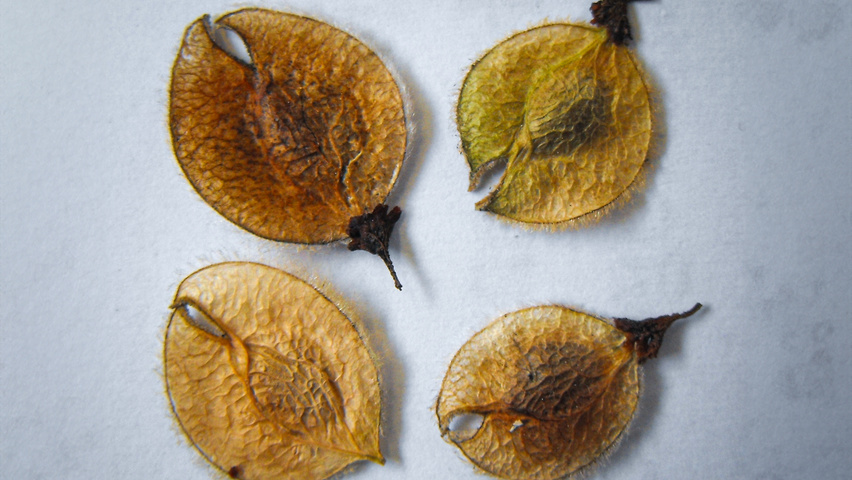
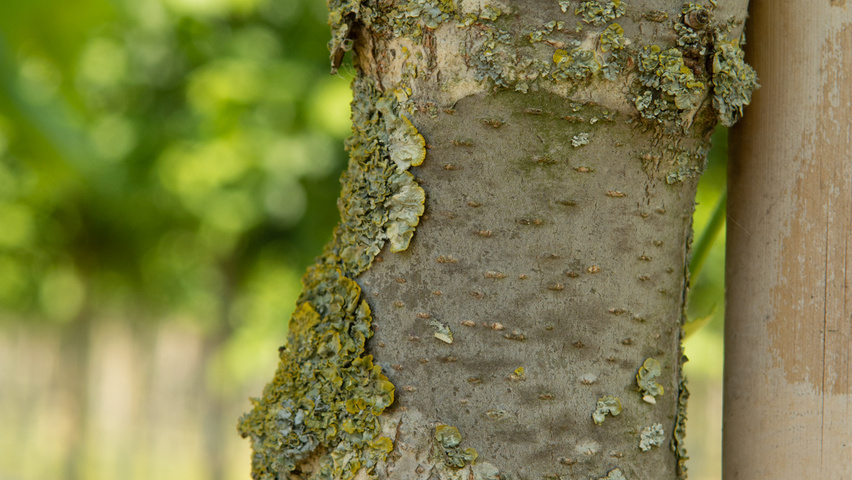
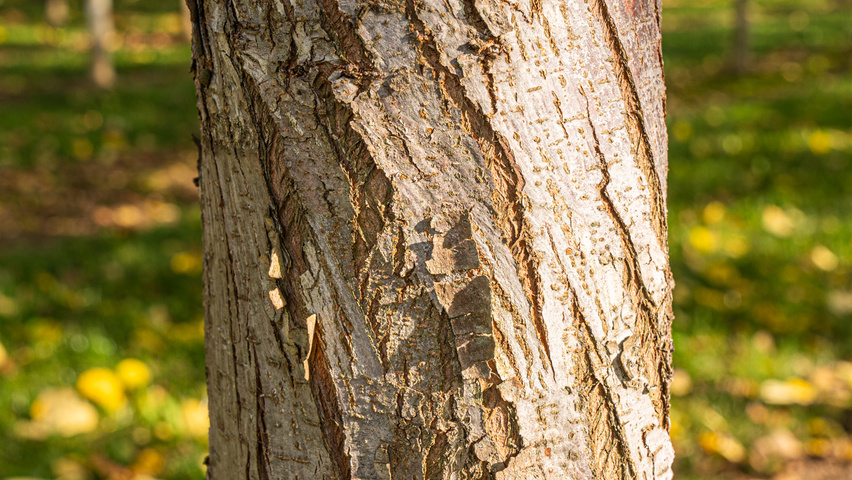
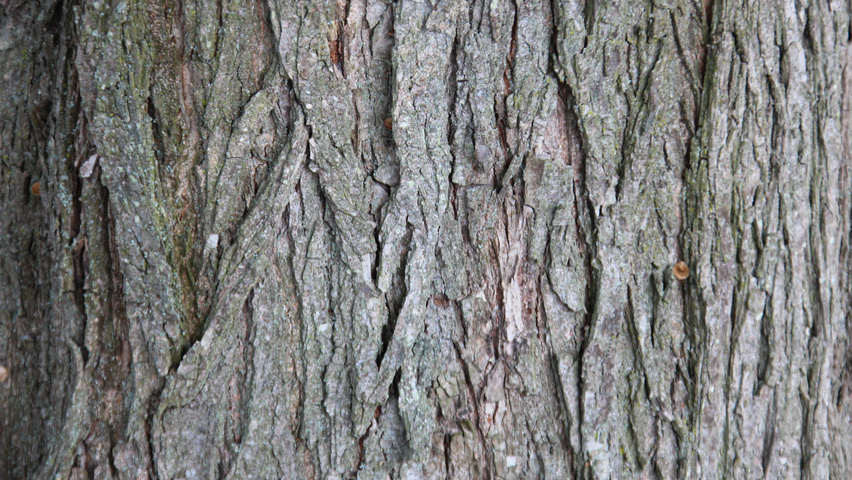
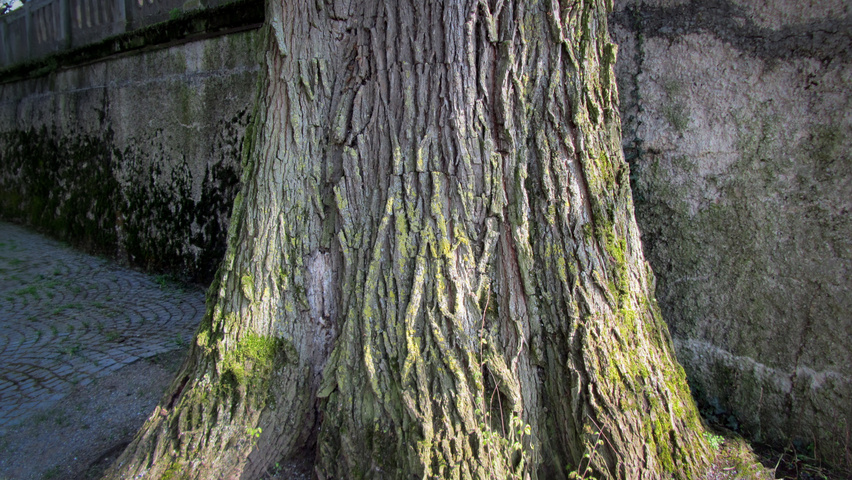
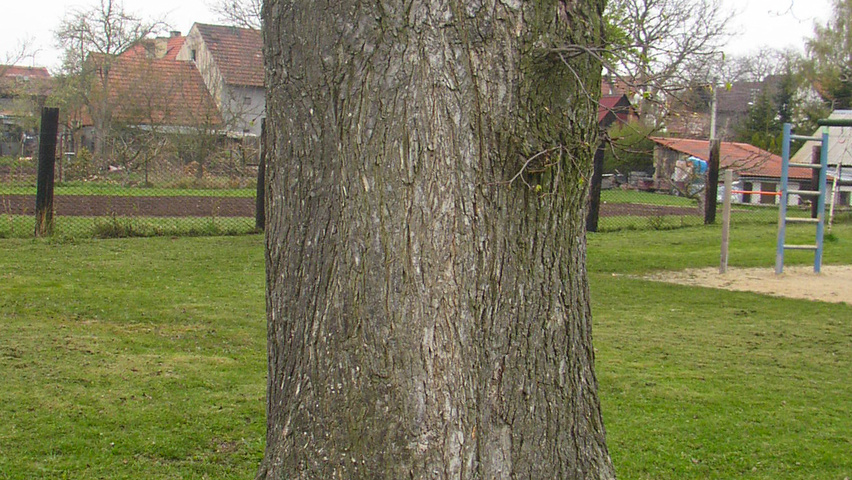
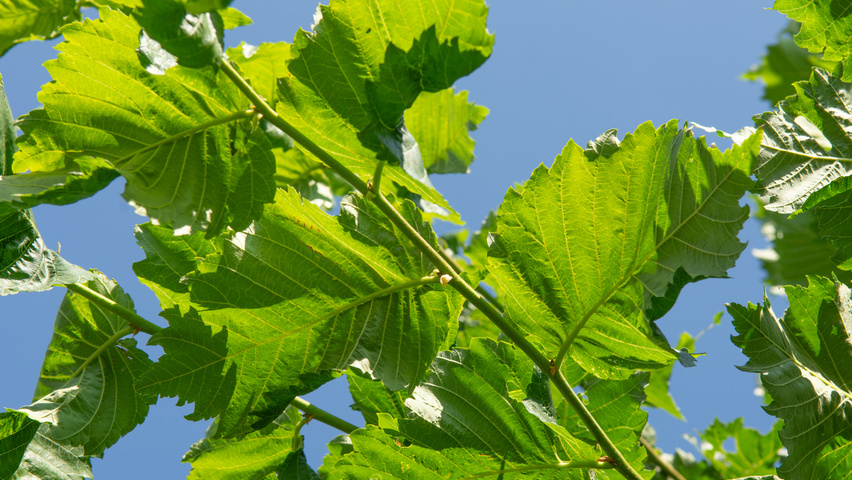
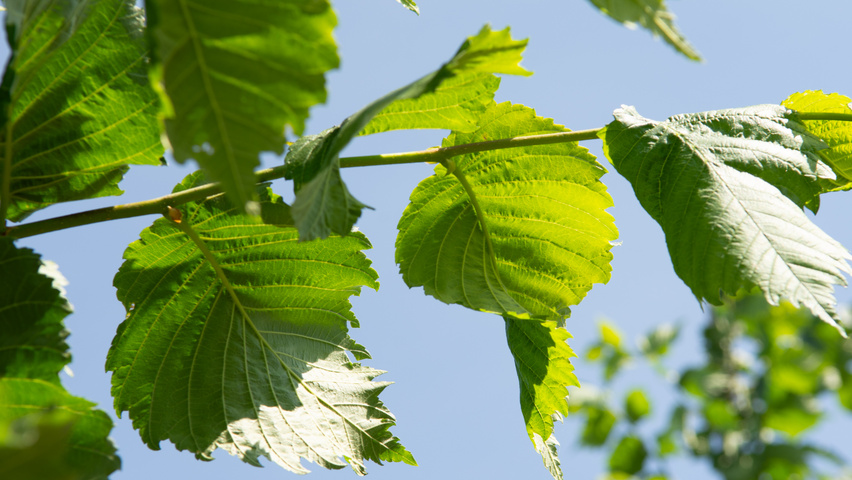
The large, glossy, dark green leaves are asymmetrical and double-serrated, borne on long twigs, and turn yellow in autumn. Ulmus laevis is an important host plant for butterflies such as the white-letter hairstreak and the comma butterfly. In March and April, the tree flowers with clusters of red, bell-shaped blossoms on long stalks. The flat nutlets that develop afterwards also hang in clusters on long pedicels. These characteristic fruits are covered with fine hairs that allow them to float, enabling dispersal by water. The bark of the European white elm is gray and deeply grooved, and trees growing in wet locations often develop buttress roots.

The European white elm is largely unaffected by Dutch elm disease, as the elm bark beetle does not favor this species. It is a classic landscape tree that can become very large, though its fast growth historically also led to its use as coppice or as a pollarded tree. While it thrives best in wet habitats along streams and rivers, Ulmus laevis can also develop into a strong and attractive tree on a wide range of soil types in drier conditions, in paved areas, and in urban environments.

Types of planting

Tree types

standard trees multi-stemmed trees shade trees characteristic trees

Use

Location

avenue park large garden countryside ecological zone windbreak bioswale coastal area

Pavement

none none open open sealed sealed

Planting concepts

eco planting landscape planting solid planting

Characteristics

Crown shape

rounded rounded wide oval wide oval

Crown structure

semi-open semi-open

Height

25 - 35 m

Width

10 - 20 m

Winter hardiness zone

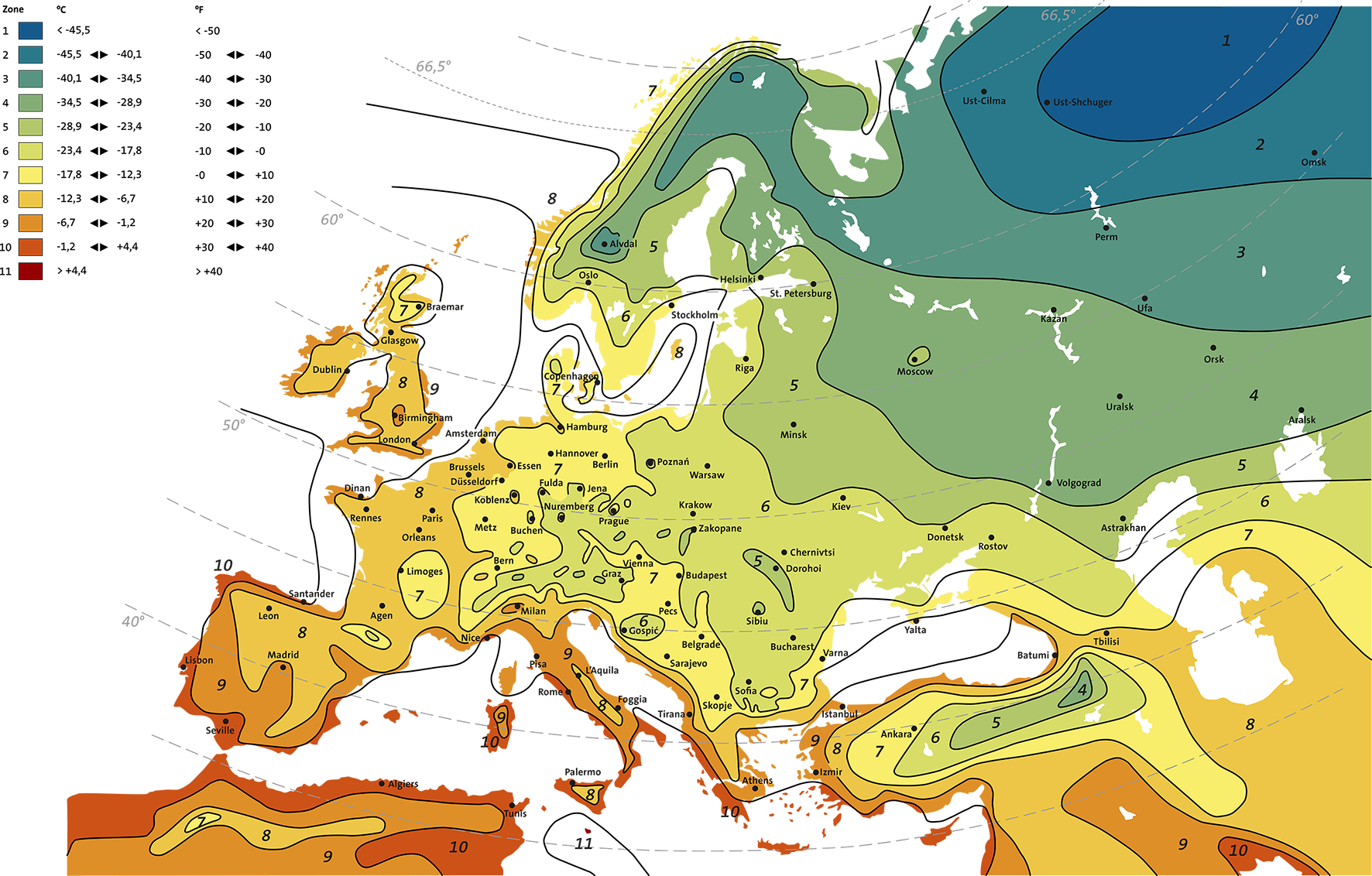
5A - 8B

Aspects

Wind

tolerant to wind tolerant to coastal wind

Soil

loess sabulous clay peaty light clay sand loamy soil

Nutrient level

moderately rich in nutrients rich in nutrients

Soil moisture level

dry moist wet

Light requirements

sun partial shade

pH range

acidic neutral alkaline

Host plant/forage plant

butterflies

Extreme environments

tolerant to salt spray tolerant to short-term flooding limited to rare infestation by lice resistant to dutch elm disease 3

Get to know Ebben Nurseries

Visit our nurseries with multi-stem trees, climbing trees, trees for avenues and parks characteristic trees and solitary shrubs.

Make an appointment

Place order or further information?

Order this plant? Or would you like further information about Ulmus laevis? Make an appointment for a detailed planting recommendation.
Call +31(0) 485 31 20 21 or email one of our advisors directly.
Our planting advisors

Photos

Magnify

Flowers

Flowers

raceme bell-shaped discrete pendulous small

Flower colour

red-violet

Flowering period

March - April

Leaves

Leaf colour

green

Leaves

deciduous ovate big polished doubly serrate

Autumn colour

yellow

Fruits

Fruit colour

brown

Fruits

winged raceme nut

Bark

Bark colour

grey-brown

Bark

furrowed buttress roots

Twigs

Twig colour

pale brown

Twigs

bare vertical branches long shoots

Root system

Root system

shallow extensive fleshy roots clinging aerial roots on own root

For and by green professionals

The TreeEbb is a platform for and by green professionals, in which we collect knowledge and experience from the sector and make this available for users. All the details and photos are free to use for non-commercial purposes. Want to share your tree knowledge? Send photographs and additional information to treeebb@ebben.nl

Contact
Show filters Hide filters
Show comparison
View mood board
TreeEbb

TreeEbb

Geographic location
Winter hardiness zone
OK
Coastal area
OK
Use
Location
OK
Pavement
OK
Host plant/forage plant
OK
Planting concepts
OK
Types of planting
Tree types
OK
Multi-stemmed trees
OK
Crown structure
OK
Crown shape
OK
Topiary on stem
OK
Topiary
OK
Height
m
-
m
OK
Width
m
-
m
OK
Aspects
Wind
OK
Soil
OK
Nutrient level
OK
Soil moisture level
OK
Light requirements
OK
PH range
OK
Extreme environments
OK
Stage of succession
OK
Plant characteristics
Flowering period
January
-
December
OK
Flower colour
OK
Leaf colour
OK
Autumn colour
OK
Fruit colour
OK
Bark colour
OK
Special features
OK
English
View mood board
Show comparison
Your selection:

Sign up for our newsletter

×
Cookie settings

We use cookies when offering electronic services. A cookie is a small, simple file that is sent with the pages of this website and stored on the hard disk of your computer by your browser. This allows us to combine various requests for pages on the website and analyse users’ behaviour, for example. You can indicate which cookies you wish to accept using the settings below. Bear in mind that not accepting cookies will mean that part of the functionality of this website may not be available. You can find more information about the use of data and the various cookies in our privacy and cookie declaration.