+
Tree Nursery Ebben: your total supplier

Tree Nursery Ebben: your total supplier

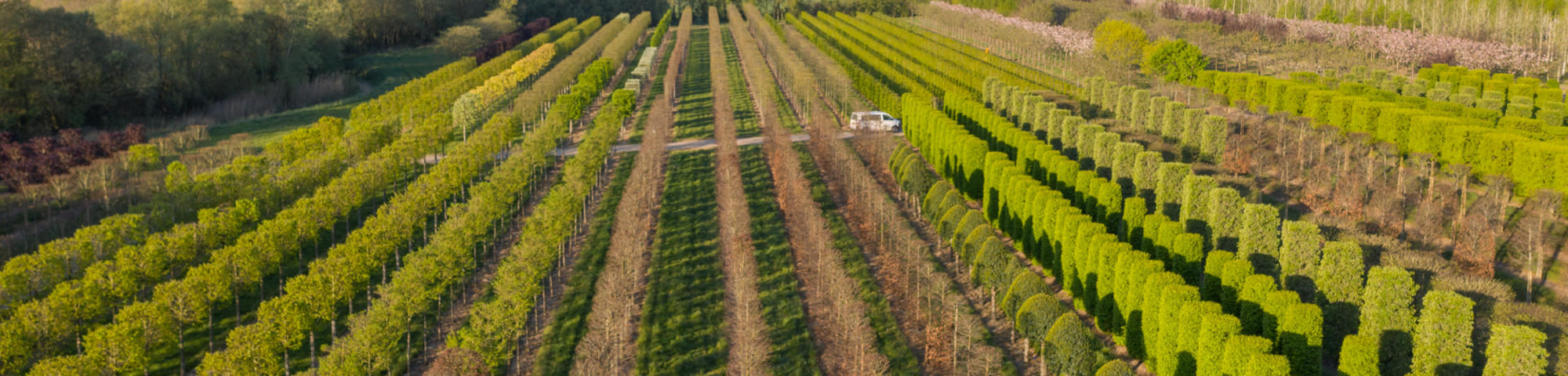
So many projects, so many possibilities in greenery. We grow and supply the right trees and plants for every application. From private gardens to complex green projects in public spaces, in the city, on rooftops or along busy infrastructure. Wherever greenery is needed, Ebben Nurseries offers a complete range.

In addition to a wide collection of trees for various applications, we also supply hedge plants, shrubs, perennials and flower bulbs. We provide complete planting plans tailored to your design and location. At our nursery, our advisors are happy to help you choose the right tree and plants for the right place. Together, we will look at a wide variety of species and sizes to ensure that your green project is enhanced in every way.
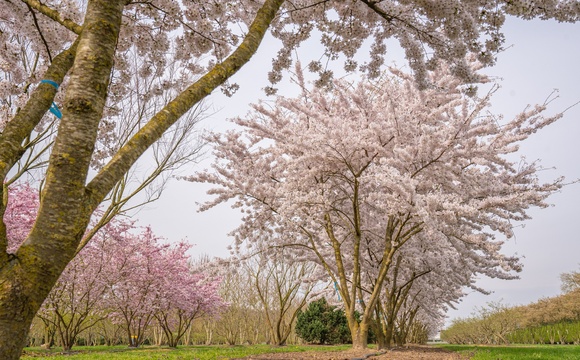
Search in TreeEbb

The right tree for every application. You will find it in the TreeEbb.

To the TreeEbb
Multi-stemmed Trees

Multi-stemmed Trees

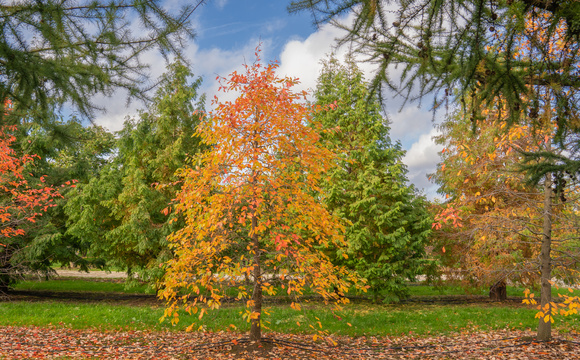
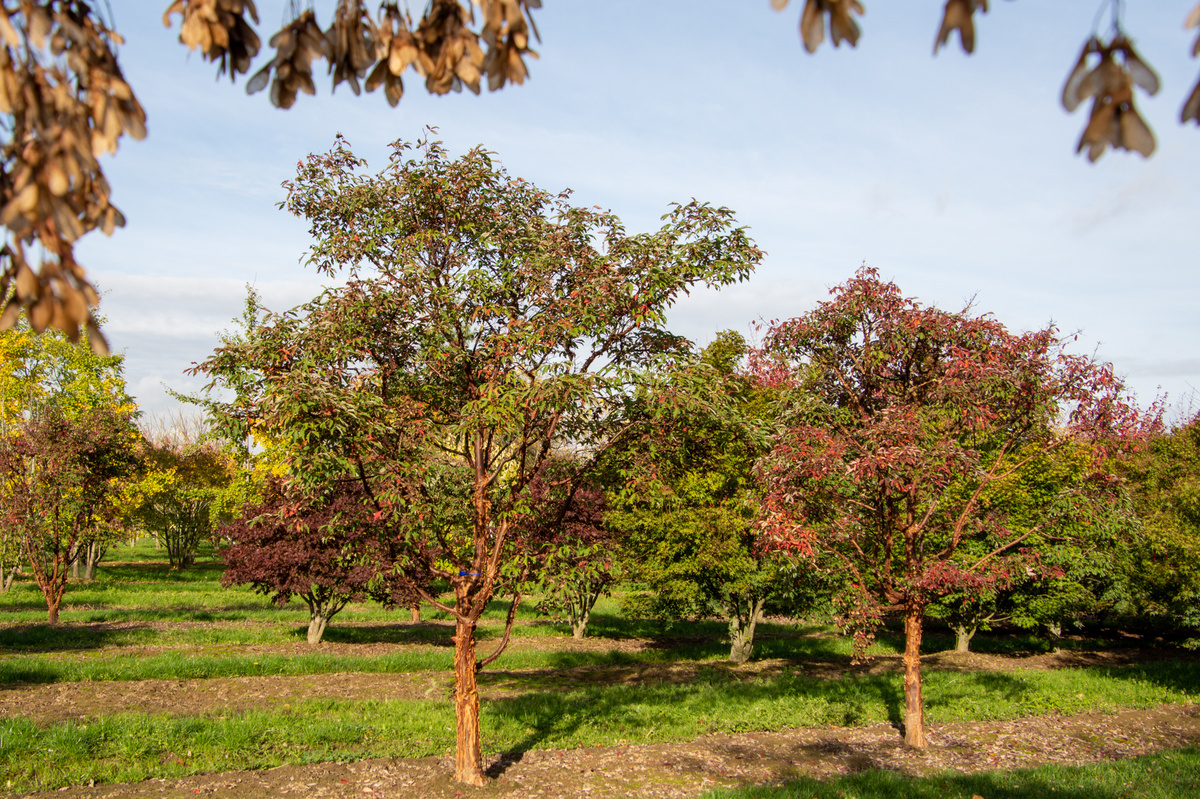
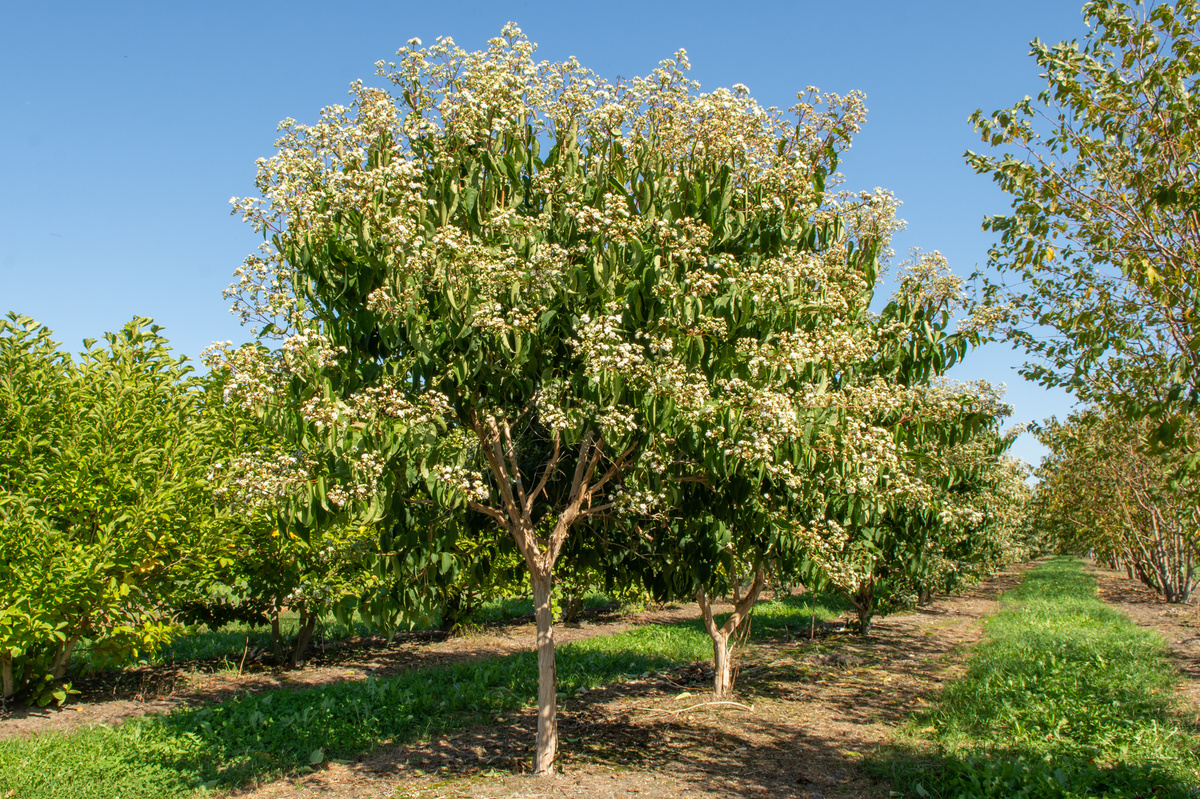
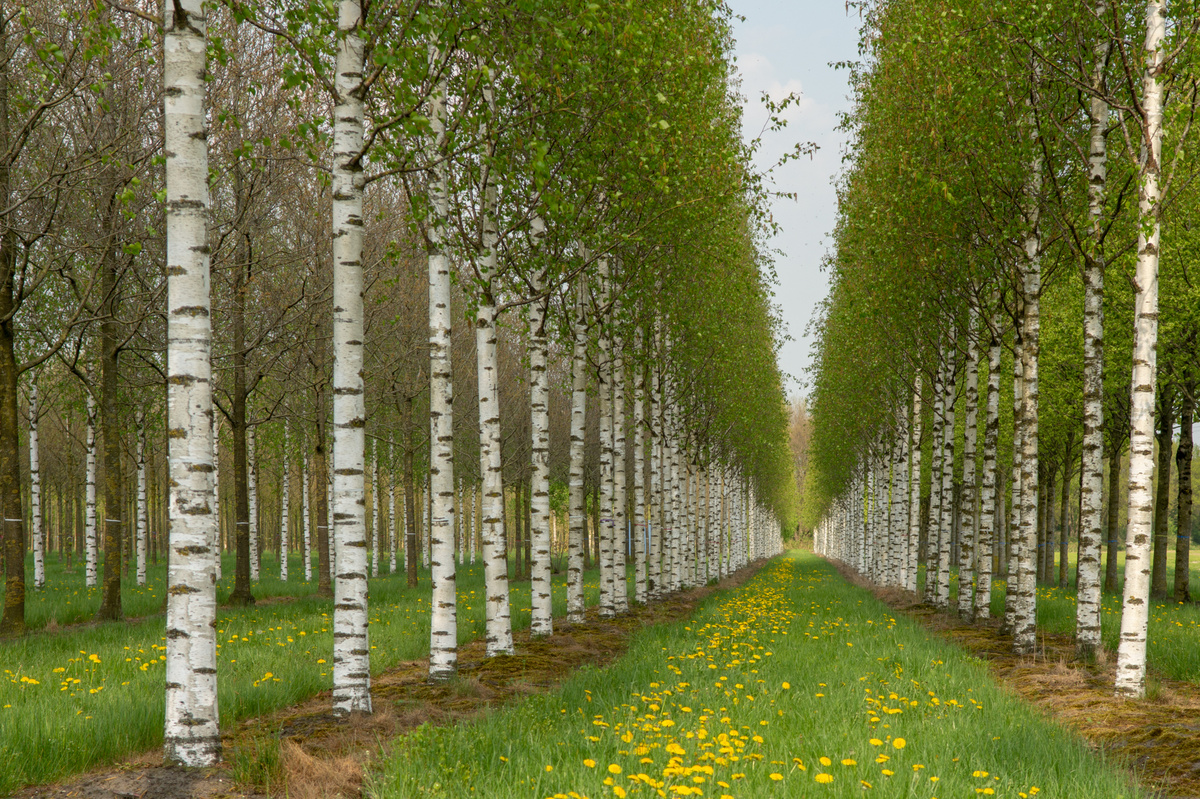
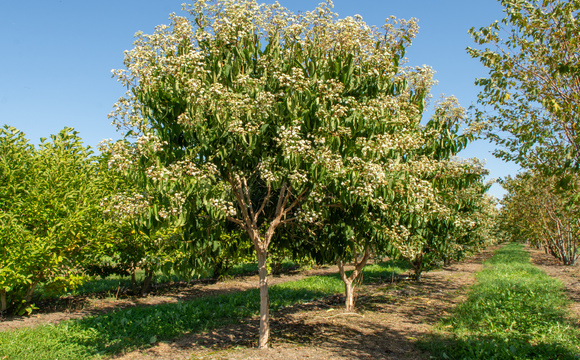
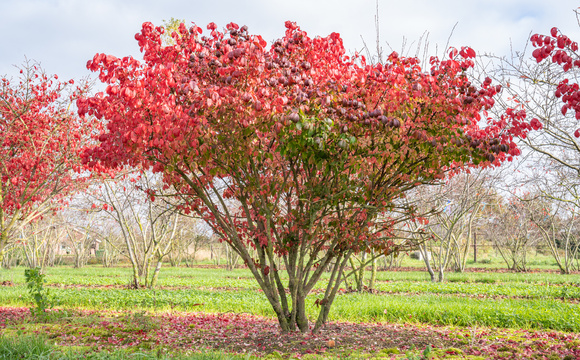
Multi-stemmed trees are characterful focal points that immediately stand out thanks to their open crowns and multiple trunks. This distinctive growth form creates depth, movement and a playful silhouette. As a result, multi-stemmed trees are ideally suited to a wide range of settings, including parks, gardens, squares and streets.

With their wide variety of species and growth habits, multi-stemmed trees offer extensive design possibilities. In urban and built environments, they provide a natural and striking visual contrast to architecture and paving. At the same time, they blend seamlessly into natural gardens and landscape designs, where they enhance atmosphere, biodiversity and an organic aesthetic.

Learn more about multi-stemmed trees
Standard Trees

Standard Trees

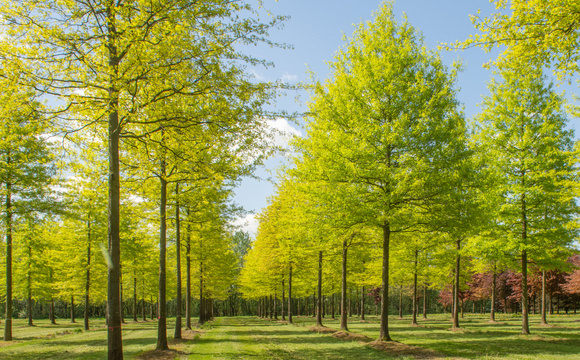
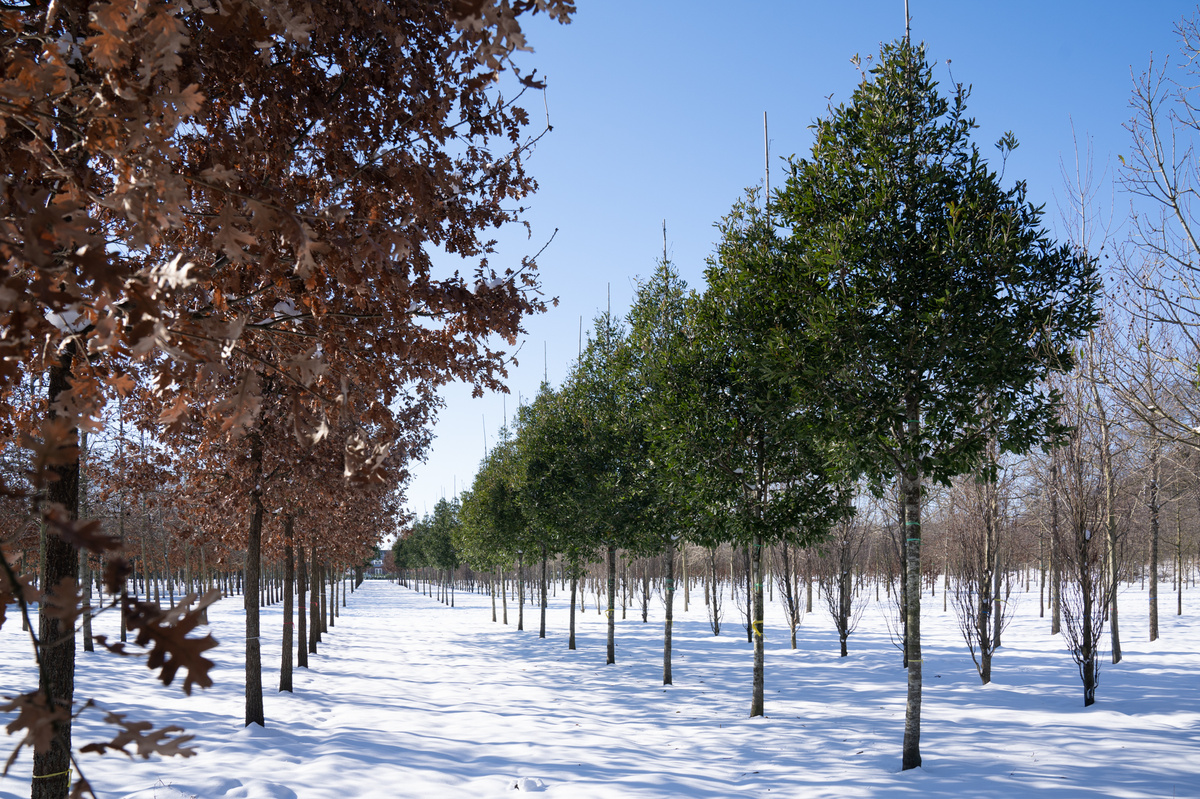
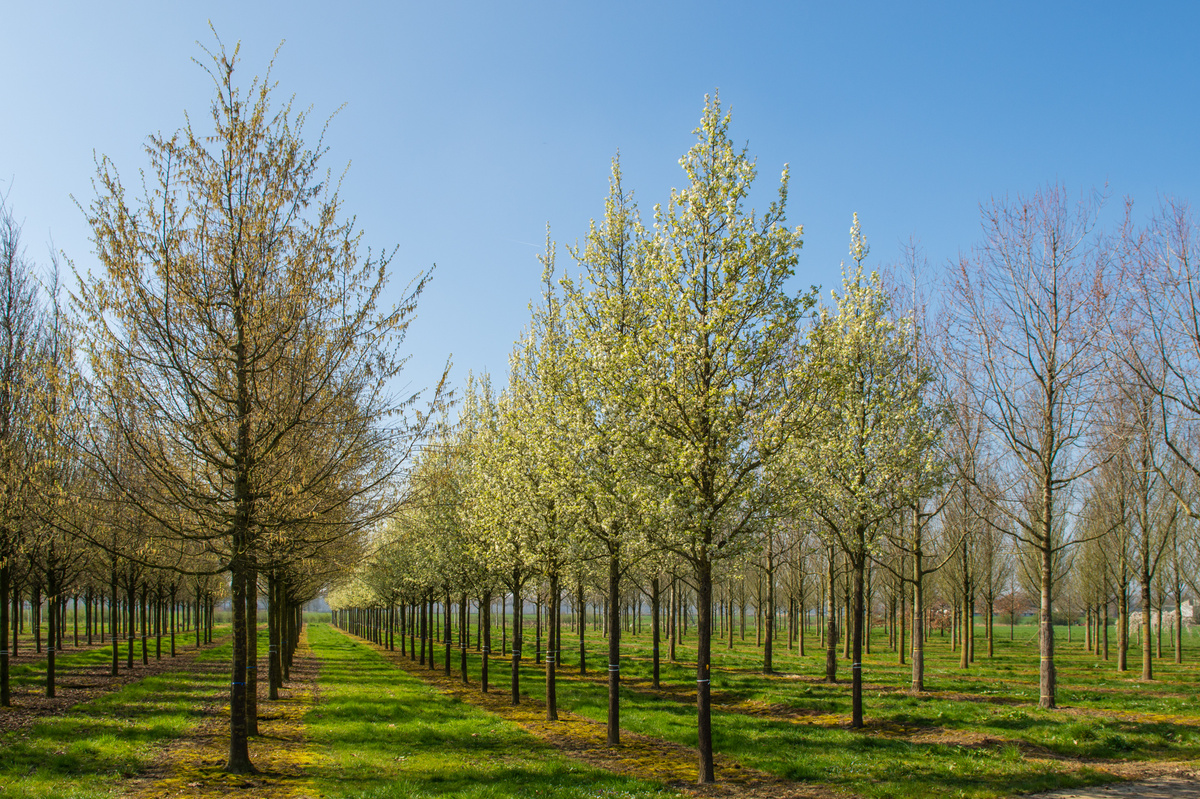
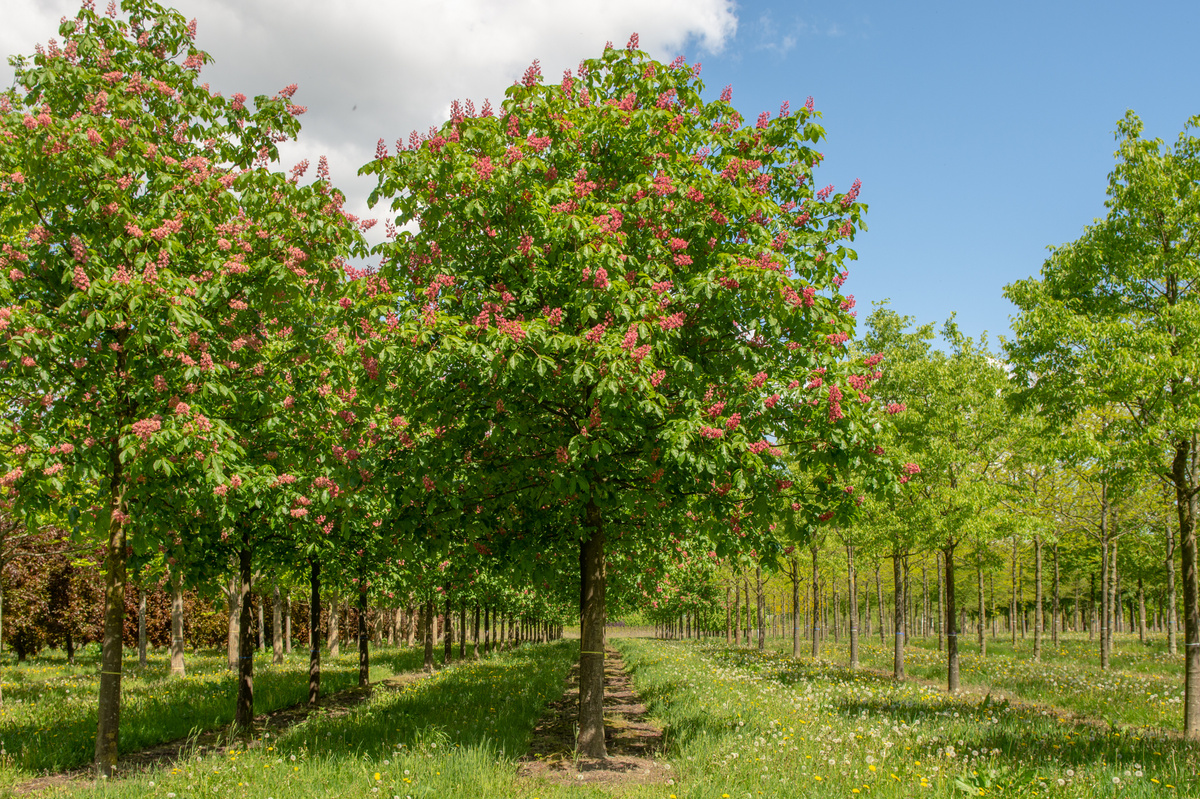
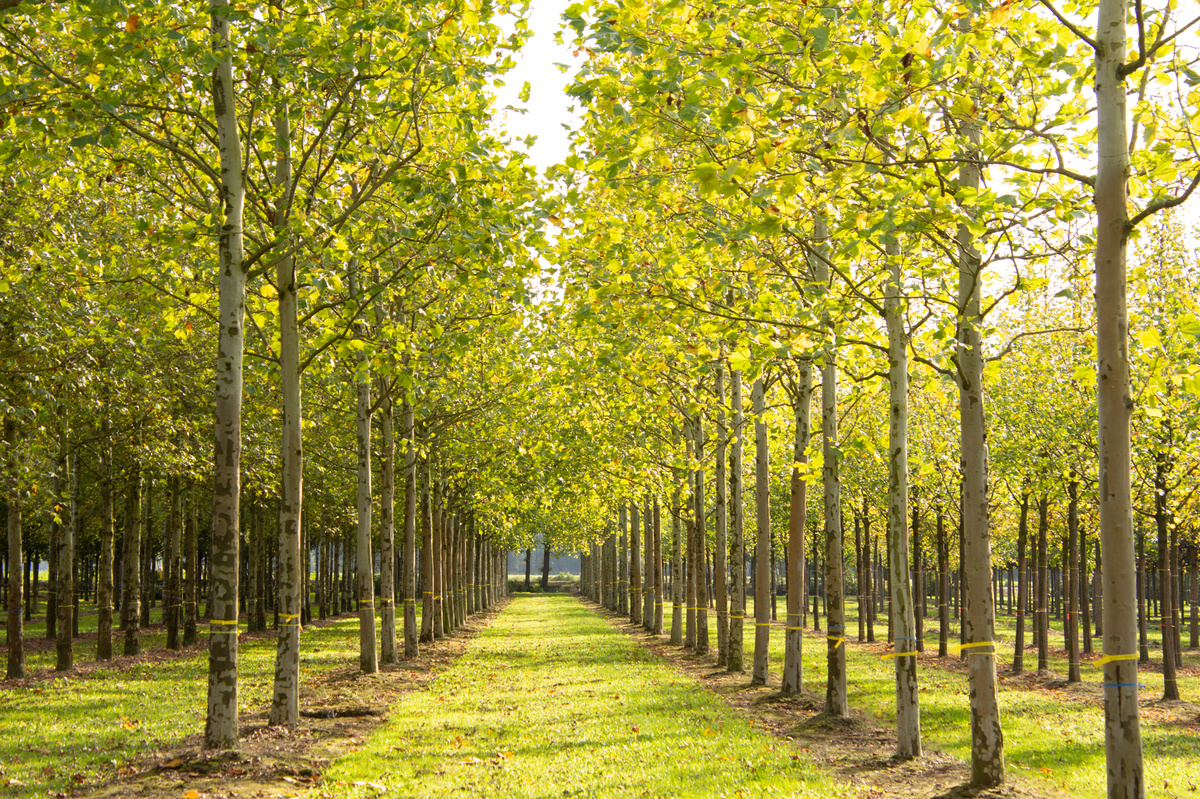
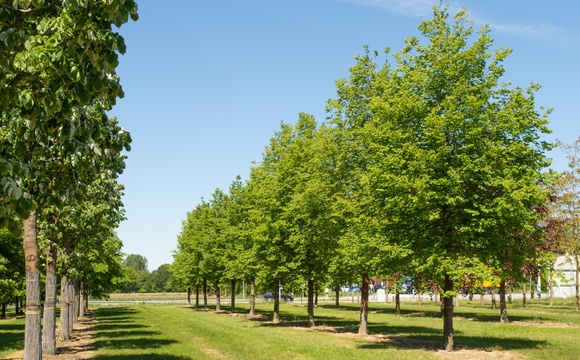
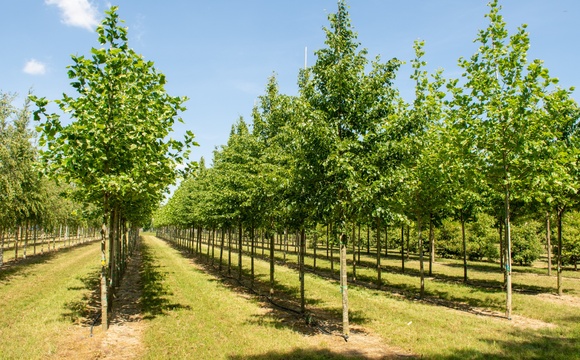
Standard trees, often referred to as avenue trees, are defined by a straight, continuous central leader with a minimum height of five metres. The trunk is clear of side branches up to approximately 2.2 metres, after which the crown begins to form. This tree form is highly functional, as standard trees occupy relatively little space at ground level while their crowns provide effective shade and cooling.

Standard trees are widely used as avenue or street trees and are often planted in formal rows. They also work well as specimen trees in parks and public squares. The distinctive character of a standard tree typically develops later in its life, as nursery cultivation focuses primarily on height, a straight trunk and suitability for transplanting. To facilitate transplanting, the crown is pruned into a narrower shape, which means it differs from trees with the same trunk girth that have never been transplanted. The size of standard trees is determined by trunk circumference, measured at a height of one metre.

Trees for streets and avenues
Solitary Trees

Solitary Trees

Solitary trees are statement trees planted as individual features to create maximum impact. With their mature appearance, distinctive growth habit and often generous crown, they serve as a natural focal point in gardens, parks and public spaces. Given the space to develop fully, a solitary tree can truly come into its own.

Available in a wide range of species, sizes and forms, solitary trees can be incorporated into many different design concepts. They provide structure, shade and seasonal interest, from spring blossom to autumn colour and striking winter silhouettes. Thanks to their strong visual presence, they are ideal focal points for both private gardens and large-scale landscaping projects.

Feathered Trees

Feathered Trees

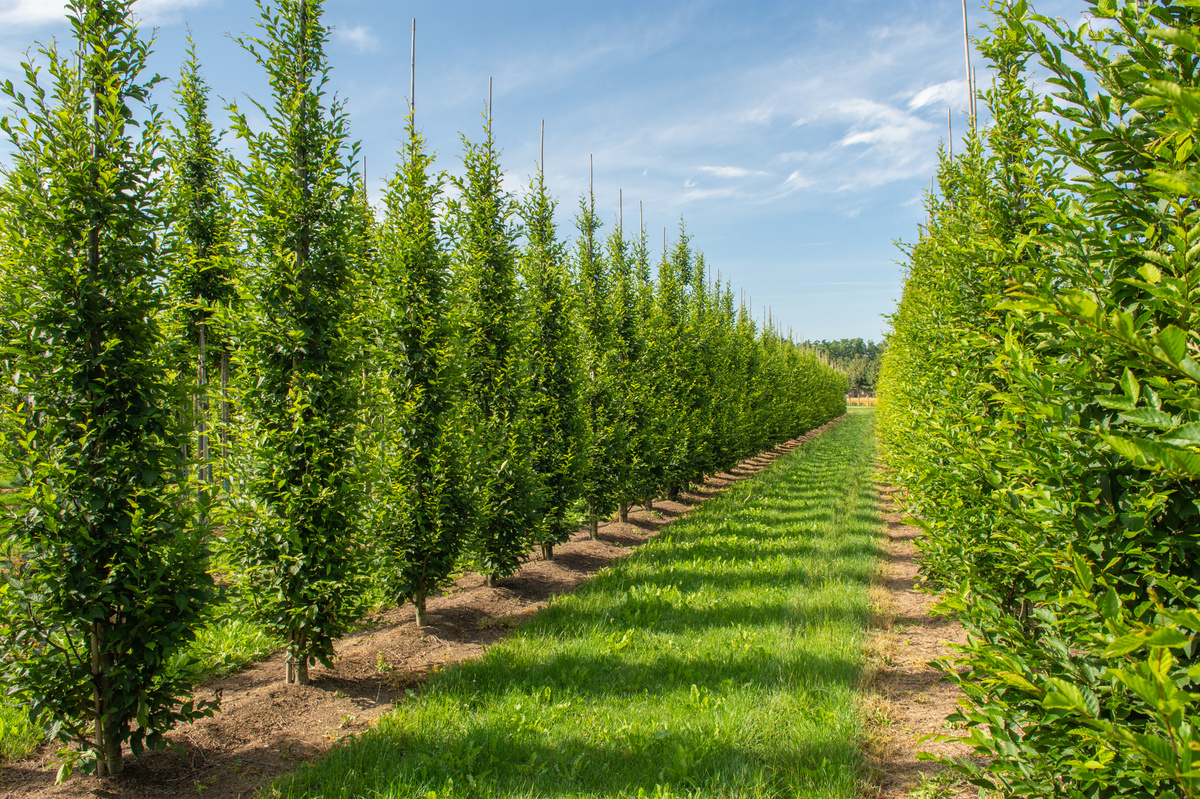
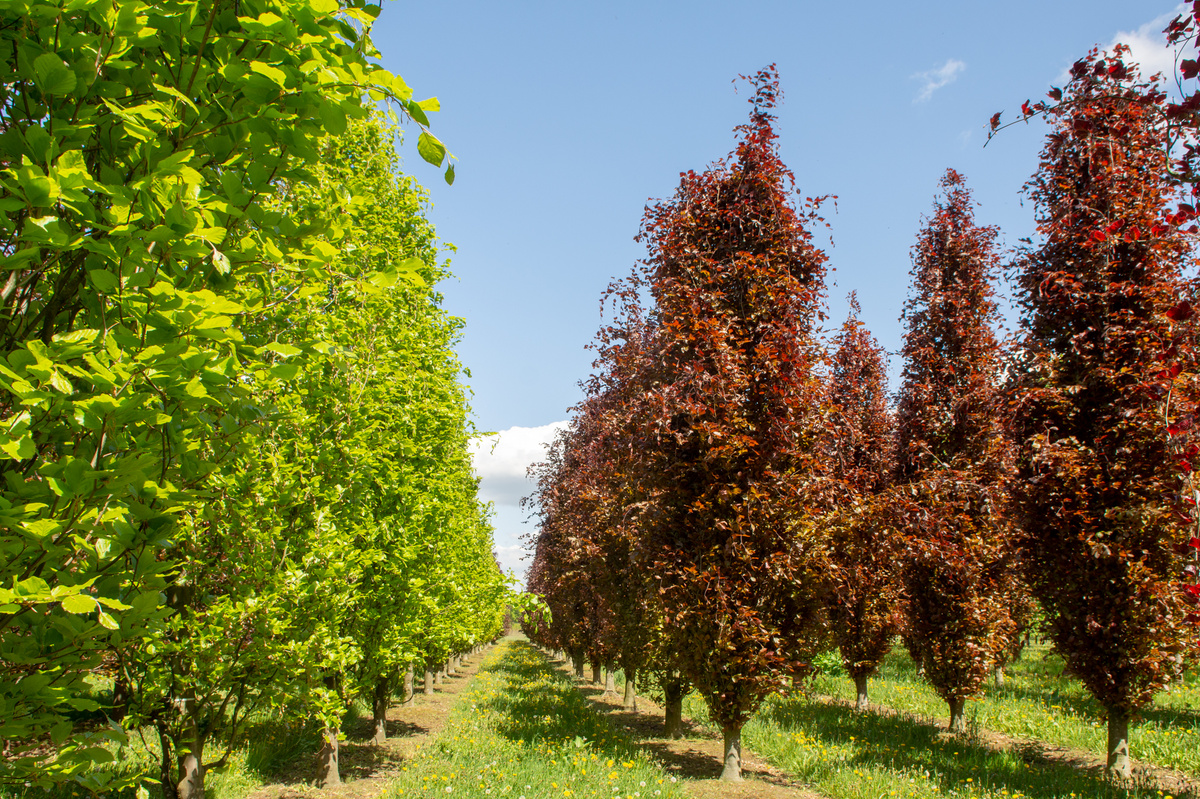
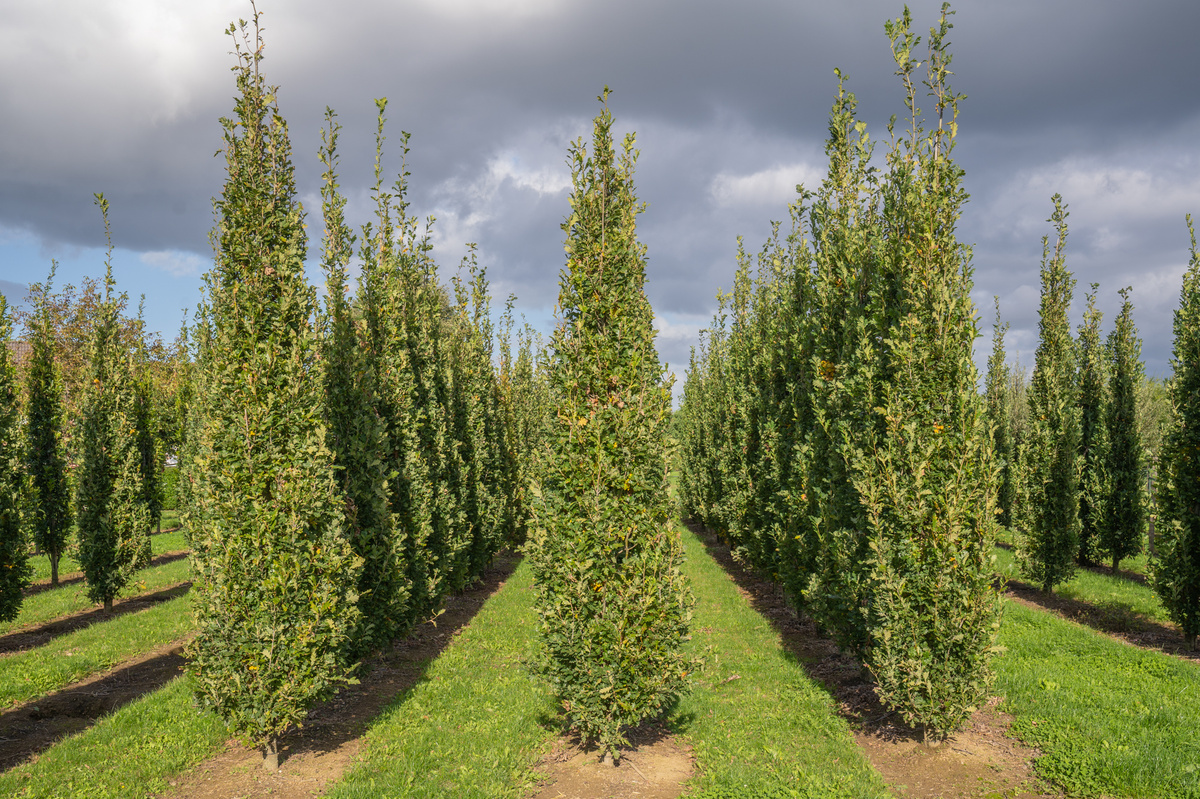
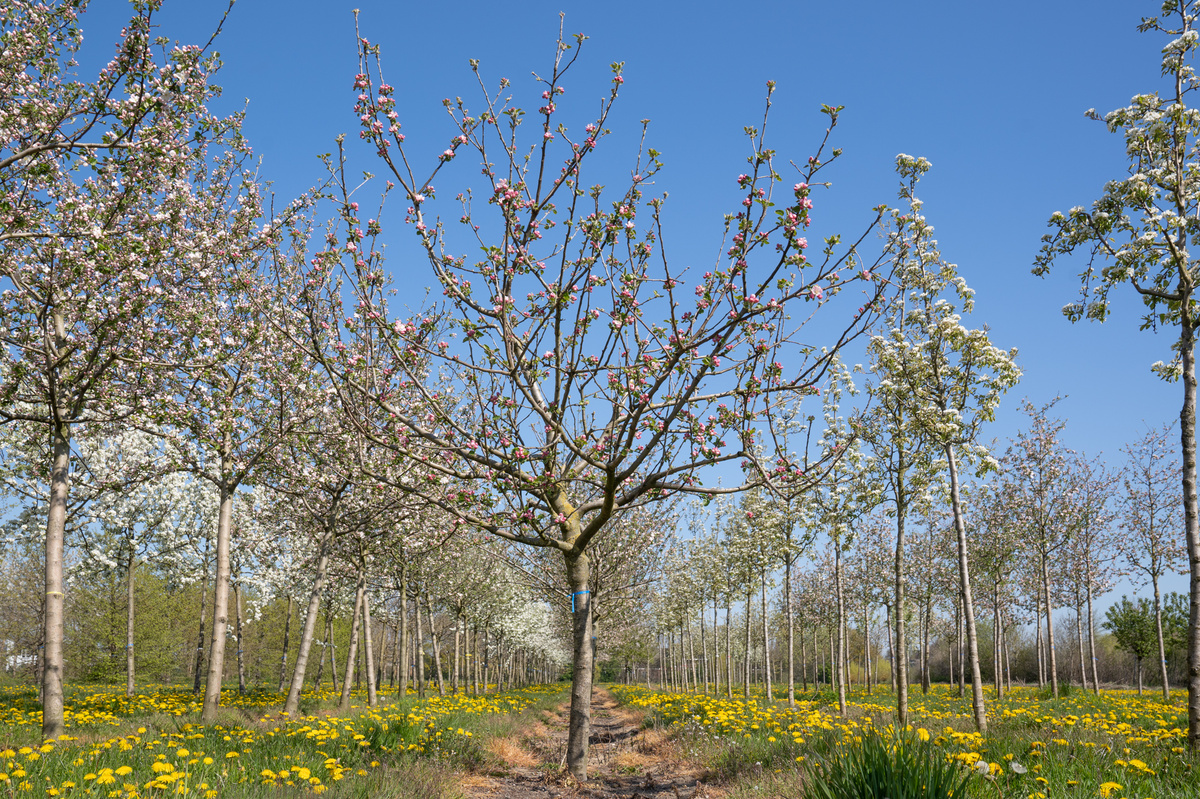
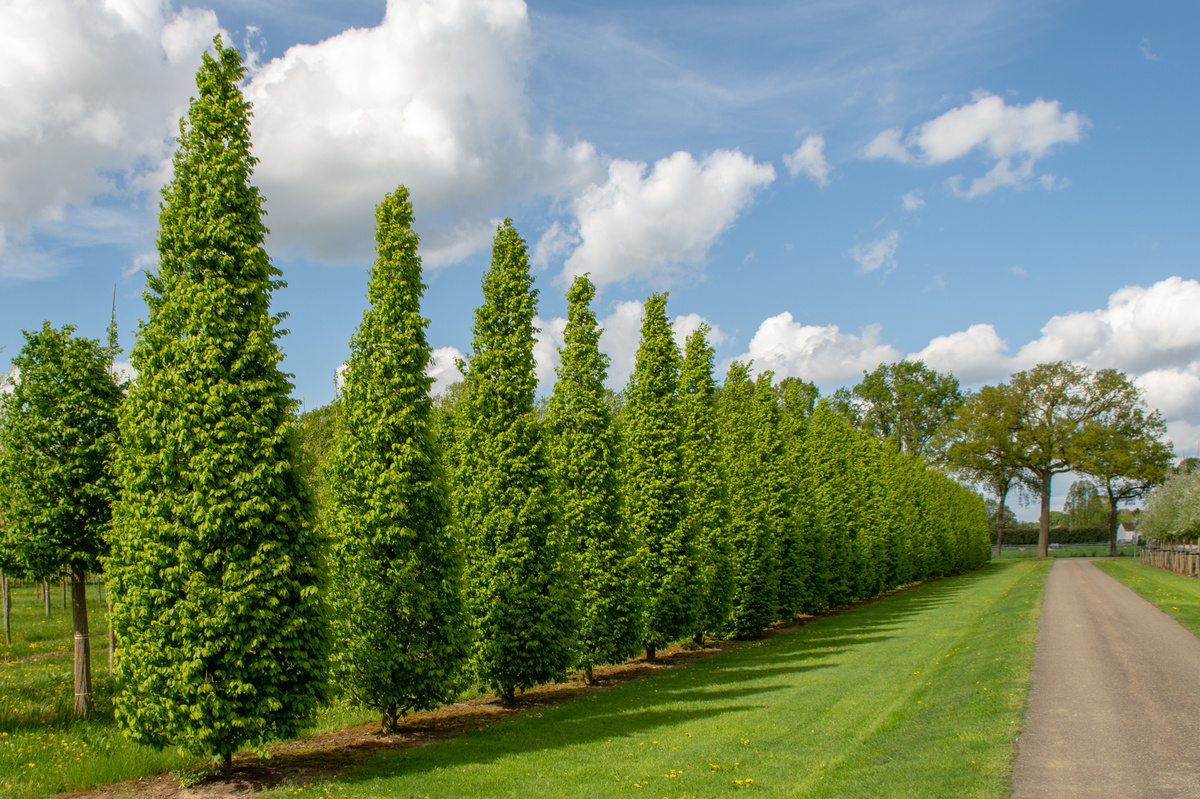
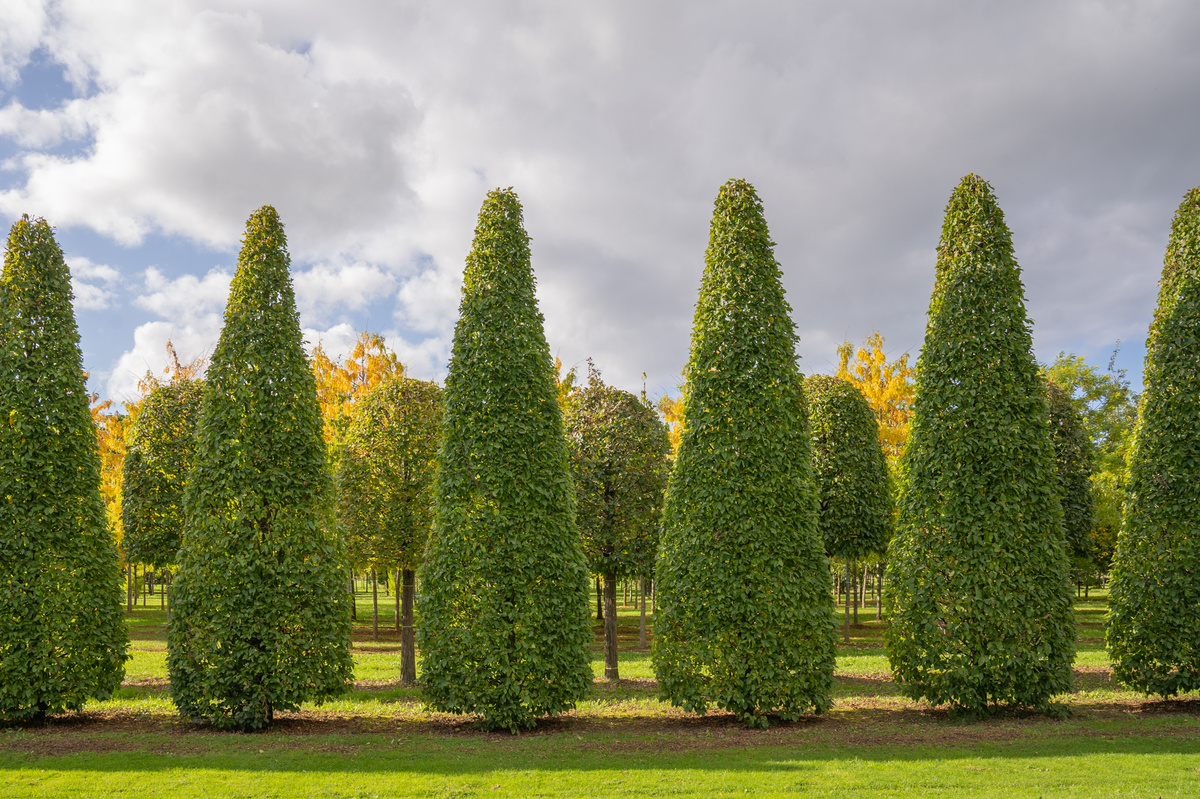
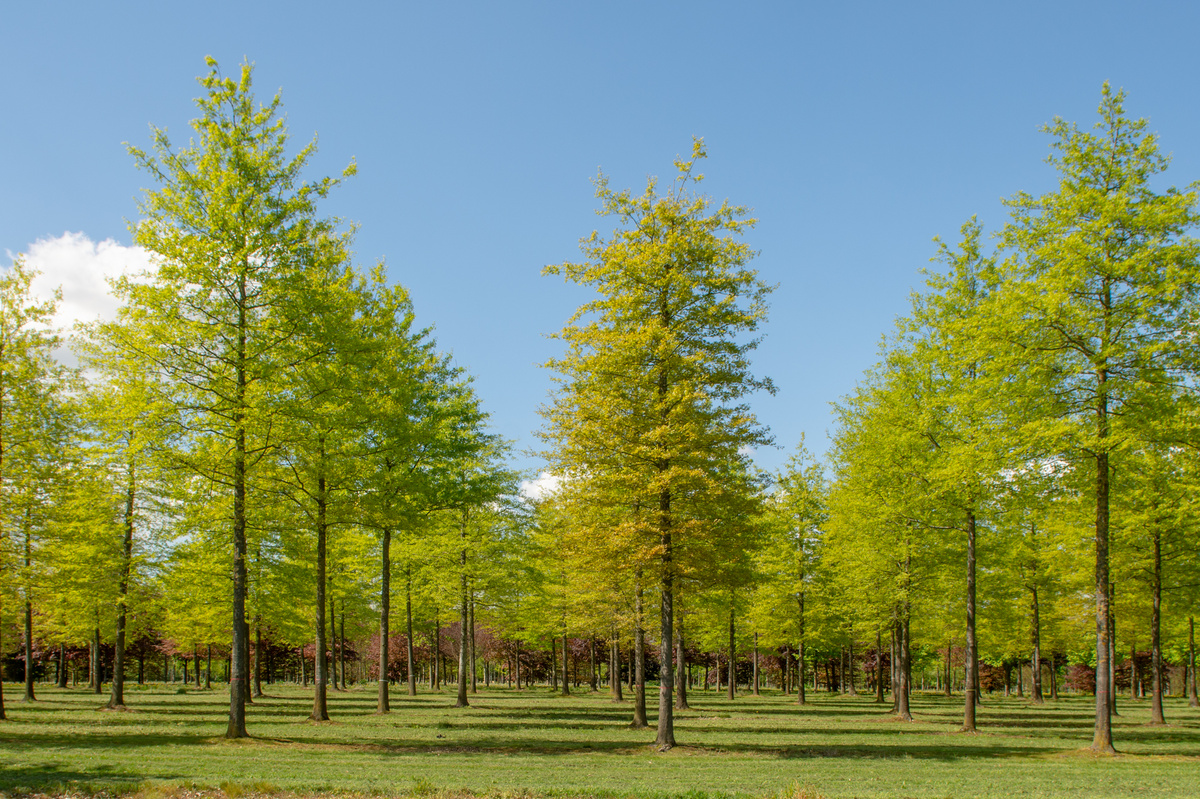
Feathered trees, also known as branched trees, have a clearly defined central leader with lateral branches present from ground level upwards. Unlike standard trees, they do not have a clear stem. Columnar trees are a well known example of this growth form. Feathered columnar trees generally require little space, making them suitable for compact planting sites.

In public spaces, feathered trees also serve an important functional purpose. In species with smooth bark, such as beech, the lower branches help protect the trunk from sunscald. As the climate becomes warmer, this protection is increasingly important until the crown has developed sufficiently to shade the trunk itself. Combining feathered trees with multi stemmed trees also creates a natural and varied planting scheme. For this reason, feathered trees are particularly well suited to parks, estates and landscape designs.

Trees in parks
Character Trees

Character Trees

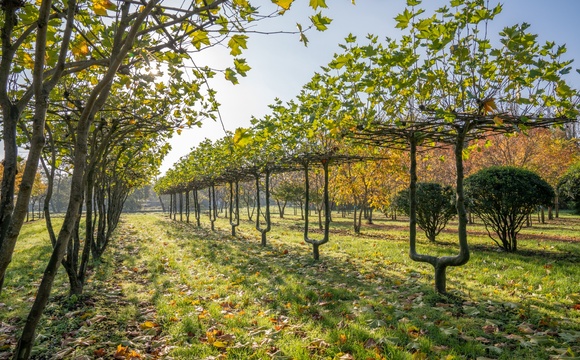
Character trees are carefully cultivated and selected for their unique growth habit and distinctive appearance. These are trees with elegant, expressive or sometimes strikingly irregular forms, deliberately used as accent features within a planting design. They make excellent focal points and often look their best when planted as standalone specimens. This category also includes special forms such as multi stemmed umbrella trees and seating trees. Seating trees have a distinctive U shaped trunk with a horizontal section, making them not only visually striking but also functional in use.

Character trees bring a distinctive and natural character to any development site, with no two trees sharing exactly the same form. For this reason, we recommend selecting these trees in person at our nursery. This allows you to create a truly unique landscaping project. Thanks to our wide range of species, sizes and forms, we can offer flexible support within your planting scheme and provide a suitable solution for almost any budget.


Tree forms and shaped trees
Shaped Trees

Shaped Trees

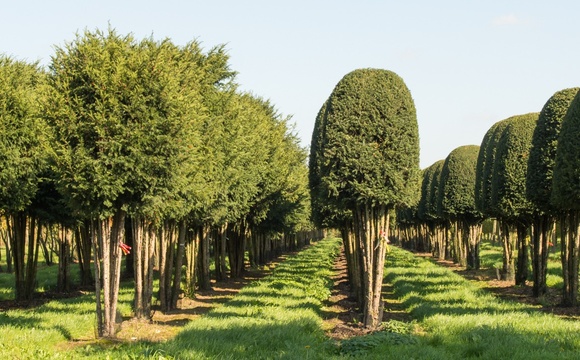
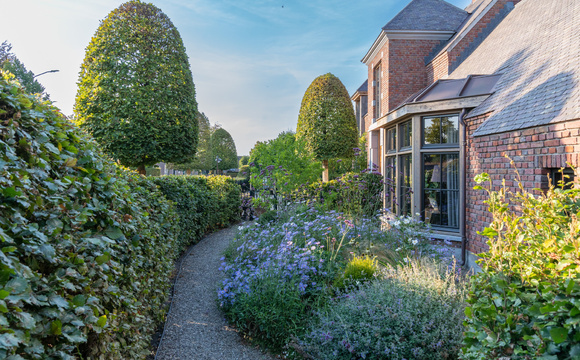
Shaped trees are trees that maintain their specific form through careful and regular pruning. They are deliberately cultivated and managed to create a precise or architecturally striking silhouette. A wide variety of shaped trees is available, both with and without trunks, making them highly versatile for different landscape designs.

This category includes roof trees, pollard trees, candelabra forms, espalier trees, umbrella trees and arbors. Shaped trees are also used as hedges or in clean, geometric arrangements. Thanks to their clear structure and distinctive form, shaped trees provide direction, rhythm and character to gardens, squares and public spaces.

Learn more about shaped trees and tree forms
Half-standard Trees

Half-standard Trees

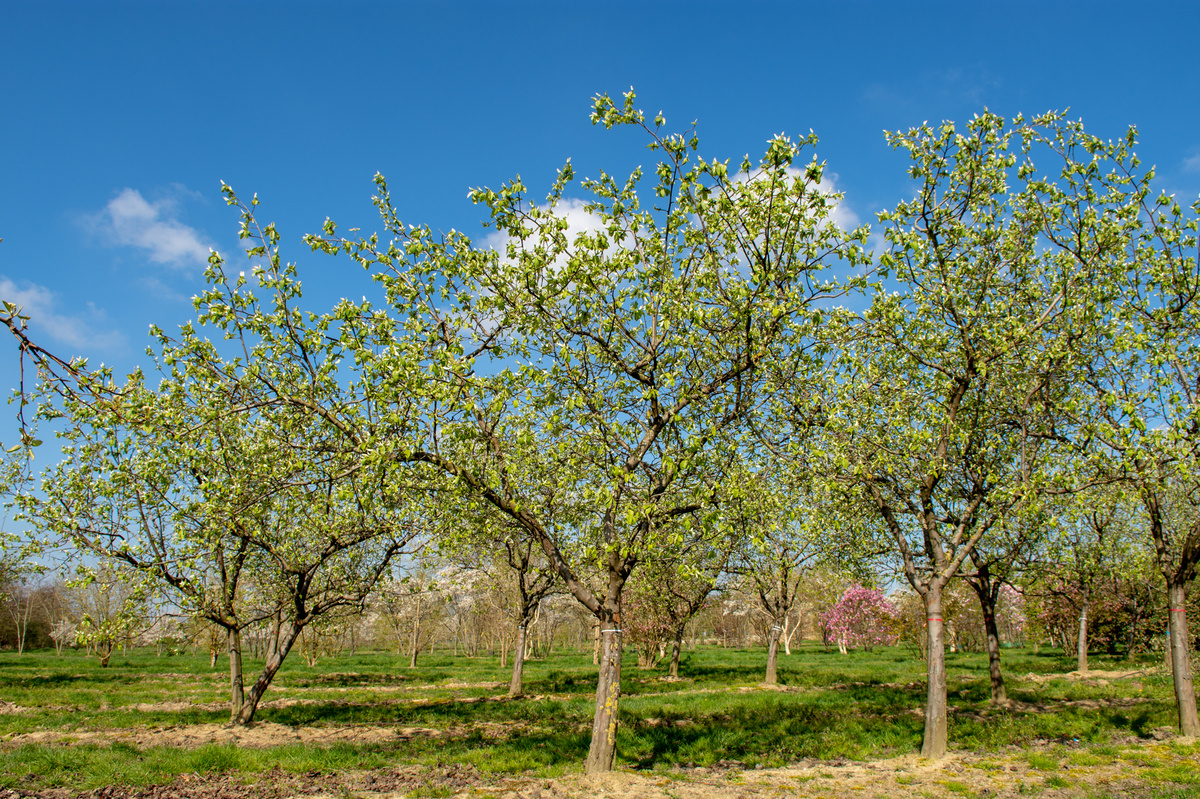
Half-standard trees resemble standard trees but have a trunk clear of side branches up to a height of 1.25 to 1.50 metres. This makes them particularly well suited to smaller gardens and compact spaces. With appropriate formative pruning, half-standard trees develop a beautiful, balanced shape.

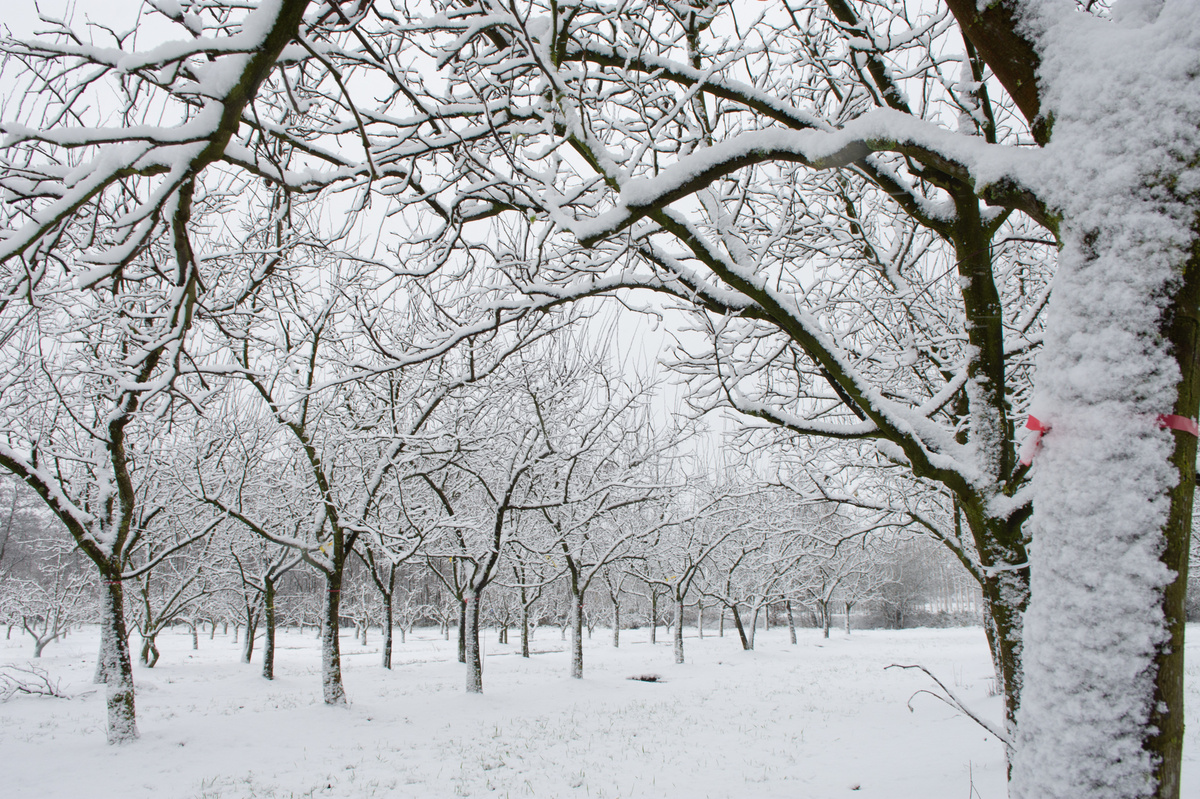
Many half-standard trees are grafted at this height, which prevents further trunk elongation. In slow-growing species, maintenance remains minimal. Half-standard forms are also popular for fruit trees, as the height makes harvesting and care much easier.

Trees for gardens
Shade Trees

Shade Trees

Shade trees are carefully selected and cultivated to provide effective shelter from the sun. They often feature a tall, wide, fan-shaped crown with dense foliage that naturally blocks sunlight.

For different applications, we also grow multi-stemmed roof-shaped trees, such as Platanus x hispanica (London plane), which are ideal for open spaces where shade is desired. Espalier trees, like Tilia europaea 'Palida' (linden), are perfect for creating shade along façades and, when planted as standalone or individual elements, their clear form immediately adds structure to gardens.

Fruit Trees

Fruit Trees

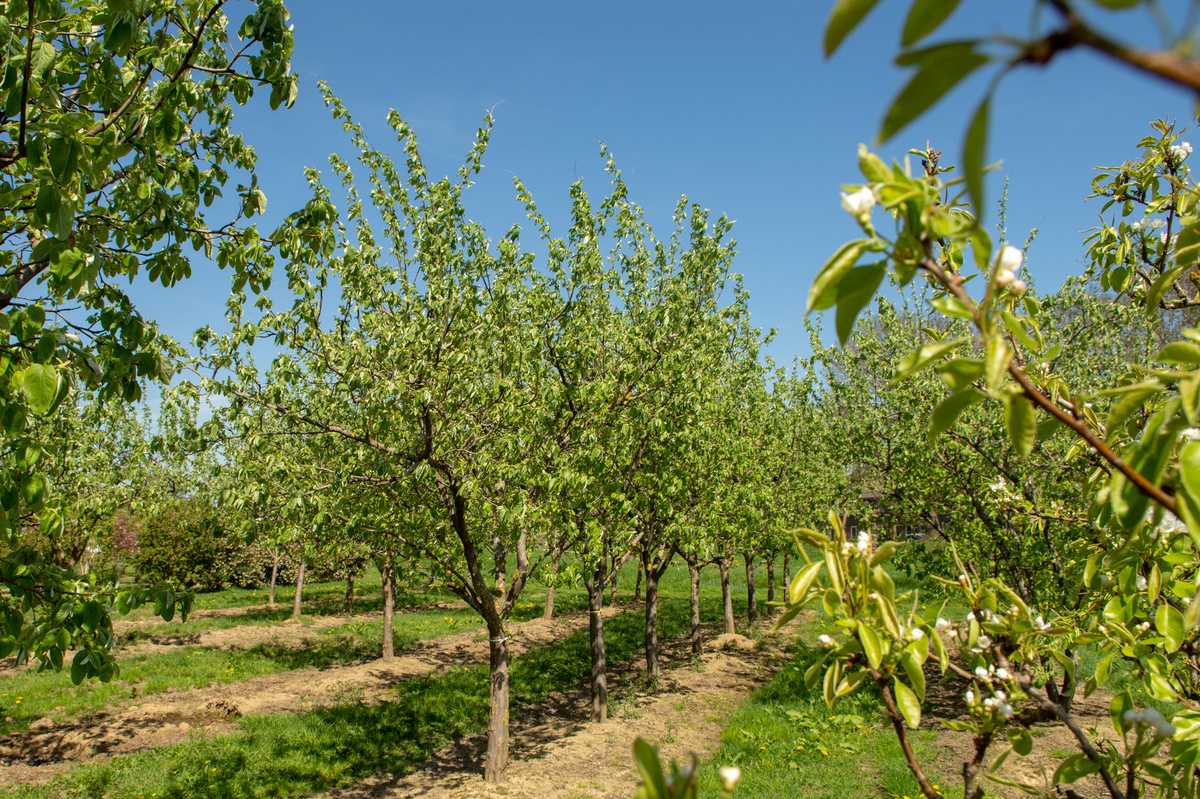
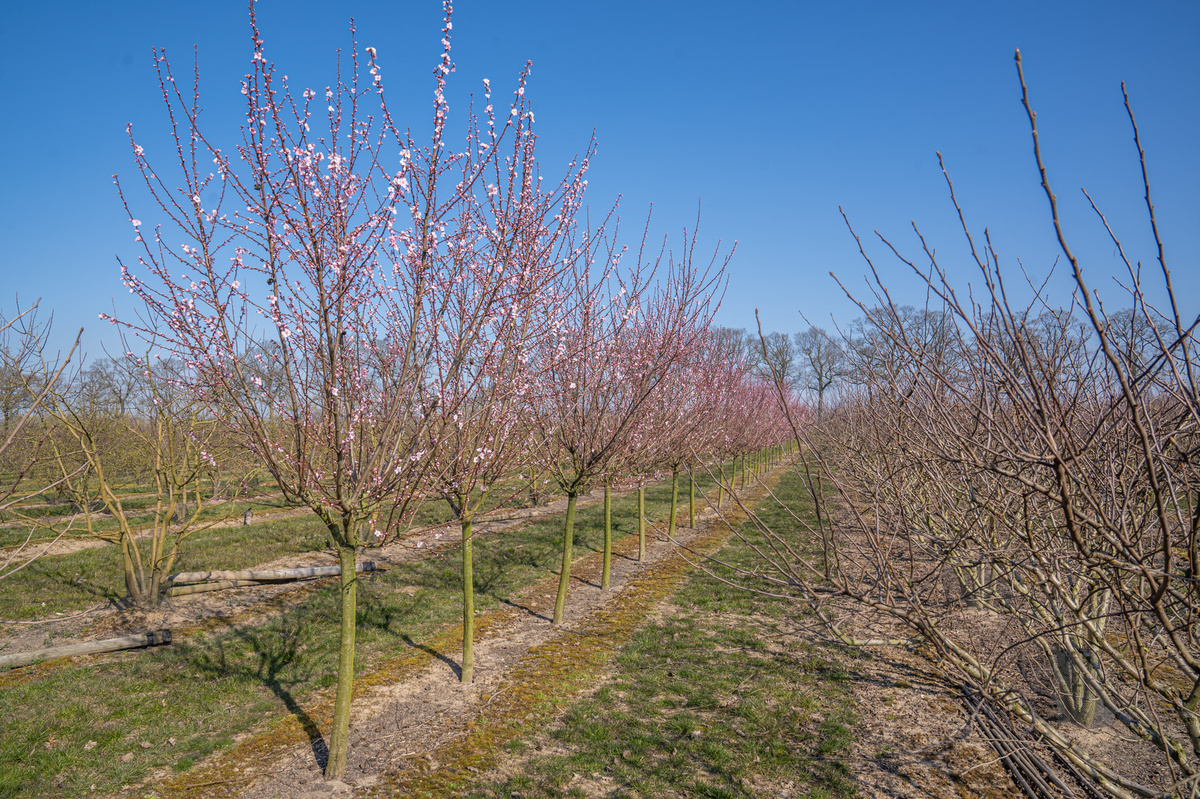
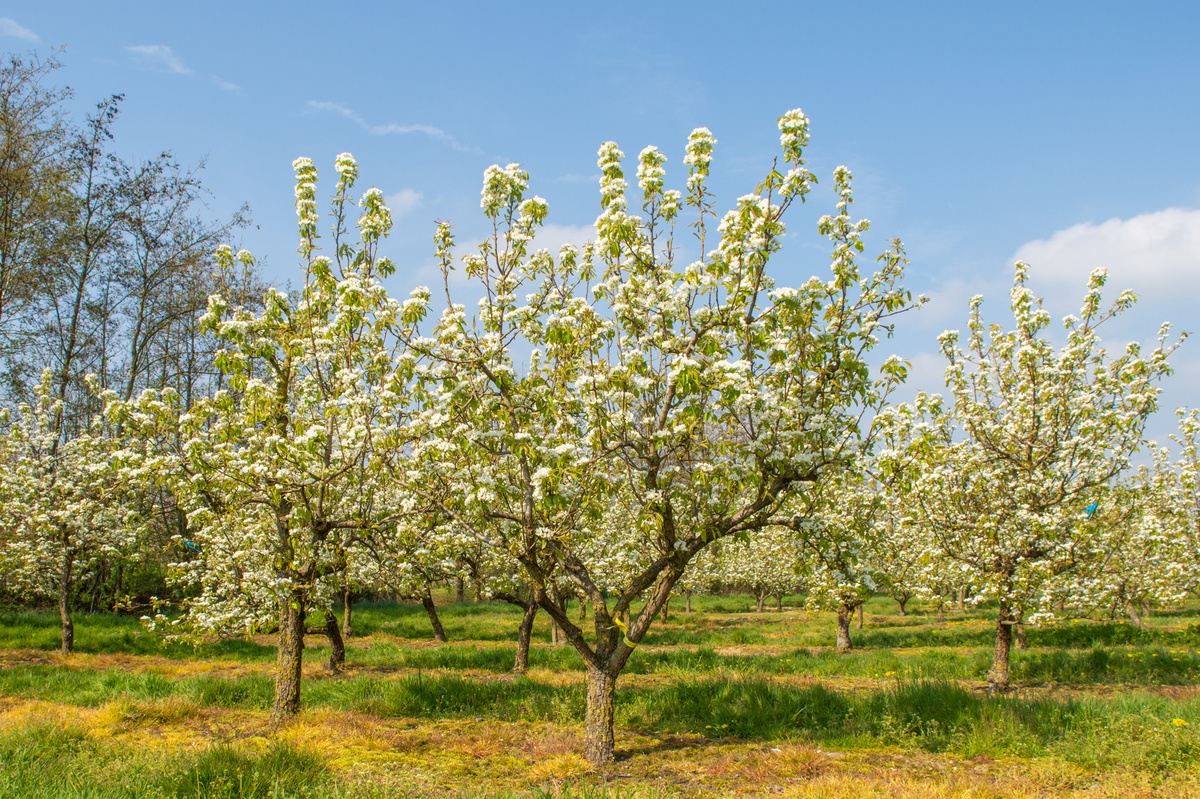
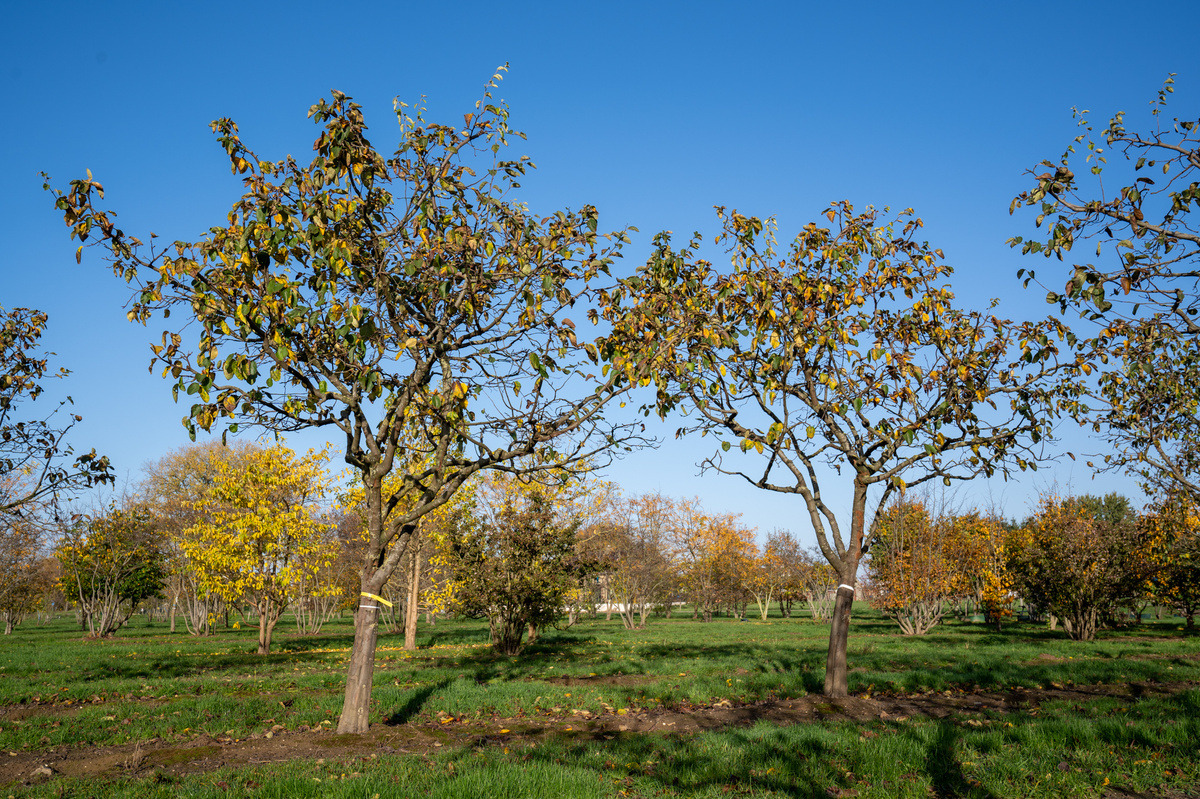
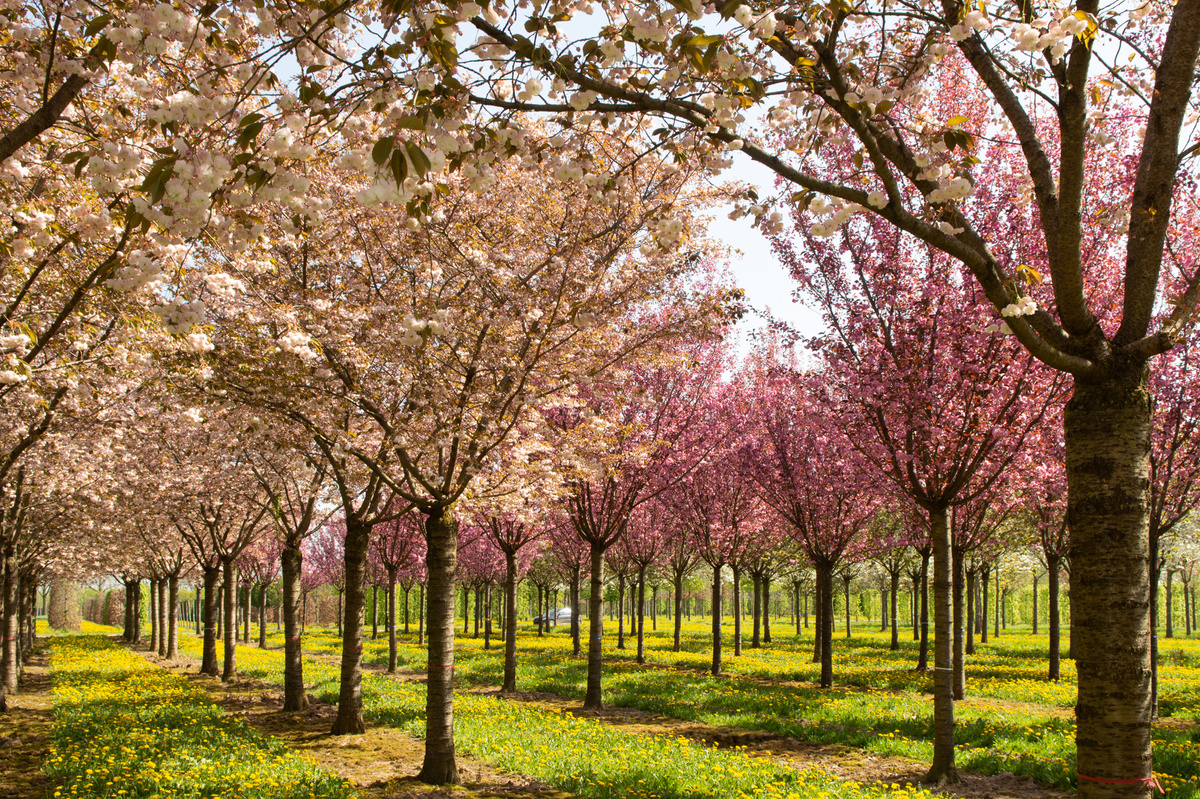
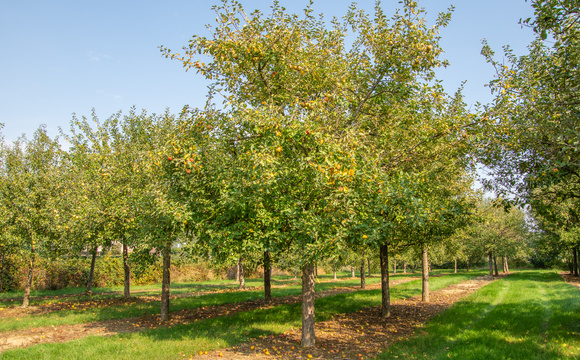
Fruit trees include well-known varieties such as Malus domestica (apple), Pyrus communis (pear) and Prunus (cherry), as well as less common fruits like Hippophae (sea buckthorn), Cornus mas (cornelian cherry) and Asimina triloba (pawpaw). They are primarily planted for fruit harvest, but also provide a valuable food source for birds, small mammals and insects, offering both fruit and nectar from their blossoms.

There are also fruit trees selected specifically for their ornamental value, for example because of striking blossoms or decorative fruits. These fruits are often less suitable for human consumption but are eagerly eaten by wildlife. Ornamental apples are a well-known example: their brightly coloured fruits contrast beautifully with autumn foliage, creating a vibrant focal point in gardens and landscapes.

Hedge Plants

Hedge Plants

Hedge plants provide the perfect foundation for structure and privacy in gardens and landscapes. They are available in a wide range of species and sizes, from low, decorative hedges to tall, screening barriers. With hedge plants, you can clearly define shapes, lines and spaces while maintaining a natural appearance.

Beyond their aesthetic value, hedge plants also offer practical benefits. They act as windbreaks, noise buffers and shelter for birds and other wildlife. Many species are evergreen, providing year-round privacy and colour. By choosing the right species and pruning method, hedges can be suited to a variety of applications, from formal gardens and parks to informal, natural landscapes.

Learn more about hedge plants
Shrubs

Shrubs

Shrubs are versatile plants that add both decorative and functional value to gardens and landscapes. They come in a wide variety of species, shapes and heights, ranging from compact flowering shrubs to larger, multi-stemmed specimens. Shrubs can be planted as standalone features to catch the eye or in groups to form natural hedges, borders or green screens.

Beyond their ornamental appeal, shrubs also provide important ecological benefits. They offer shelter and food for birds, insects and small mammals. By selecting the right species, shrubs can provide seasonal colour, fragrance and texture, making them a valuable addition to any garden design or landscaping project.

Learn more about shrubs
Perennials

Perennials

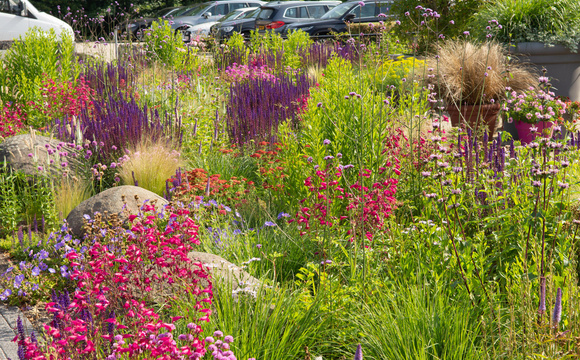
Perennials are durable and versatile plants that return year after year, making them ideal for borders, gardens and landscaping projects. They vary in height, colour and flowering period, continuously adding structure, movement and seasonal interest to a design.

Perennials are also functional, supporting biodiversity by providing food and shelter for insects, birds and other small wildlife. By combining different species and flowering times, a continuous palette of blooms and a varied garden composition can be achieved. They are suitable for both ornamental gardens and natural, low-maintenance landscapes, forming an essential foundation for a vibrant and attractive green space.

Learn more about perennials
Flower bulbs

Flower bulbs

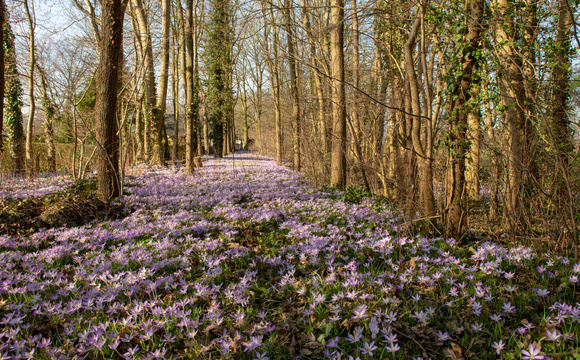
Flower bulbs are a colorful and versatile way to brighten up any garden or landscape design. Planted for spectacular seasonal blooms, they create striking accents in borders, lawns, flowerbeds and public spaces.

Beyond their ornamental appeal, bulbs support biodiversity by providing nectar and pollen for bees, butterflies and other pollinators, serving as an important food source in early spring. With a diverse range of species, colours and flowering times, you can create a continuous display of blooms, making your garden or green project a fresh and vibrant experience year after year.

Learn more about flower bulbs

Sign up for our newsletter

×
Cookie settings

We use cookies when offering electronic services. A cookie is a small, simple file that is sent with the pages of this website and stored on the hard disk of your computer by your browser. This allows us to combine various requests for pages on the website and analyse users’ behaviour, for example. You can indicate which cookies you wish to accept using the settings below. Bear in mind that not accepting cookies will mean that part of the functionality of this website may not be available. You can find more information about the use of data and the various cookies in our privacy and cookie declaration.