


+
Betula nigra HERITAGE

Betula nigra HERITAGE

HERITAGE River Birch

synonym Betula nigra 'Cully'

Description

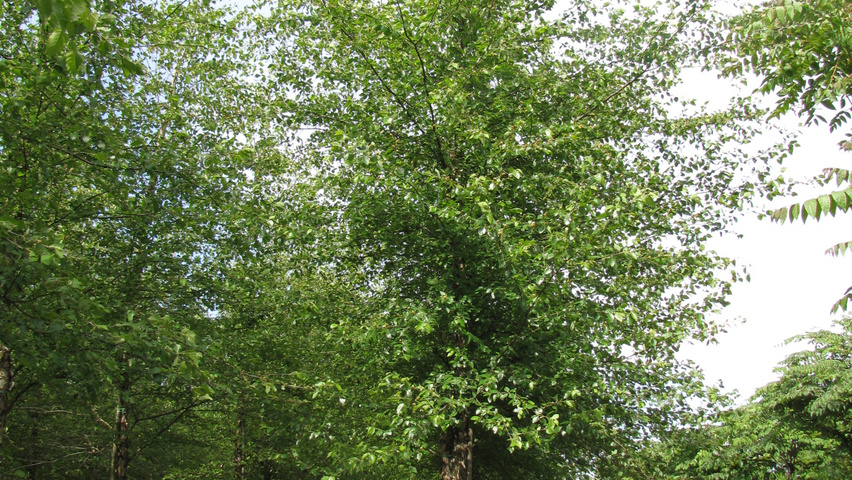
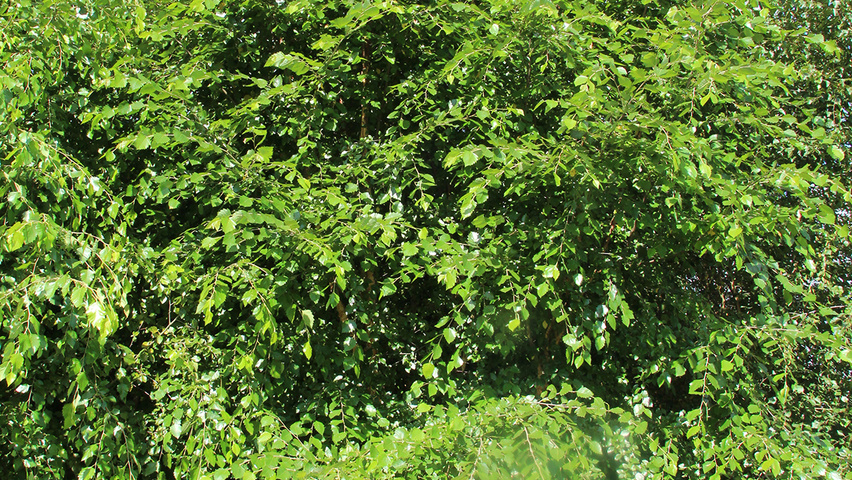
Betula nigra ‘HERITAGE’ is a selected cultivar of Betula nigra, discovered in 1970 by nurseryman Earl Cully in a suburb of St. Louis, Missouri, United States, and introduced in 1979 under plant patent number 4409. The tree can grow to approximately ten to fifteen meters in height and six to ten meters in width. The crown starts out pyramidal and gradually develops into a broadly ovate, more open, semi-open crown with gracefully drooping branches.

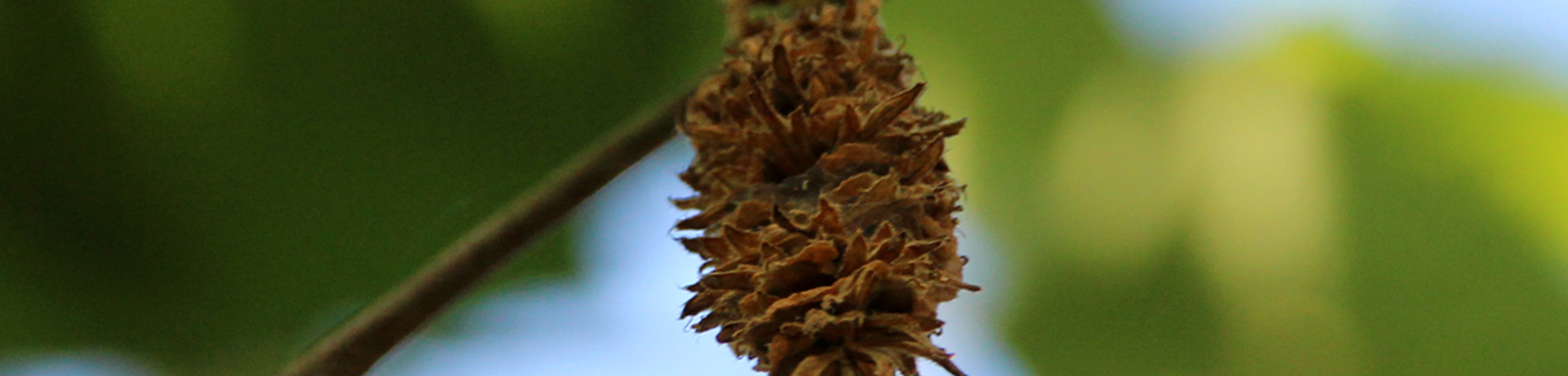
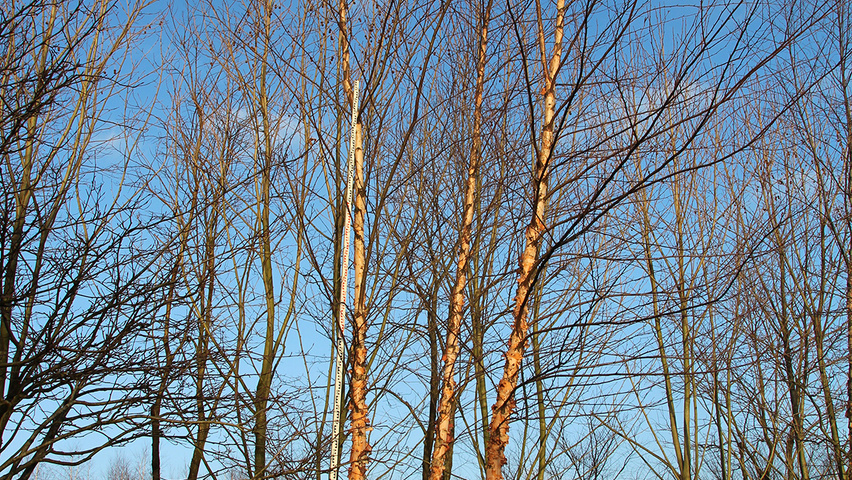
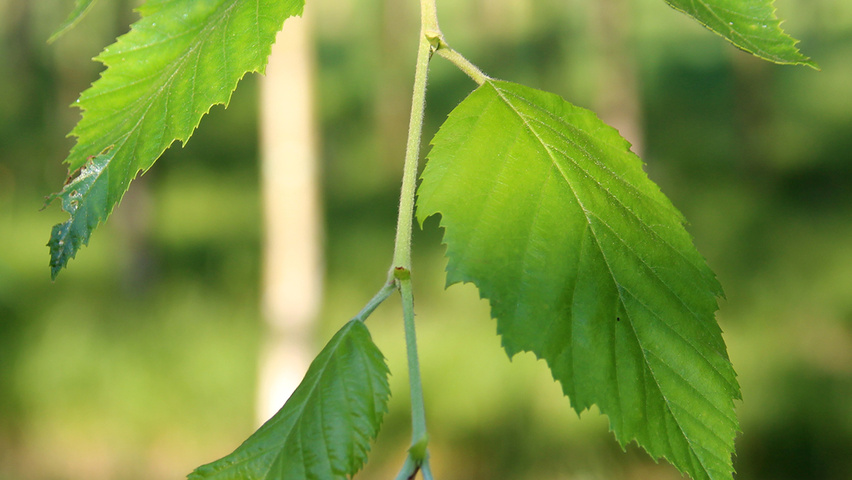
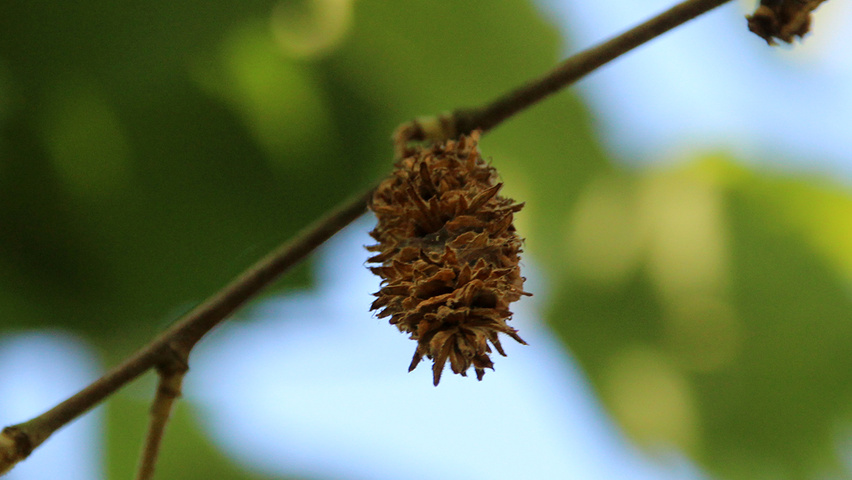
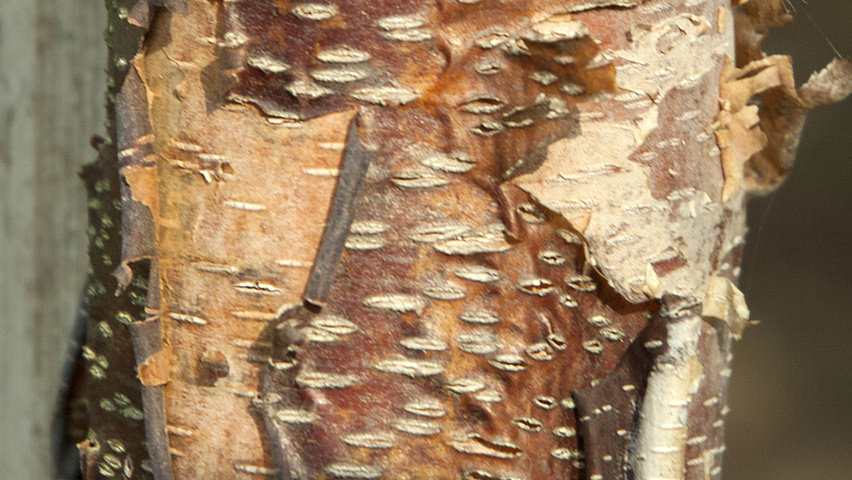
The bark is one of its most striking features. On young trees it is creamy white; with age, it exfoliates in curling plates that change color from reddish pink and cinnamon brown to a lighter cream white. The diamond to ovate shaped leaves are slightly larger and greener than those of the species. In autumn, they turn a bright yellow, creating an attractive contrast with the fine reddish brown twigs. ‘HERITAGE’ flowers abundantly in early spring with yellow green catkins. The male catkins are pendulous, while the female catkins are upright. The fruits mature in late spring and also hang in catkins.

River birch ‘HERITAGE’ retains its decorative bark for a long time and performs very well in warmer climates, while also being fully winter hardy. This cultivar grows best on moist to wet soils such as riverbanks and marshy areas, but once established it can tolerate moderately dry conditions. Heavy clay soils and soils with very high lime content are best avoided. Semi-paved conditions and wind are well tolerated, and this selection shows better resistance to the bronze birch borer than the species. Betula nigra ‘HERITAGE’ is an excellent choice for use in tree planters, broad green strips, parks, and large gardens, where this strong and ornamental tree provides year-round ornamental value.

Types of planting

Tree types

standard trees feathered trees multi-stemmed trees characteristic trees

Topiary on stem

fval multi-stem umbrella

Use

Location

street avenue park central reservation roof garden large garden cemetery bioswale

Pavement

none none open open

Characteristics

Crown shape

egg-shaped egg-shaped

Crown structure

semi-open semi-open

Height

10 - 15 m

Width

6 - 10 m

Winter hardiness zone

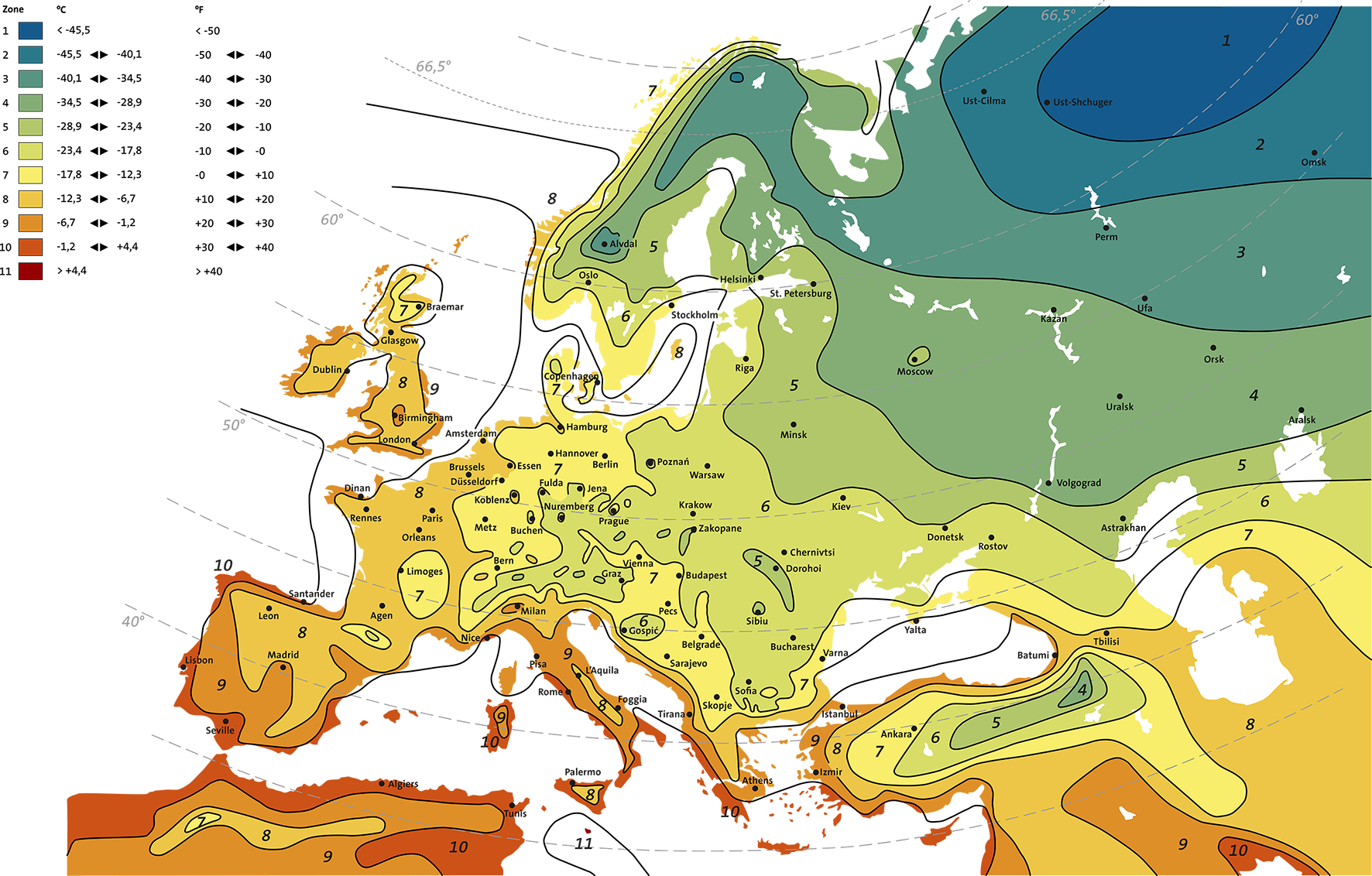
4A - 9B

Aspects

Wind

tolerant to wind

Soil

loess sabulous clay light clay sand loamy soil

Nutrient level

low in nutrients moderately rich in nutrients rich in nutrients

Soil moisture level

dry moist

Light requirements

sun partial shade

pH range

acidic neutral

Host plant/forage plant

butterflies

Extreme environments

tolerates air pollution tolerates heat tolerant to short-term flooding

Get to know Ebben Nurseries

Visit our nurseries with multi-stem trees, climbing trees, trees for avenues and parks characteristic trees and solitary shrubs.

Make an appointment

Place order or further information?

Order this plant? Or would you like further information about Betula nigra HERITAGE? Make an appointment for a detailed planting recommendation.
Call +31(0) 485 31 20 21 or email one of our advisors directly.
Our planting advisors

Photos

Magnify

Seasonal colours

Betula nigra HERITAGE seizoenskleur
Jan Feb Mar Apr May Jun Jul Aug Sep Oct Nov Dec

Flowers

Flowers

catkins pendulous

Flower colour

golden yellow

Flowering period

April

Leaves

Leaf colour

green

Leaves

deciduous ovate polished serrate dentate

Autumn colour

yellow

Fruits

Fruit colour

yellow-brown

Fruits

striking catkins

Bark

Bark colour

cream red-brown

Bark

peeling

Twigs

Twig colour

red-brown

Twigs

bare pendulous

Root system

Root system

shallow slightly branched many hair roots

For and by green professionals

The TreeEbb is a platform for and by green professionals, in which we collect knowledge and experience from the sector and make this available for users. All the details and photos are free to use for non-commercial purposes. Want to share your tree knowledge? Send photographs and additional information to treeebb@ebben.nl

Contact
Show filters Hide filters
Show comparison
View mood board
TreeEbb

TreeEbb

Geographic location
Winter hardiness zone
OK
Coastal area
OK
Use
Location
OK
Pavement
OK
Host plant/forage plant
OK
Planting concepts
OK
Types of planting
Tree types
OK
Multi-stemmed trees
OK
Crown structure
OK
Crown shape
OK
Topiary on stem
OK
Topiary
OK
Height
m
-
m
OK
Width
m
-
m
OK
Aspects
Wind
OK
Soil
OK
Nutrient level
OK
Soil moisture level
OK
Light requirements
OK
PH range
OK
Extreme environments
OK
Stage of succession
OK
Plant characteristics
Flowering period
January
-
December
OK
Flower colour
OK
Leaf colour
OK
Autumn colour
OK
Fruit colour
OK
Bark colour
OK
Special features
OK
English
View mood board
Show comparison
Your selection:

Sign up for our newsletter

×
Cookie settings

We use cookies when offering electronic services. A cookie is a small, simple file that is sent with the pages of this website and stored on the hard disk of your computer by your browser. This allows us to combine various requests for pages on the website and analyse users’ behaviour, for example. You can indicate which cookies you wish to accept using the settings below. Bear in mind that not accepting cookies will mean that part of the functionality of this website may not be available. You can find more information about the use of data and the various cookies in our privacy and cookie declaration.