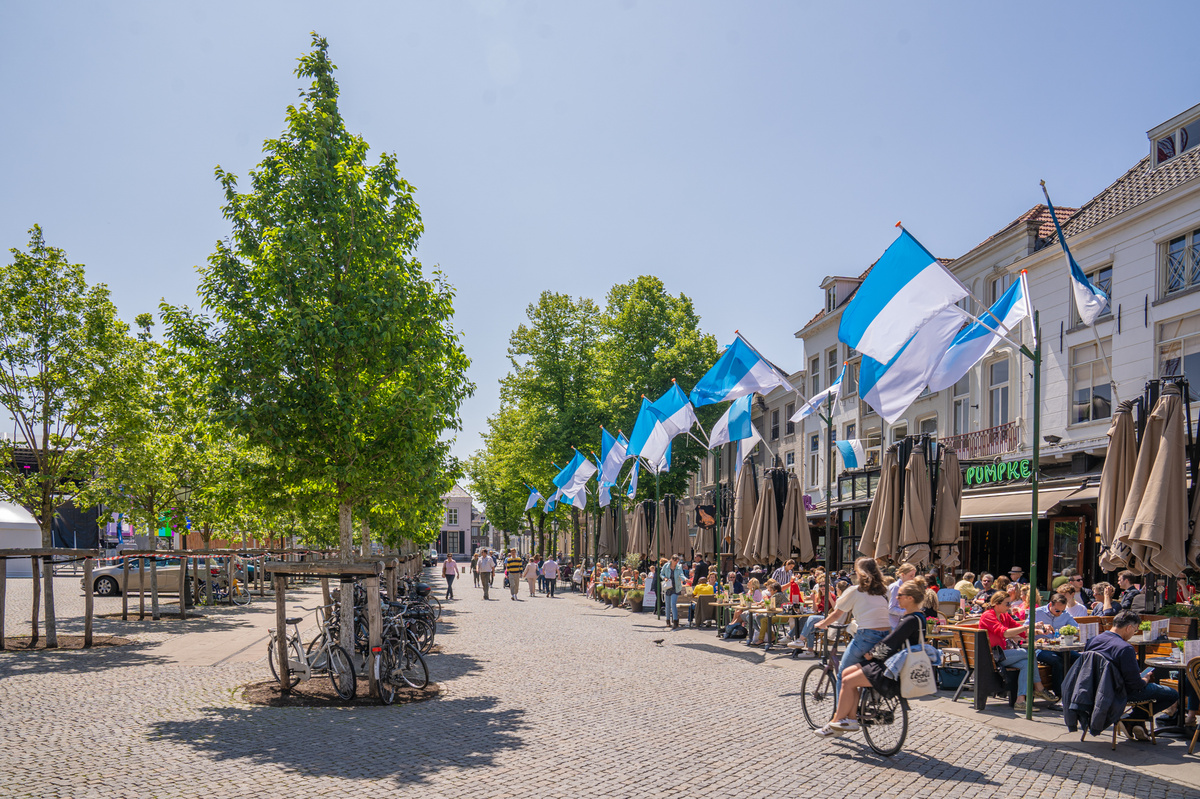
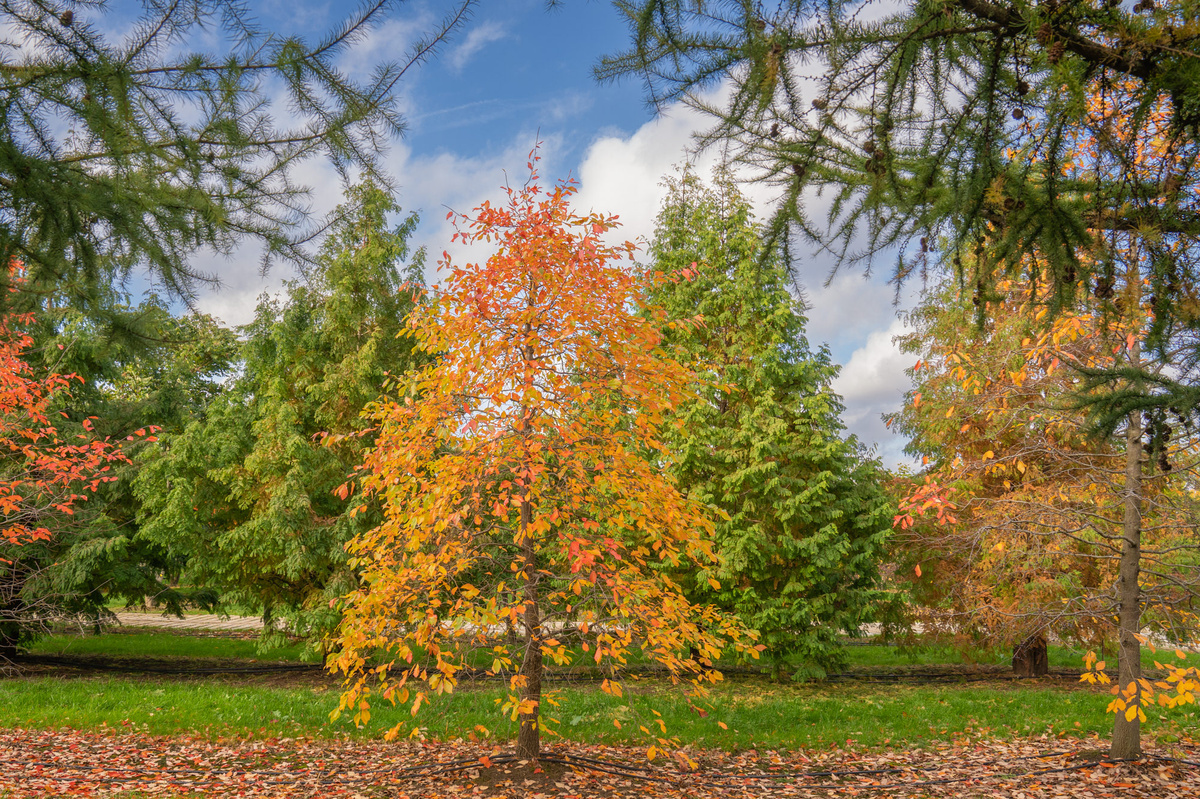
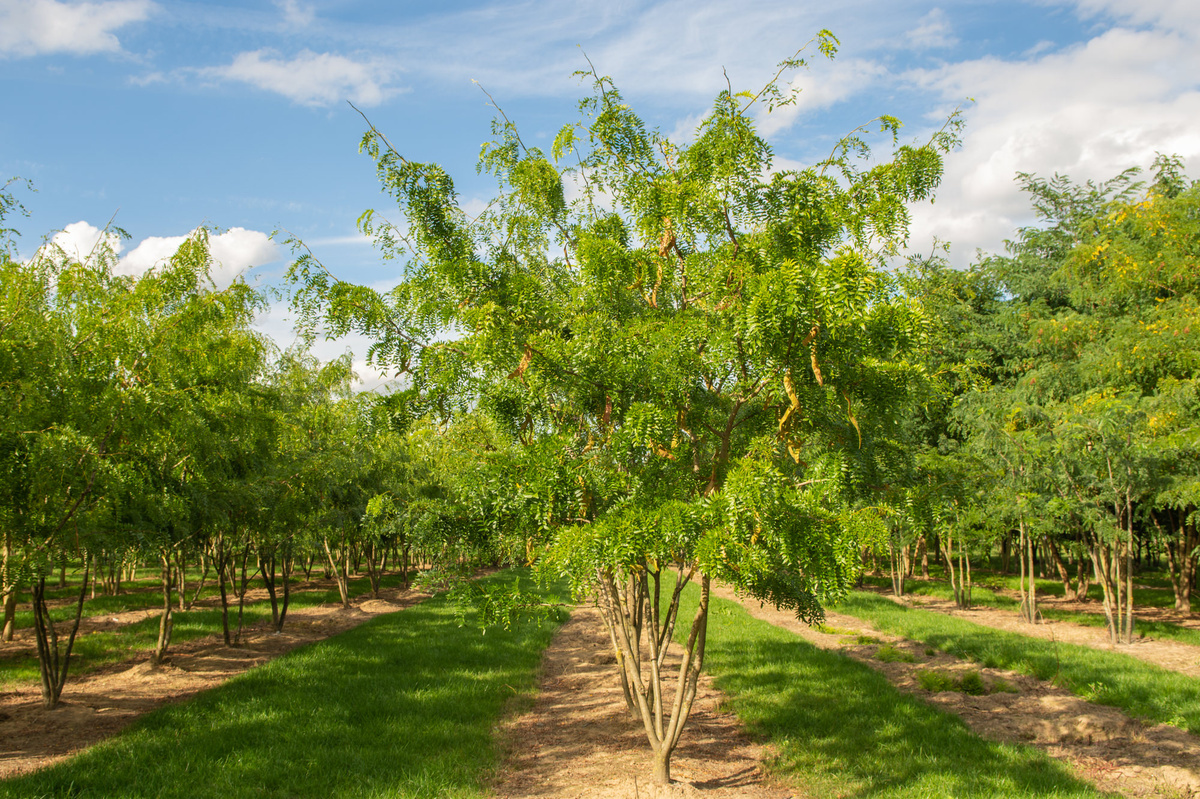
Climate trees are tree species that are better equipped to cope with the challenges of a changing climate, including prolonged drought, urban heat stress and extreme rainfall. Increasingly, these trees are being incorporated into both public landscapes and private gardens, valued for their resilience, durability and ability to positively influence the local microclimate.
- About Ebben
- Solutions
- Range
- Projects
- Knowledge Base
Climate Trees: the right tree for a climate-resilient environment
Climate trees for a changing climate
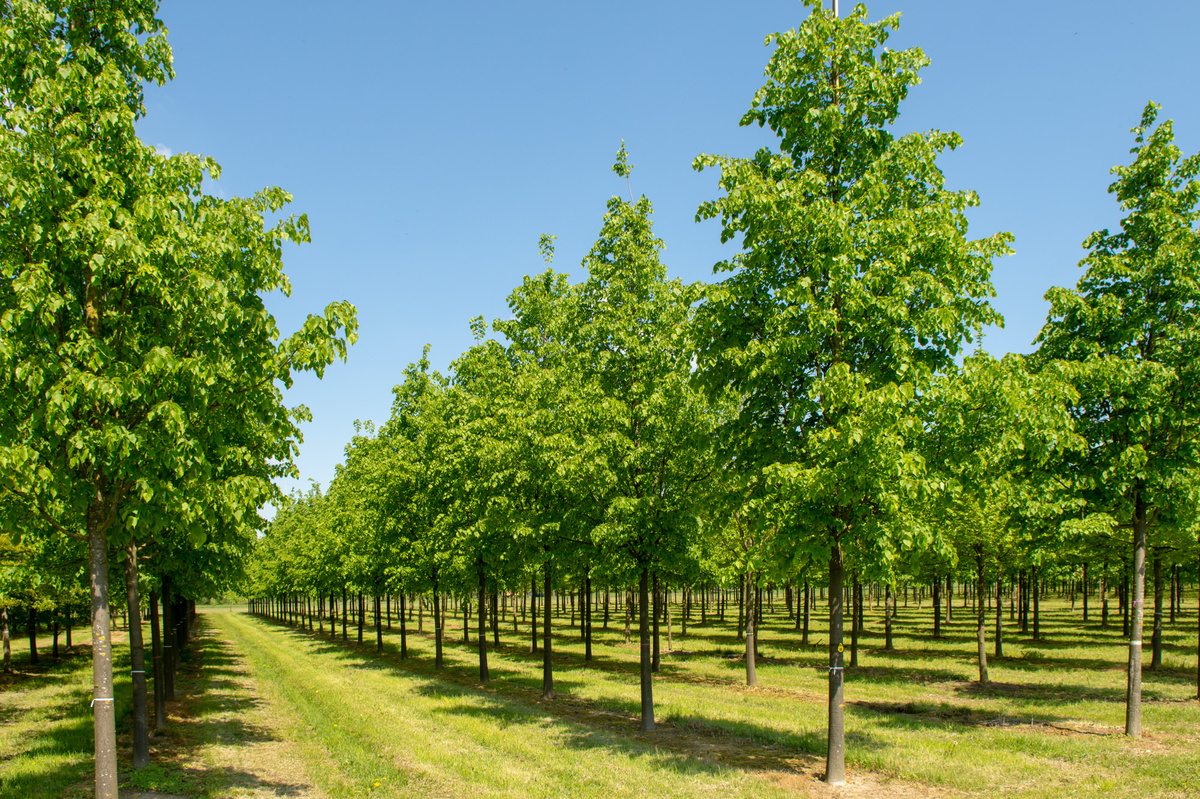
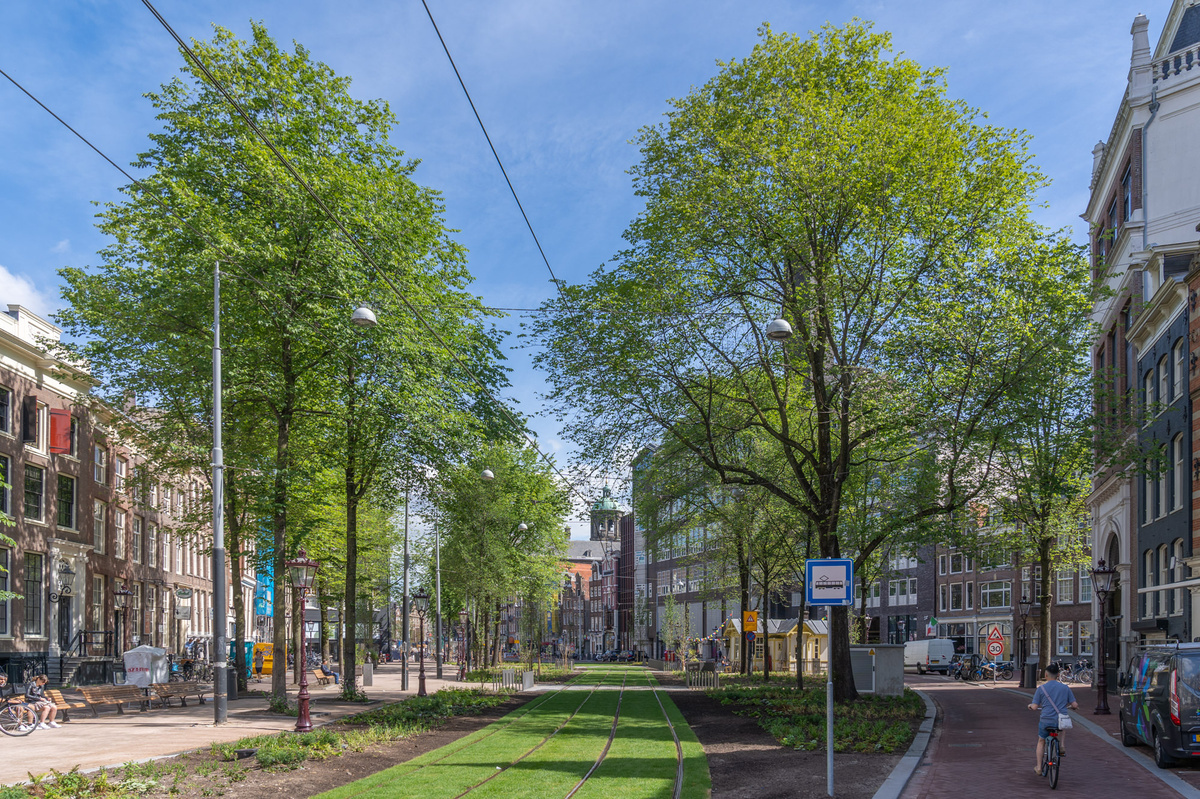
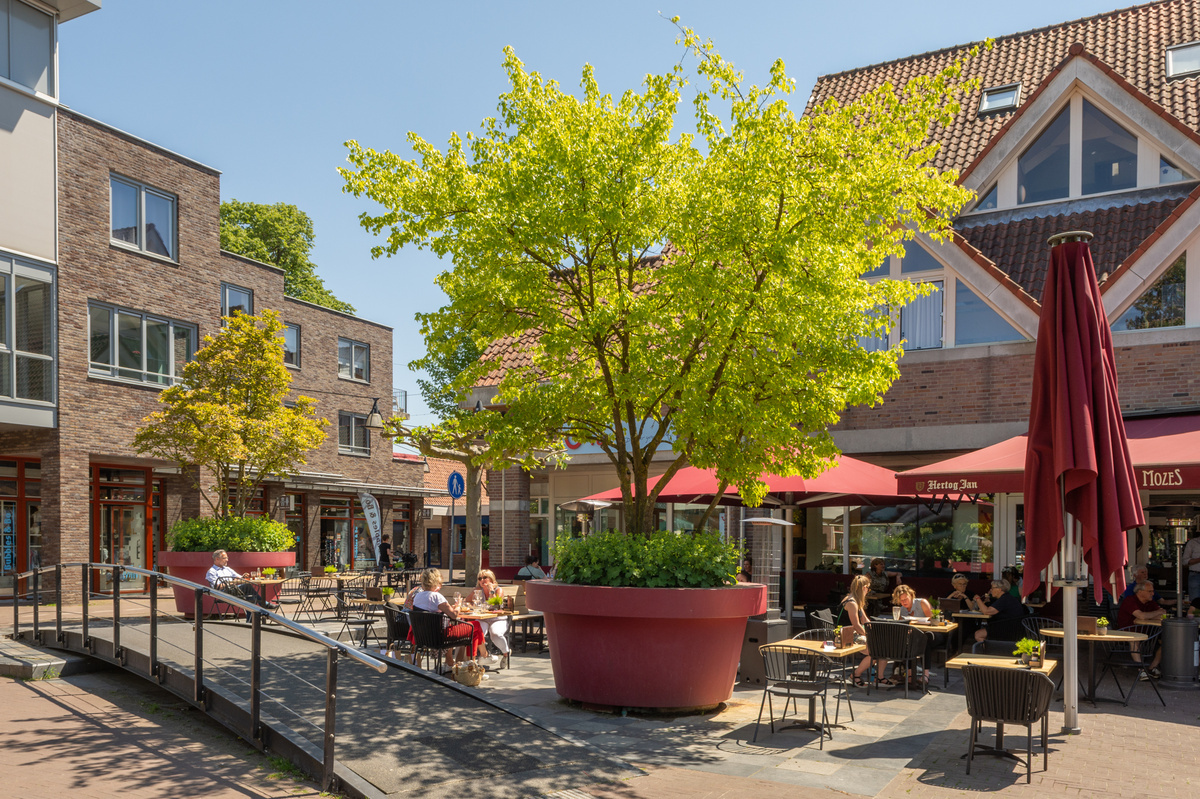
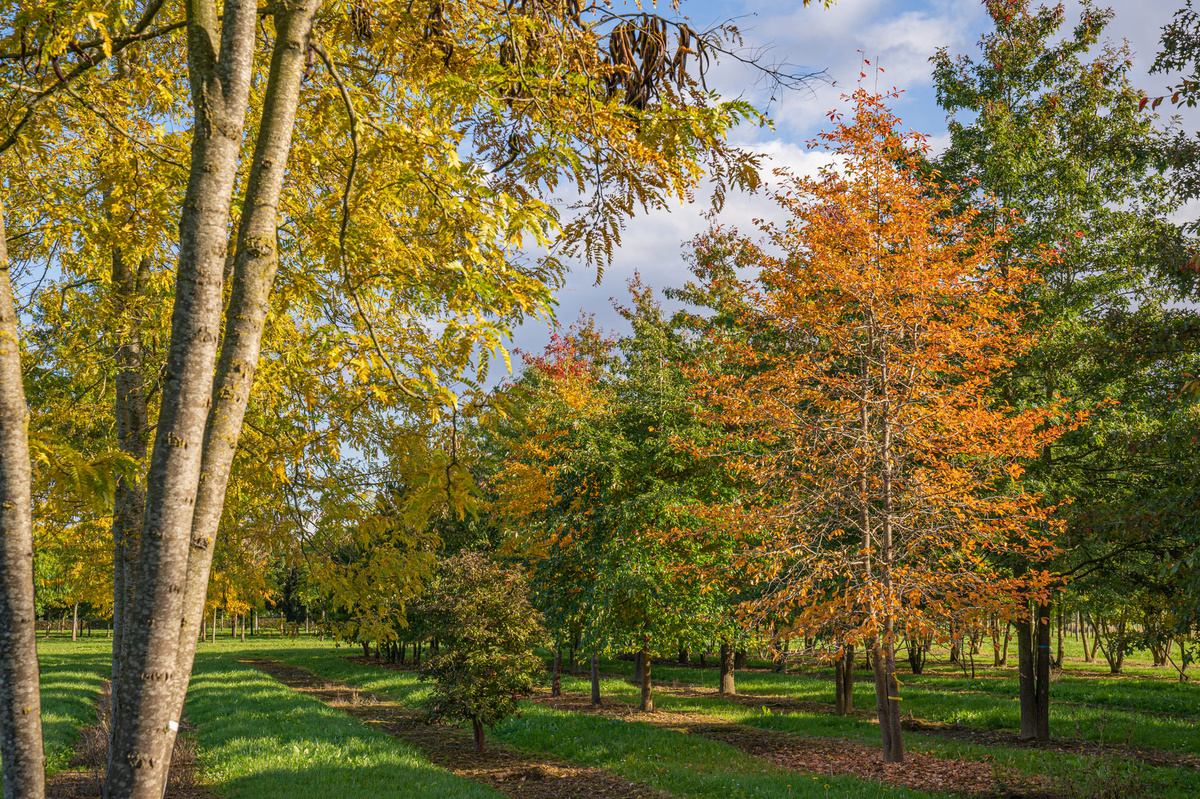
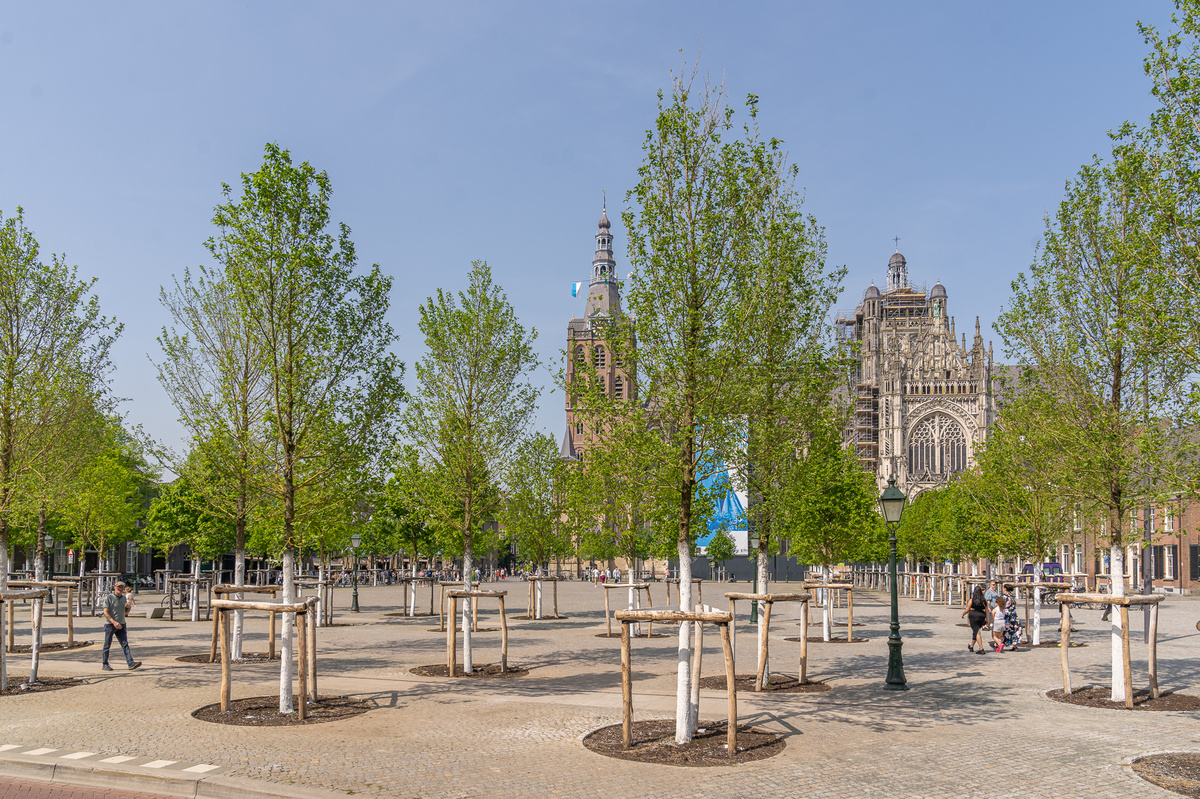
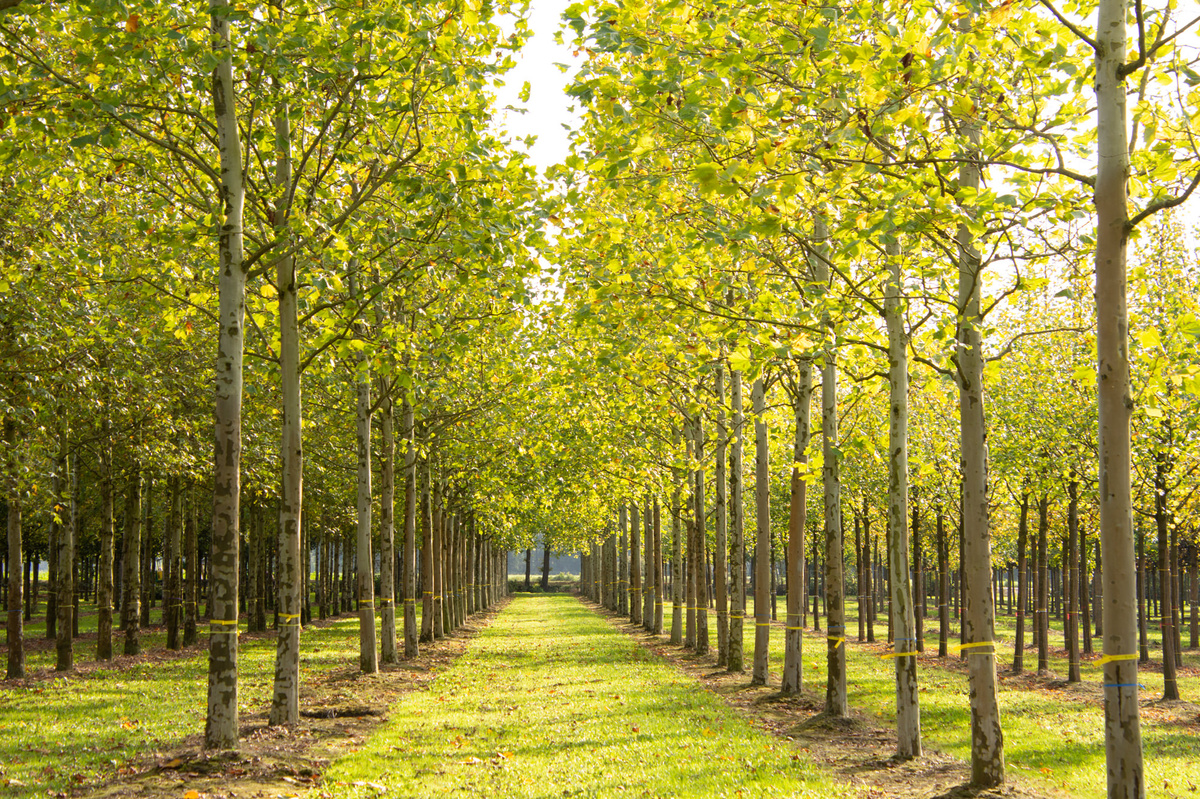
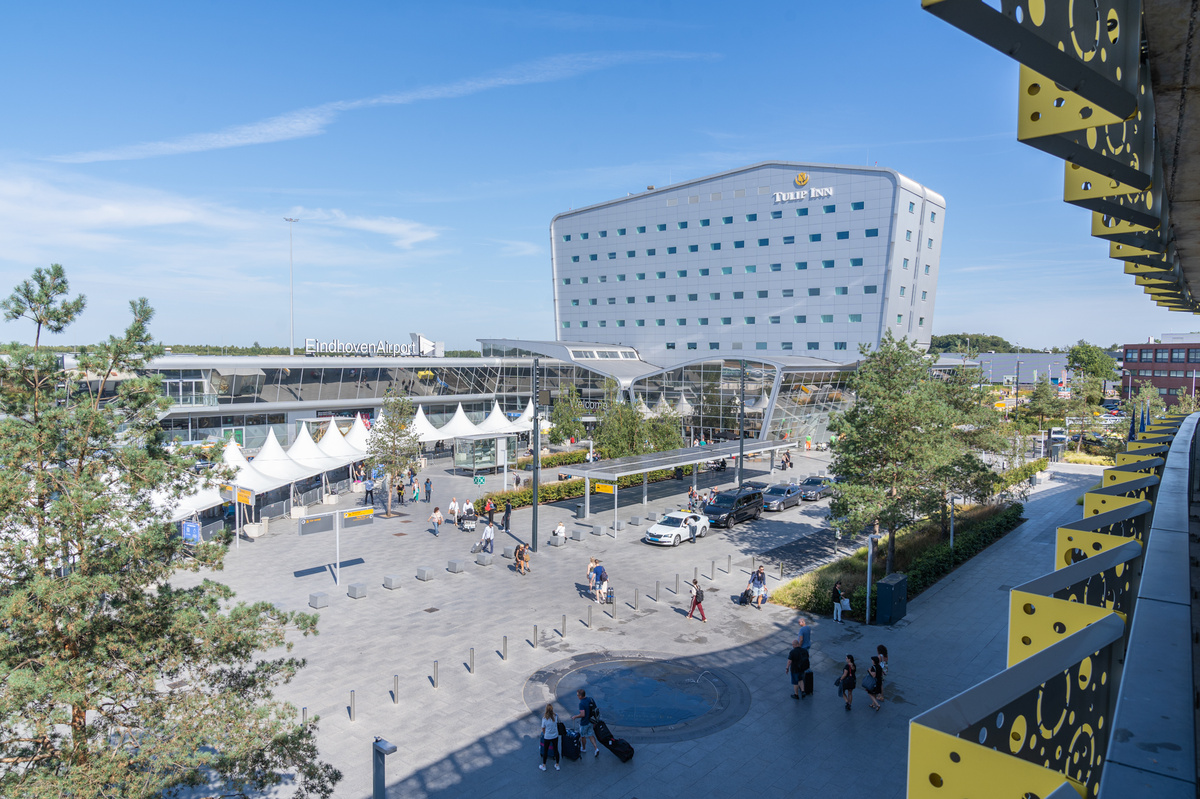
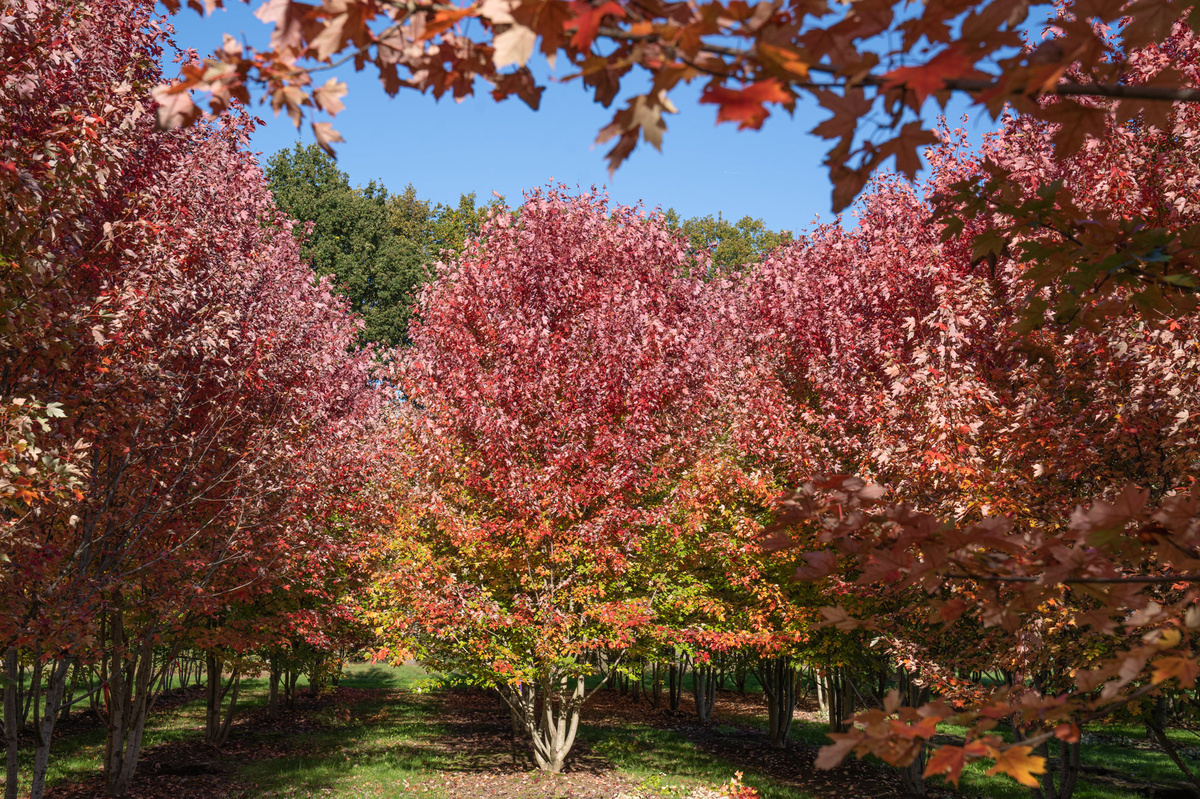
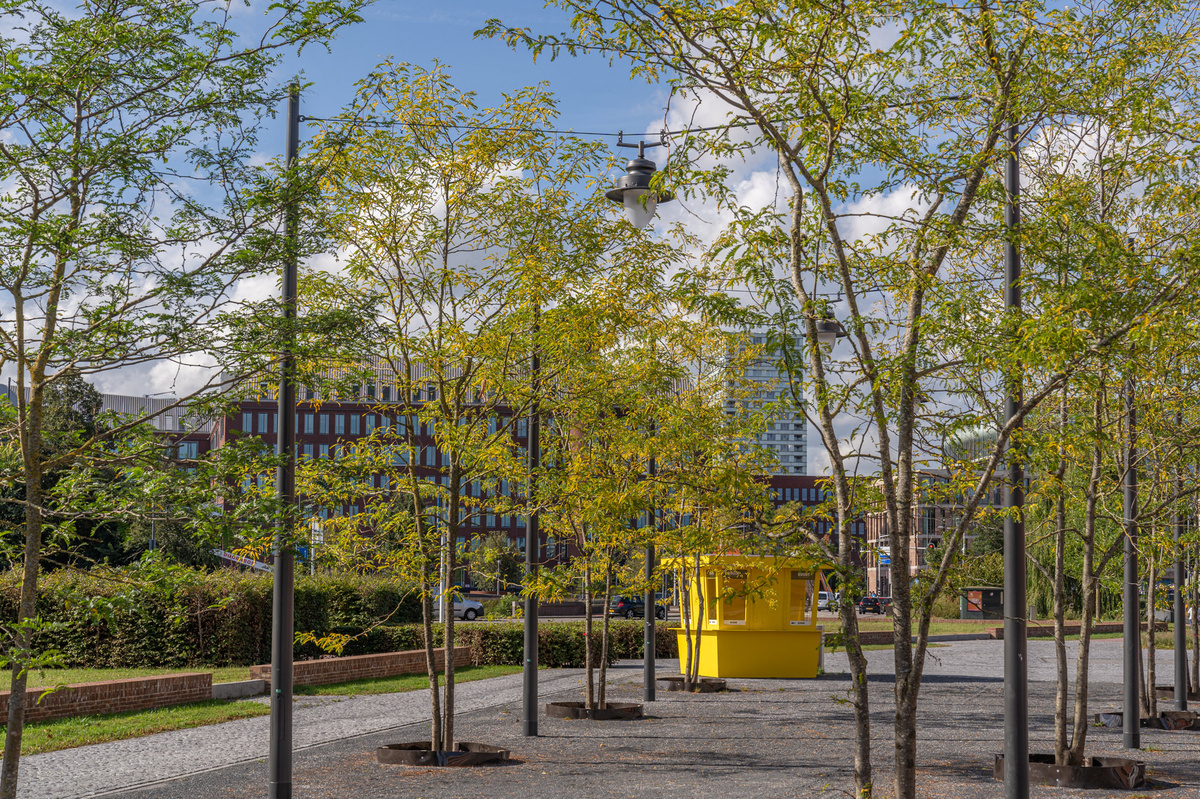
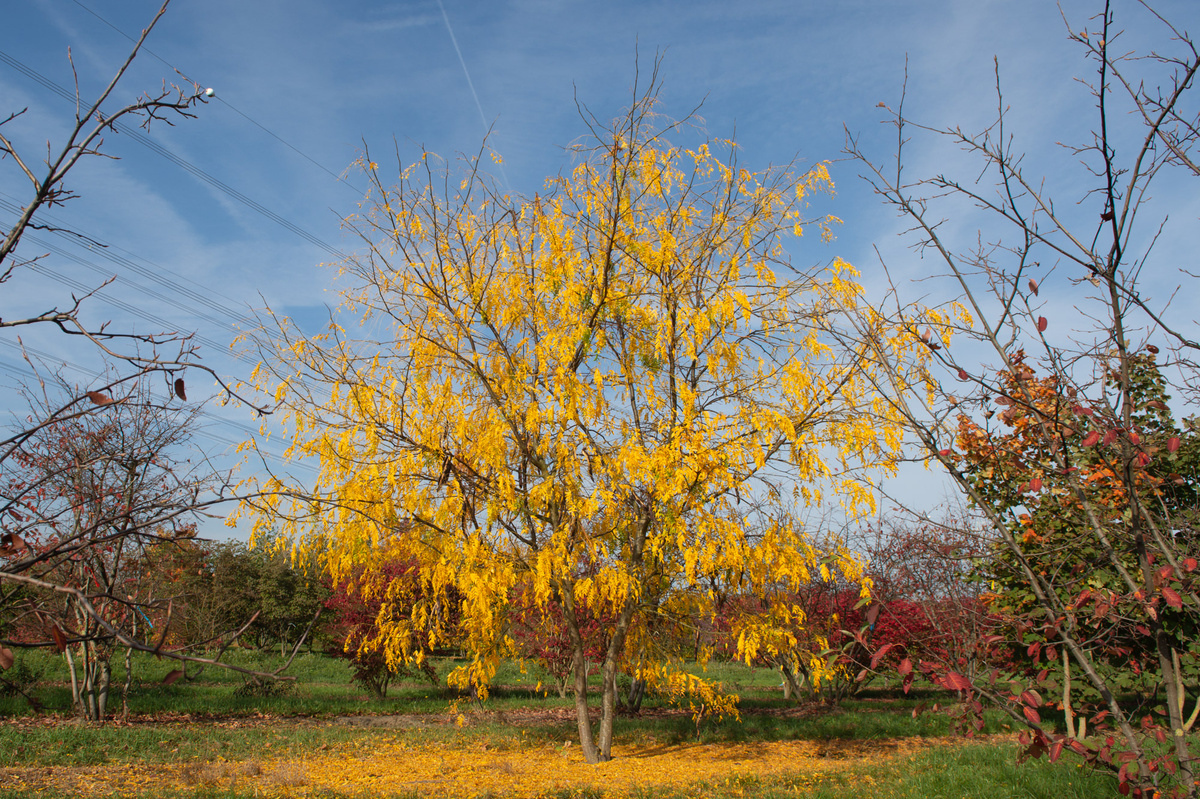
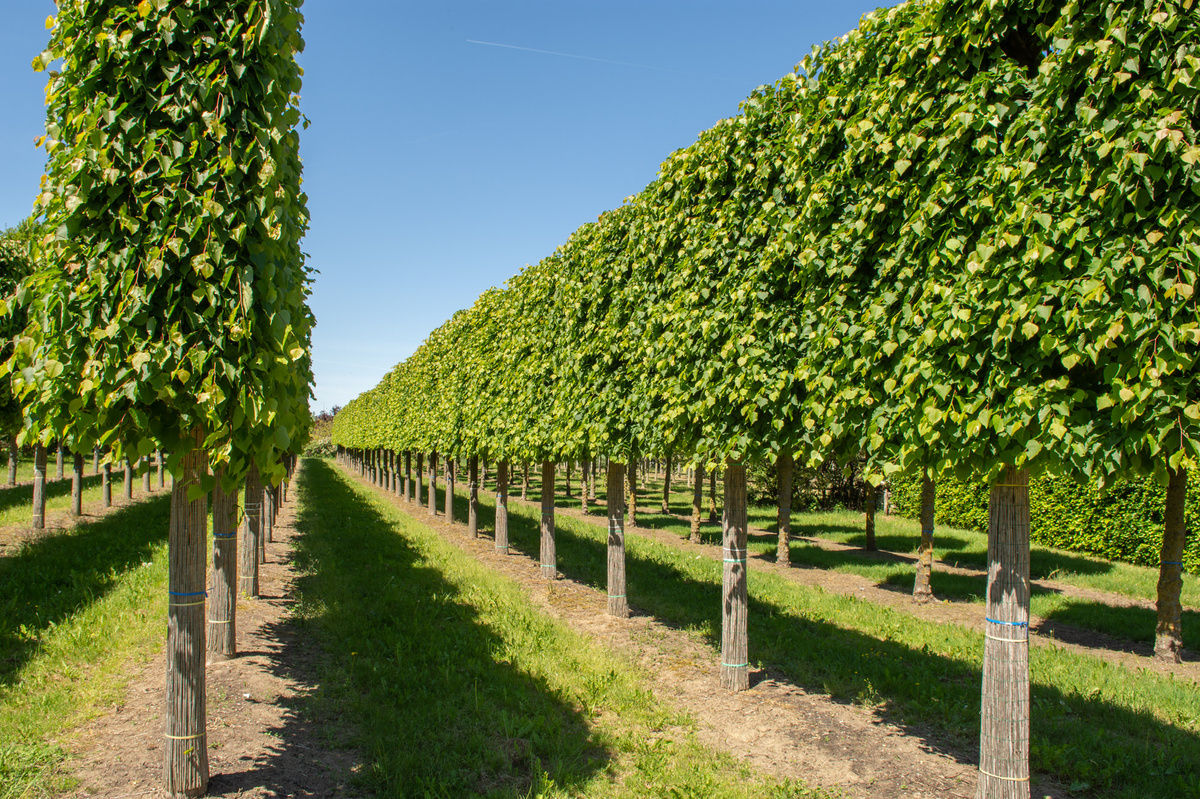
What are climate trees?
Climate trees are carefully selected for characteristics that enable them to thrive in demanding conditions such as:
- Heat and drought, as well as low temperatures;
- Waterlogging and fluctuating water levels caused by heavy rainfall and saturated soils;
- Air pollution and de-icing salts;
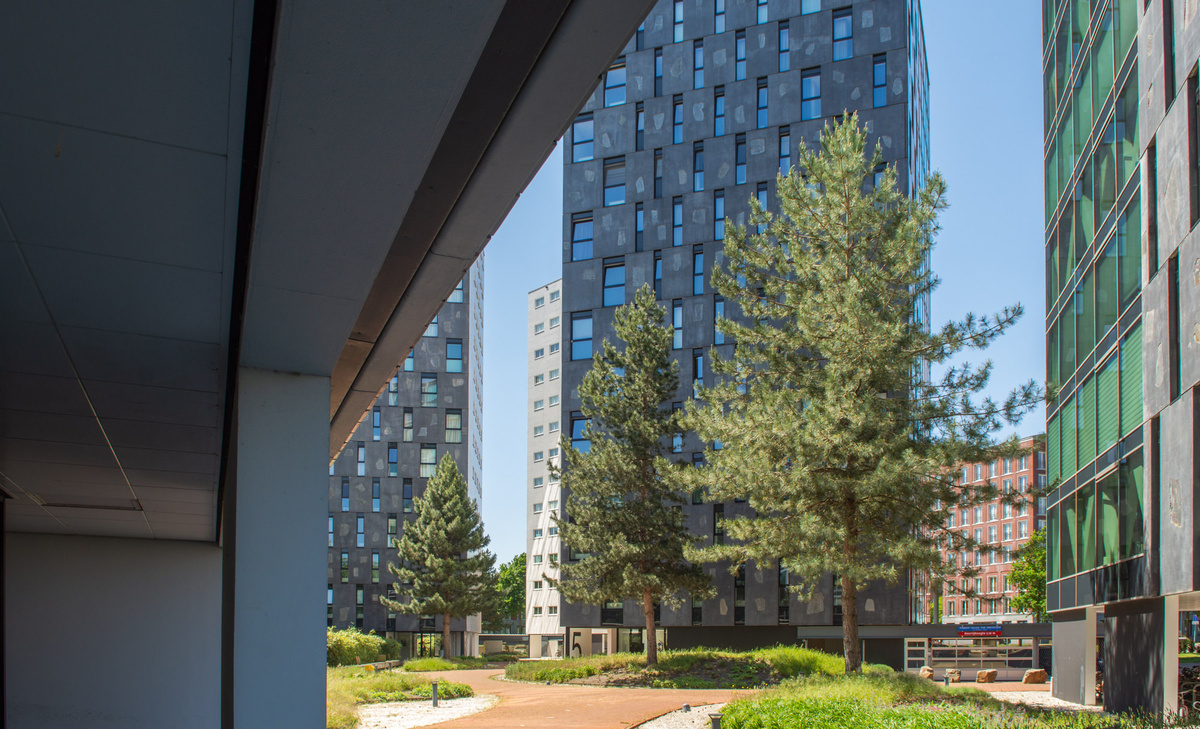
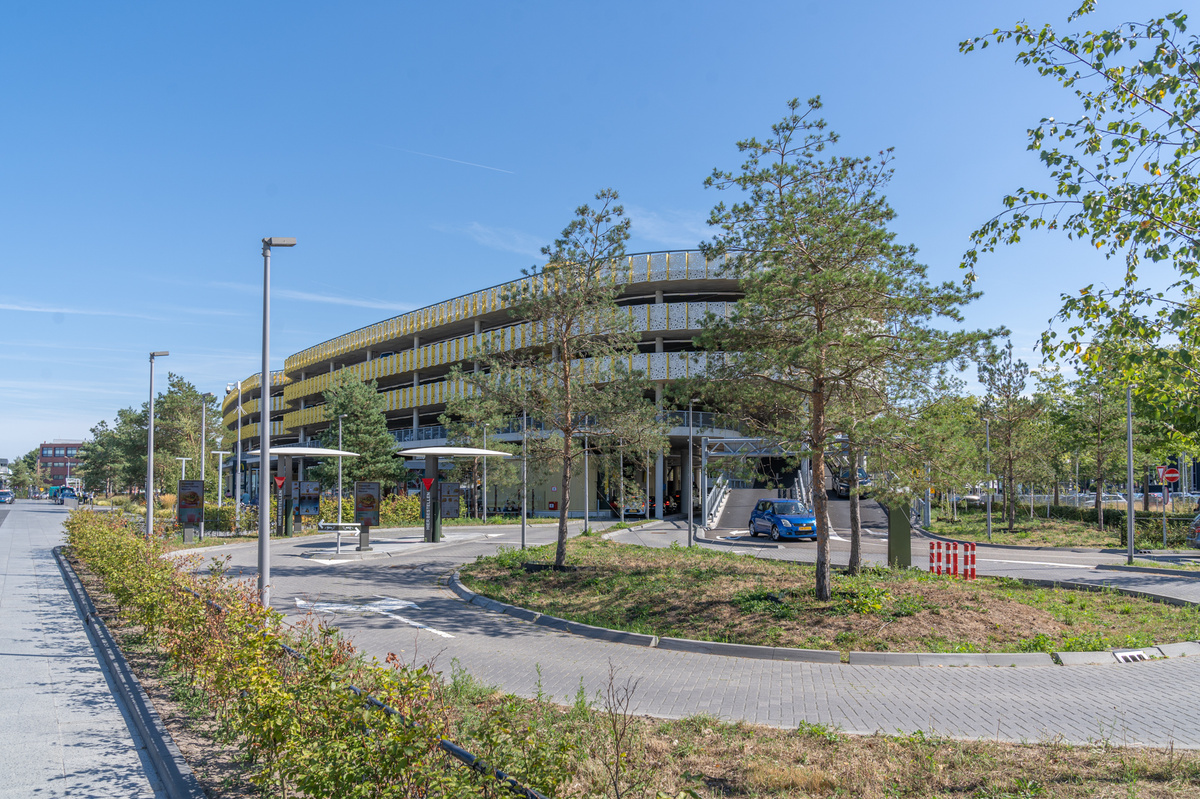
- Urban conditions such as paving and increased UV exposure caused by reflective building surfaces.
Want to find the right climate tree straight away?
Use our TreeEbb tool to select the perfect range.
To the TreeEbbThe ecosystem benefits of climate trees
Healthy climate trees provide a wide range of environmental and social benefits:
✓ Air purification: filtering fine particulate matter, nitrogen oxides, VOCs and ozone, while converting CO₂ into oxygen.
✓ Rainwater management: intercepting rainfall and slowing run-off into drainage systems, reducing peak pressure during heavy storms and improving water infiltration into the soil.
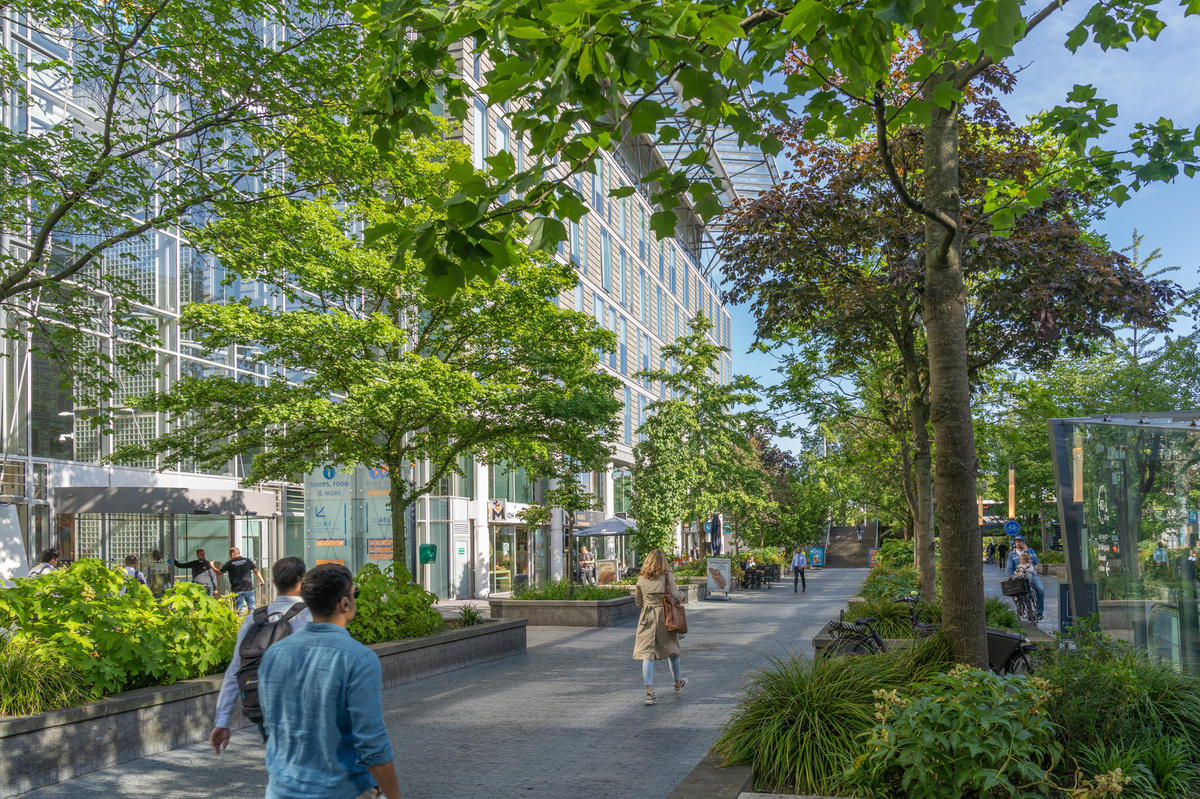
✓ Cooling effect: providing shade and evapotranspiration, significantly lowering temperatures in urban areas.
✓ Biodiversity support: offering food, shelter and nesting opportunities for insects, birds, small mammals and mosses.
✓ Social value: greener environments enhance wellbeing, encourage social interaction and create natural spaces for play and exploration.
✓ Noise reduction: absorbing and dispersing sound waves, contributing to a calmer and more pleasant living environment.
Unhealthy trees provide fewer ecosystem services, which is why selecting robust, healthy species is essential.
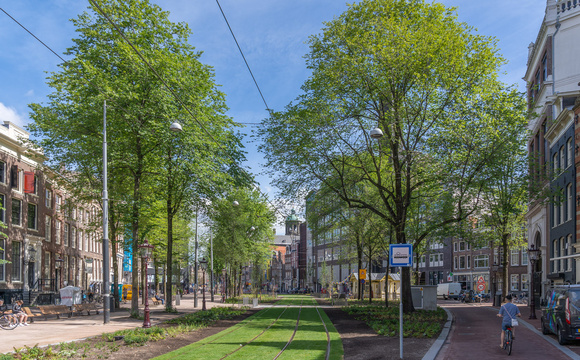
Climate trees and ecology: native versus non-native species
Only a limited number of native tree species are expected to withstand future urban climate conditions. For this reason, it is often beneficial to include southern European or non-native species that are closely related to local flora and still support native wildlife. A balanced mix of native and non-native trees helps create landscapes that are both biodiverse and future-proof.
Research into resilient tree species
Tree Nursery Ebben works closely with Wageningen University & Research as part of the CSI Trees research programme, which investigates which tree species perform most robustly under future climate conditions. The research supports the selection of trees that can withstand heat, drought, waterlogging and the pressures of urban environments.
Read more about CSI Trees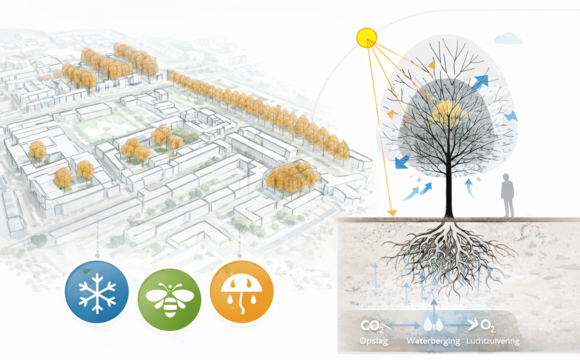
Data-driven insights: i-Tree 2.0
Between 2020 and 2025, Tree Nursery Ebben was a partner in the i-Tree 2.0-NL research programme, examining how different tree species contribute to:
- Urban cooling
- Biodiversity
- Climate adaptation in Dutch cities
The findings have been incorporated into the i-Tree software platform, providing municipalities and green professionals with valuable insight into ecosystem services such as carbon storage, rainwater retention and air purification.

Find the perfect climate tree
With our online tree selection tool, TreeEbb, you can easily identify the ideal climate tree for your project. Discover which species best suits your environment and contribute to a greener, more climate-resilient living space.
Visit TreeEbb





STEP INTO OUR GREEN WORLD!
Visit our 550-hectare nurseries and see our 1,400-m² roof garden.Make an appointment
STAY UP TO DATE
Sign up for our newsletter© 2026 • Boomkwekerij Ebben B.V.
•
Disclaimer •
Privacy and cookie statement •
Terms and conditions
• Purchase conditions