


+
Betula nigra

Betula nigra

River birch, Black birch, Water birch, Red birch

synonym Betula rubra

Description

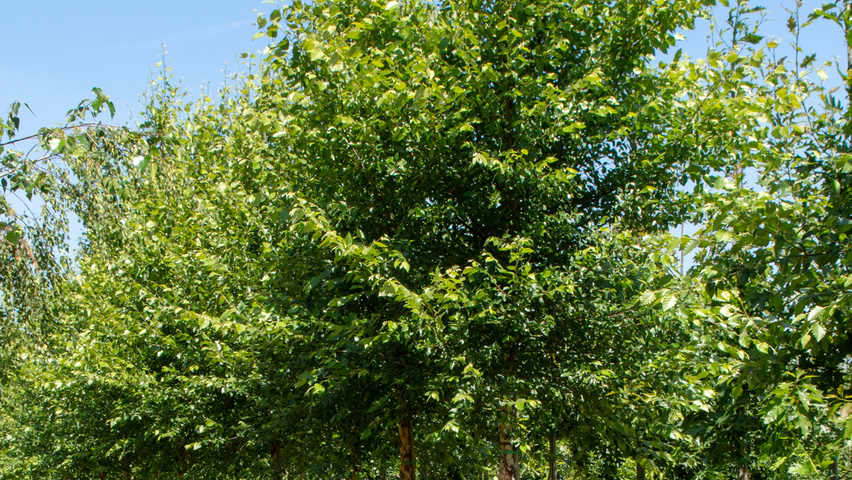
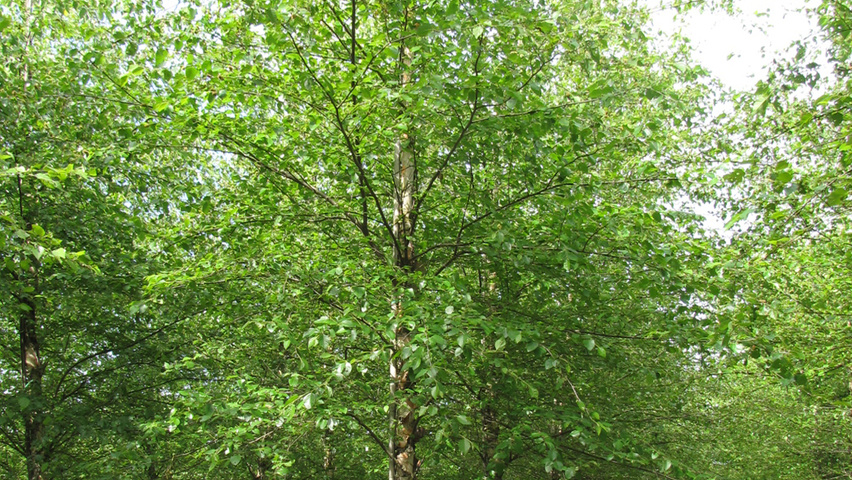
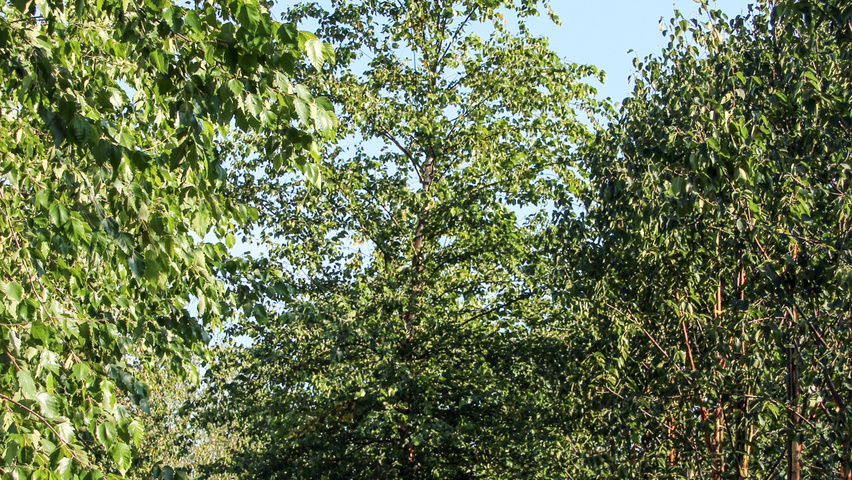
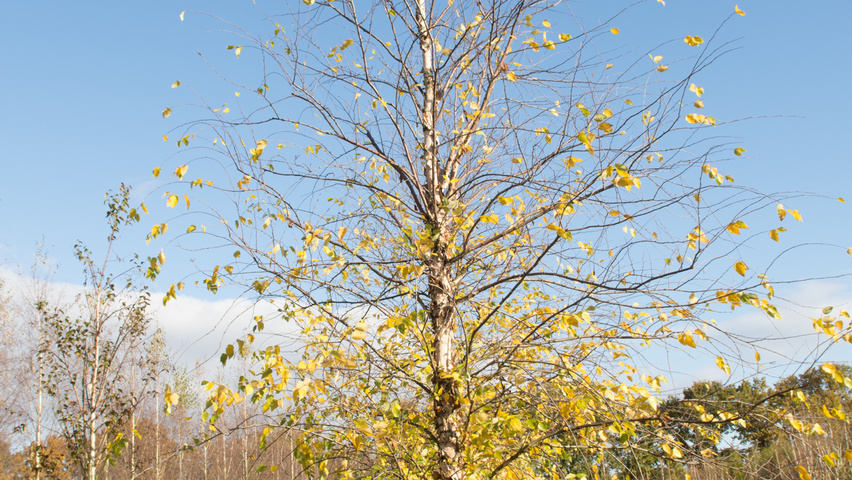
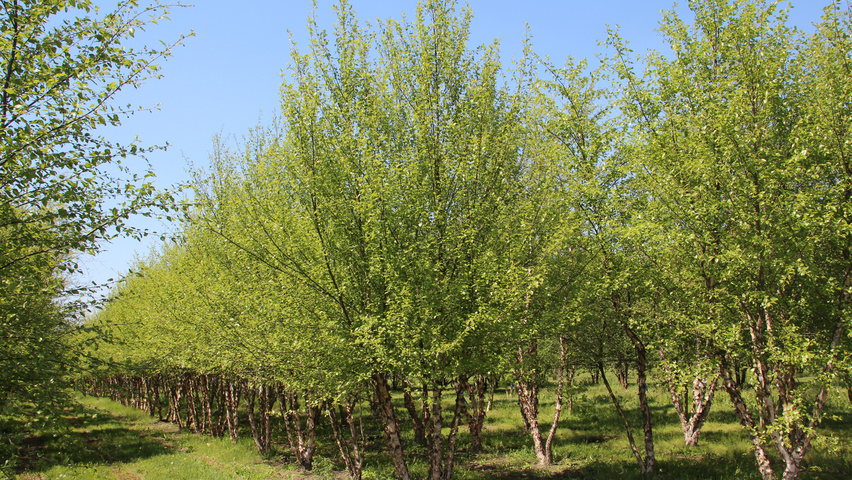
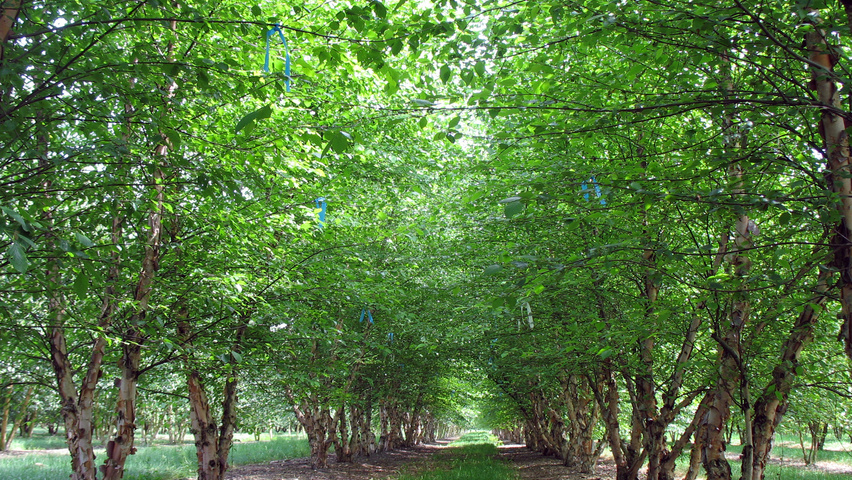
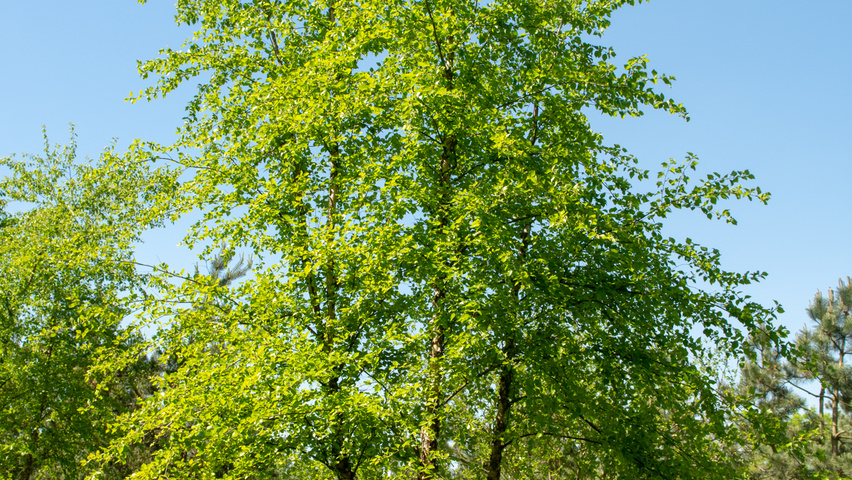
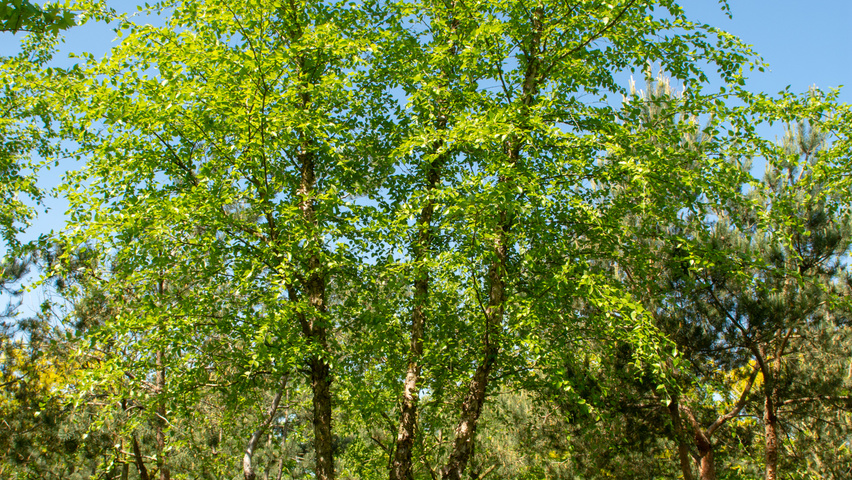
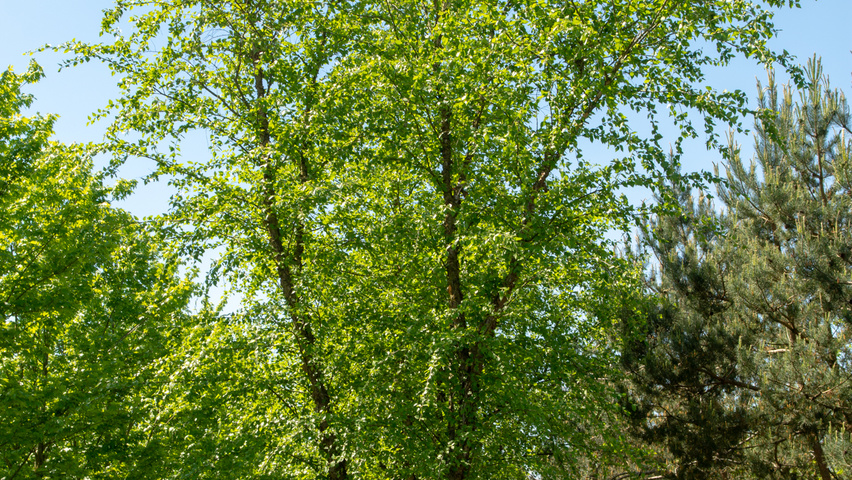
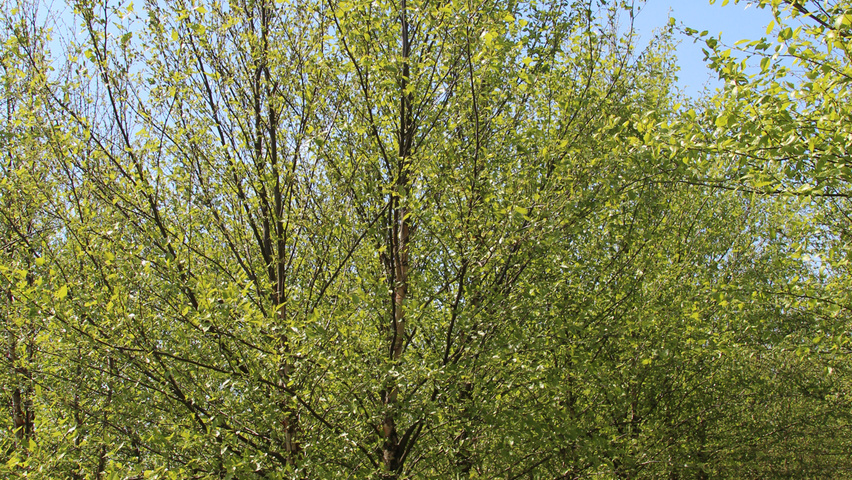
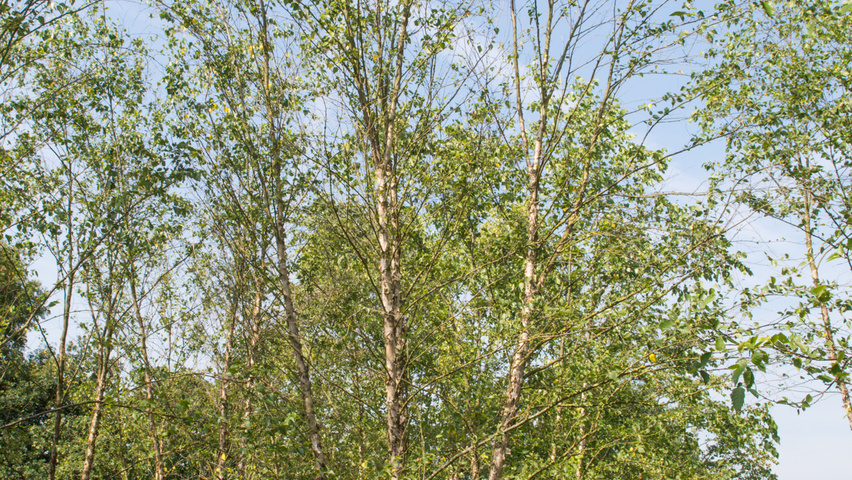
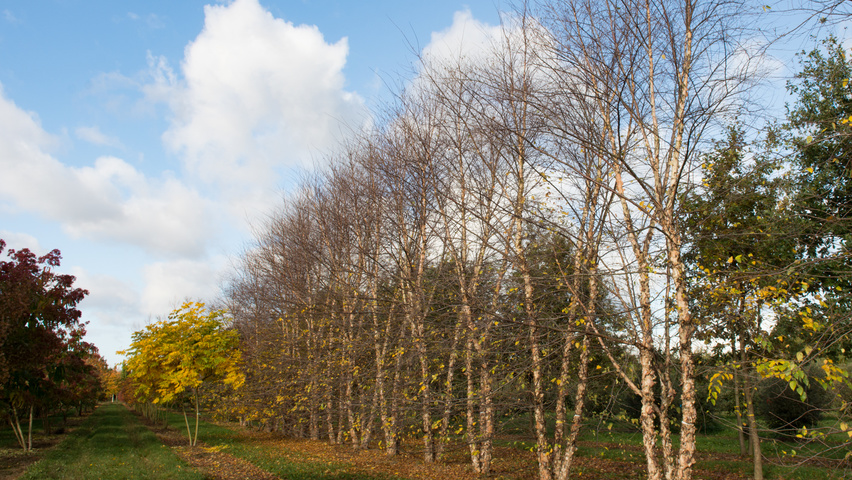
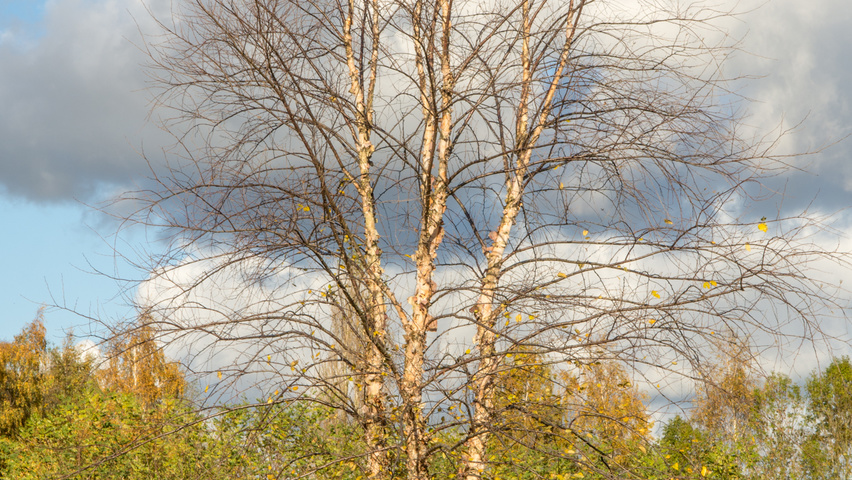
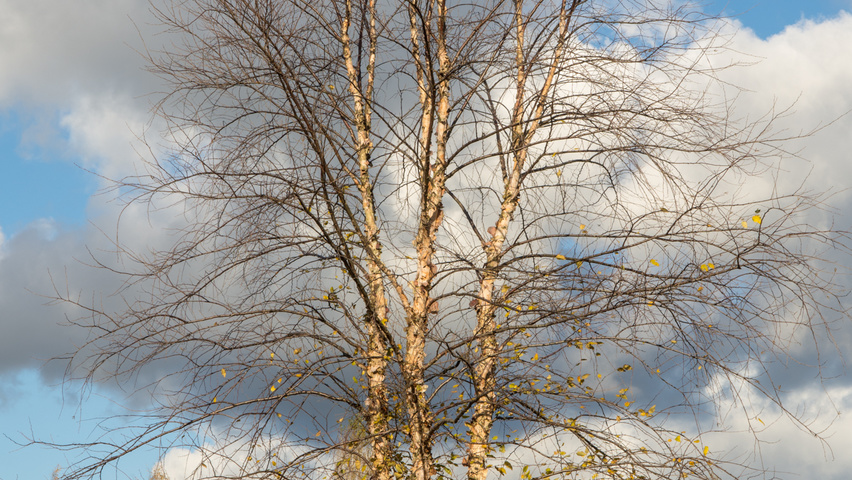
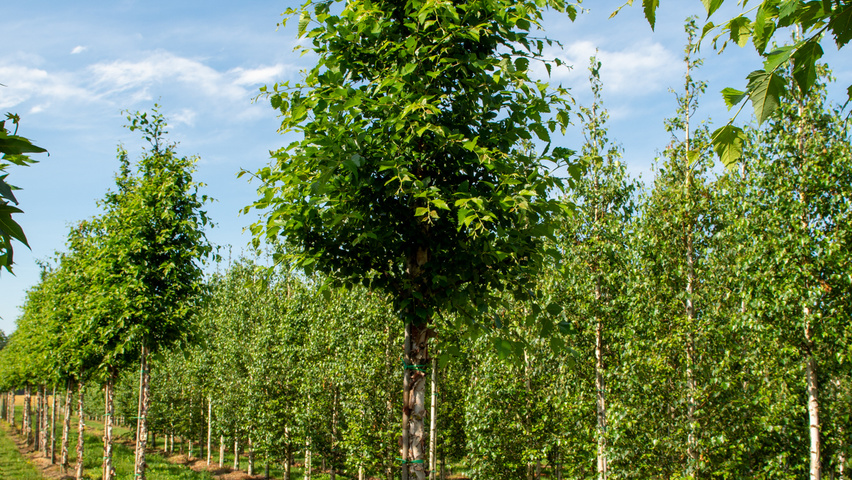
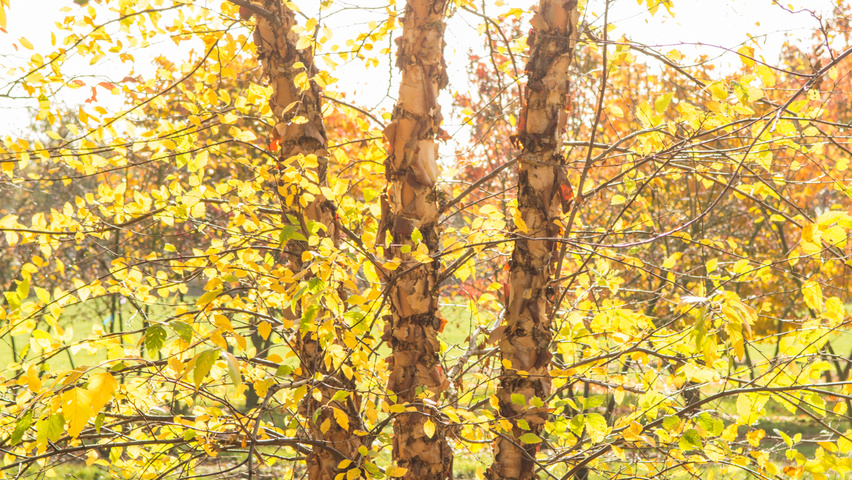
Betula nigra (river birch) is native to the southeastern United States, where it naturally occurs along riverbanks, moist soils and wet woodlands together with species such as Carpinus caroliniana, Gleditsia triacanthos, Liriodendron tulipifera, Nyssa sylvatica and Quercus bicolor. It is a medium sized to large tree that reaches a height of twelve to twenty meters in cultivation, and sometimes even higher under ideal conditions. Its width ranges from seven to ten meters. The tree grows narrowly upright when young but develops into a broad, loosely ascending and often irregular to vase shaped crown with elegant overhanging branches as it matures. Betula nigra often grows as a multi stemmed tree, which enhances its ornamental character.

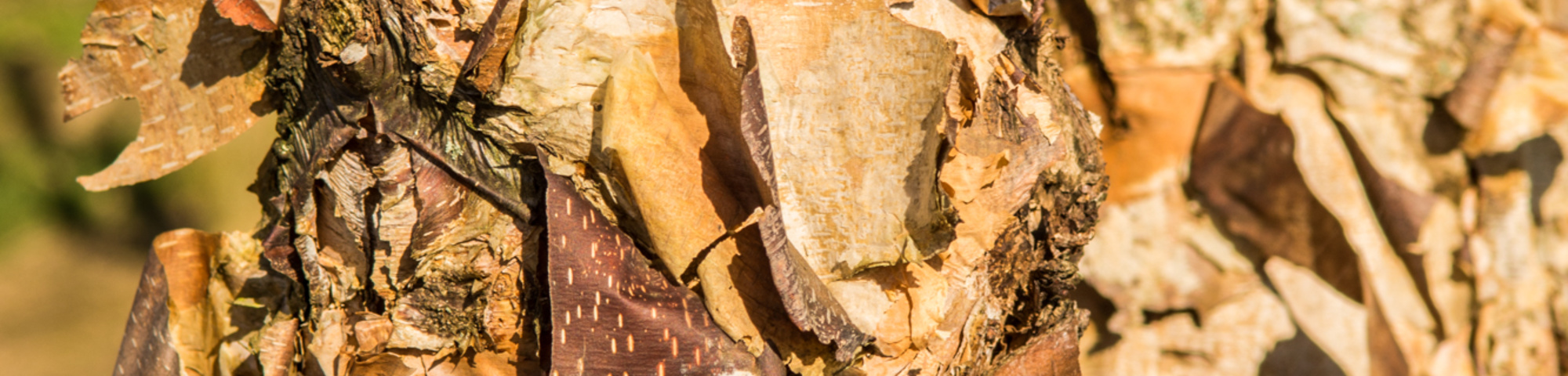
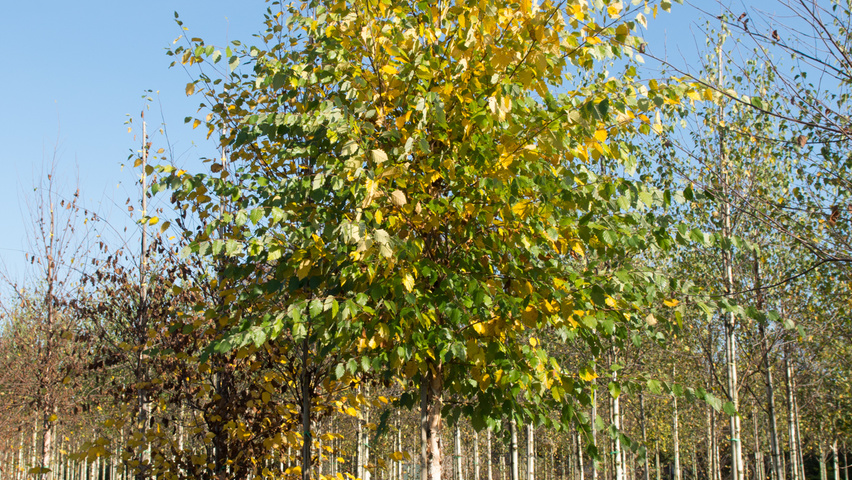
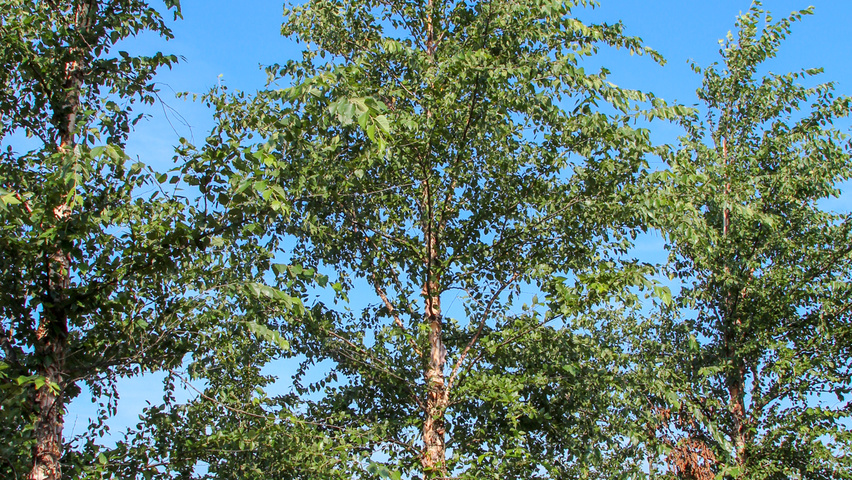
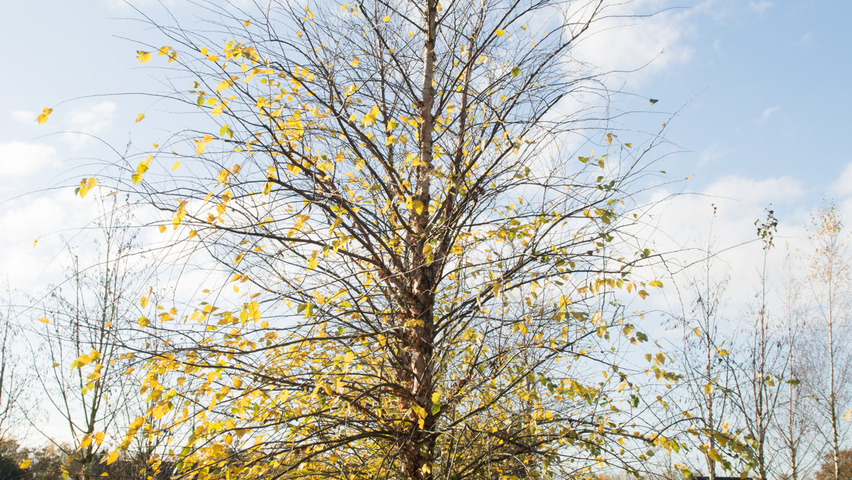
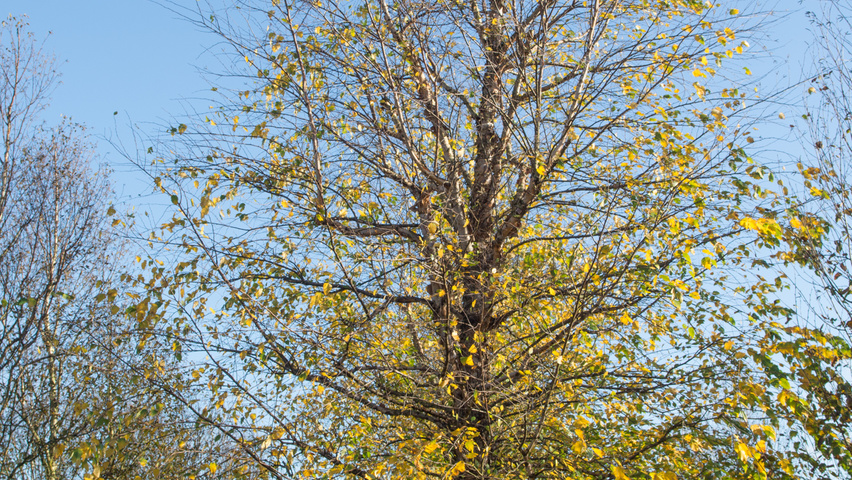
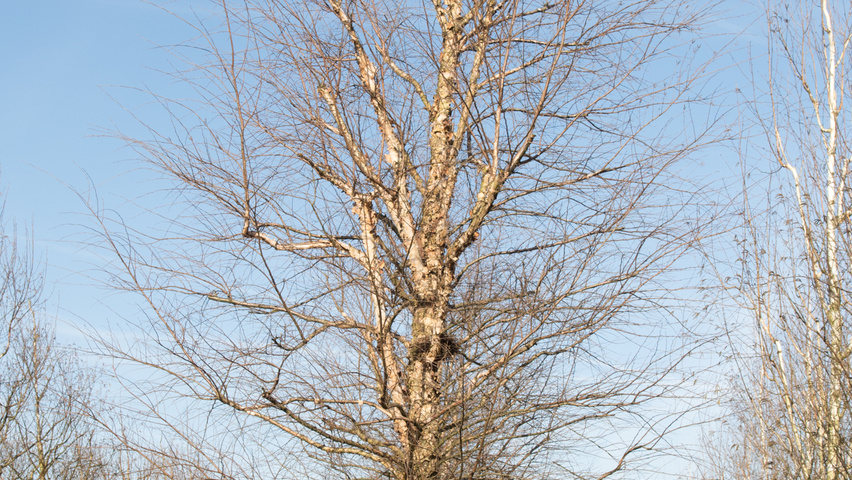
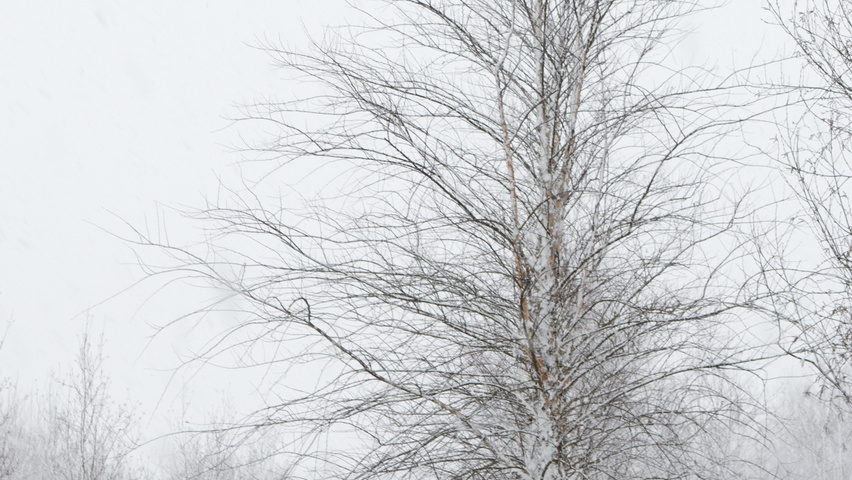
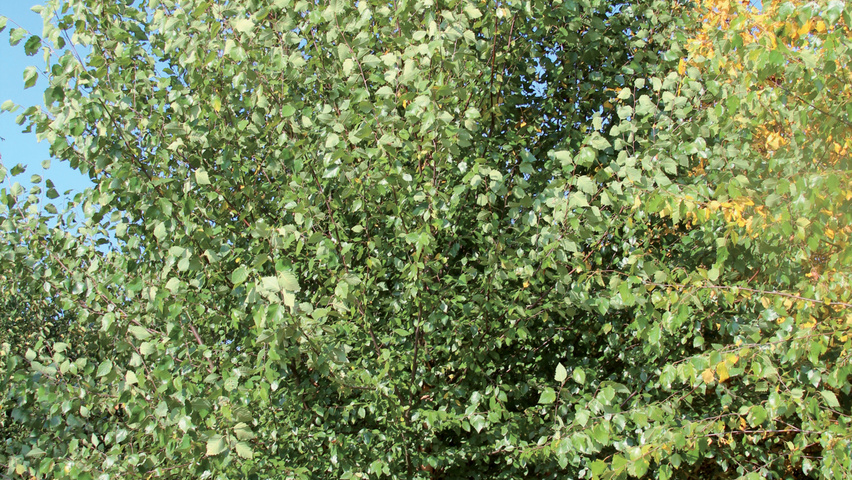
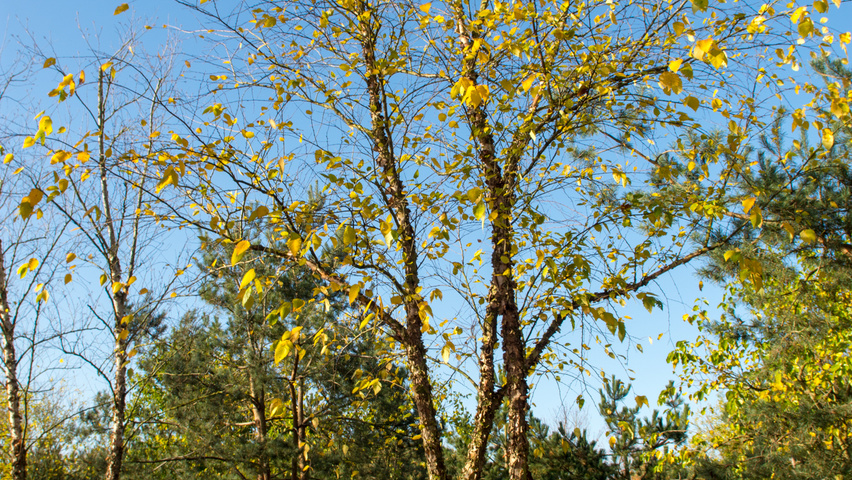
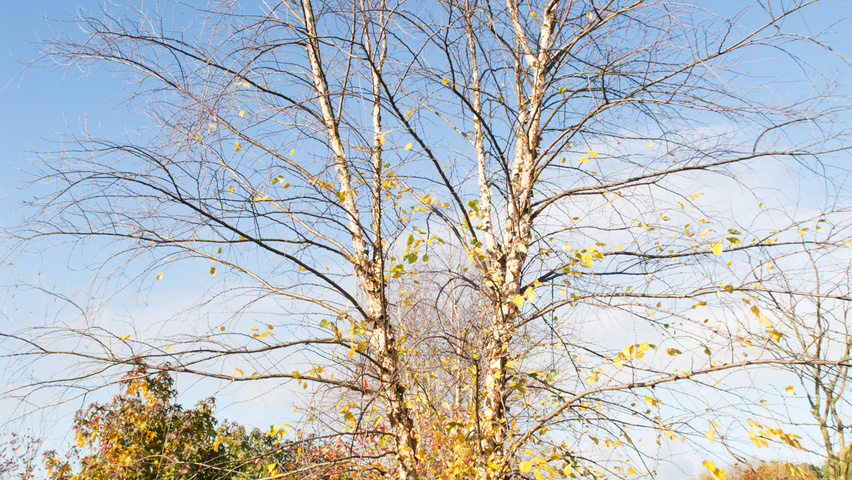
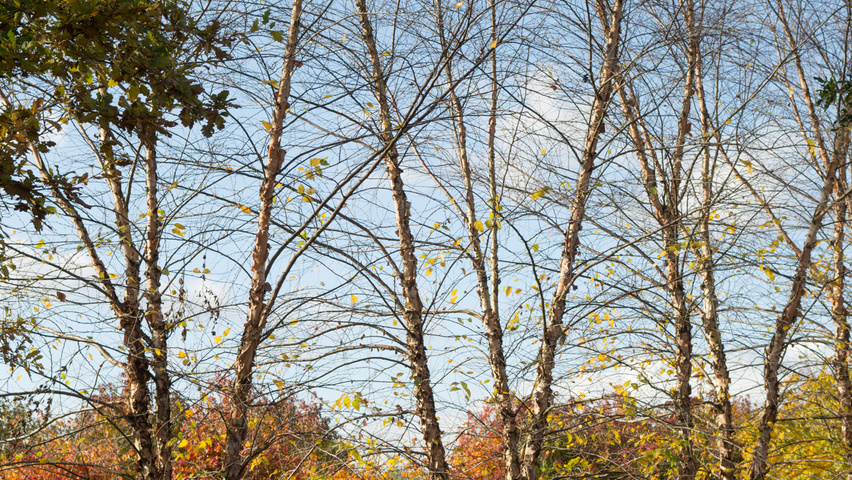
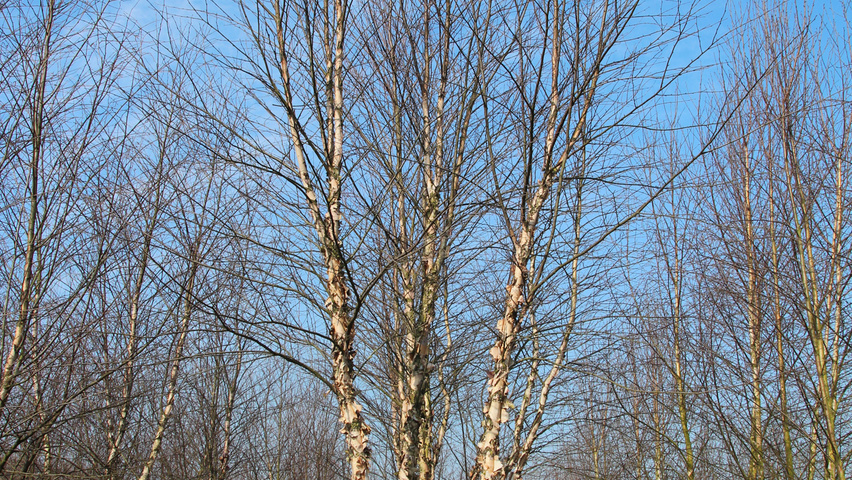
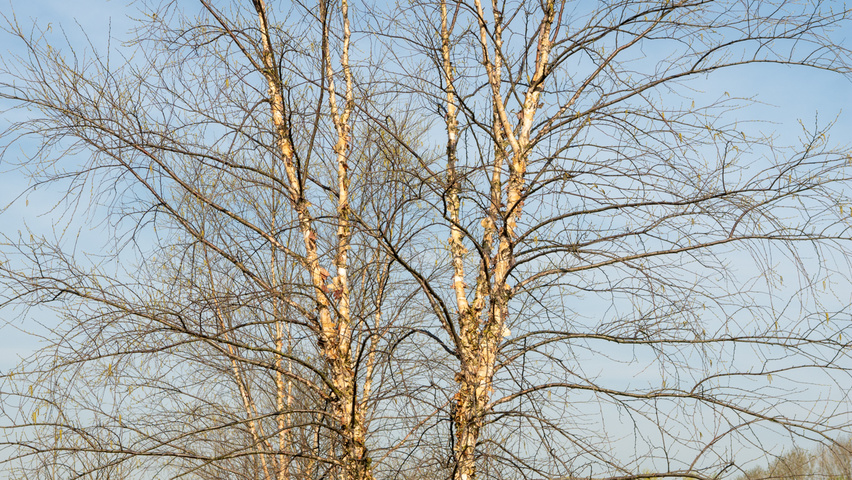
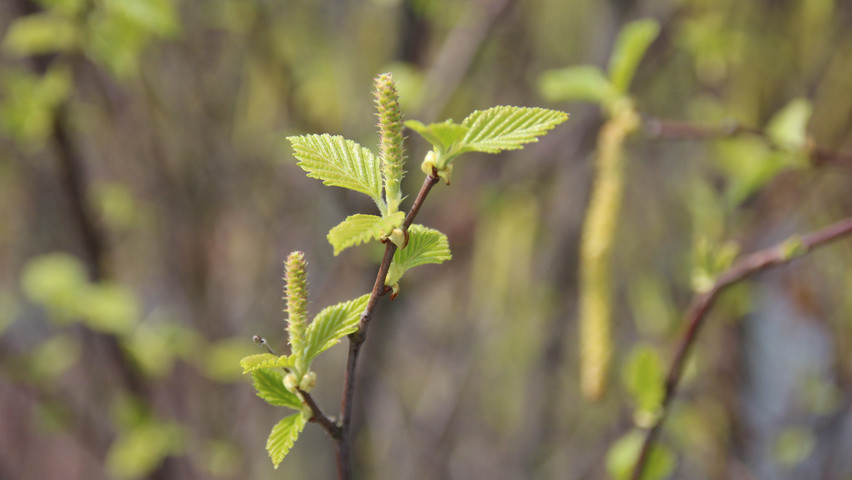
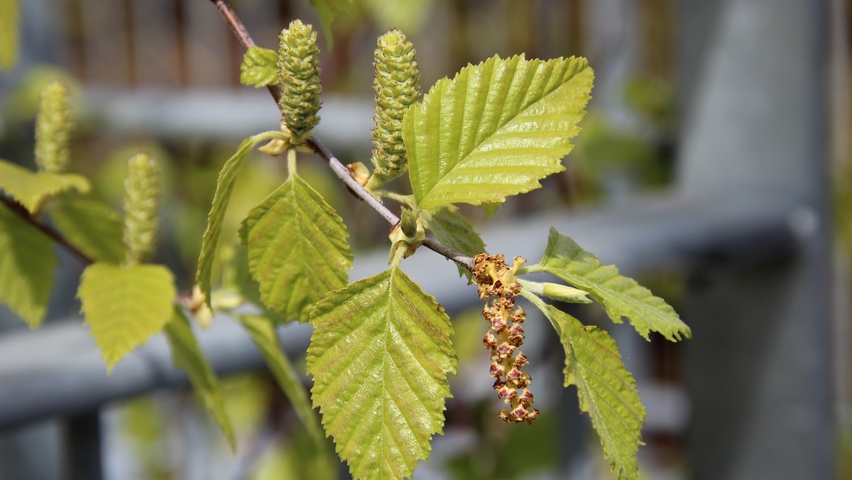
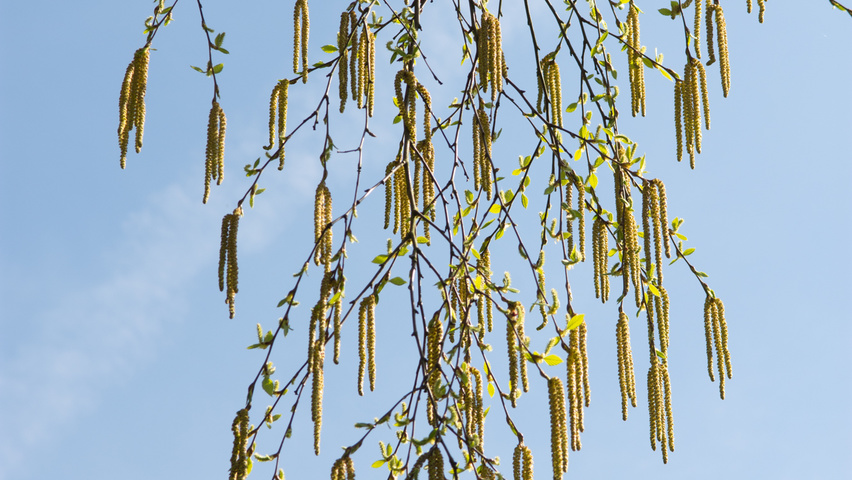
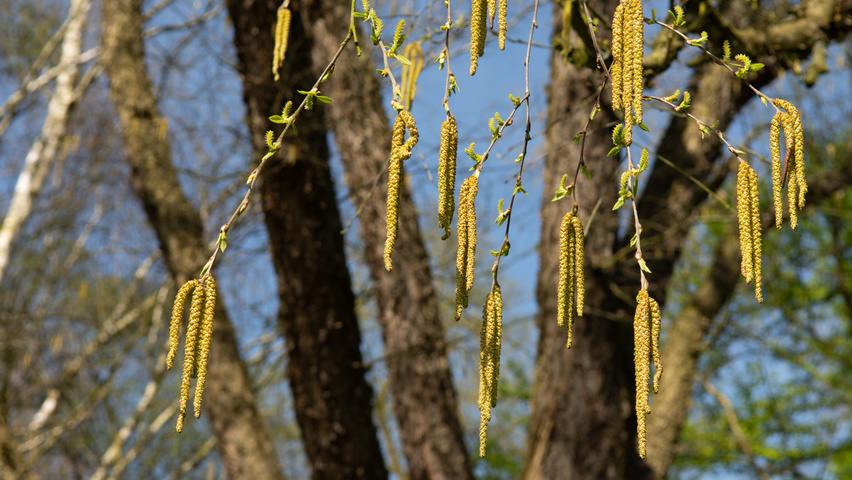
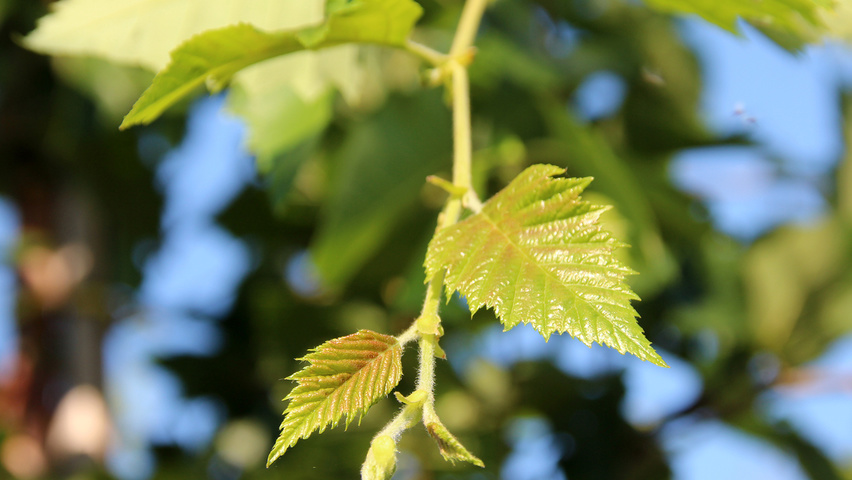
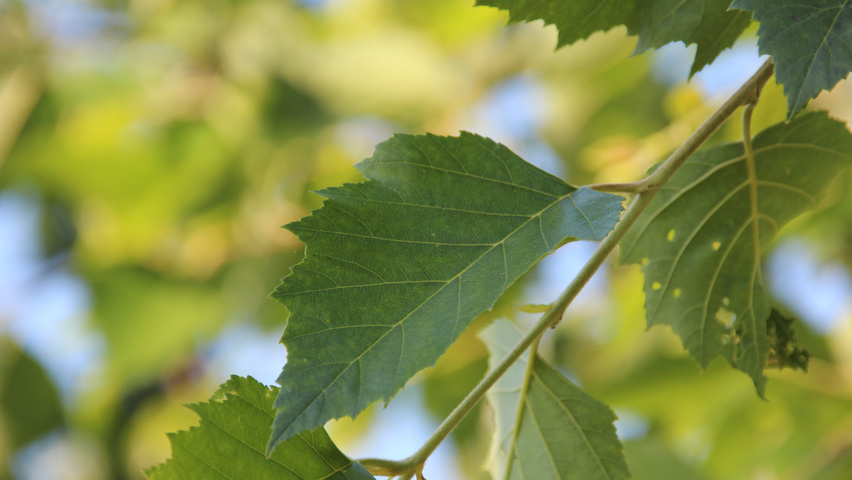
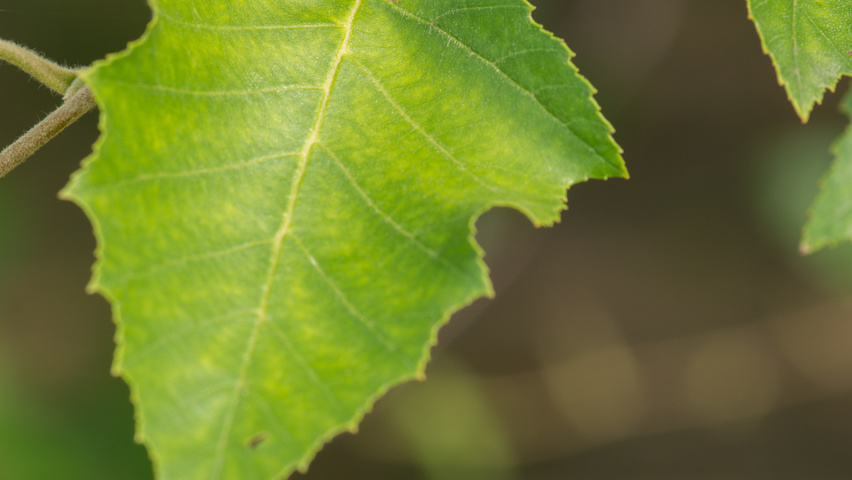
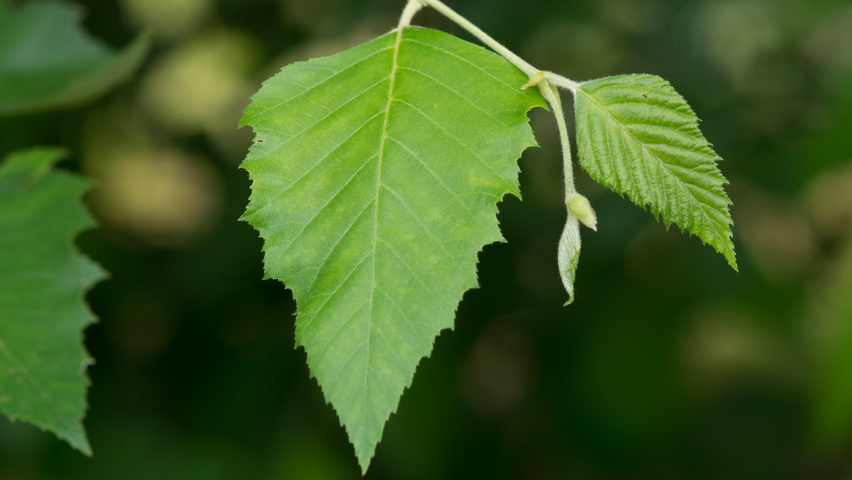
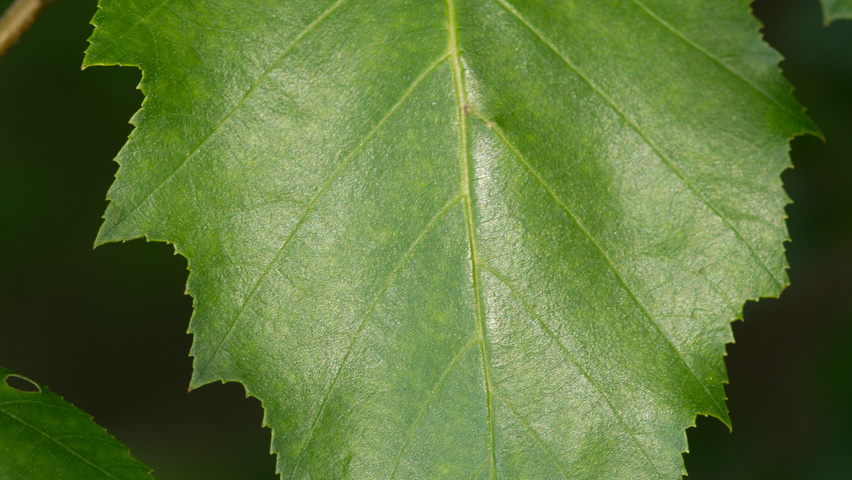
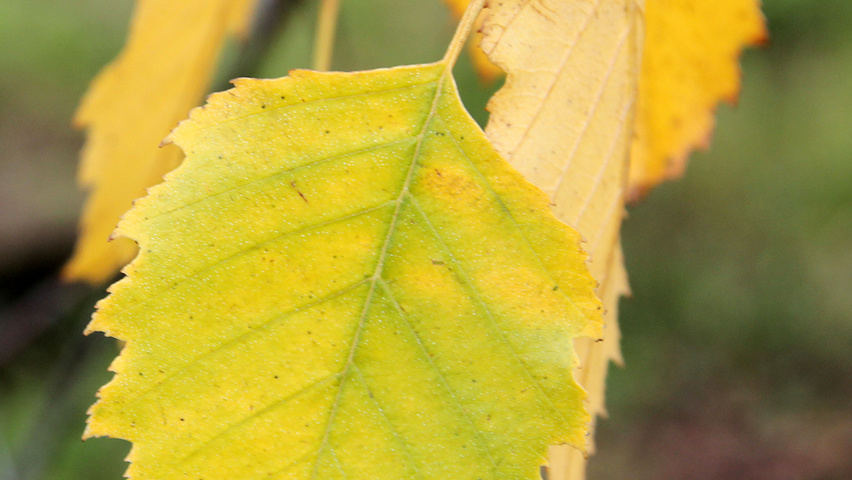
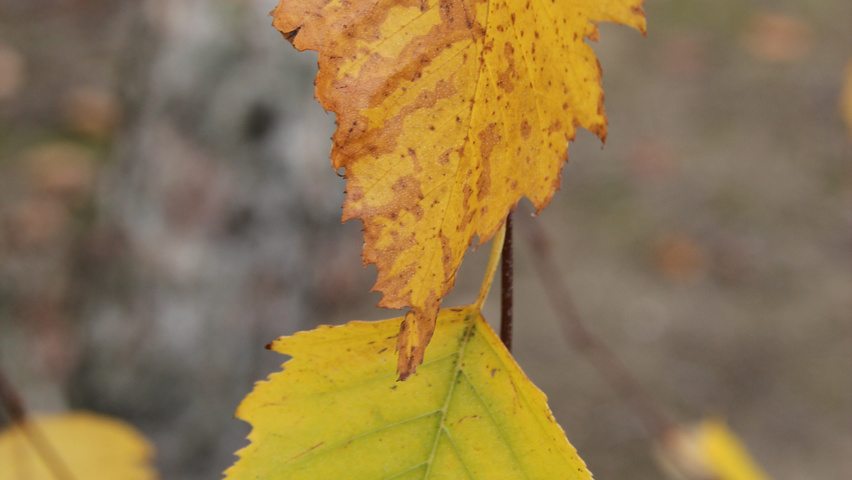
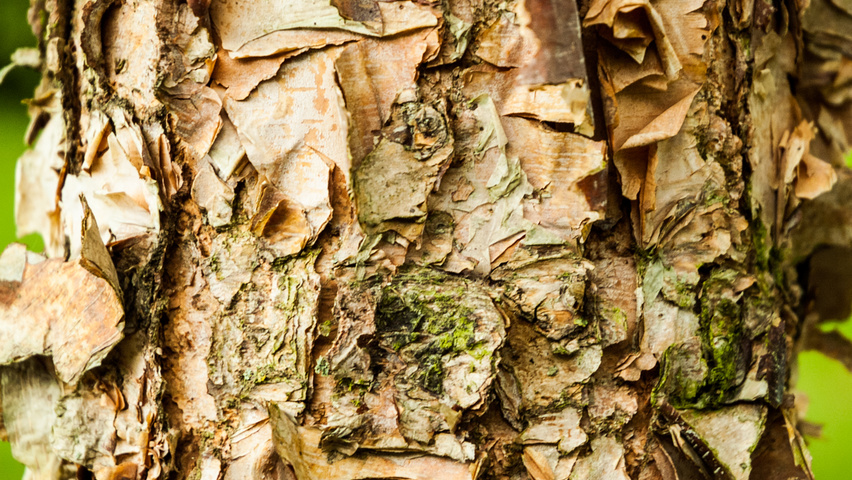
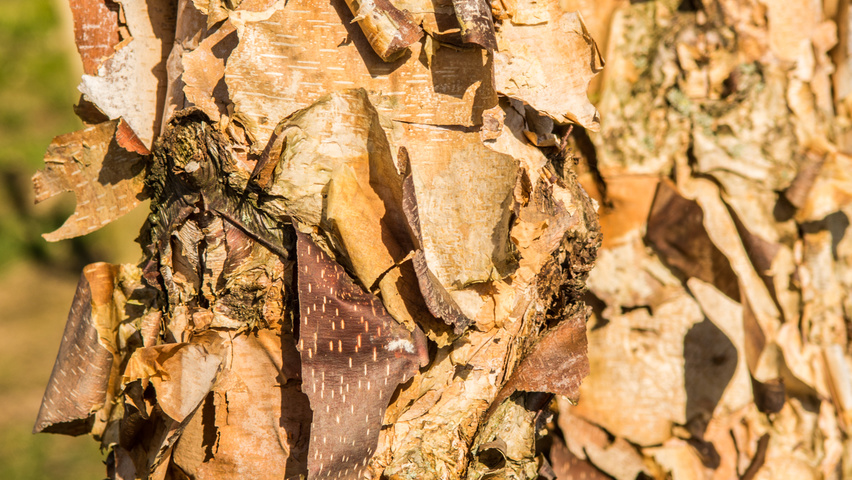
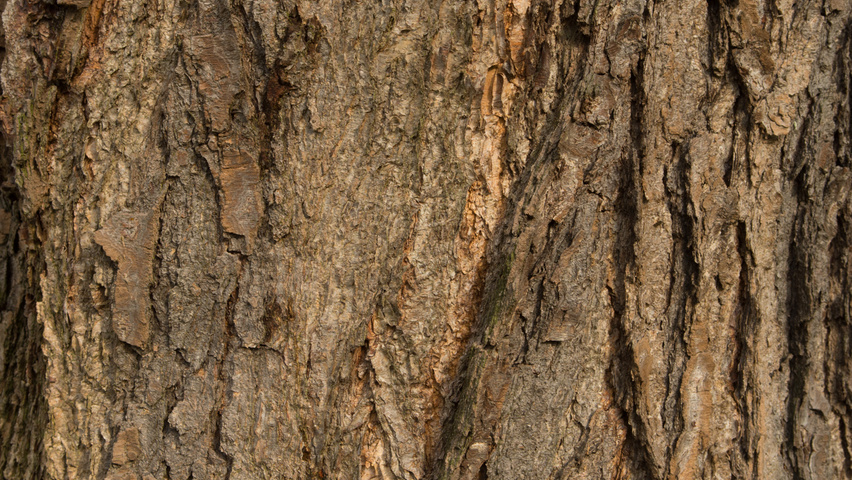
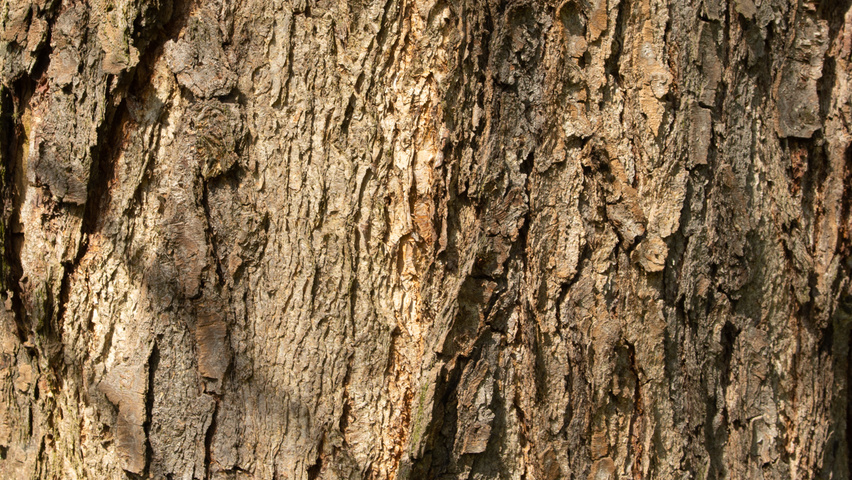
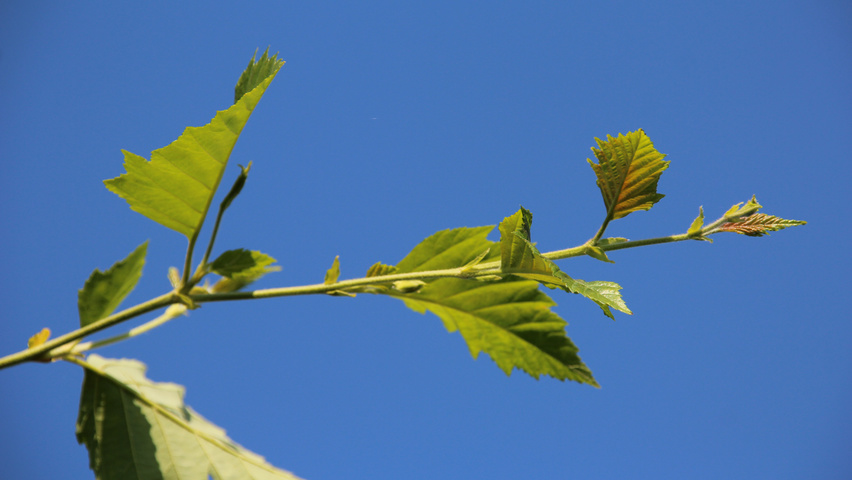
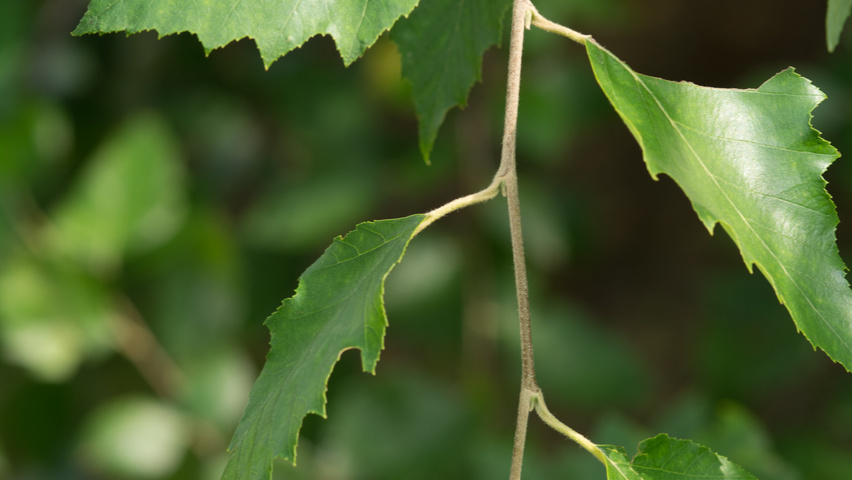
The most distinctive feature of this species is its peeling bark. When young, the bark is orange brown to cinnamon colored with hints of pink, and exfoliates in large curls. With age, the bark becomes darker gray brown. Young twigs are reddish brown and fine in texture. The leaves are dark green above and lighter green beneath, diamond shaped to ovate, with a doubly serrated margin. They turn a beautiful golden yellow in autumn. In April, the tree flowers with inconspicuous catkins. The male catkins are long and pendulous, while the female catkins are shorter and upright. The fruits are small nutlets grouped in short, erect catkins.

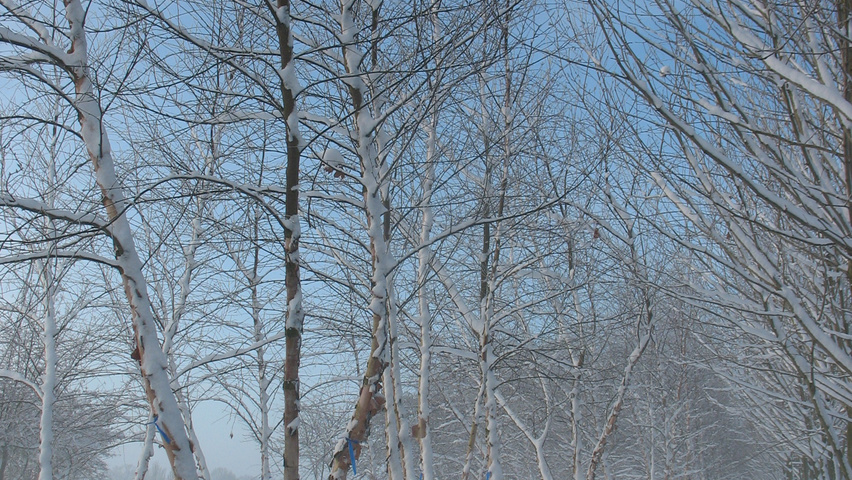
Betula nigra is a highly decorative and characterful tree that fits beautifully in parks, gardens, bioswales and natural riparian zones. Its striking bark and open habit make it popular both as a solitary specimen and in group plantings. It is particularly well suited to moist to wet soils but surprisingly also tolerates dry to moderately dry conditions once established. Additionally, it is very winter hardy and tolerant of air pollution, making it suitable for urban environments. In short, Betula nigra is a robust tree that adds strong aesthetic value to a wide range of landscapes.

Types of planting

Tree types

standard trees feathered trees multi-stemmed trees trees for climbing characteristic trees

Topiary on stem

fval multi-stem umbrella

Use

Location

avenue park central reservation roof garden large garden cemetery traffic areas, industrial zones countryside bioswale

Pavement

none none open open

Planting concepts

landscape planting

Characteristics

Crown shape

vase-shaped vase-shaped

Crown structure

semi-open semi-open

Height

18 - 20 m

Width

7 - 10 m

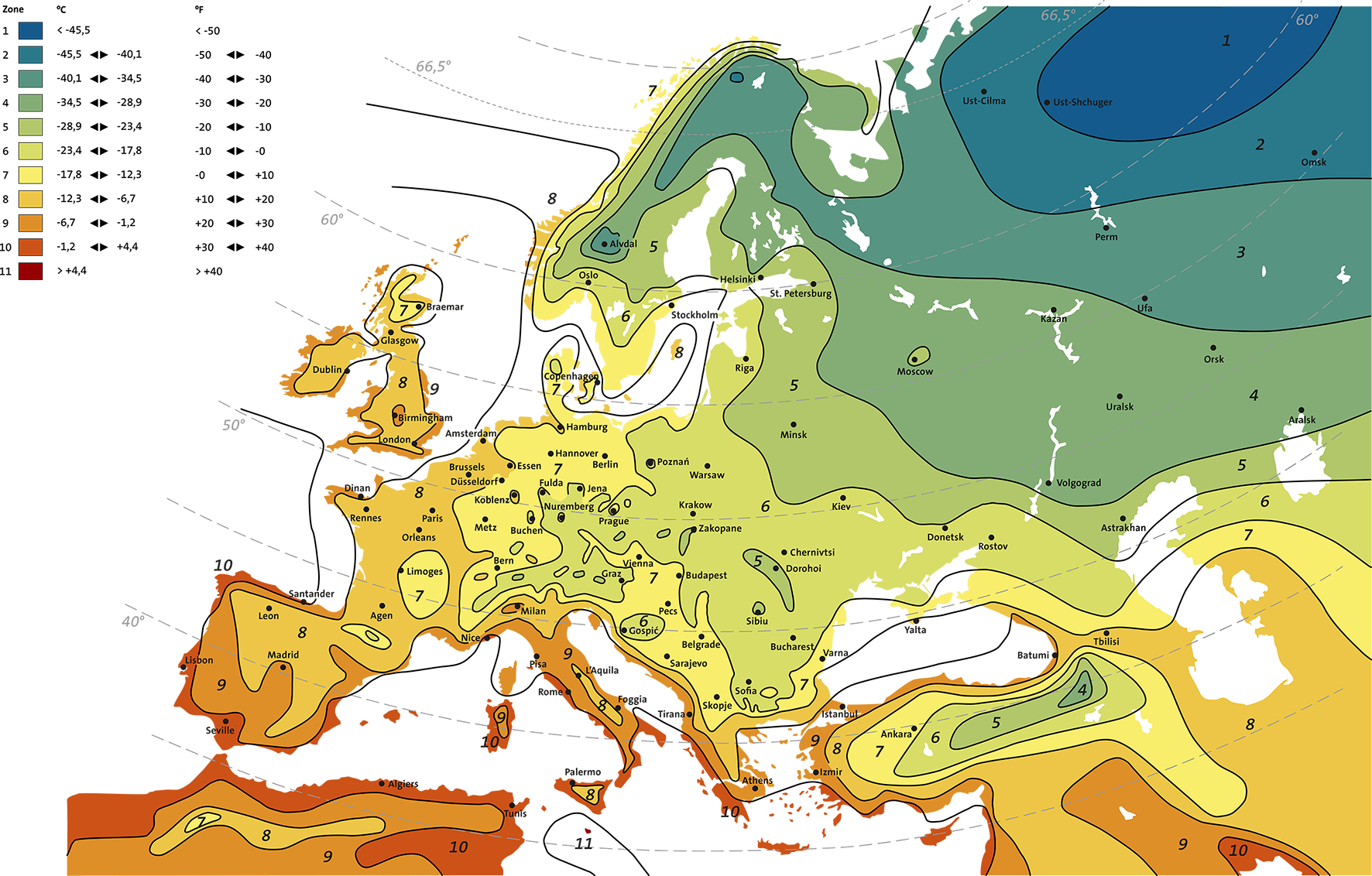
Winter hardiness zone

4A - 9B

Aspects

Wind

tolerant to wind slightly tolerant to coastal wind

Soil

loess sabulous clay peaty heavy clay light clay sand loamy soil all soils

Nutrient level

low in nutrients moderately rich in nutrients rich in nutrients

Soil moisture level

dry moist wet very wet

Light requirements

sun

pH range

acidic neutral

Host plant/forage plant

butterflies

Extreme environments

tolerates air pollution tolerates heat tolerant to short-term flooding

Get to know Ebben Nurseries

Visit our nurseries with multi-stem trees, climbing trees, trees for avenues and parks characteristic trees and solitary shrubs.

Make an appointment

Place order or further information?

Order this plant? Or would you like further information about Betula nigra? Make an appointment for a detailed planting recommendation.
Call +31(0) 485 31 20 21 or email one of our advisors directly.
Our planting advisors

Photos

Magnify

Seasonal colours

Betula nigra seizoenskleur
Jan Feb Mar Apr May Jun Jul Aug Sep Oct Nov Dec

Flowers

Flowers

catkins striking pendulous

Flower colour

pale yellow

Flowering period

March - April

Leaves

Leaf colour

dark green underside grey-green

Leaves

deciduous ovate polished rough doubly serrate lobate

Autumn colour

golden yellow

Fruits

Fruit colour

brown

Fruits

catkins

Bark

Bark colour

cream pale brown dark brown

Bark

peeling

Twigs

Twig colour

red-brown

Twigs

with lenticels polished pendulous finely branched

Root system

Root system

shallow slightly branched many hair roots central root roots push up surface

For and by green professionals

The TreeEbb is a platform for and by green professionals, in which we collect knowledge and experience from the sector and make this available for users. All the details and photos are free to use for non-commercial purposes. Want to share your tree knowledge? Send photographs and additional information to treeebb@ebben.nl

Contact
Show filters Hide filters
Show comparison
View mood board
TreeEbb

TreeEbb

Geographic location
Winter hardiness zone
OK
Coastal area
OK
Use
Location
OK
Pavement
OK
Host plant/forage plant
OK
Planting concepts
OK
Types of planting
Tree types
OK
Multi-stemmed trees
OK
Crown structure
OK
Crown shape
OK
Topiary on stem
OK
Topiary
OK
Height
m
-
m
OK
Width
m
-
m
OK
Aspects
Wind
OK
Soil
OK
Nutrient level
OK
Soil moisture level
OK
Light requirements
OK
PH range
OK
Extreme environments
OK
Stage of succession
OK
Plant characteristics
Flowering period
January
-
December
OK
Flower colour
OK
Leaf colour
OK
Autumn colour
OK
Fruit colour
OK
Bark colour
OK
Special features
OK
English
View mood board
Show comparison
Your selection:

Sign up for our newsletter

×
Cookie settings

We use cookies when offering electronic services. A cookie is a small, simple file that is sent with the pages of this website and stored on the hard disk of your computer by your browser. This allows us to combine various requests for pages on the website and analyse users’ behaviour, for example. You can indicate which cookies you wish to accept using the settings below. Bear in mind that not accepting cookies will mean that part of the functionality of this website may not be available. You can find more information about the use of data and the various cookies in our privacy and cookie declaration.