+
Quercus alba

Quercus alba

White oak

Description

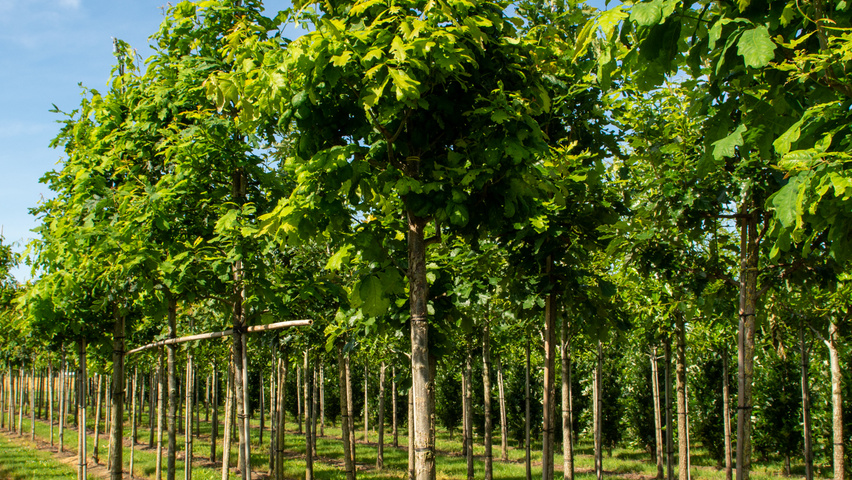
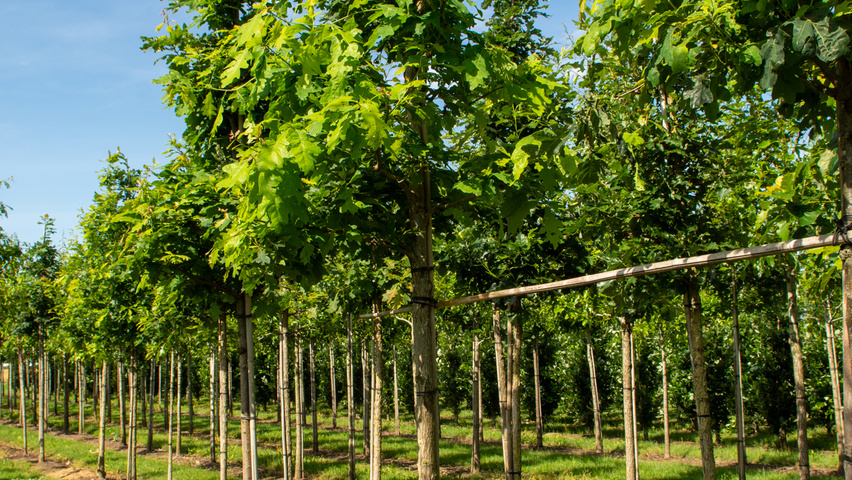
Quercus alba (American white oak) is the most common tree species in the eastern regions of the United States. The white oak group shows the greatest similarities to the European Quercus robur and Quercus petraea. In America, they form extensive forests, usually together with other oaks and Carya species, but also with Liriodendron tulipifera and Tsuga canadensis. The American white oak grows pyramidal with a dense crown when young, later developing an oval to broad rounded crown, eventually reaching approximately thirty meters in both height and width.

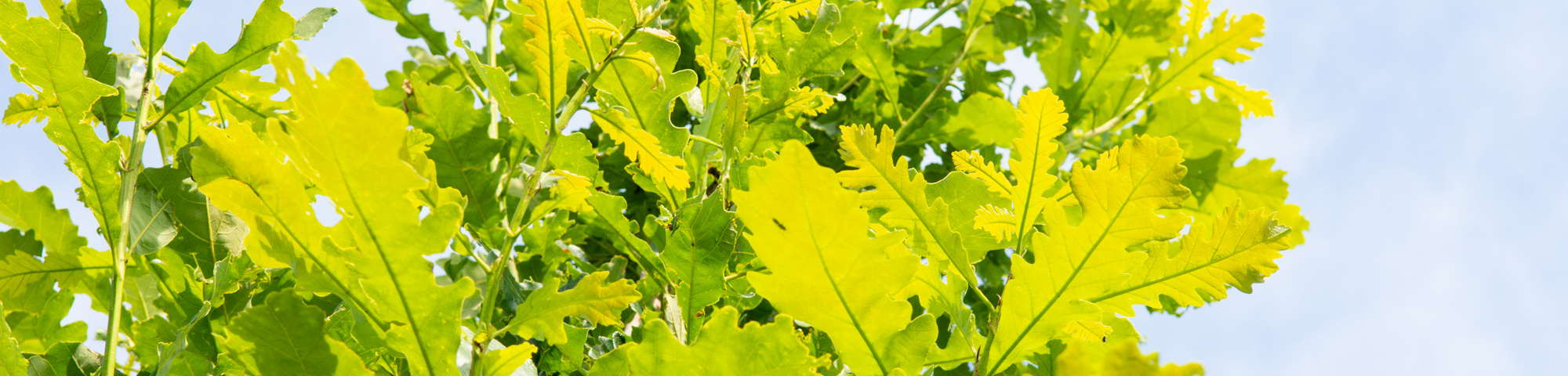
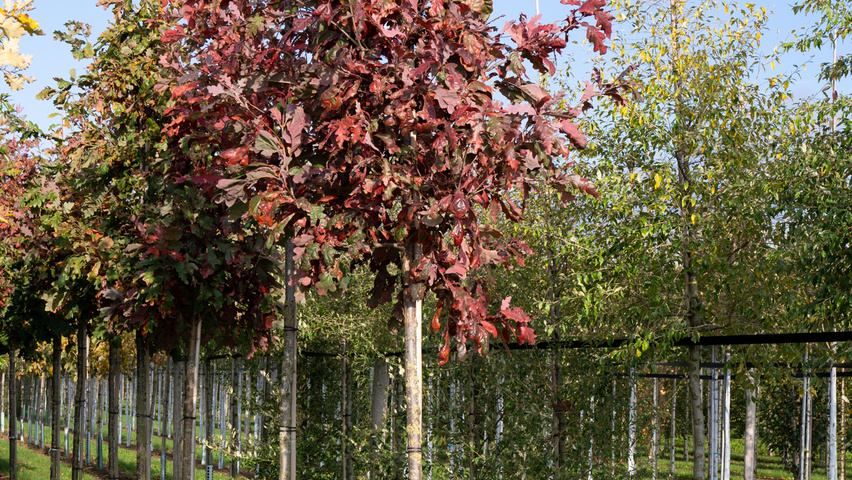
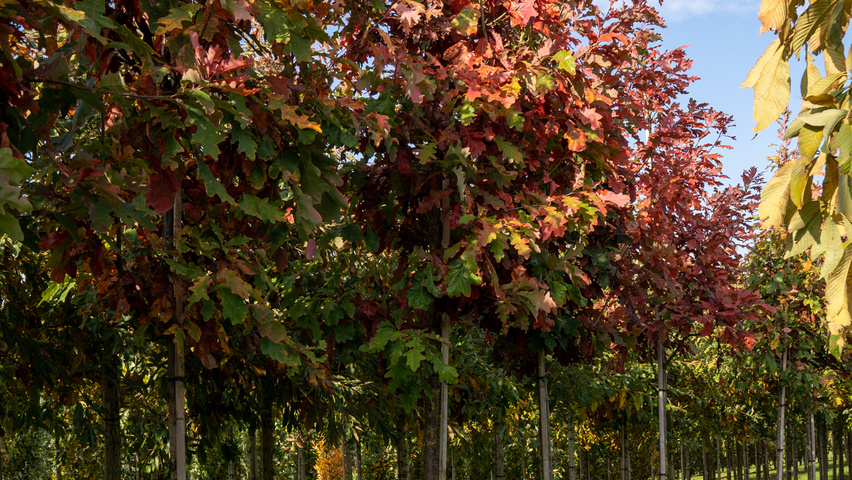
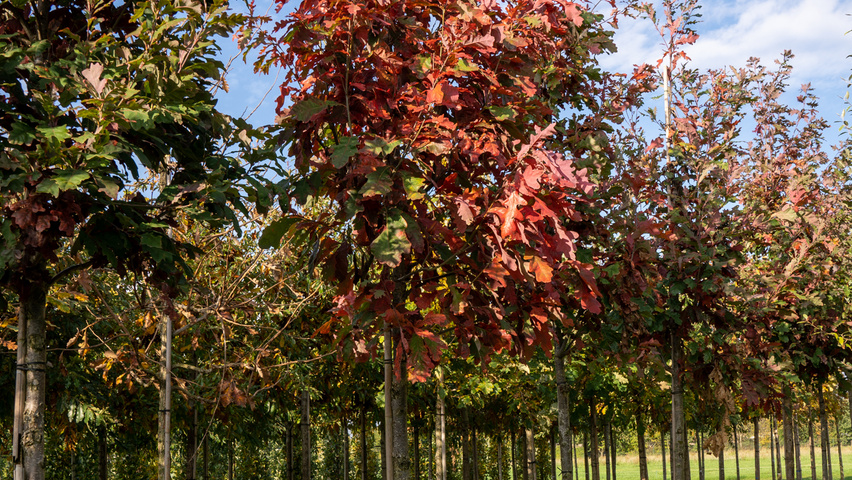
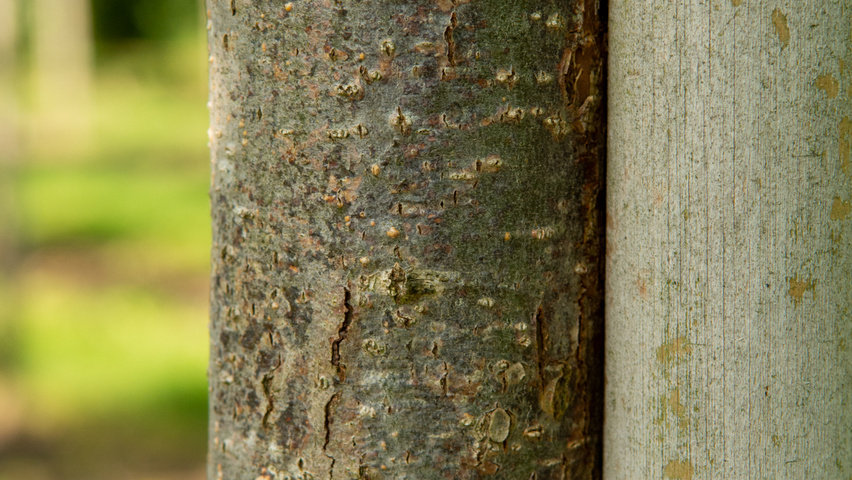
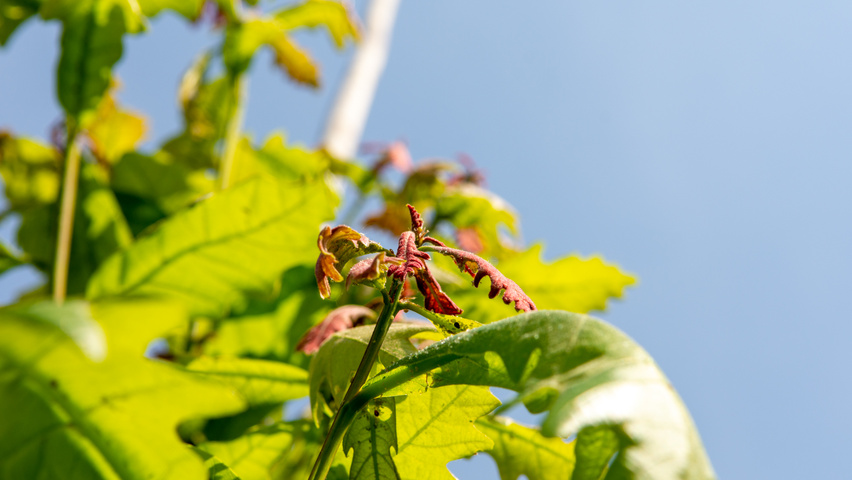
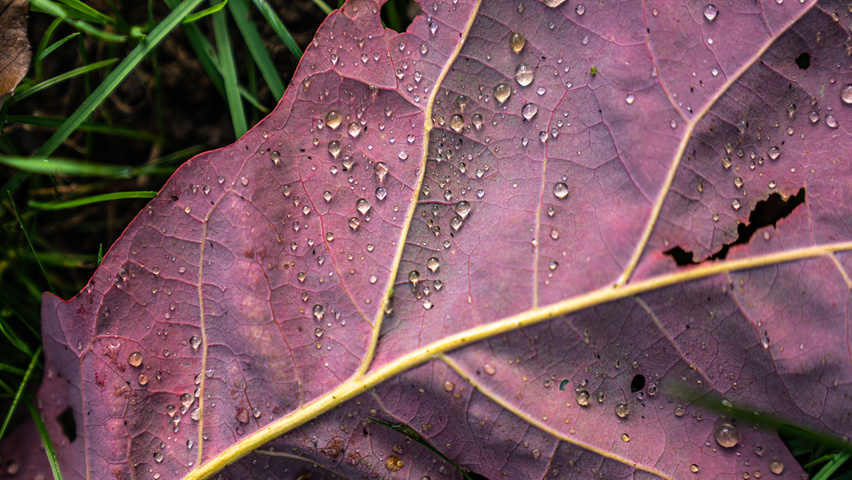
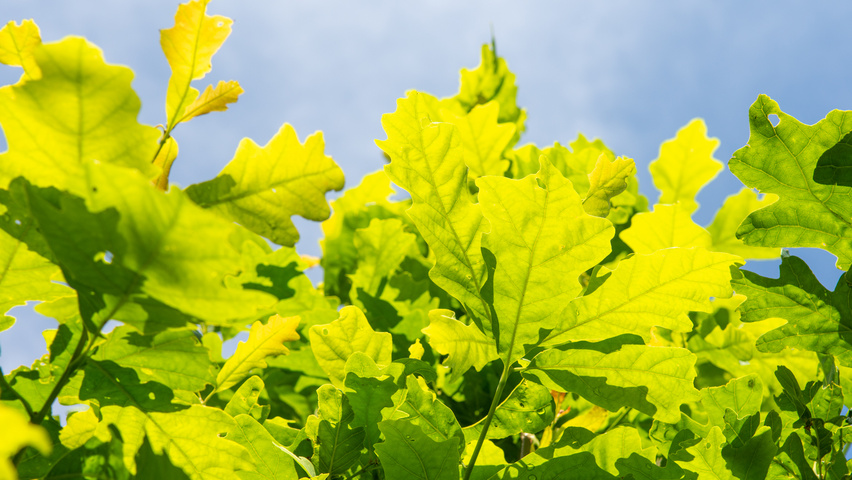
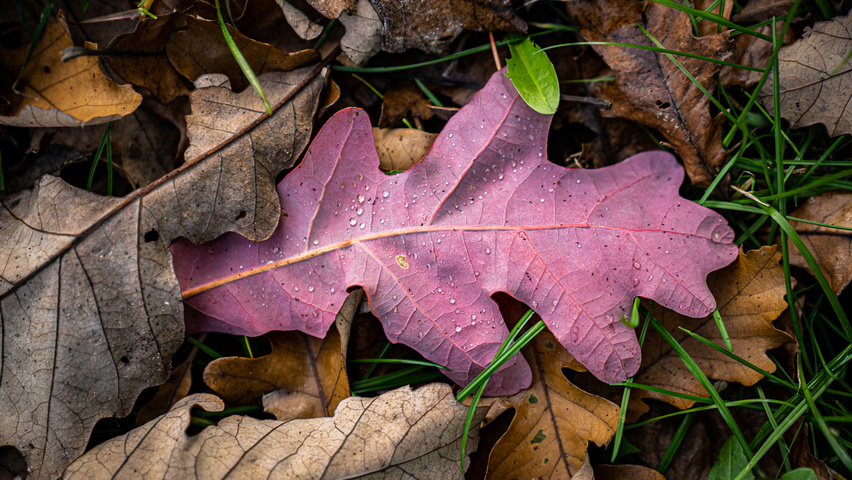
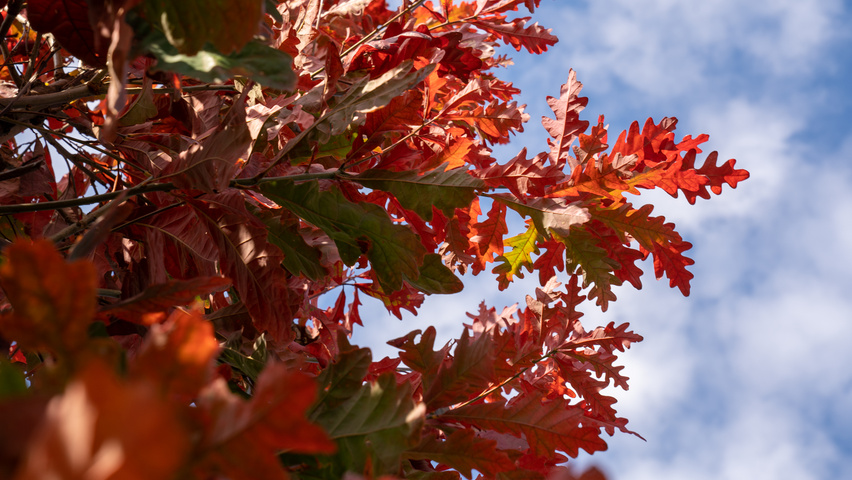
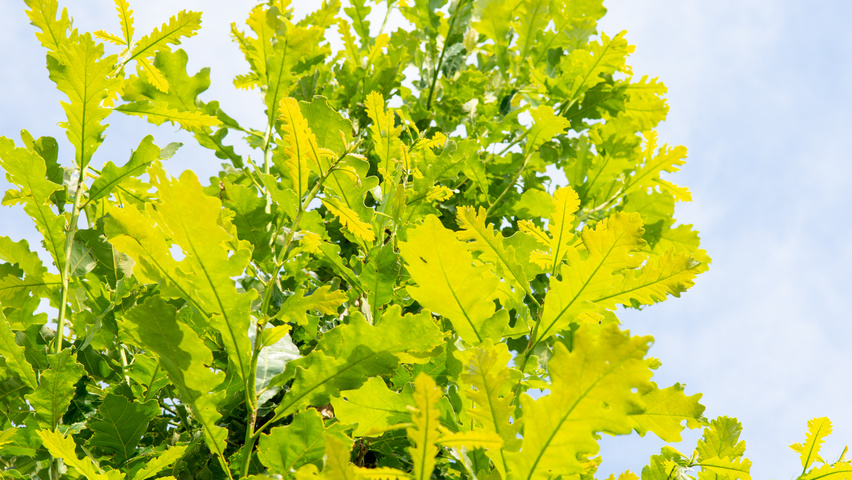
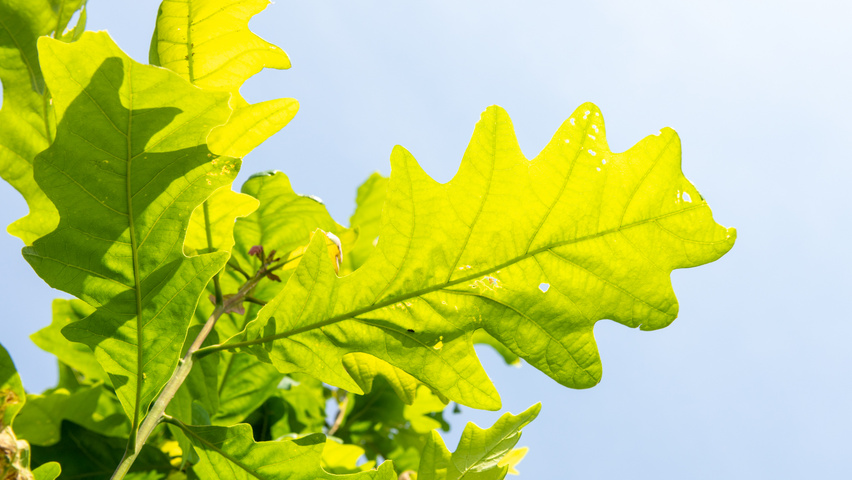
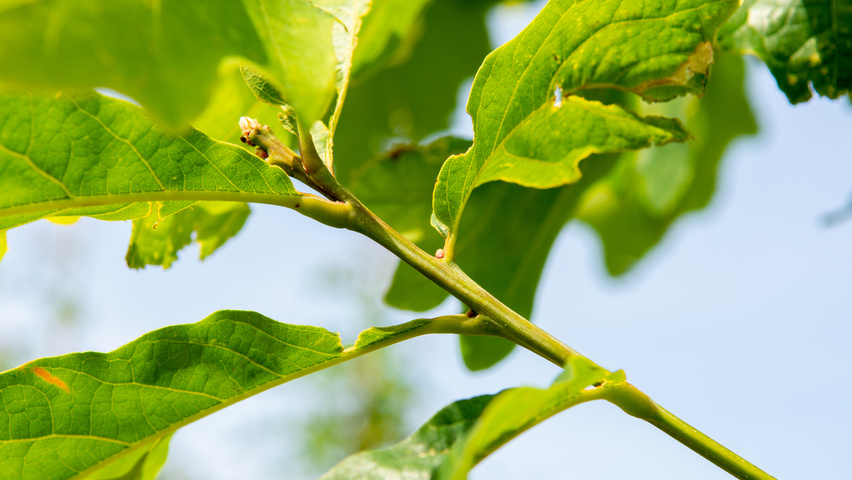
The emerging leaves of Quercus alba are gray hairy and pinkish, turning glossy dark green in summer with a blue green underside. In autumn, the foliage shifts to shades of yellow to deep red. Young trees often hold their leaves well into winter. The leaves, with three to six rounded, narrow lobes, are elongated, inversely ovate, and deeply lobed. This oak blooms in May with yellow catkins. The acorn cups cover about one third of the chocolate brown acorn and have only a short stalk. The bark of the American white oak is ash gray to brown gray, divided into small, peeling plates.

The American white oak grows under a wide variety of climatic conditions, soil types, and moisture levels. Only extremely dry or very wet soils are unsuitable. In the United States, it is an important timber species. Although this tree is tolerant of road salt, its broad crown and abundant acorn production make it less ideal for use in streets and avenues. In Europe, Quercus alba is rarely planted, but it forms a magnificent large and wide park tree with outstanding autumn color.

Types of planting

Tree types

standard trees

Use

Location

park large garden cemetery countryside

Pavement

none none

Planting concepts

landscape planting

Characteristics

Crown shape

rounded rounded flattened spherical flattened spherical pyramidal pyramidal

Crown structure

dense dense

Height

18 - 30 m

Width

18 - 30 m

Winter hardiness zone

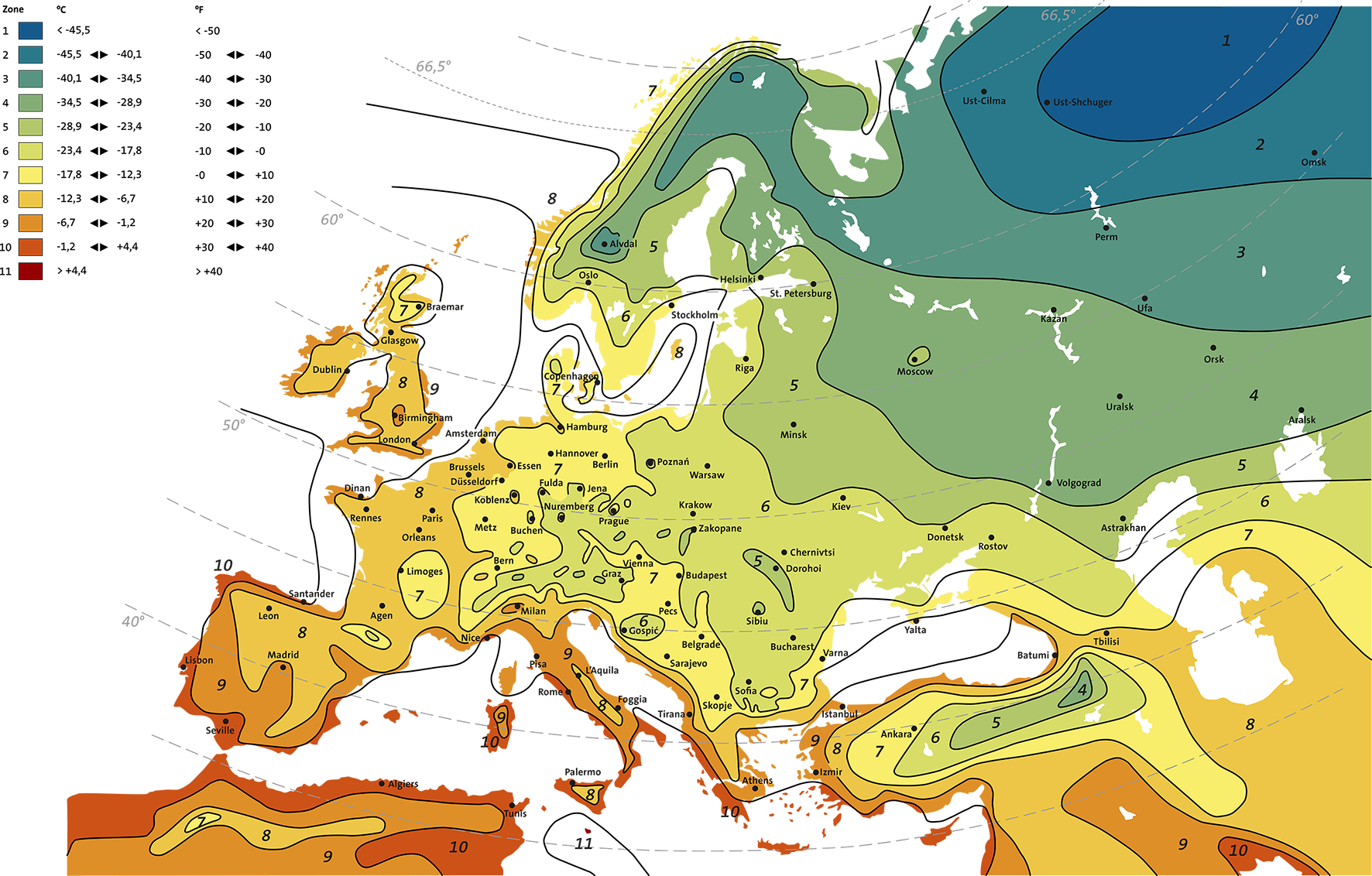
3A - 8B

Aspects

Wind

tolerant to wind

Soil

loess sabulous clay peaty heavy clay light clay sand loamy soil all soils

Nutrient level

low in nutrients moderately rich in nutrients rich in nutrients

Soil moisture level

dry moist

Light requirements

sun partial shade

pH range

acidic neutral alkaline

Host plant/forage plant

birds small mammals

Extreme environments

tolerant to salt spray tolerant to dryness

Get to know Ebben Nurseries

Visit our nurseries with multi-stem trees, climbing trees, trees for avenues and parks characteristic trees and solitary shrubs.

Make an appointment

Place order or further information?

Order this plant? Or would you like further information about Quercus alba? Make an appointment for a detailed planting recommendation.
Call +31(0) 485 31 20 21 or email one of our advisors directly.
Our planting advisors

Photos

Magnify

Flowers

Flowers

catkins pendulous

Flower colour

yellow

Flowering period

May

Leaves

Leaf colour

dark green underside blue-green

Leaves

deciduous obovate polished dissected lobate

Autumn colour

yellow-orange orange-red red-brown red scarlet

Fruits

Fruit colour

brown

Fruits

discrete rich fruit yield acorn

Bark

Bark colour

grey-brown grey

Bark

peeling

Twigs

Twig colour

grey

Twigs

bare horizontal branches

Root system

Root system

deep shallow slightly branched highly branched tap root

For and by green professionals

The TreeEbb is a platform for and by green professionals, in which we collect knowledge and experience from the sector and make this available for users. All the details and photos are free to use for non-commercial purposes. Want to share your tree knowledge? Send photographs and additional information to treeebb@ebben.nl

Contact
Show filters Hide filters
Show comparison
View mood board
TreeEbb

TreeEbb

Geographic location
Winter hardiness zone
OK
Coastal area
OK
Use
Location
OK
Pavement
OK
Host plant/forage plant
OK
Planting concepts
OK
Types of planting
Tree types
OK
Multi-stemmed trees
OK
Crown structure
OK
Crown shape
OK
Topiary on stem
OK
Topiary
OK
Height
m
-
m
OK
Width
m
-
m
OK
Aspects
Wind
OK
Soil
OK
Nutrient level
OK
Soil moisture level
OK
Light requirements
OK
PH range
OK
Extreme environments
OK
Stage of succession
OK
Plant characteristics
Flowering period
January
-
December
OK
Flower colour
OK
Leaf colour
OK
Autumn colour
OK
Fruit colour
OK
Bark colour
OK
Special features
OK
English
View mood board
Show comparison
Your selection:

Sign up for our newsletter

×
Cookie settings

We use cookies when offering electronic services. A cookie is a small, simple file that is sent with the pages of this website and stored on the hard disk of your computer by your browser. This allows us to combine various requests for pages on the website and analyse users’ behaviour, for example. You can indicate which cookies you wish to accept using the settings below. Bear in mind that not accepting cookies will mean that part of the functionality of this website may not be available. You can find more information about the use of data and the various cookies in our privacy and cookie declaration.