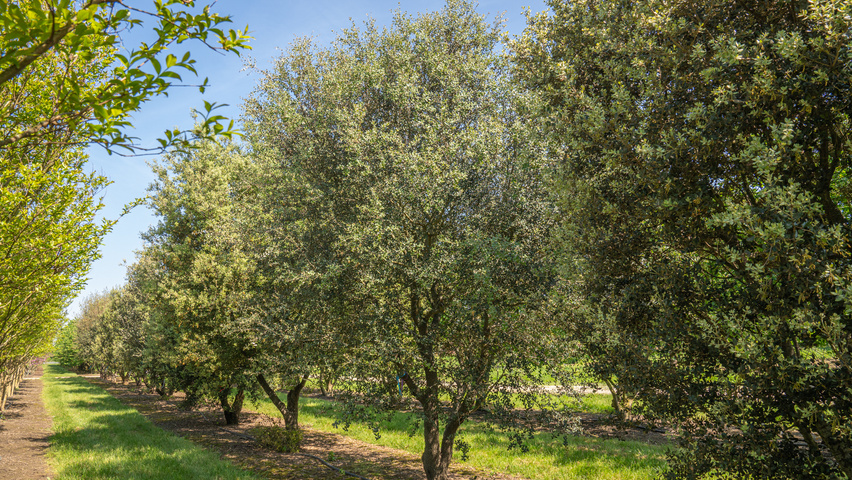
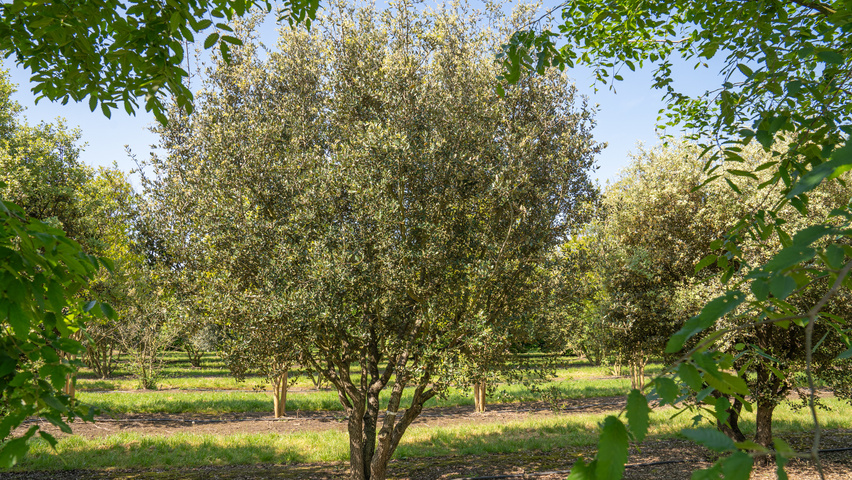
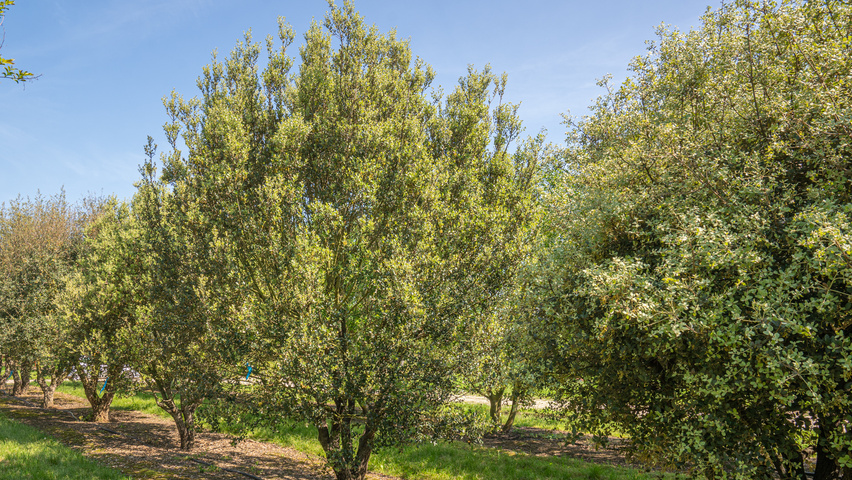
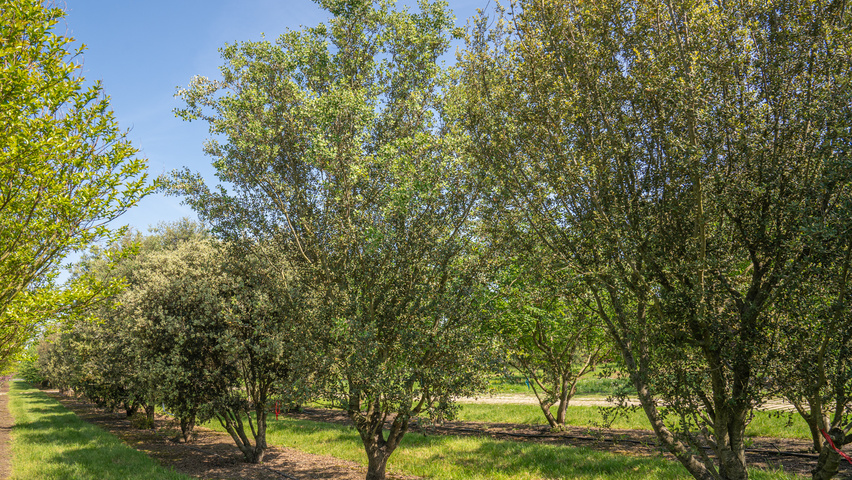
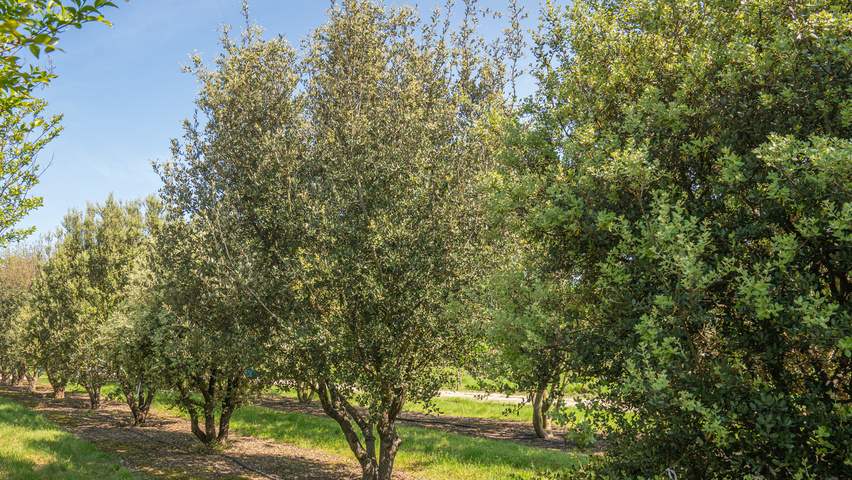
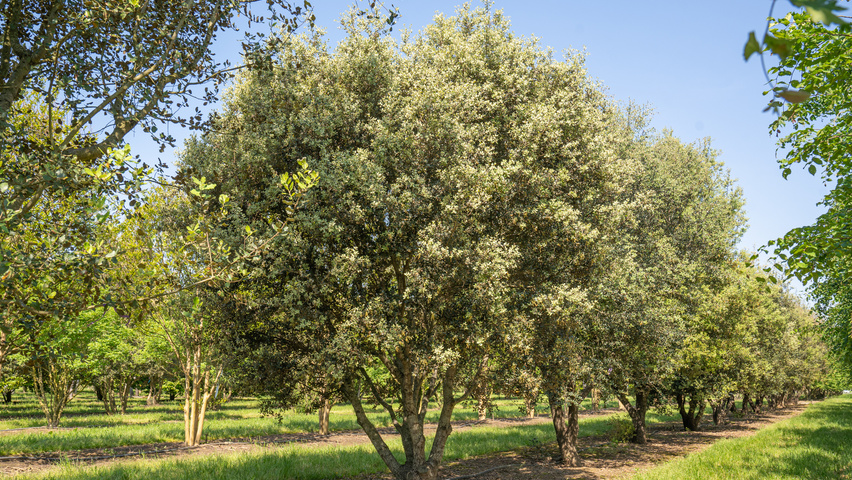
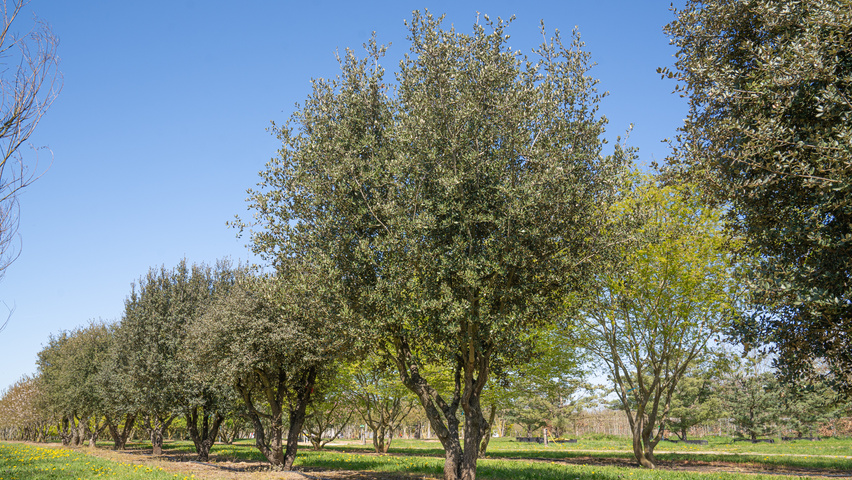
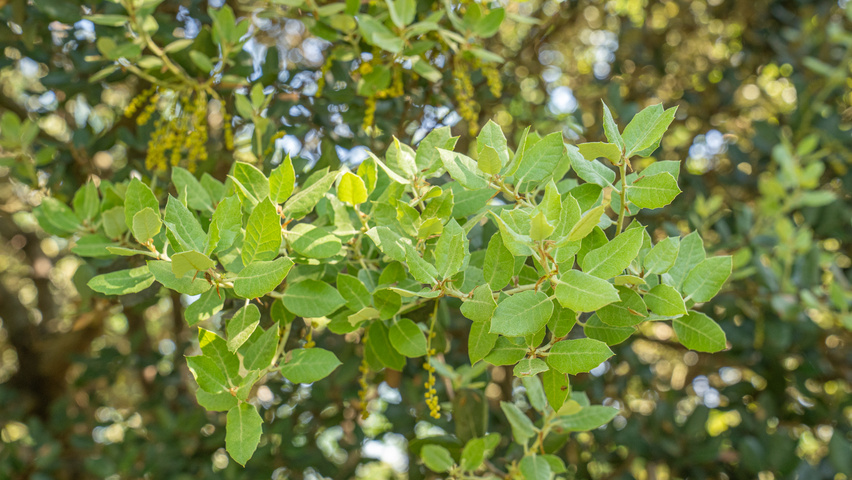
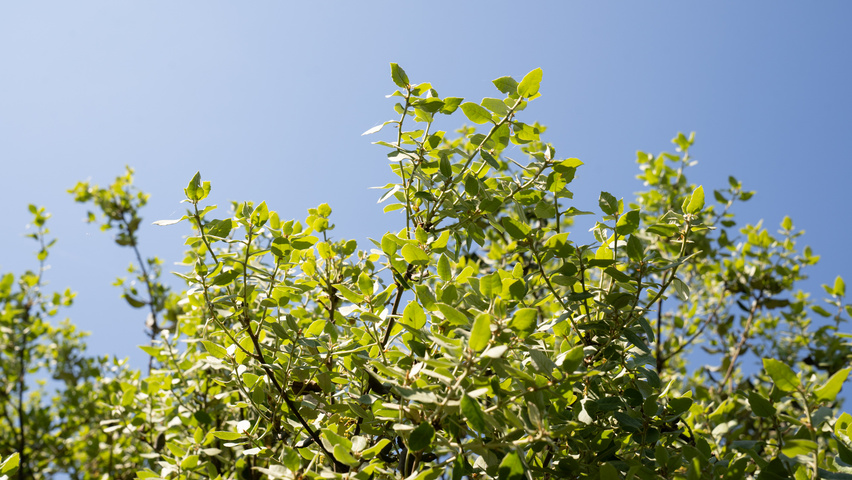
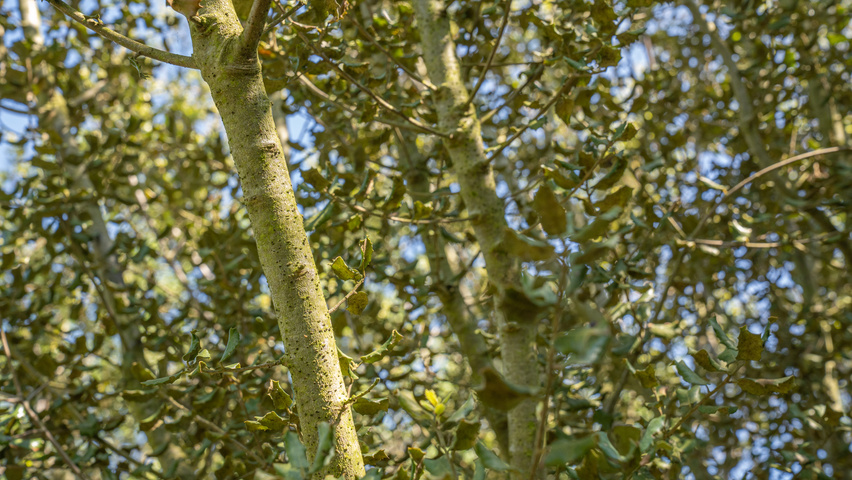
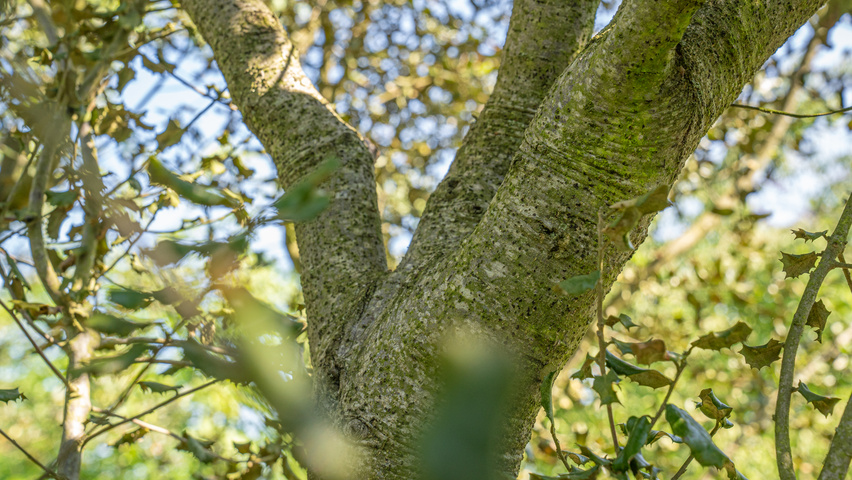
Quercus rotundifolia is an oak species found mainly in Portugal, southern Spain, Algeria, Tunisia and Morocco. It was formerly regarded as a subspecies of Quercus ilex. This oak is a key component of hot and dry regions, such as the oak savannas of Portugal and Spain, where it often grows together with Quercus coccifera and Cotinus coggyria. The species was first described in 1785 by the French naturalist Jean Baptiste de Lamarck. The round leaved holm oak typically grows eight to twelve meters tall and wide, making it more of a large shrub or small tree with an irregularly rounded and dense crown. In its natural range it can reach heights of up to fifteen meters.
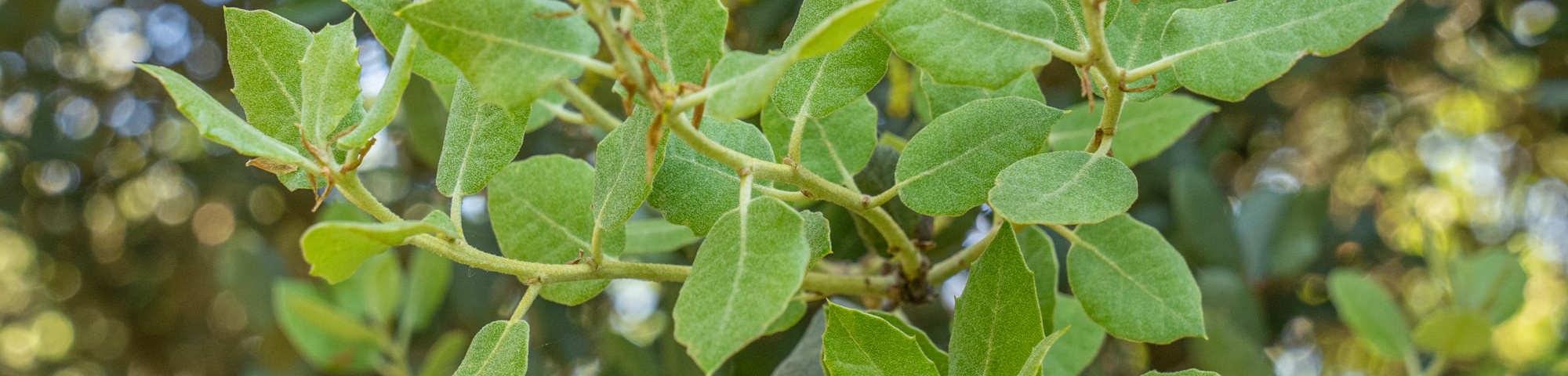
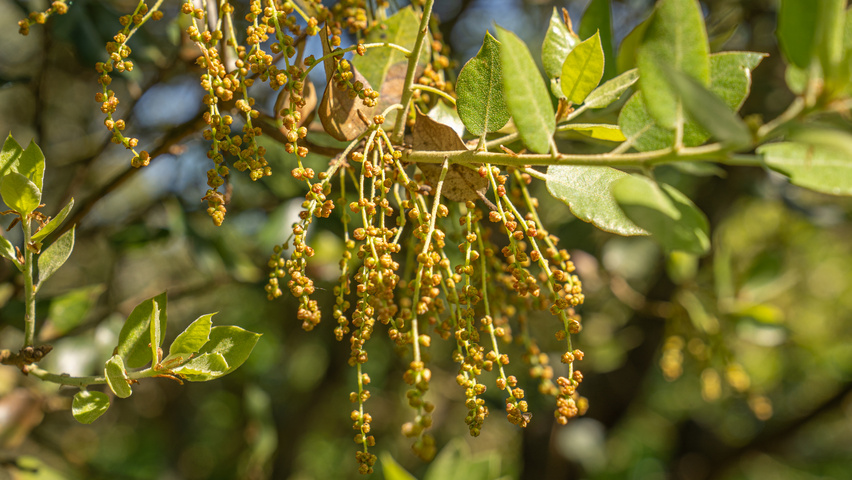
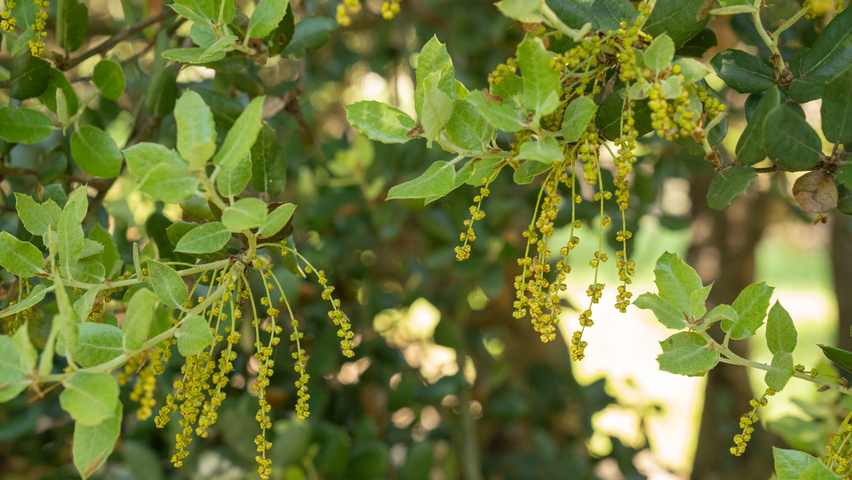
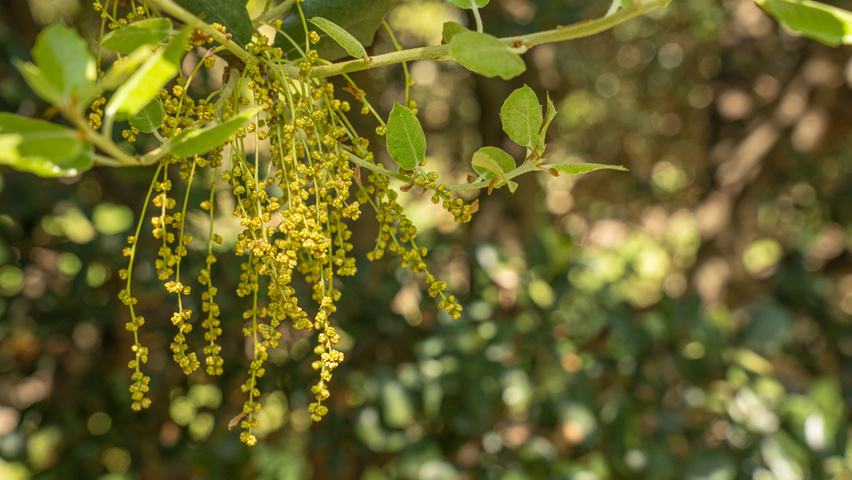
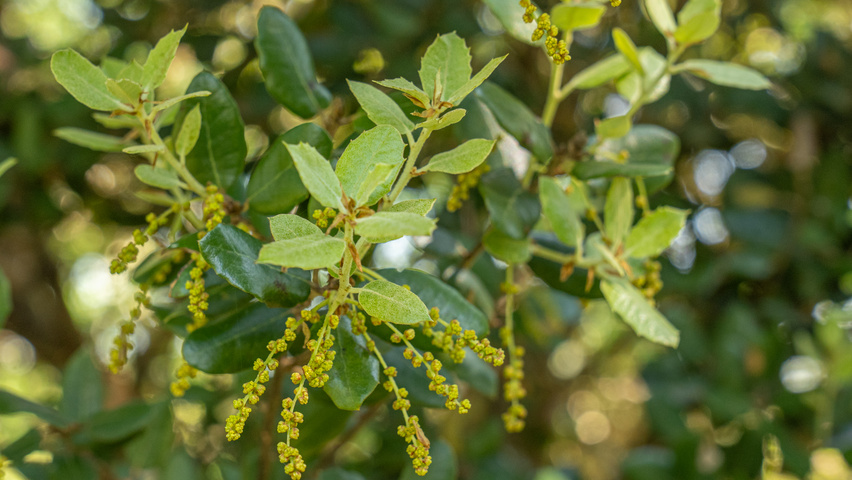
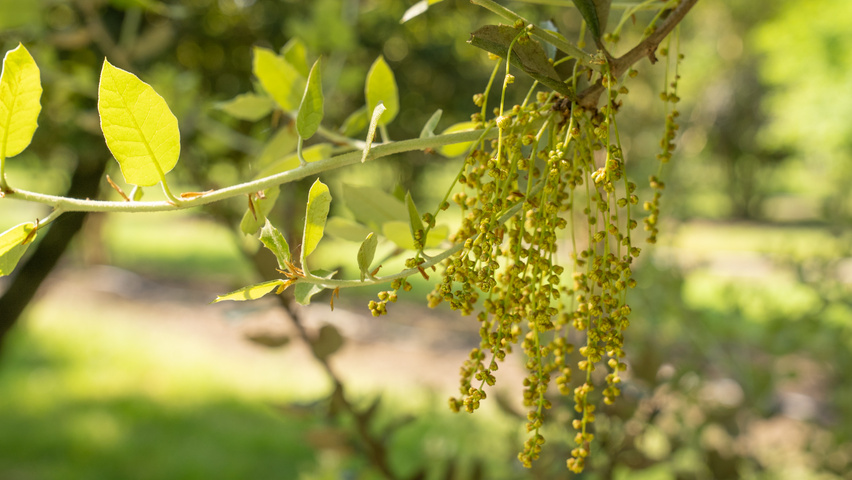
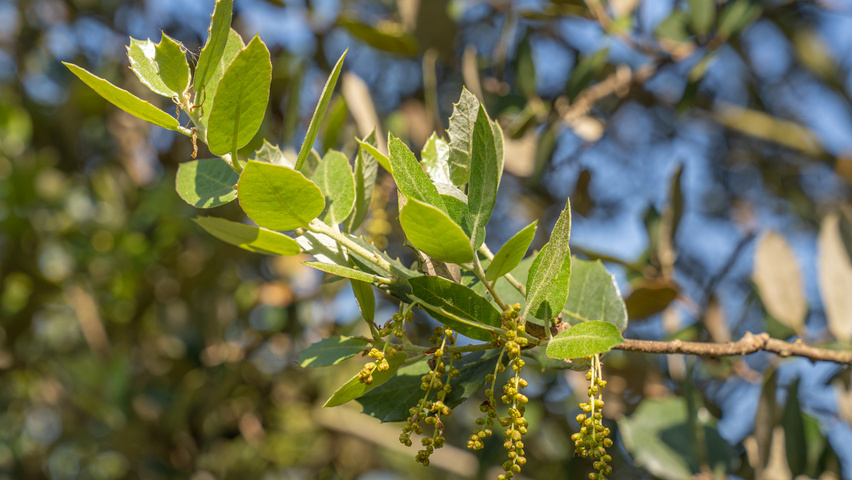
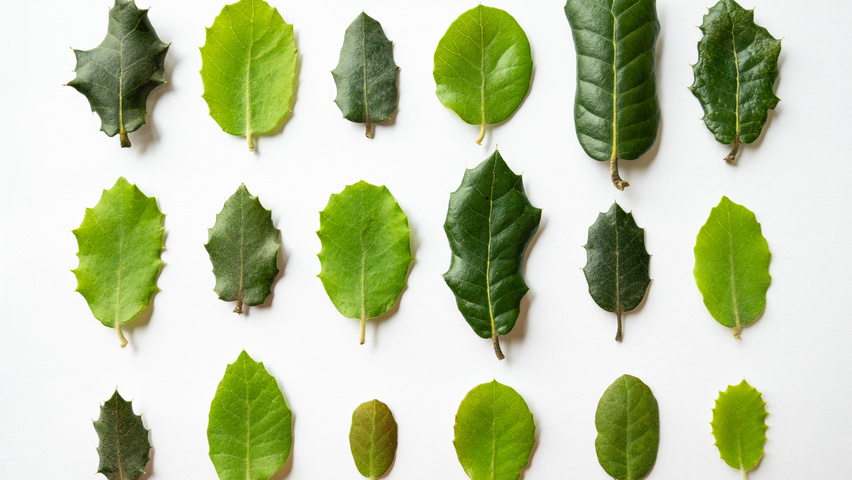
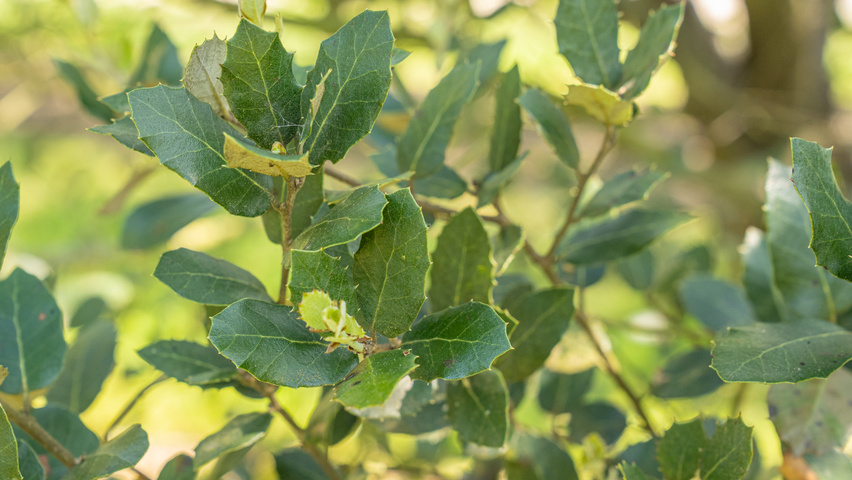
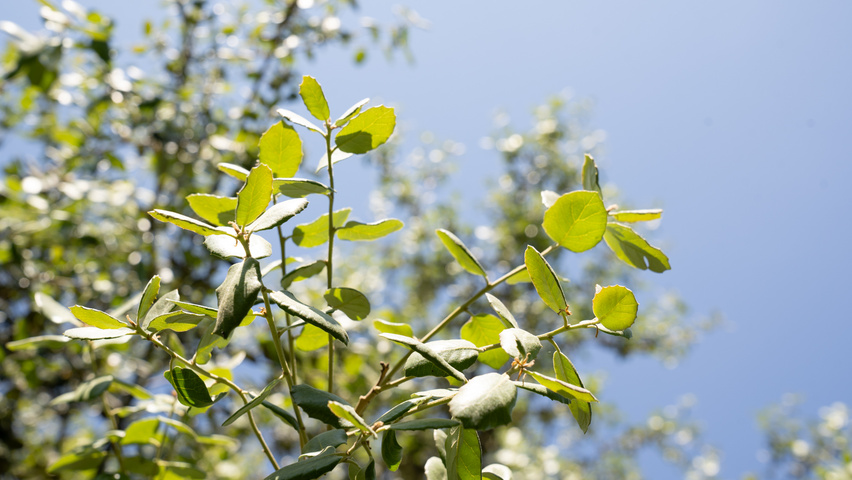
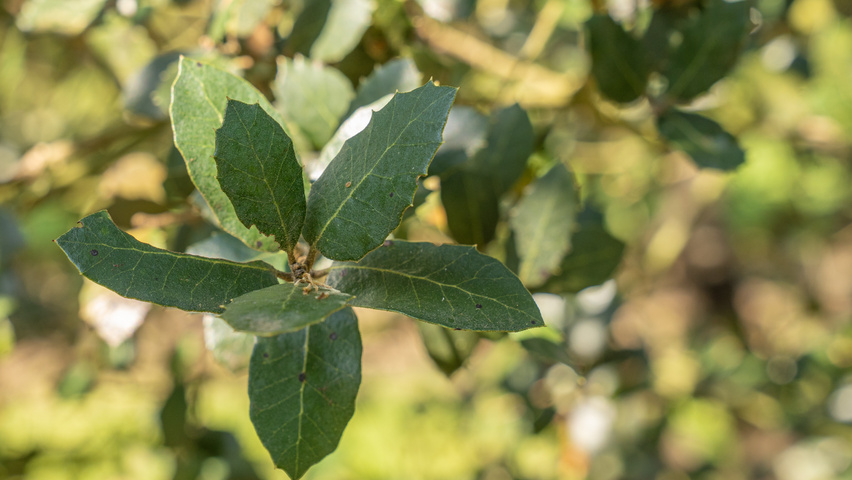
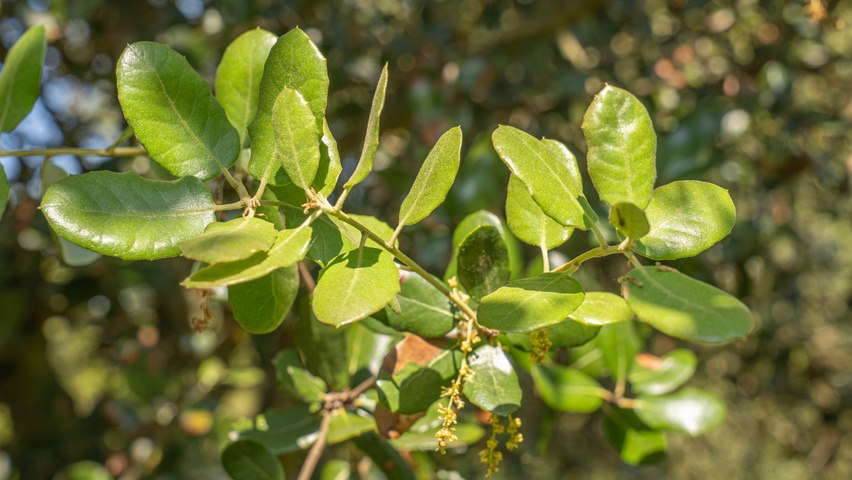
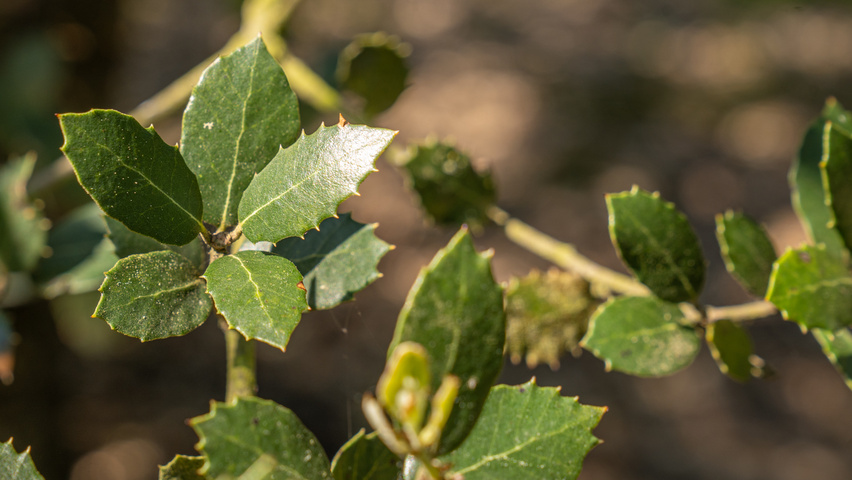
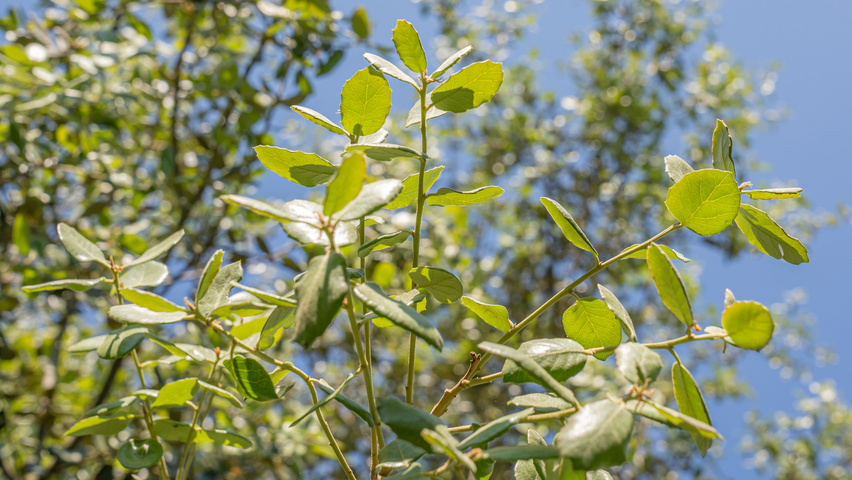
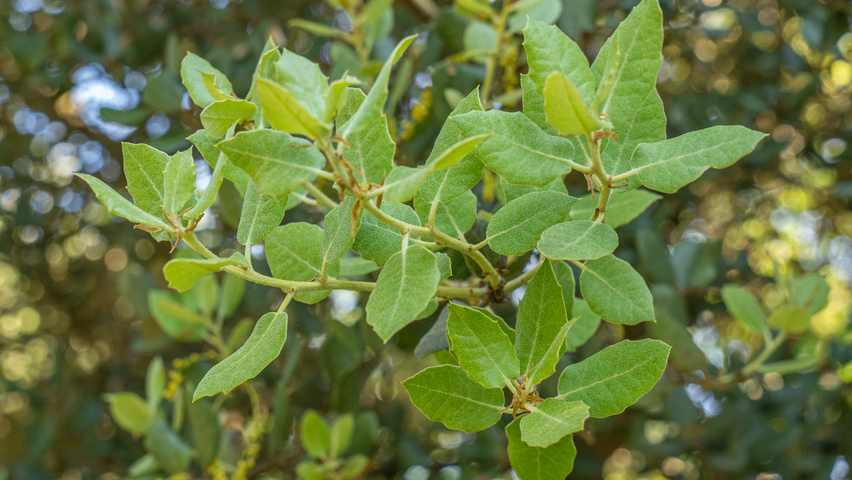
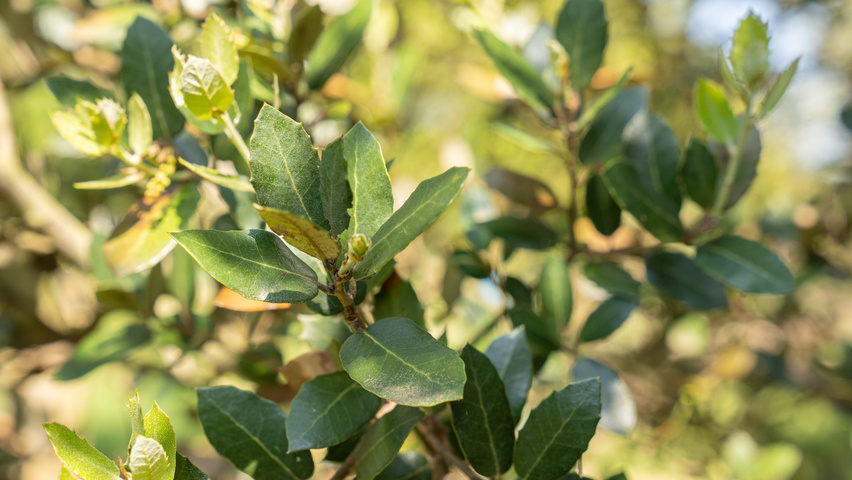
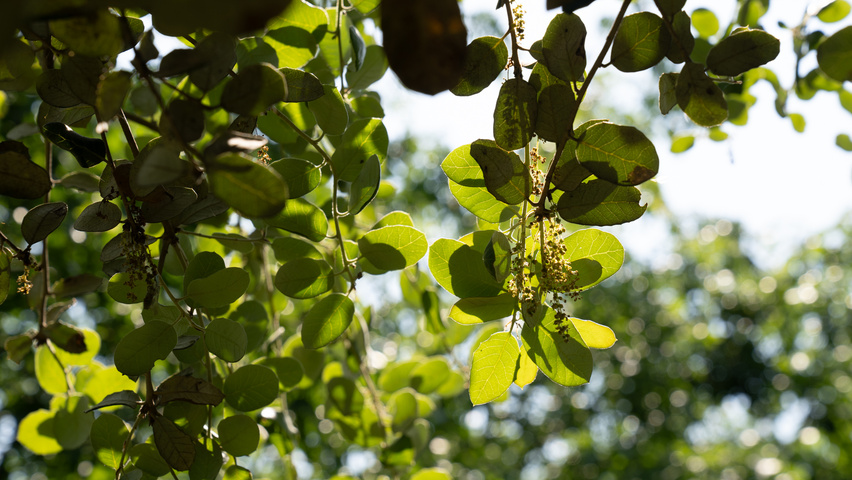
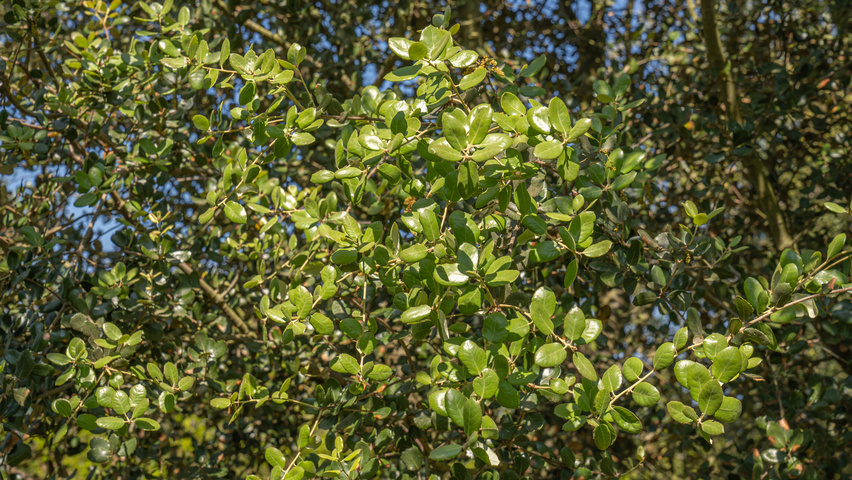
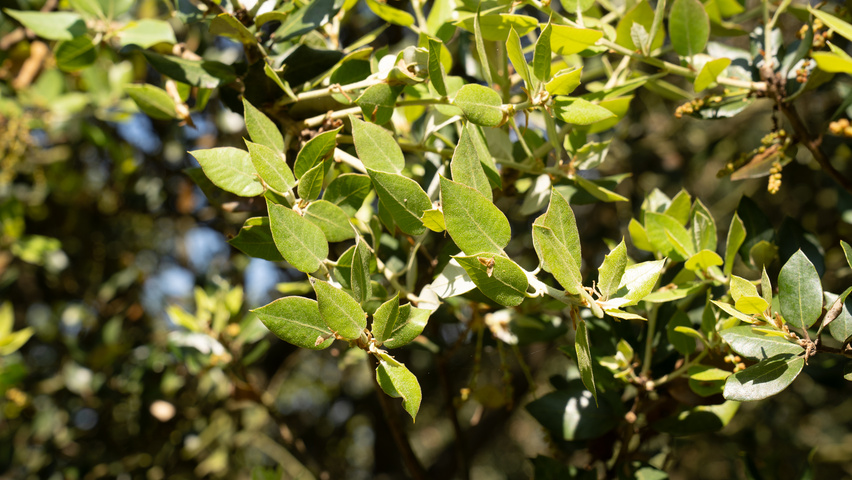
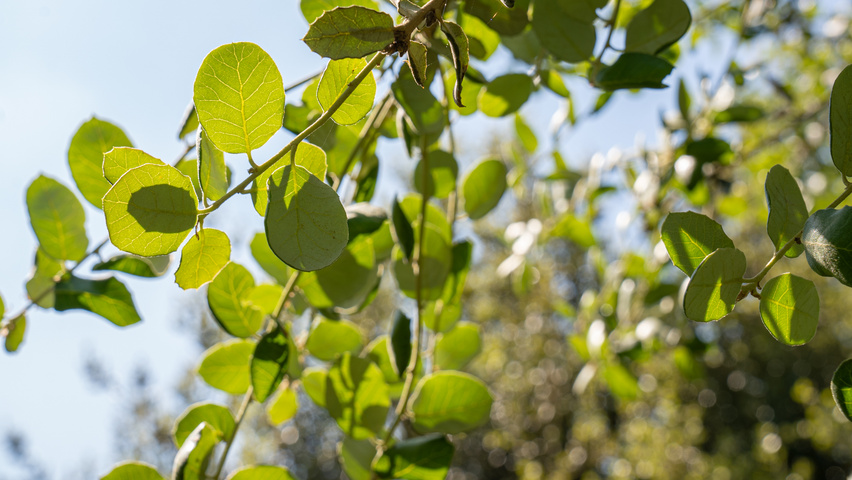
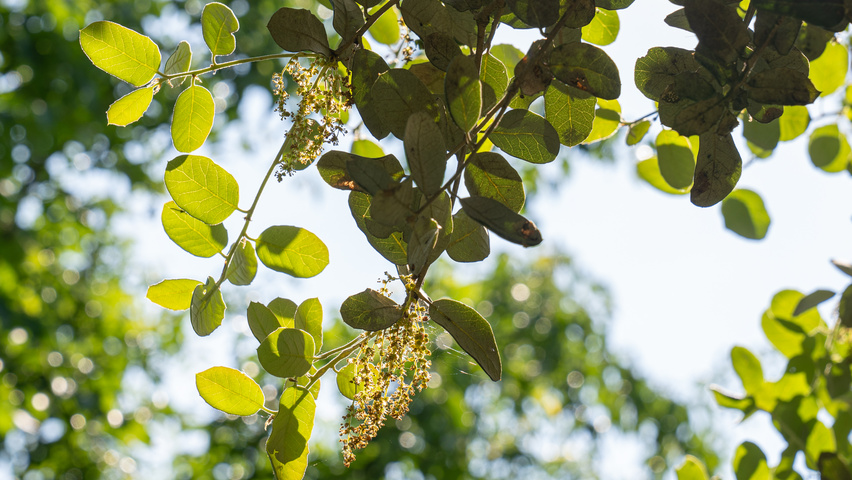
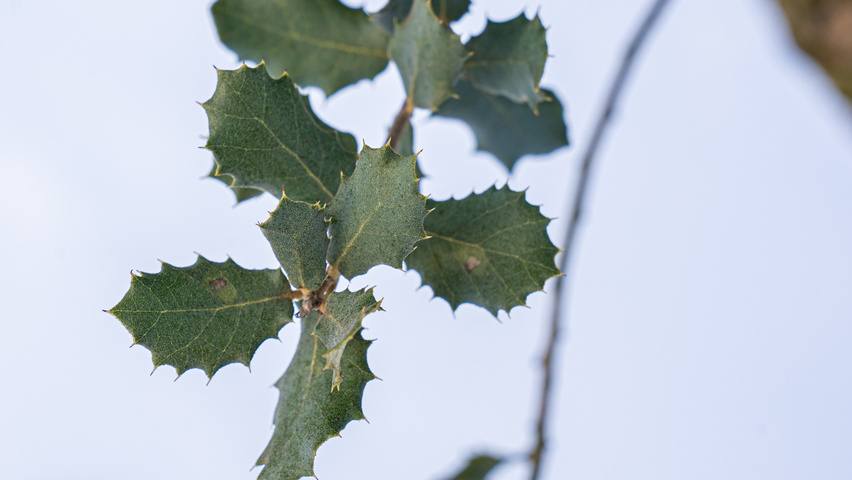
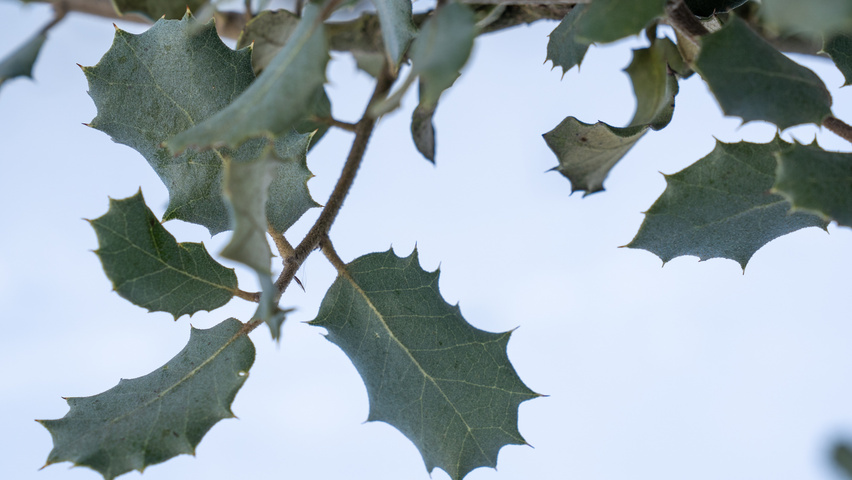
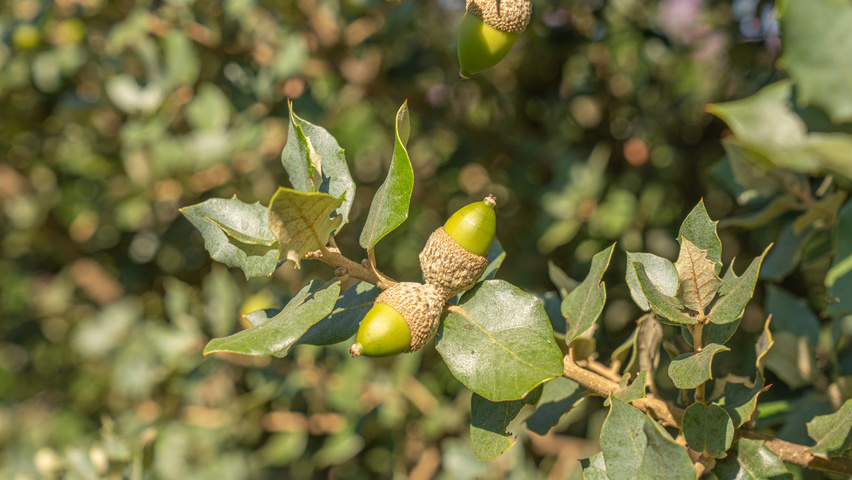
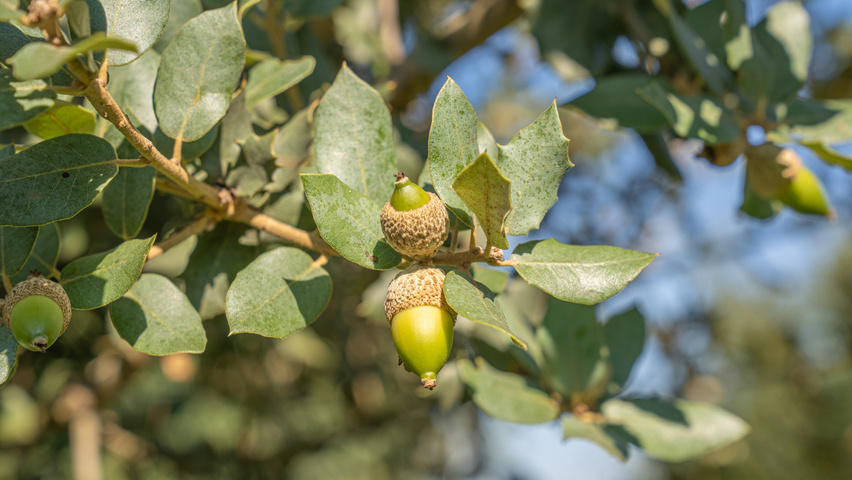
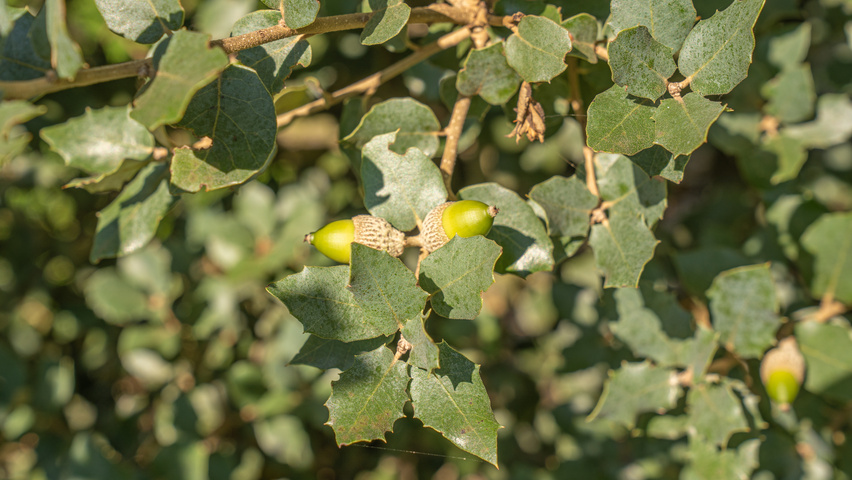
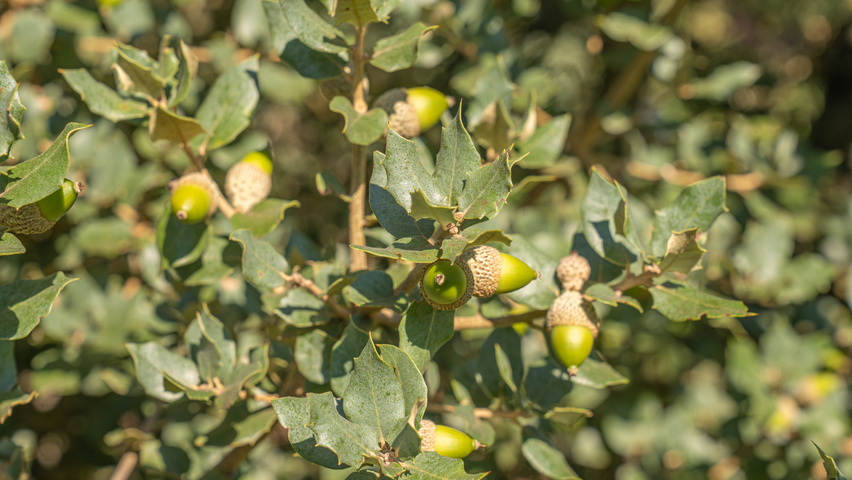
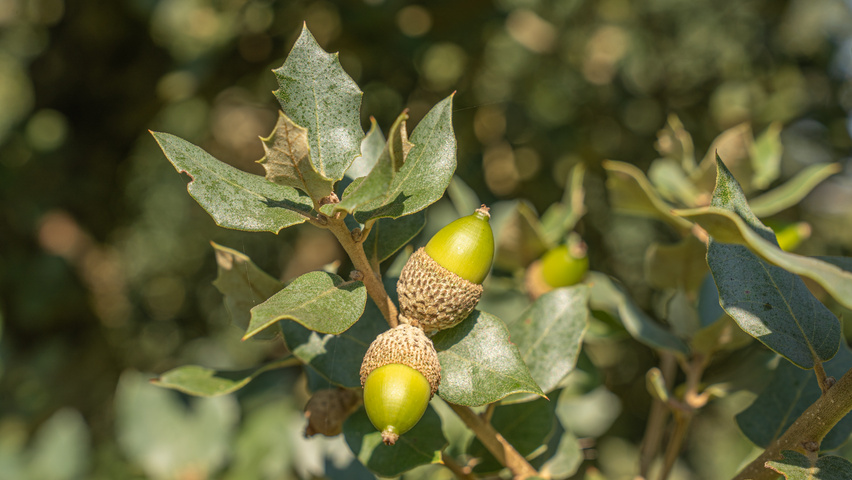
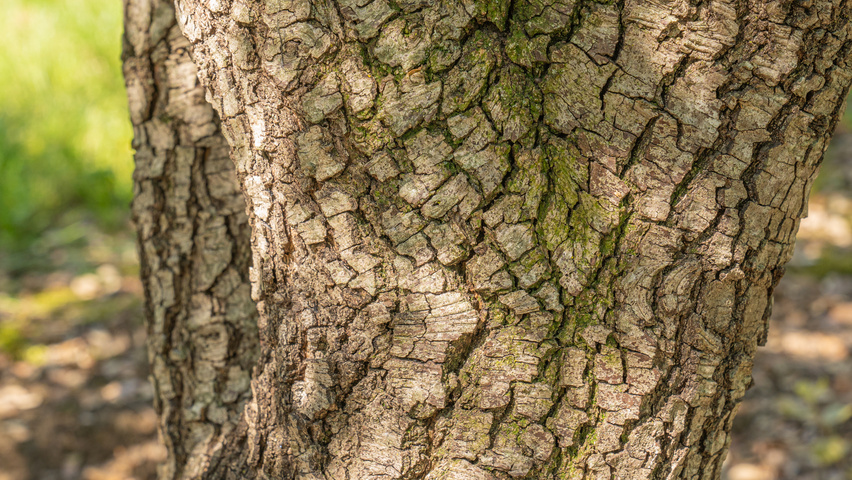
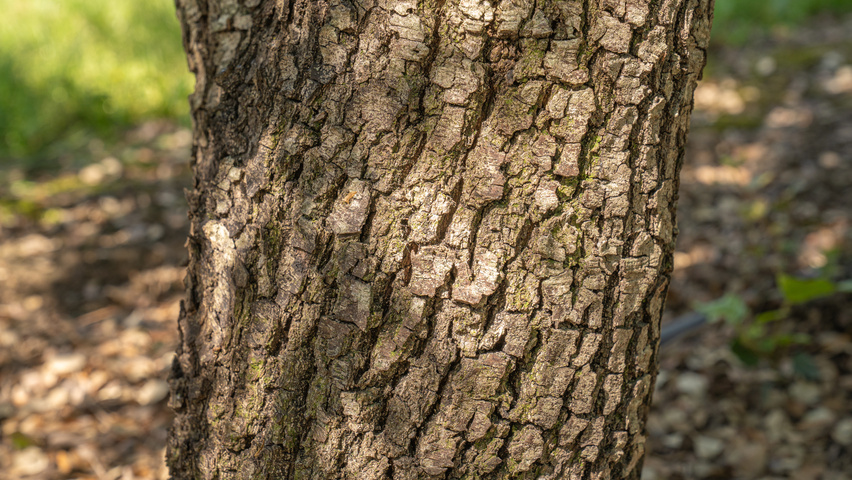
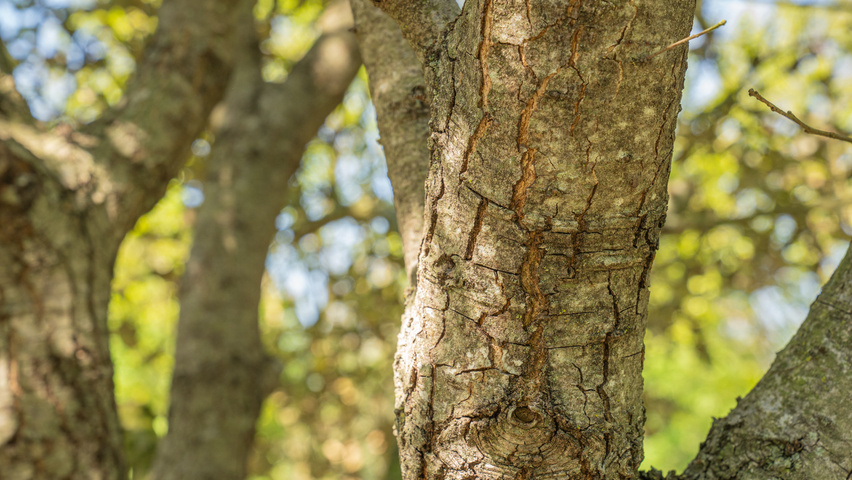
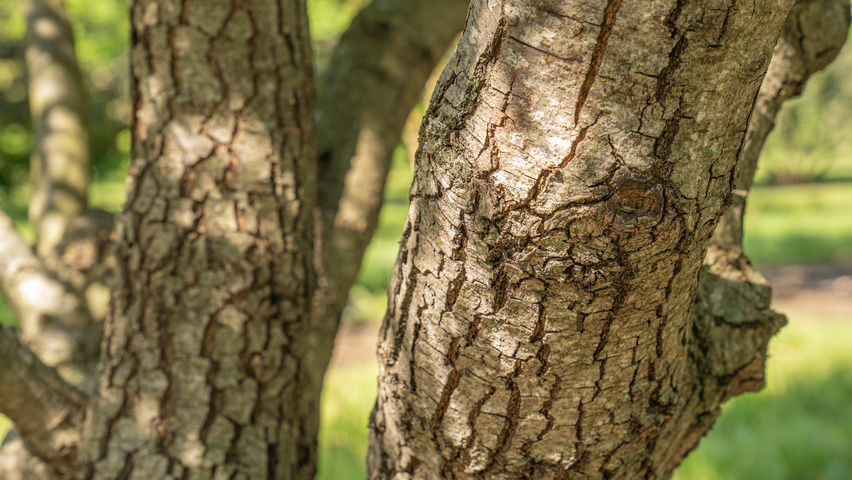
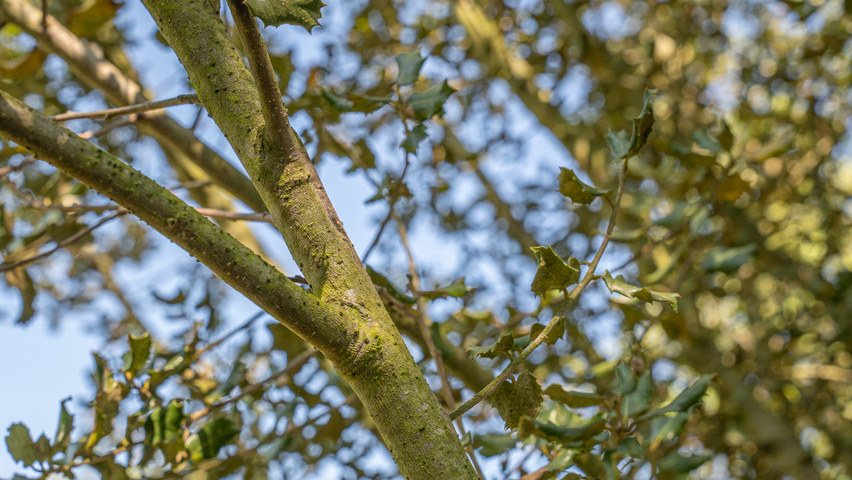
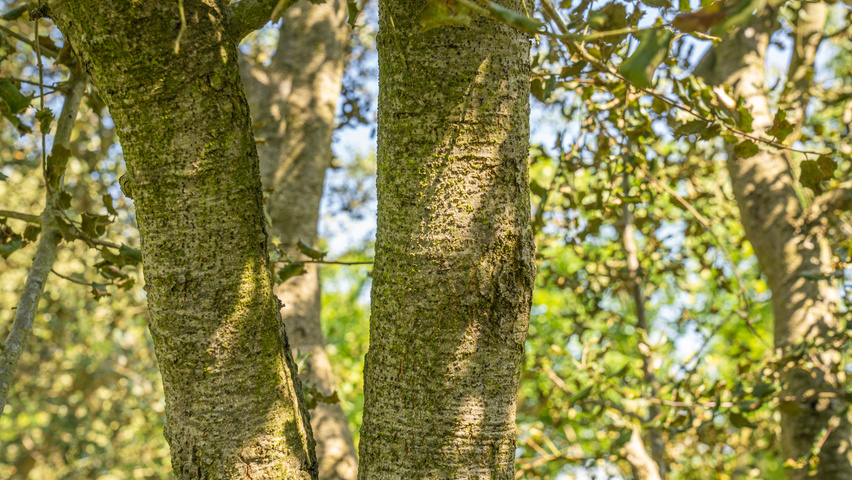
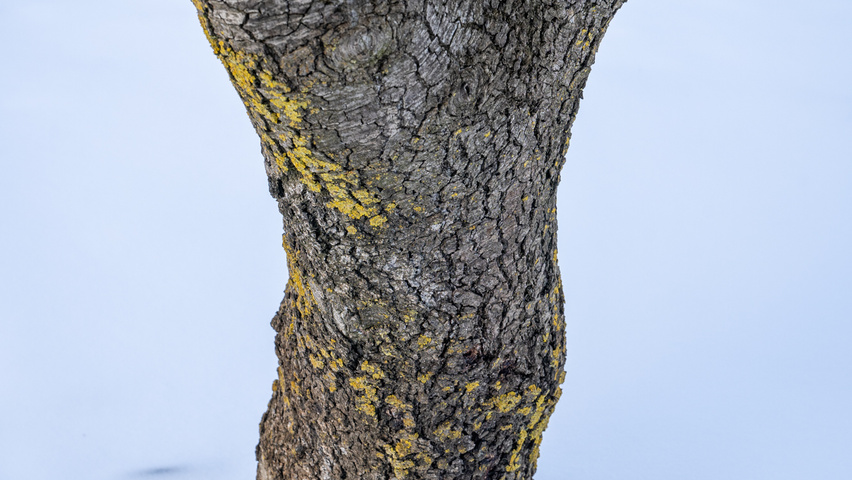
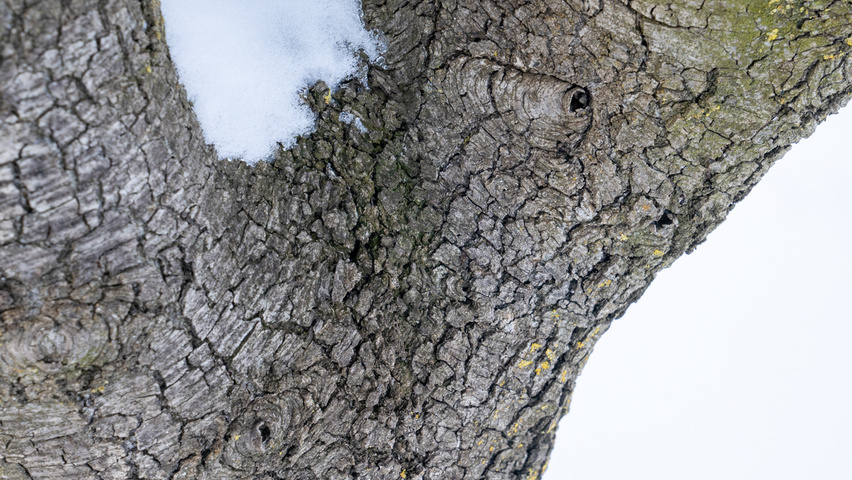
The foliage is, as the name suggests, rounded to broadly ovate and sometimes oval, with few teeth and a slightly hairy leaf margin. Young emerging leaves are more strongly toothed and covered with a gray white felt. The tough, leathery leaves are dark green in summer and remain on the tree throughout winter. At the beginning of summer the oldest leaves are shed. Flowering takes place from February to April, with golden yellow catkins that contrast attractively with the dark green foliage. The bark is dark gray and smooth, later exfoliating into small square plates on older trees. The acorn cup covers about one third to one half of the acorn. Unlike the acorns of Quercus ilex, the acorns of Quercus rotundifolia are sweet and readily eaten by birds, mammals and humans. For thousands of years, flour made from these acorns has been used in food. This oak also serves as a host tree for black truffle and summer truffle.
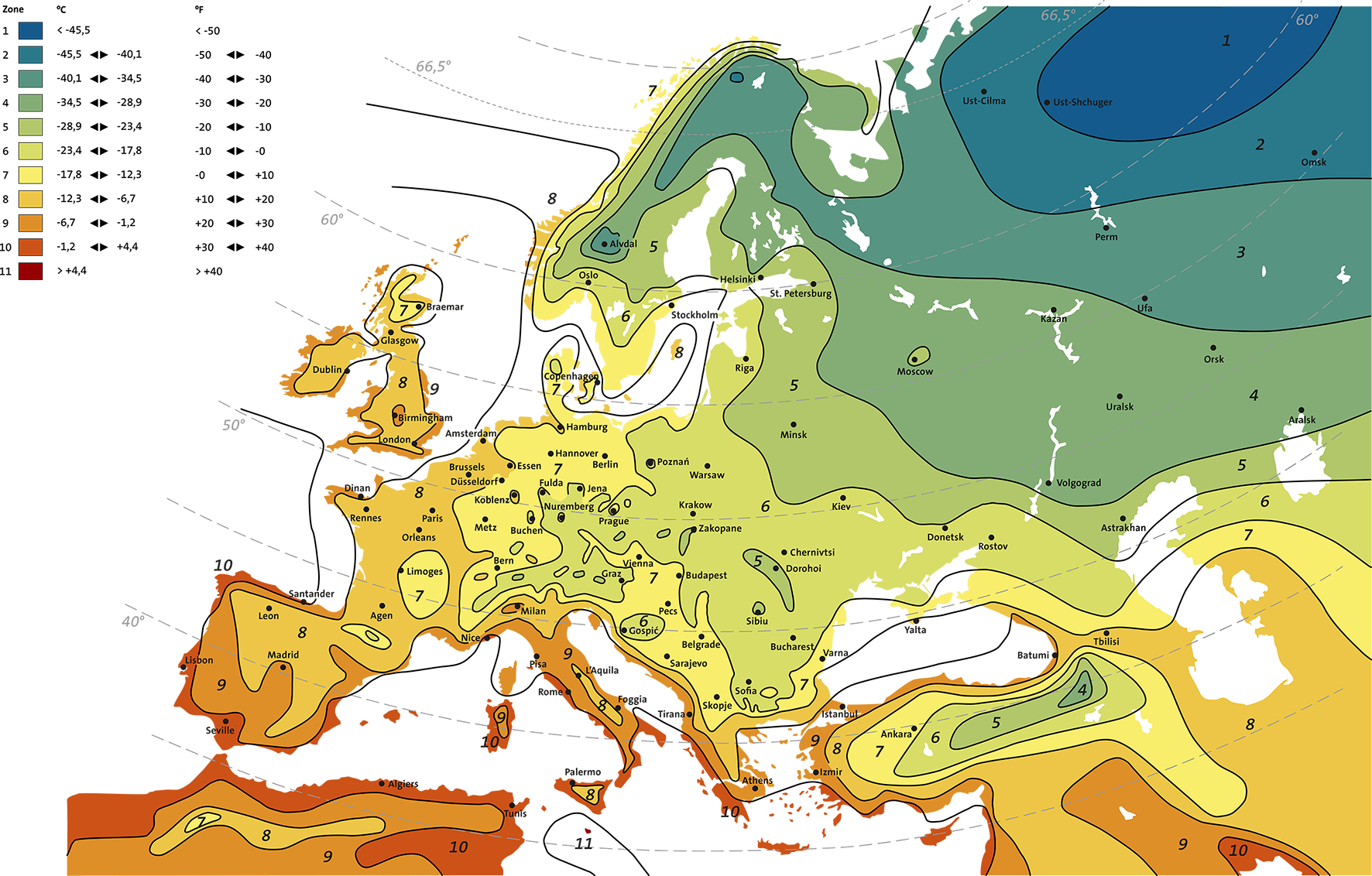
Quercus rotundifolia tolerates temperatures up to 47 degrees Celsius in summer and down to minus 20 degrees in winter. It grows on a wide range of soil types, depths and pH levels, provided the soil is well drained. This makes it particularly suitable for cities facing a changing climate, especially since the acorns do not generally cause nuisance. This evergreen and highly characterful tree can be used in tree pits, parks and gardens, where it provides both privacy and shade.