+
Tilia cordata 'Böhlje'

Tilia cordata 'Böhlje'

Böhlje little-leaf Linden

synonym Tilia cordata 'Erecta'
Tilia cordata 'Select'

Description

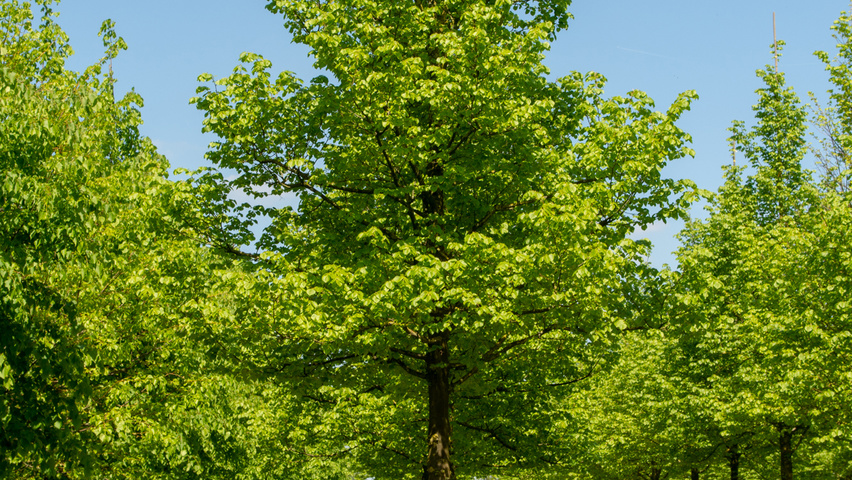
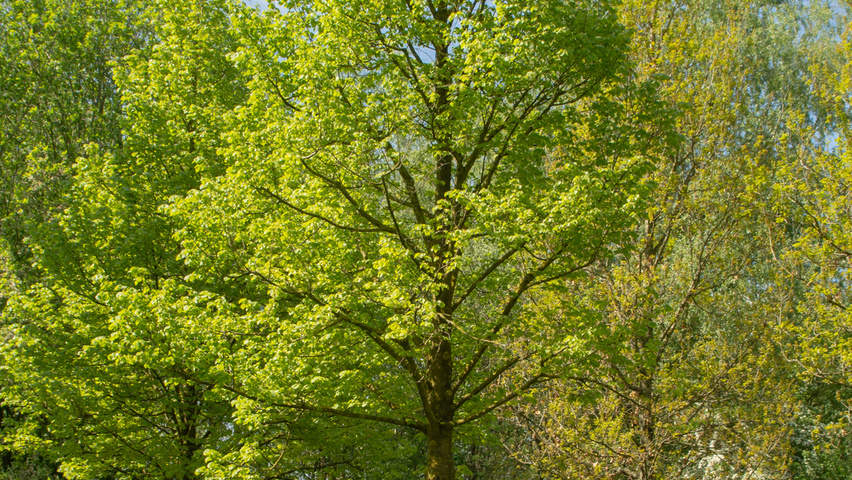
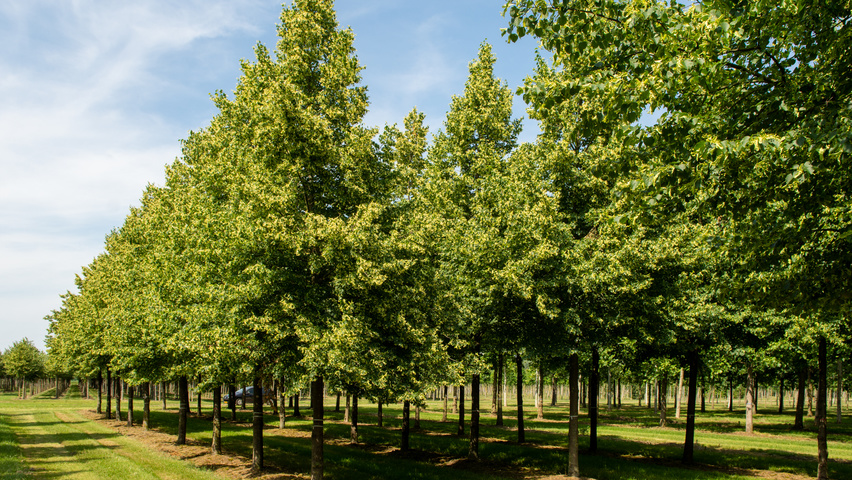
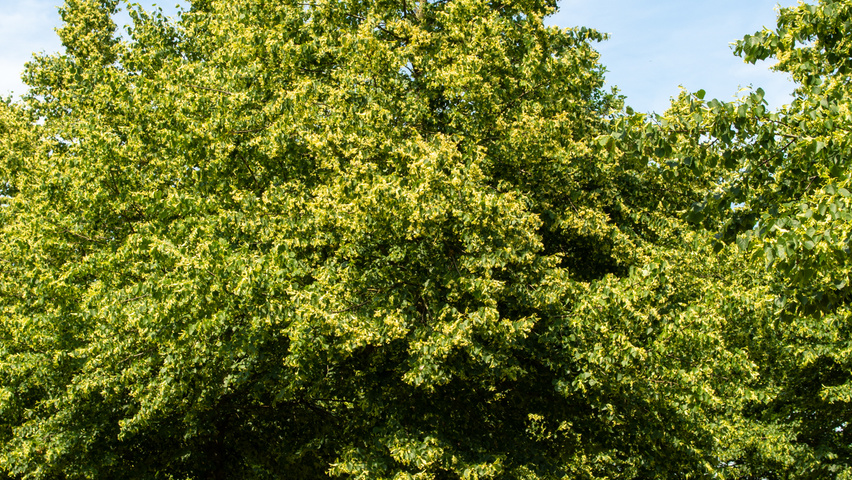
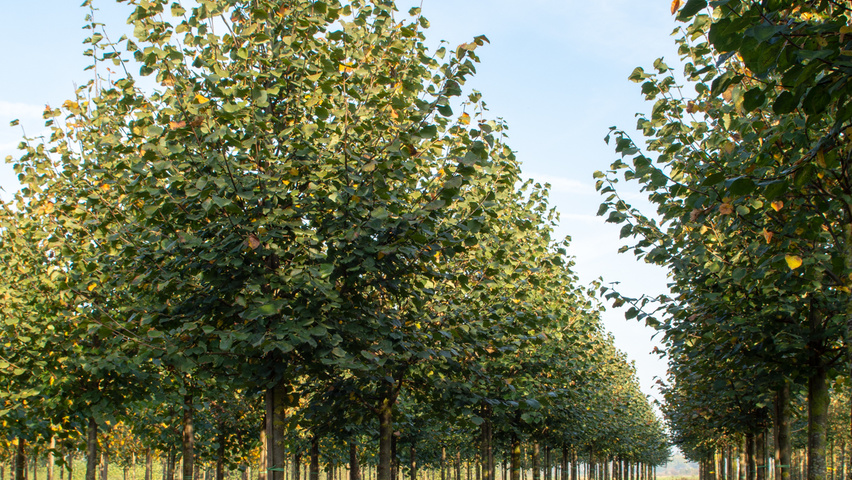
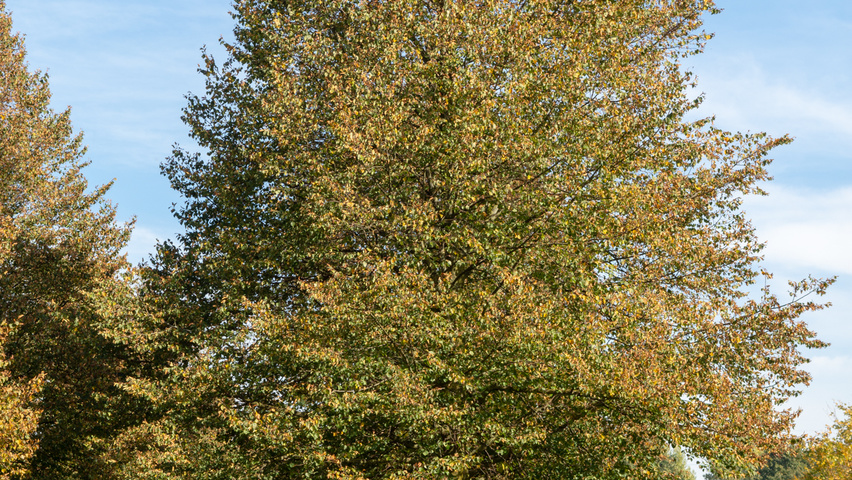
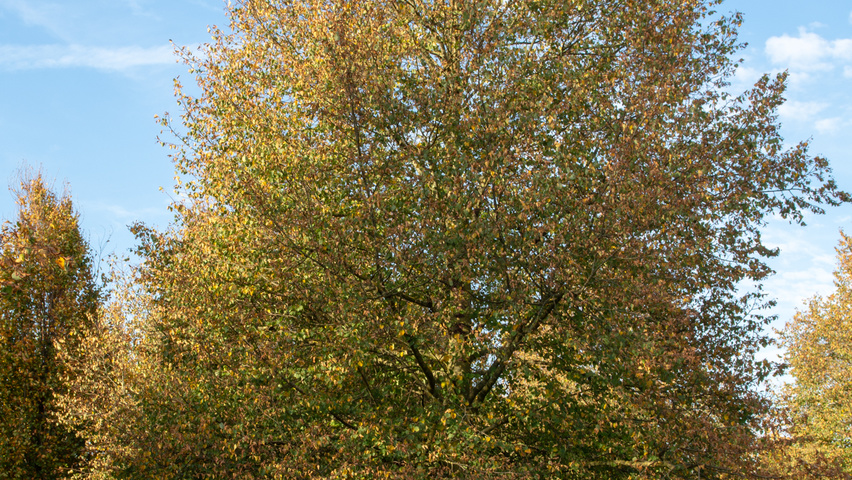
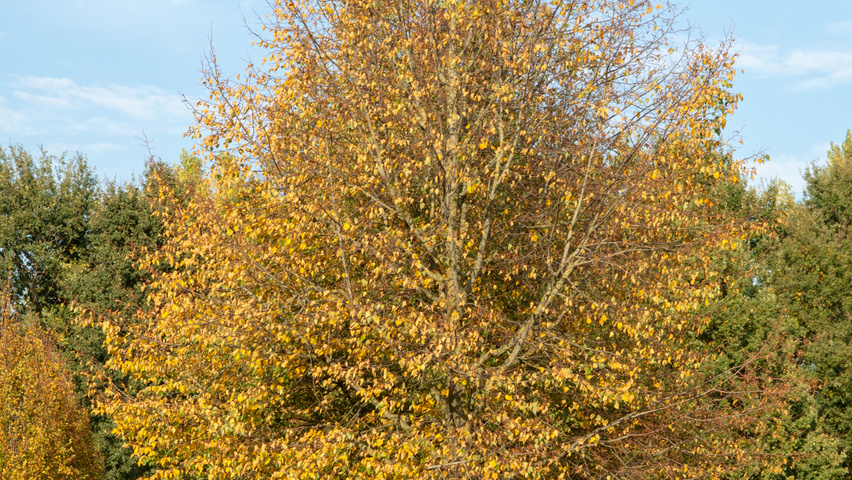
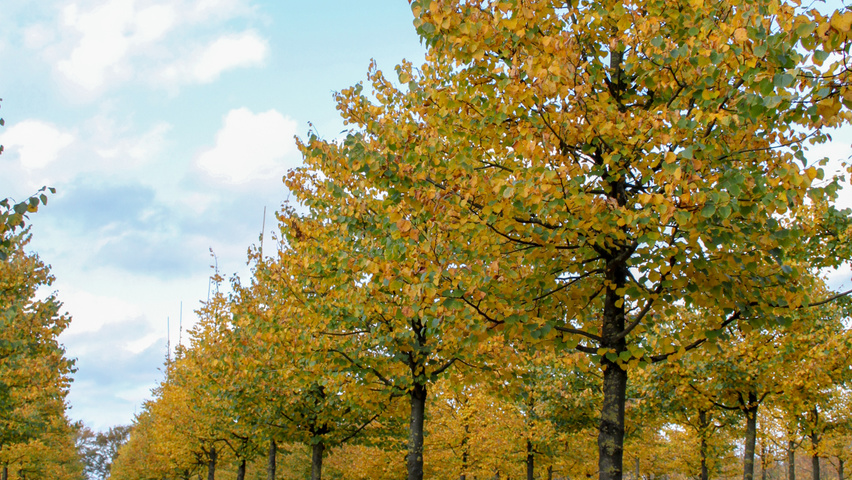
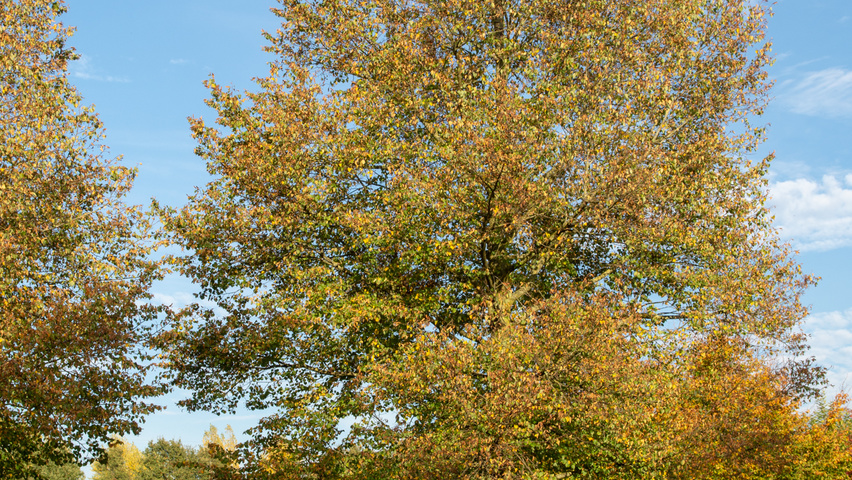
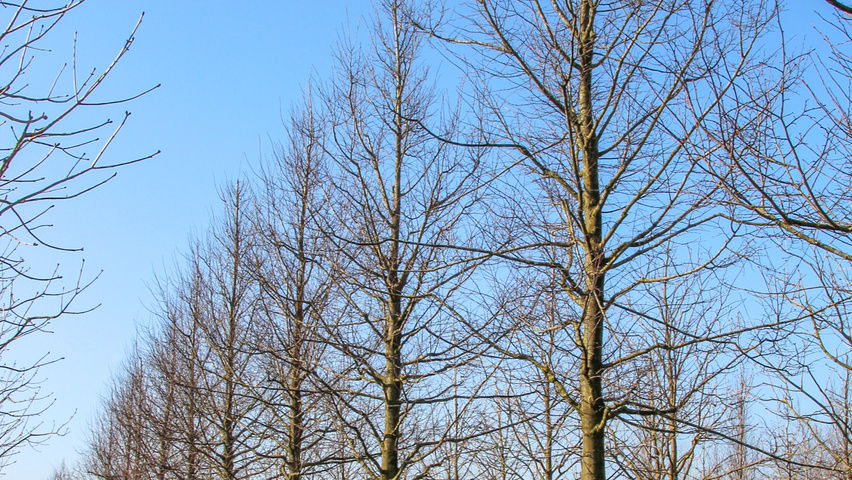
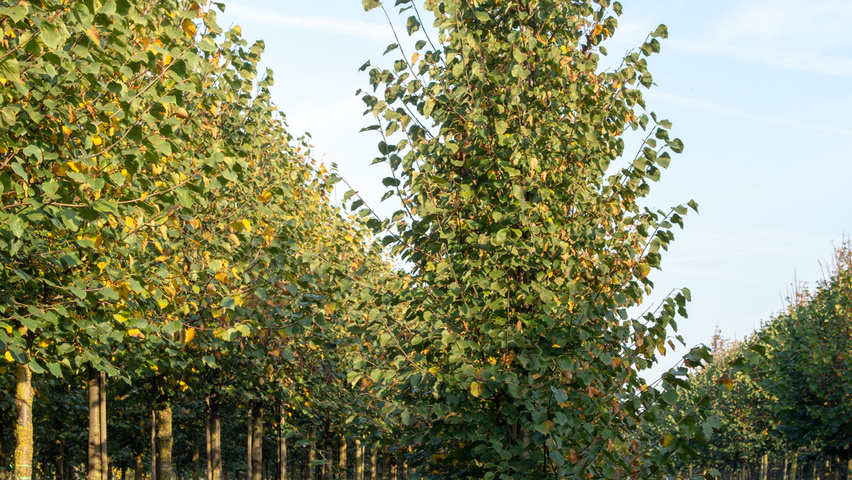
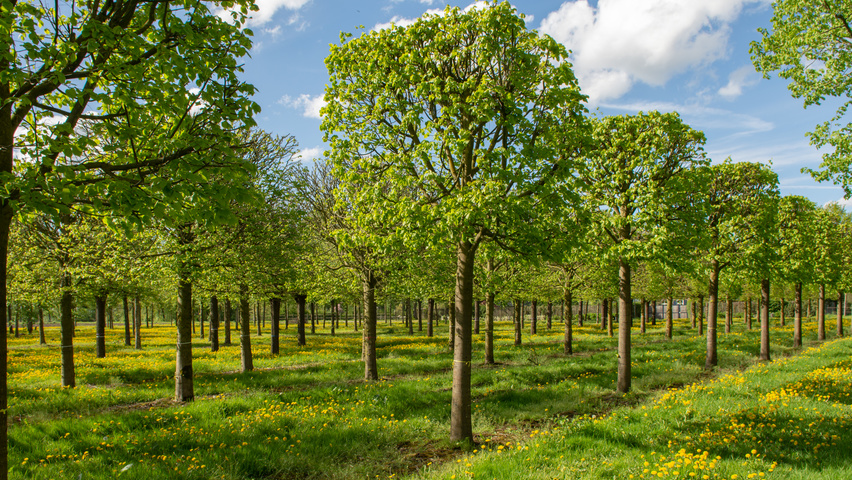
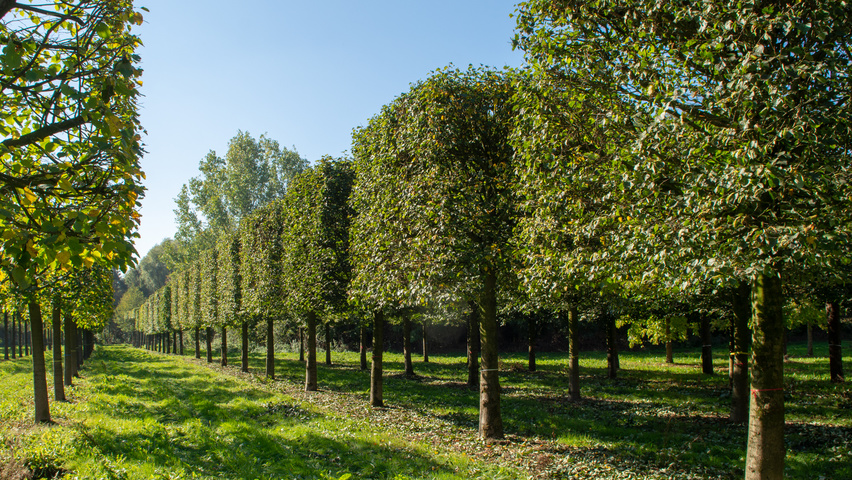
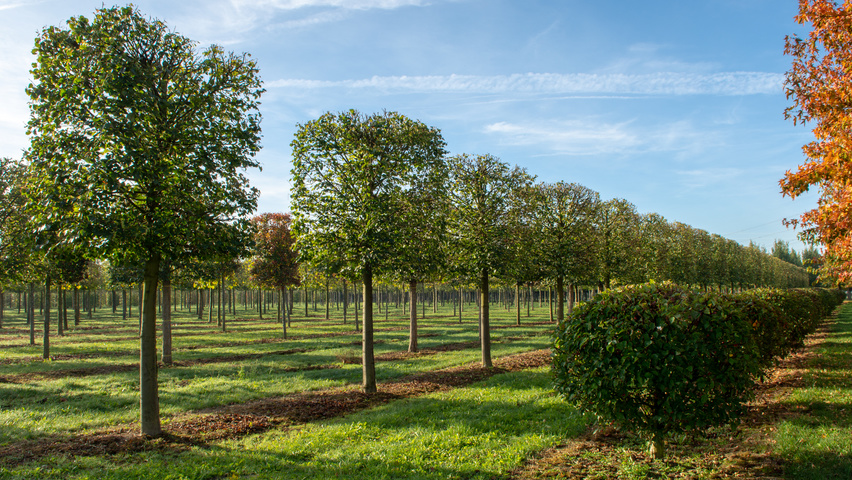
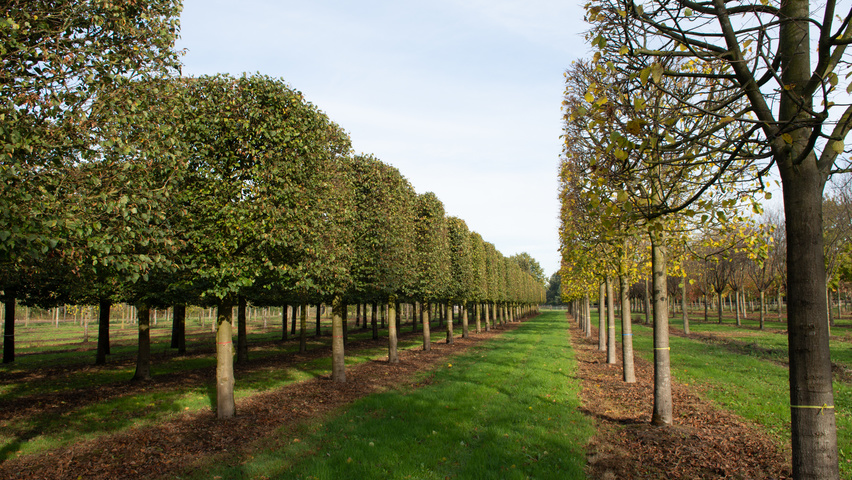
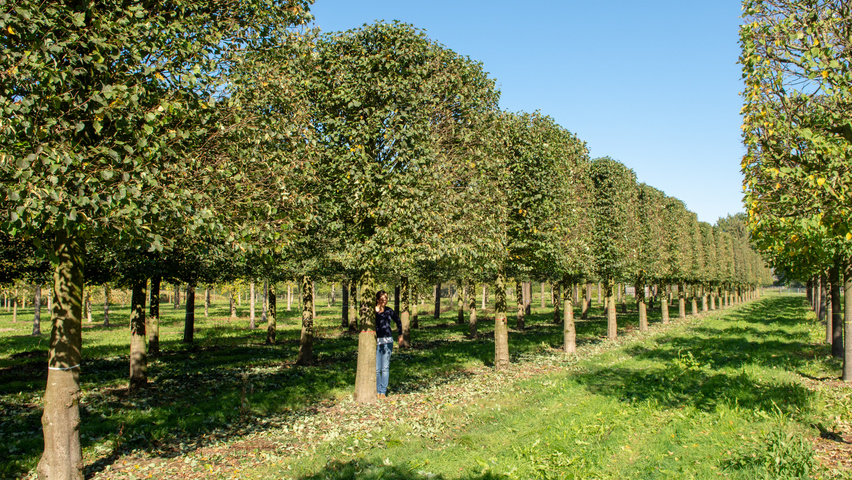
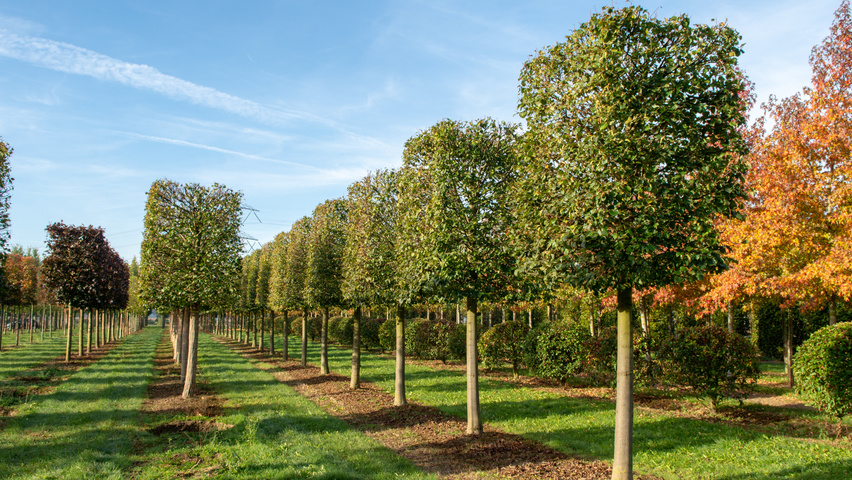
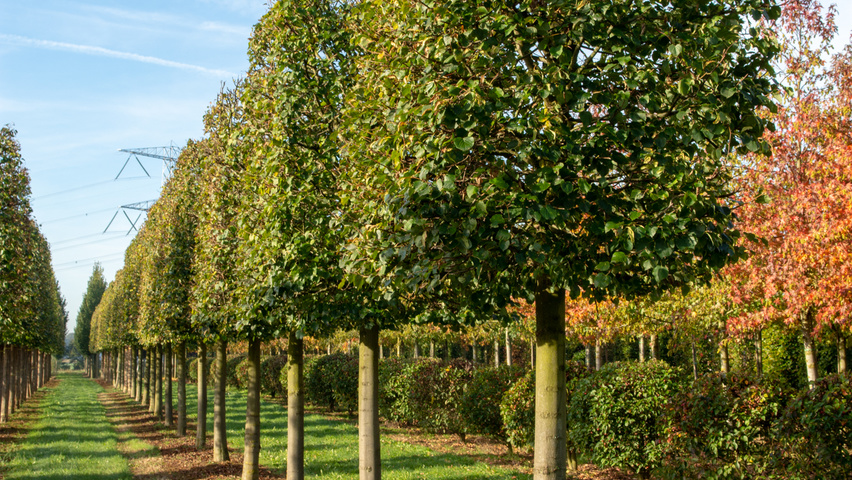
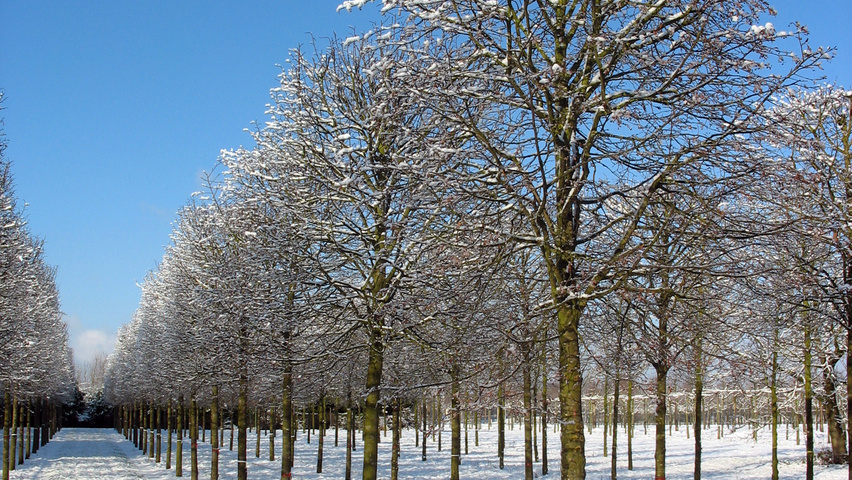
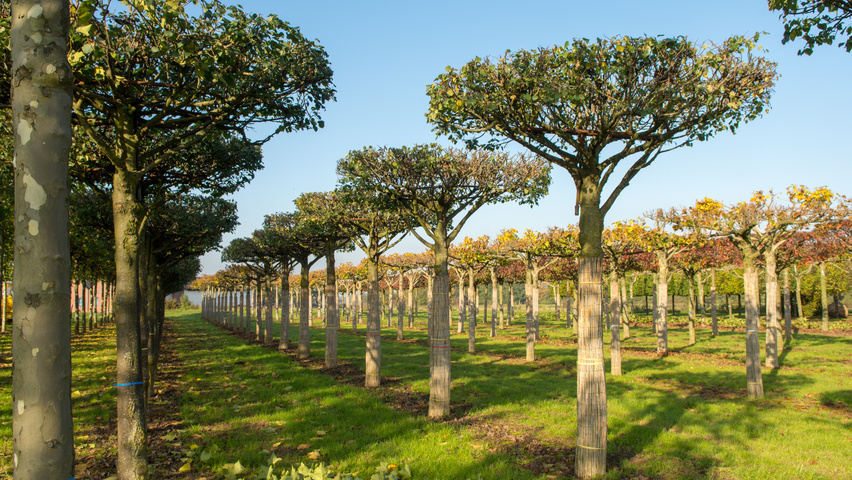
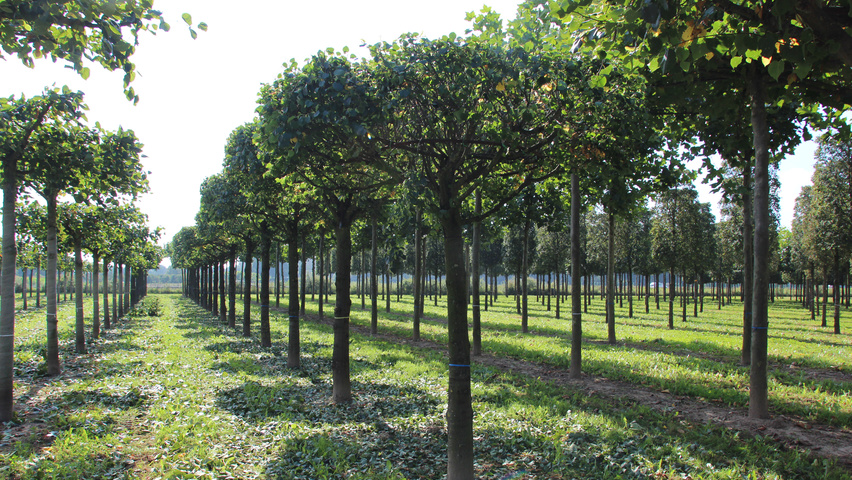
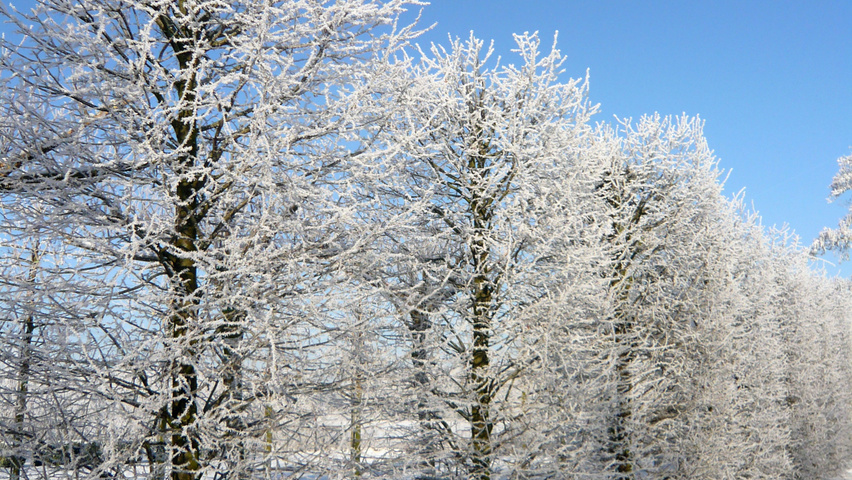
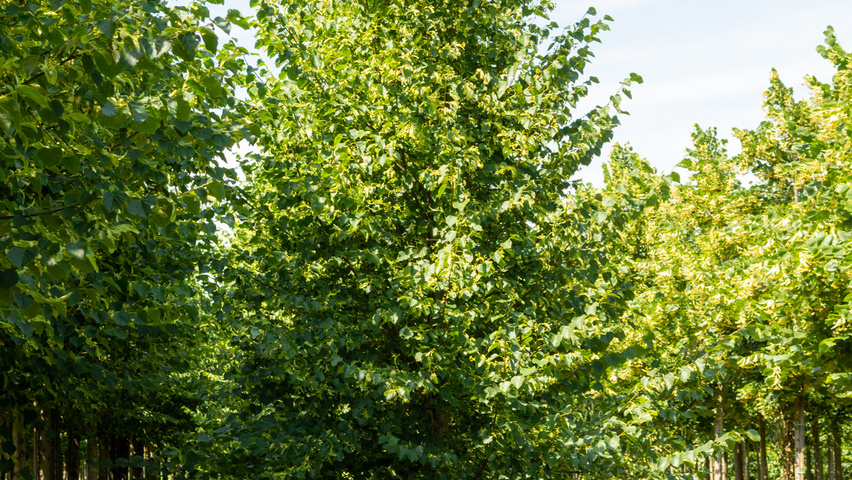
Tilia cordata ‘Böhlje’ was selected around 1890 by the former Böhlje nursery in Oldenburg, Germany. This selection has been marketed in the past under various names, including Tilia parvifolia ‘Typ Bohlje’, Tilia ‘Erecta’, and Tilia ‘Select’, but these names are no longer valid. It is an excellent avenue tree selection of the European native small-leaved lime, Tilia cordata. The tree develops a strong central leader and forms a narrow pyramidal crown that eventually becomes broader pyramidal while remaining densely branched. This shape is enhanced by branches that extend horizontally at the lower part of the tree and rise at increasingly steeper angles higher up the crown. Ultimately, the tree reaches a height of approximately ten to fifteen meters and a width of six to nine meters.

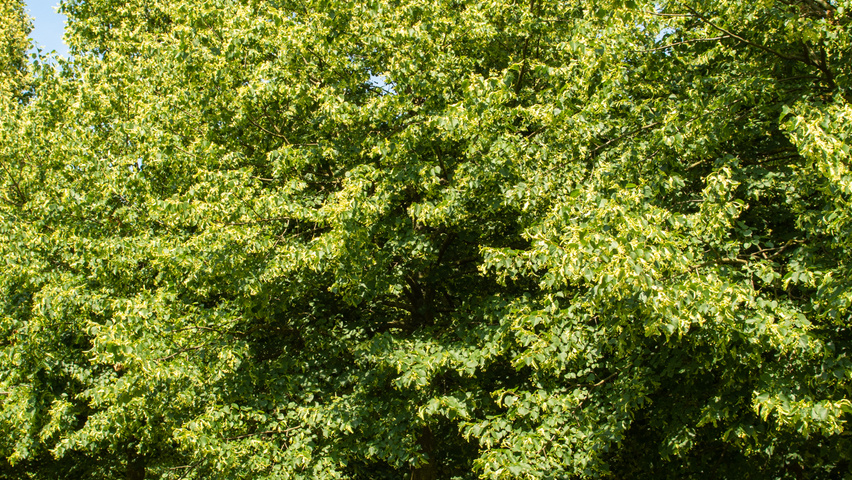
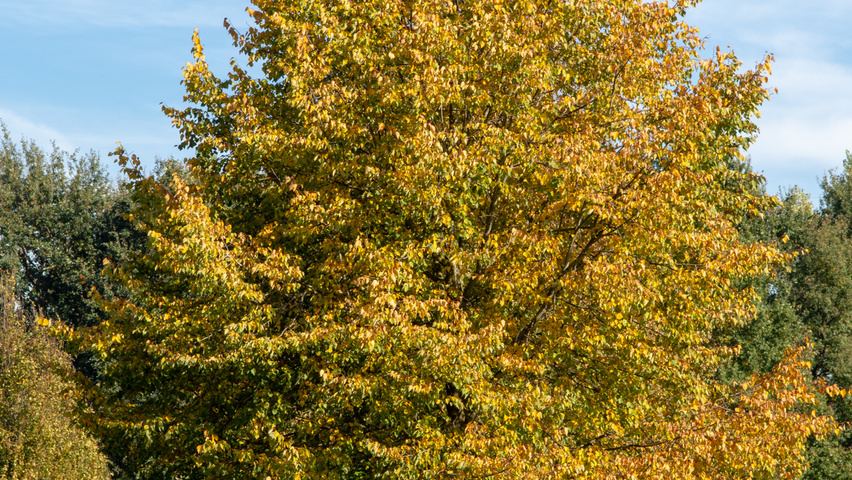
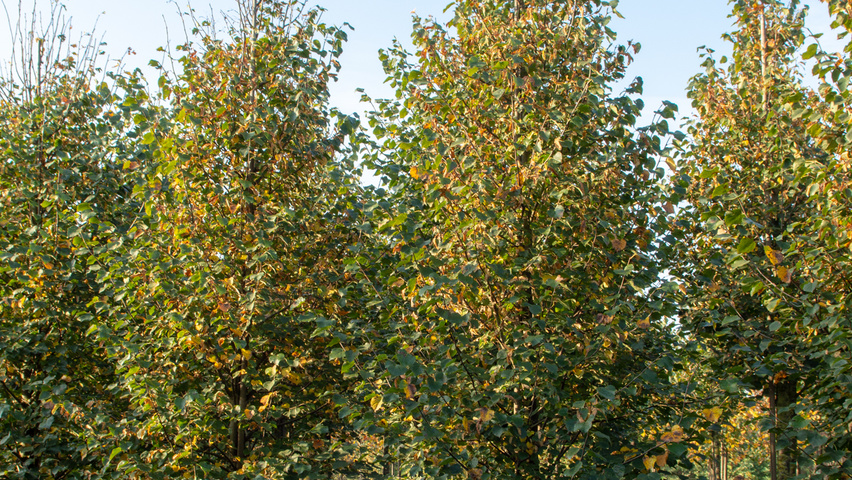
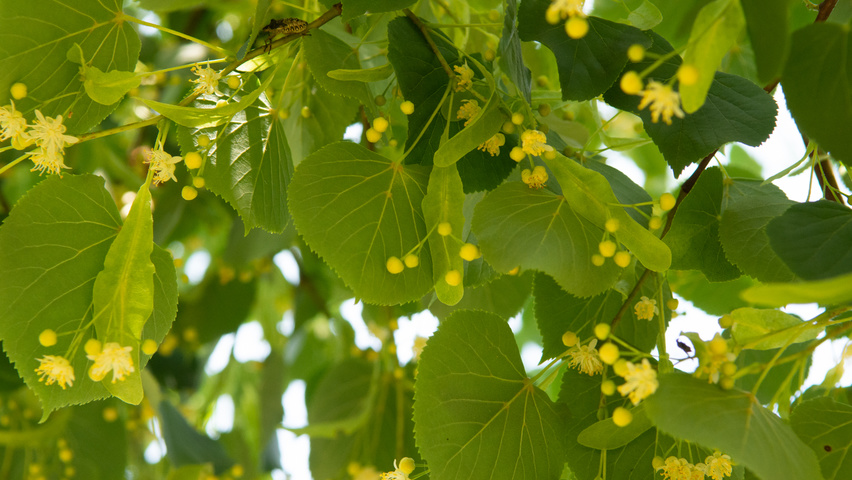
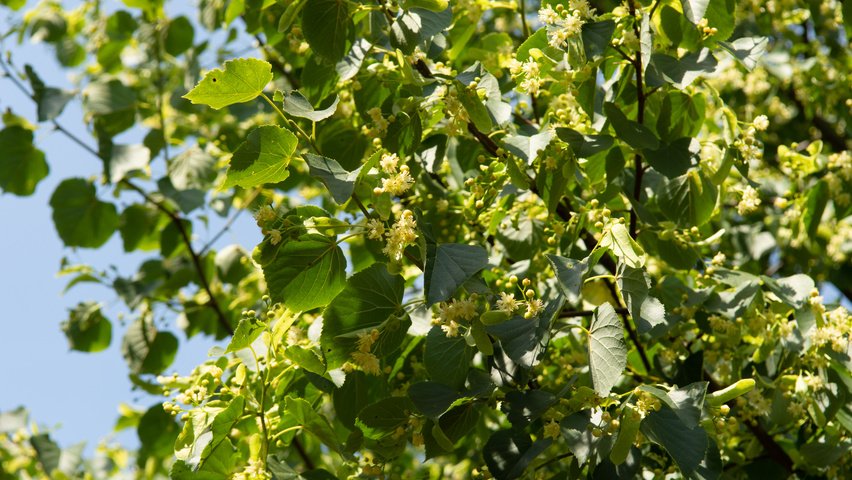
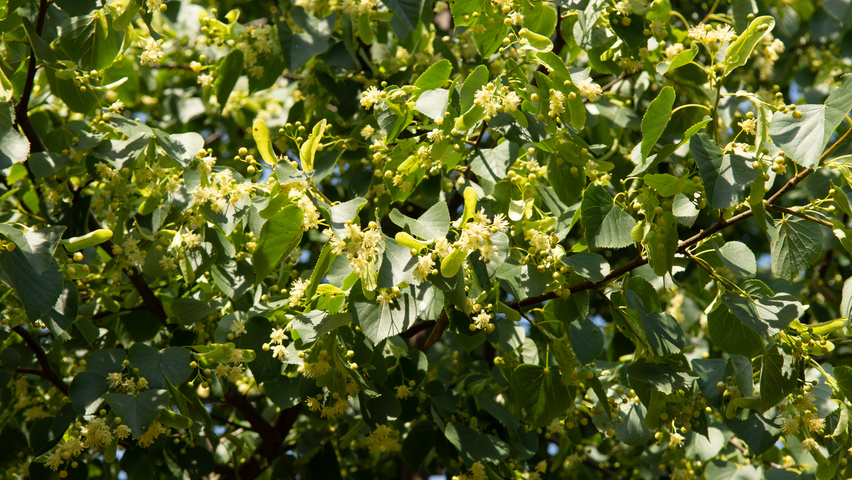
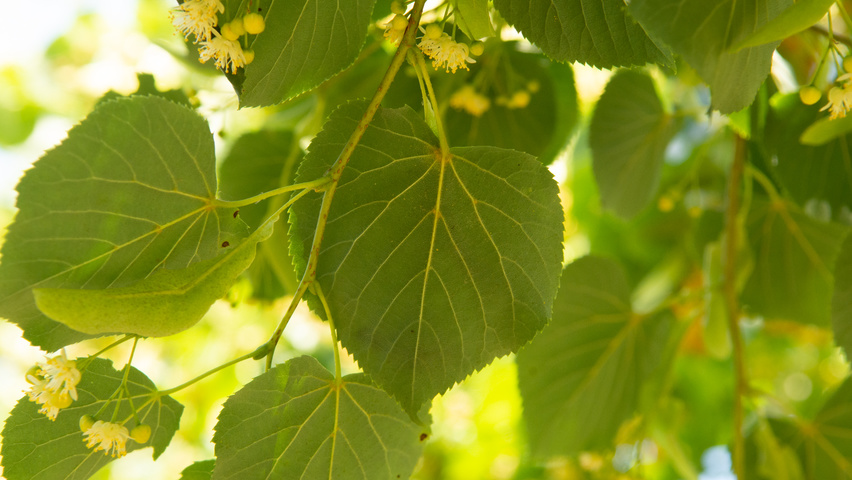
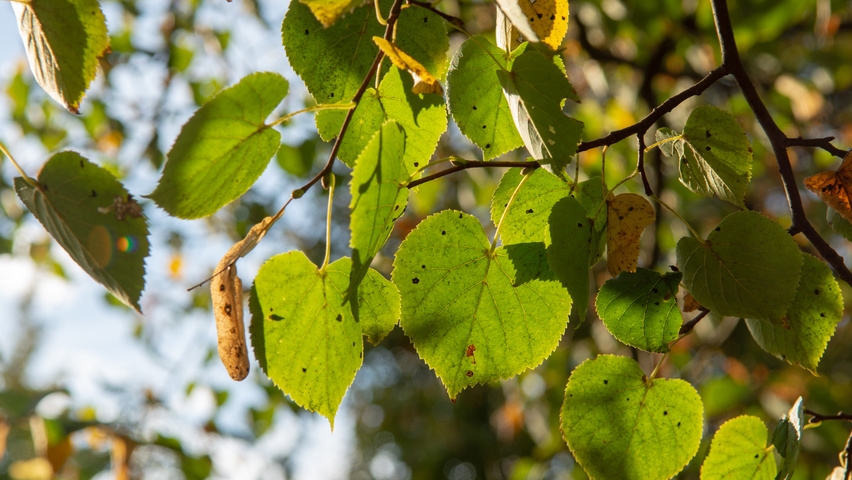
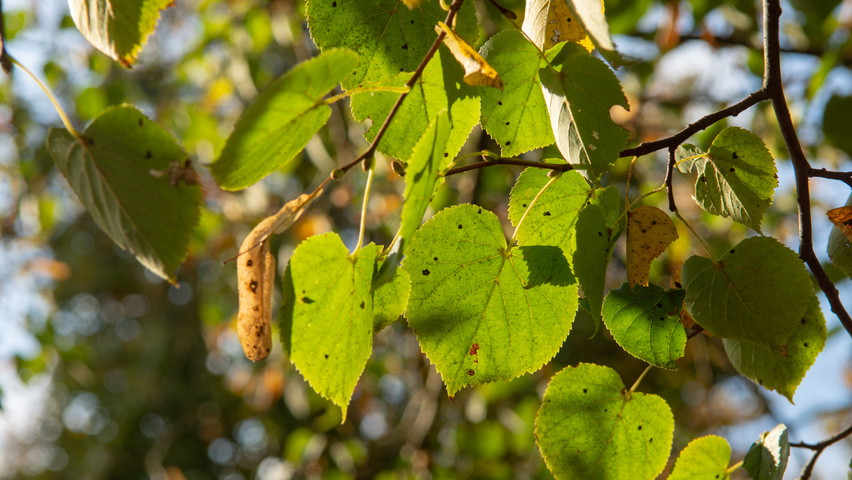
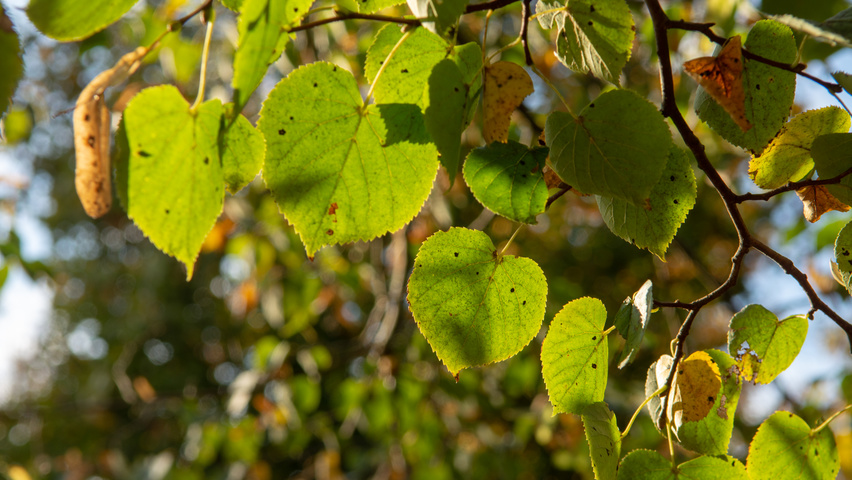
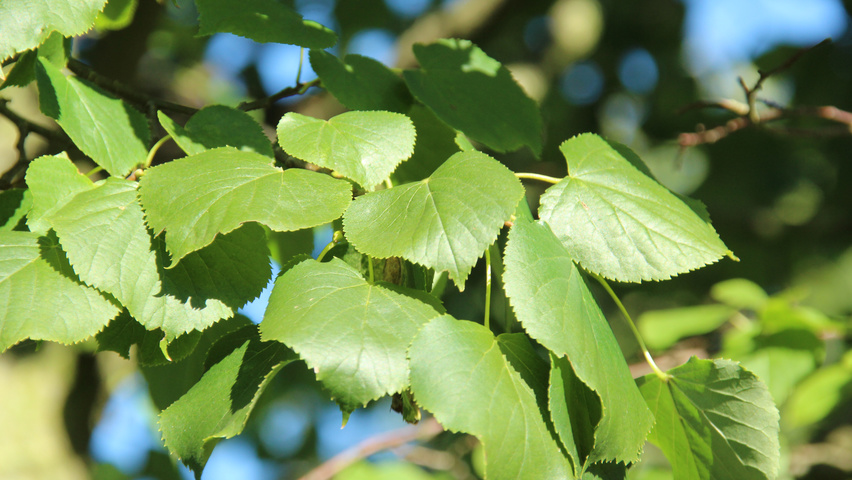
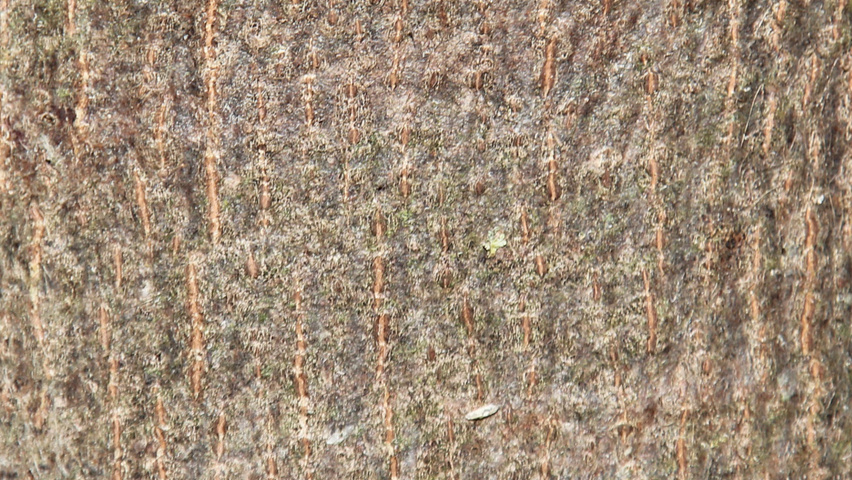
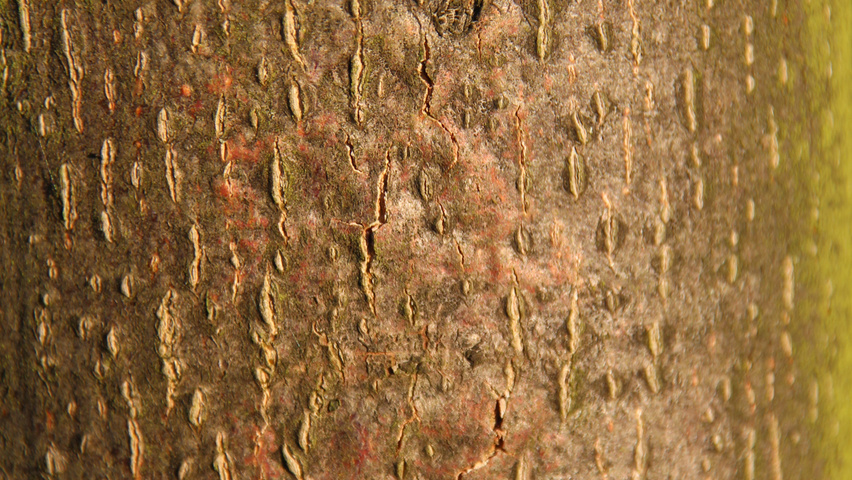
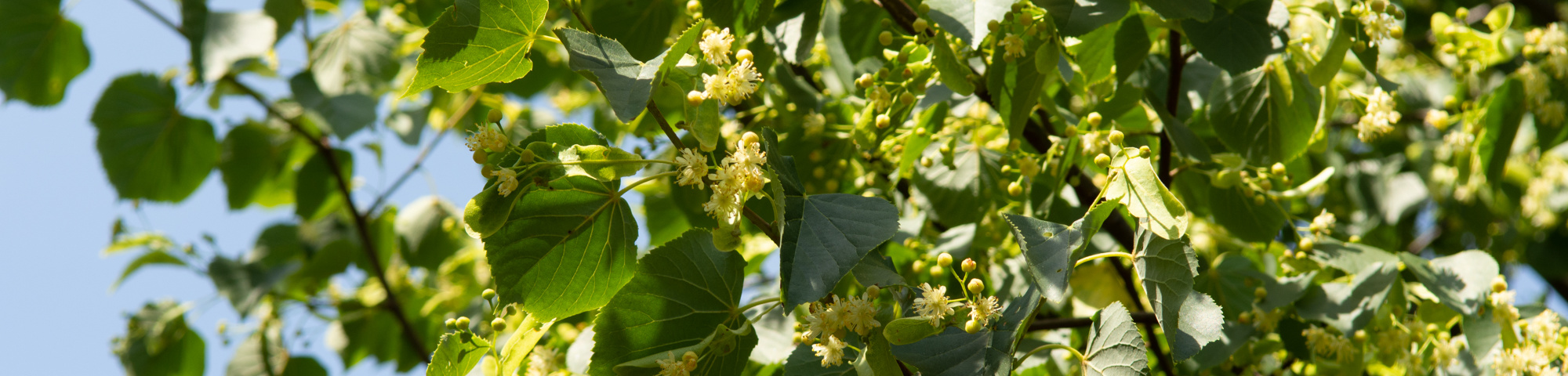
The heart-shaped leaves are nearly round and relatively small. They emerge fresh green in spring, change to dark green during summer with a bluish-green underside, and turn a beautiful yellow in autumn. The twigs are conspicuously brown. The trunk of cultivar ‘Böhlje’ remains smooth for a long time, making attention to sunscald advisable. The tree flowers very profusely, and insects and butterflies are strongly attracted to the yellow-white flower clusters around June and July. For people as well, the flowering period is a delight due to the strong and pleasant lime fragrance. After flowering, small, round, gray, softly felted fruits are formed.

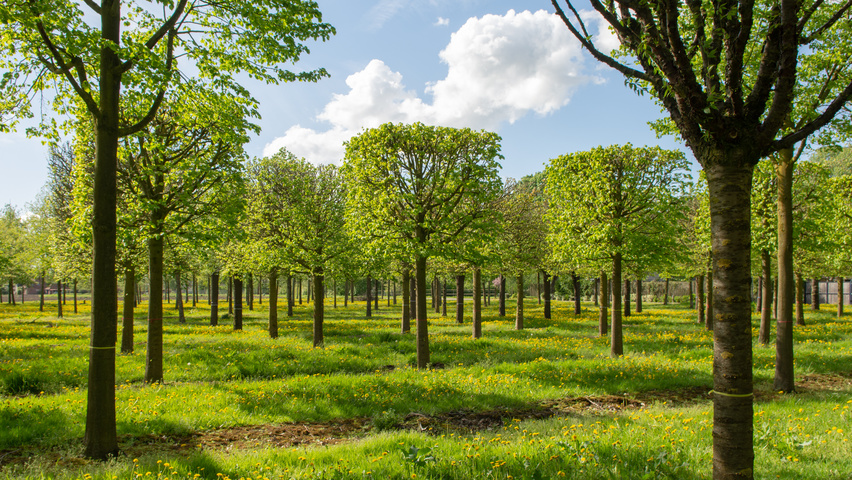
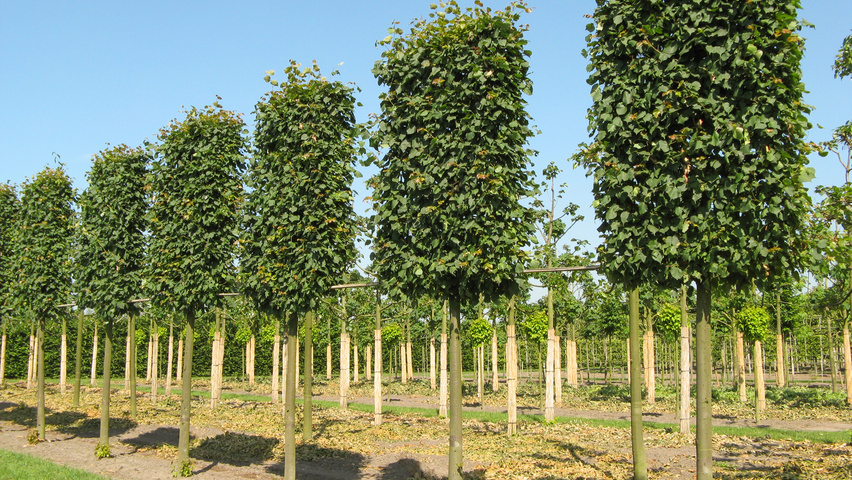
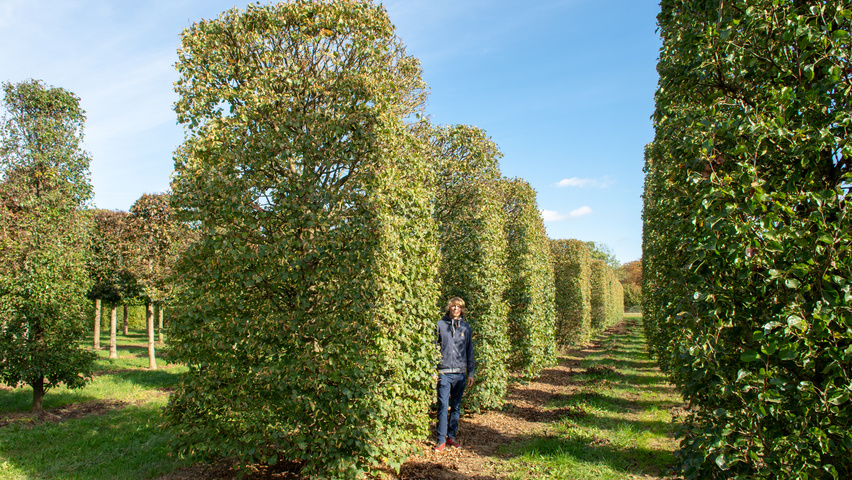
In practice, this selection is largely free of aphid infestation and therefore honeydew dripping. On poorer growing sites the tree may show susceptibility due to stress. It is very wind-firm and tolerant of sea wind, withstands paved conditions and air pollution, and also grows on drier soils. Most soil types are suitable provided they are well drained and not overly poor. Small-leaved limes tolerate considerable shade, although flowering will then be less abundant. Despite being an old cultivar, Tilia cordata ‘Böhlje’ possesses excellent characteristics for use in modern streets, avenues, parks, and gardens. The small leaf size and strong regrowth capacity also make this selection highly suitable for ornamental pruning and topiary.
Types of planting

Tree types

standard trees feathered trees climate trees shade trees

Topiary on stem

fval beehive fval block fval cylinder fval trapezium fval pyramid fval cone fval roof-trained fval pleached

Topiary

beehive beehive cylinder cylinder block block column column cone cone

Use

Location

street avenue square park central reservation large garden cemetery traffic areas, industrial zones countryside ecological zone windbreak coastal area

Pavement

none none open open sealed sealed

Planting concepts

climate planting eco planting shade-tolerant urban planting

Characteristics

Crown shape

narrow pyramidal narrow pyramidal wide pyramidal wide pyramidal

Crown structure

dense dense

Height

10 - 15 m

Width

6 - 9 m

Winter hardiness zone

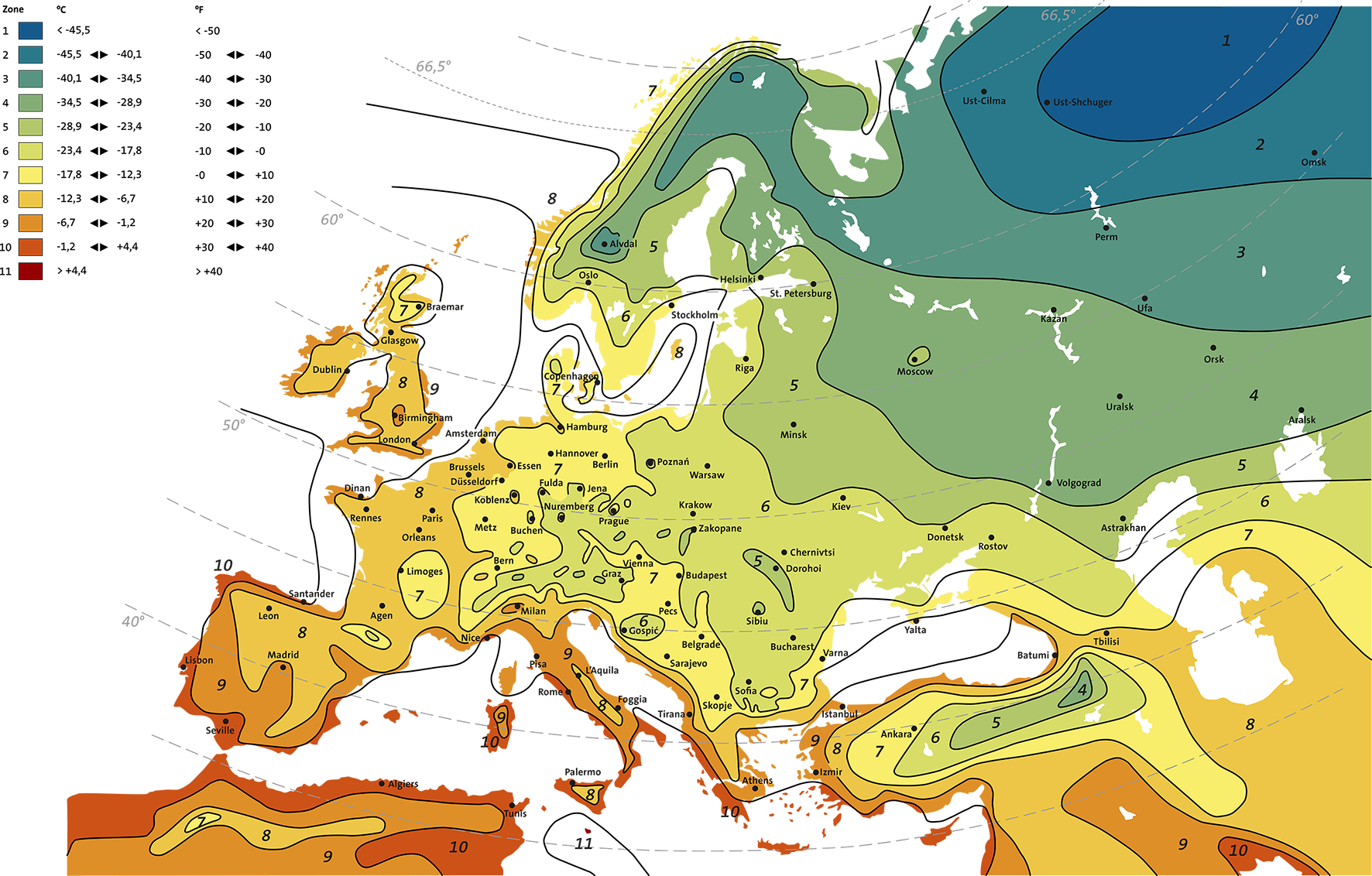
4A - 8B

Aspects

Wind

tolerant to wind tolerant to coastal wind

Soil

loess sabulous clay peaty light clay sand loamy soil

Nutrient level

moderately rich in nutrients rich in nutrients

Soil moisture level

dry moist

Light requirements

sun partial shade shade

pH range

acidic neutral alkaline

Host plant/forage plant

bees butterflies nectar value 5 pollen value 5

Extreme environments

tolerant to dryness tolerates air pollution tolerates heat limited to rare infestation by lice

Get to know Ebben Nurseries

Visit our nurseries with multi-stem trees, climbing trees, trees for avenues and parks characteristic trees and solitary shrubs.

Make an appointment

Place order or further information?

Order this plant? Or would you like further information about Tilia cordata 'Böhlje'? Make an appointment for a detailed planting recommendation.
Call +31(0) 485 31 20 21 or email one of our advisors directly.

Our planting advisors

Photos

Magnify

Seasonal colours

Tilia cordata 'Böhlje' seizoenskleur
Jan Feb Mar Apr May Jun Jul Aug Sep Oct Nov Dec

Flowers

Flowers

corymbose striking standing flower-scented

Flower colour

white-yellow

Flowering period

June - July

Leaves

Leaf colour

dark green underside blue-green

Leaves

deciduous cordate small

Autumn colour

yellow

Fruits

Fruit colour

grey

Fruits

hairy discrete small nut

Bark

Bark colour

grey-brown

Bark

slightly furrowed

Twigs

Twig colour

cinnamon-brown

Twigs

bare polished finely branched

Root system

Root system

extensive many hair roots central root

For and by green professionals

The TreeEbb is a platform for and by green professionals, in which we collect knowledge and experience from the sector and make this available for users. All the details and photos are free to use for non-commercial purposes. Want to share your tree knowledge? Send photographs and additional information to treeebb@ebben.nl
Contact
Show filters Hide filters
Show comparison
View mood board
TreeEbb

TreeEbb

Geographic location
Winter hardiness zone
OK
Coastal area
OK
Use
Location
OK
Pavement
OK
Host plant/forage plant
OK
Planting concepts
OK
Types of planting
Tree types
OK
Multi-stemmed trees
OK
Crown structure
OK
Crown shape
OK
Topiary on stem
OK
Topiary
OK
Height
m
-
m
OK
Width
m
-
m
OK
Aspects
Wind
OK
Soil
OK
Nutrient level
OK
Soil moisture level
OK
Light requirements
OK
PH range
OK
Extreme environments
OK
Stage of succession
OK
Plant characteristics
Flowering period
January
-
December
OK
Flower colour
OK
Leaf colour
OK
Autumn colour
OK
Fruit colour
OK
Bark colour
OK
Special features
OK
English
View mood board
Show comparison
Your selection:

Sign up for our newsletter

×
Cookie settings

We use cookies when offering electronic services. A cookie is a small, simple file that is sent with the pages of this website and stored on the hard disk of your computer by your browser. This allows us to combine various requests for pages on the website and analyse users’ behaviour, for example. You can indicate which cookies you wish to accept using the settings below. Bear in mind that not accepting cookies will mean that part of the functionality of this website may not be available. You can find more information about the use of data and the various cookies in our privacy and cookie declaration.