

+
Tilia x europaea

Tilia x europaea

European Linden, Common Lime, Common linden

synonym Tilia x vulgaris
Tilia intermedia

Description

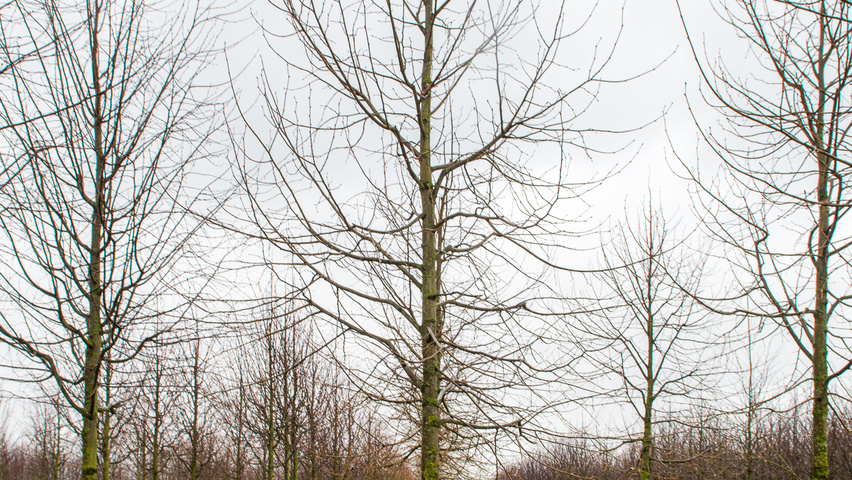
Tilia × europaea (Dutch lime) is a natural hybrid of Tilia cordata and Tilia platyphyllos. This cross occurs spontaneously in regions where both parent species grow together, but it has also been cultivated in Europe for centuries as an avenue tree. Along with elms, this species has been an important export product of Dutch tree nurseries for many generations. The Dutch lime reaches a height of thirty to forty meters and a width of fifteen to twenty meters, forming a broad, conical to ovate crown. The branches are generally heavy and spreading with a strong, upright central leader.

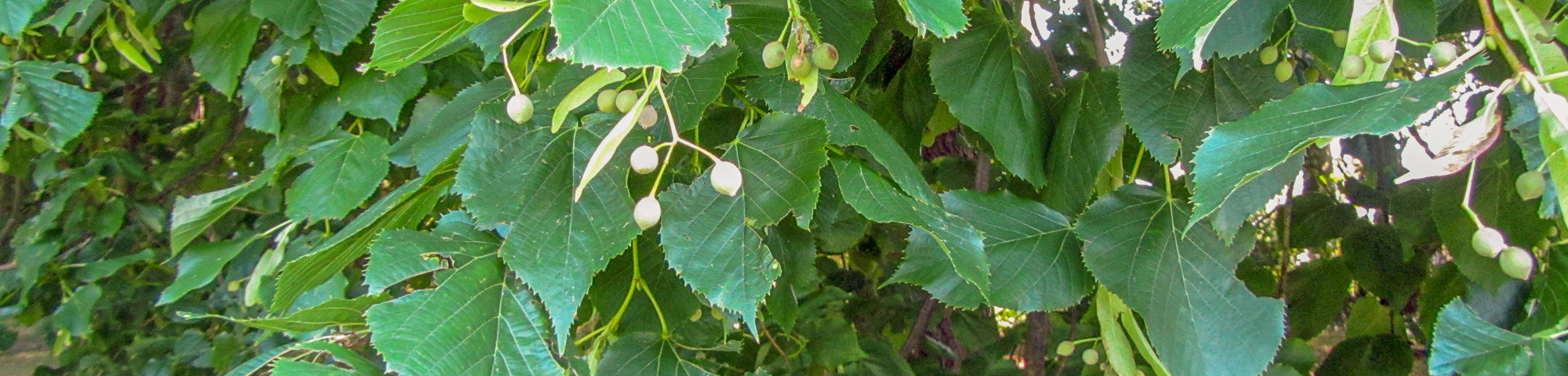
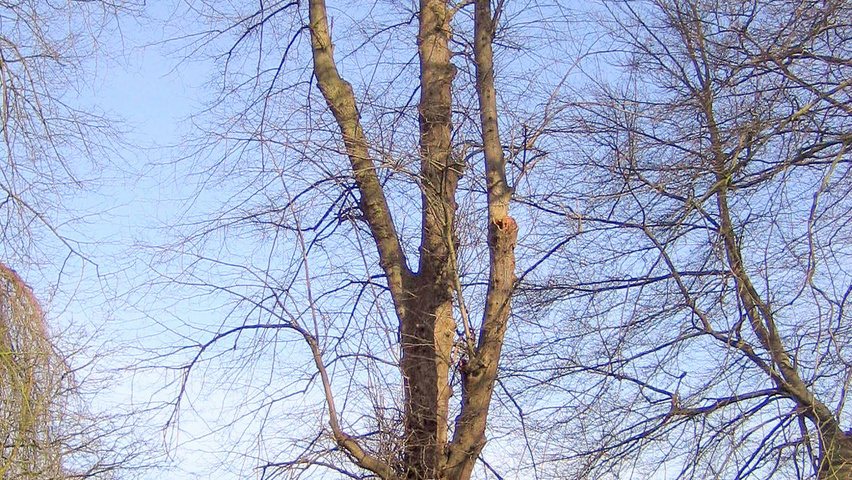
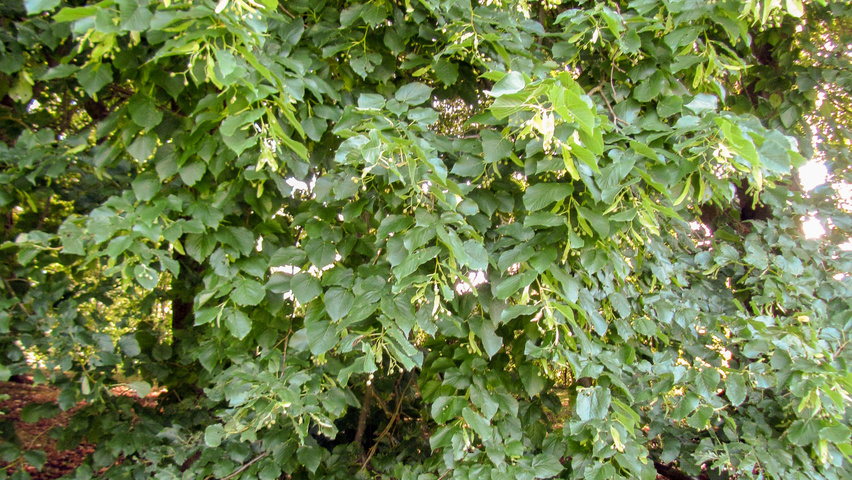
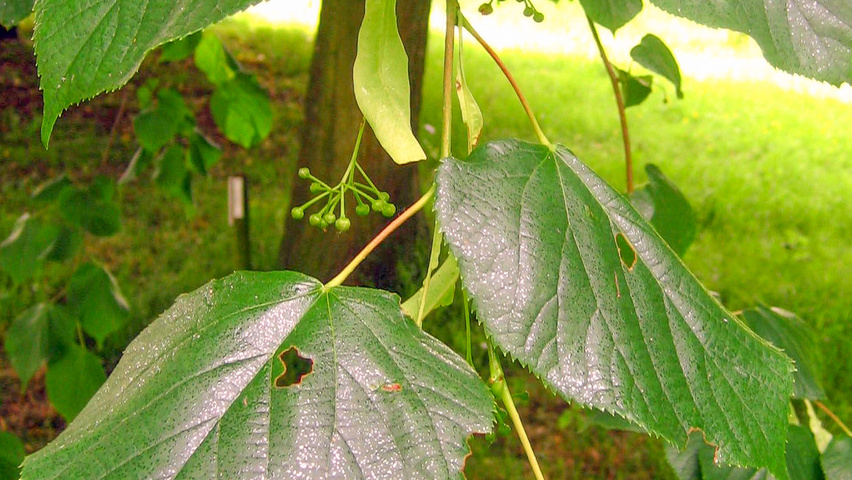
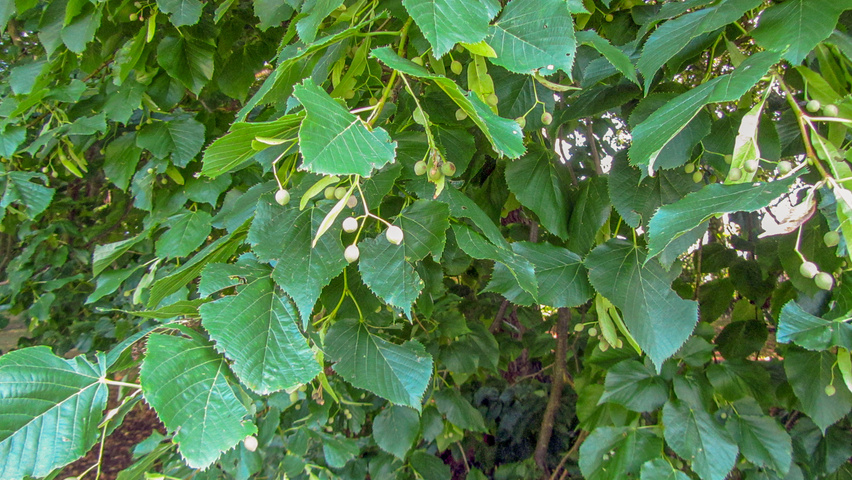
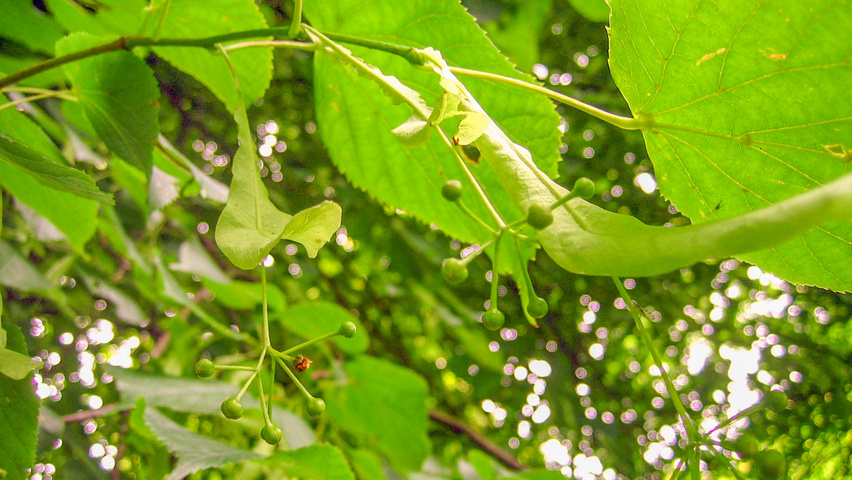
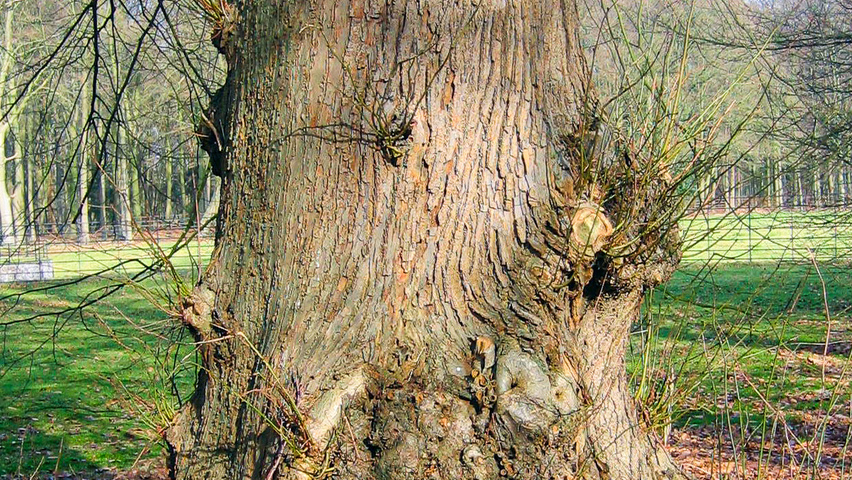
The foliage of the Dutch lime is heart shaped with a serrated margin and shows traits of both parents. The leaves are larger than those of Tilia cordata but less rough than those of Tilia platyphyllos. The underside is light green to blue green and lightly hairy, with rust colored tufts of hair in the vein axils. Tilia × europaea flowers in June with fragrant yellowish blossoms in pendulous clusters, rich in pollen and nectar and therefore highly attractive to bees and other insects. After flowering, nut like fruits develop with ribs and a woody shell. The trunk is gray brown and furrowed in older trees, and the species frequently produces root suckers. The twigs are thin and smooth.

The Dutch lime is a classic tree for avenues, squares and parks, widely planted since the Middle Ages. It grows best in fertile and moist soils, but it also tolerates temporarily dry or compacted conditions. The tree is shade tolerant but performs best in full sun to partial shade. A notable drawback is its high susceptibility to aphids, which can cause nuisance due to honeydew. For this reason, it is less suitable for use near parking areas or in heavily used squares. Nevertheless, Tilia × europaea remains a long lived and culturally significant tree, highly valued in monumental plantings.

Types of planting

Tree types

standard trees feathered trees multi-stemmed trees shade trees characteristic trees

Topiary on stem

fval pollard

Use

Location

avenue park central reservation cemetery countryside ecological zone

Pavement

none none open open

Planting concepts

food forest eco planting landscape planting

Characteristics

Crown shape

wide pyramidal wide pyramidal

Crown structure

semi-open semi-open

Height

30 - 40 m

Width

15 - 20 m

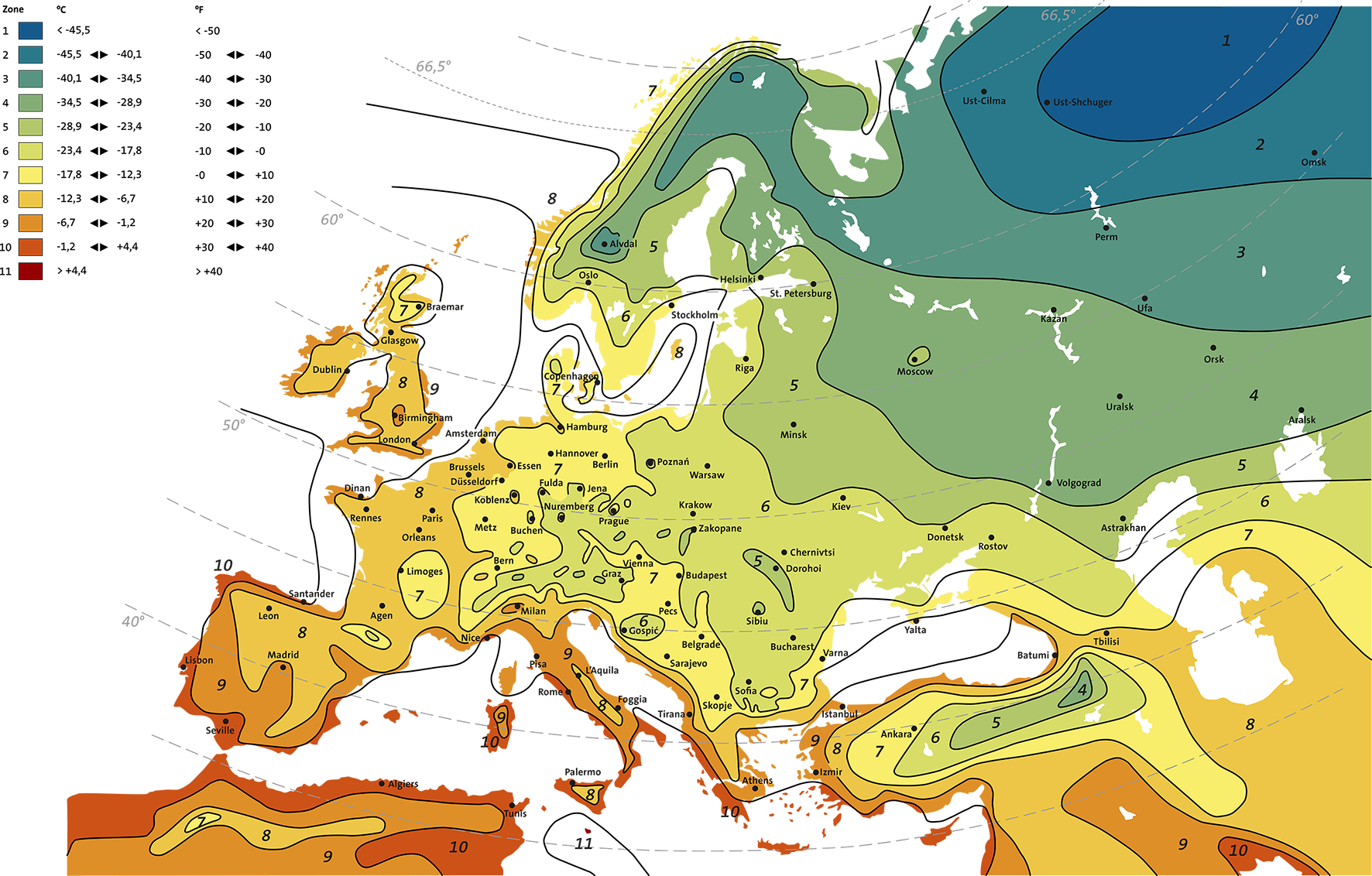
Winter hardiness zone

4A - 8B

Aspects

Wind

tolerant to wind

Soil

loess sabulous clay light clay sand loamy soil

Nutrient level

moderately rich in nutrients rich in nutrients

Soil moisture level

dry moist

Light requirements

sun partial shade

pH range

neutral alkaline

Host plant/forage plant

bees nectar value 5 pollen value 5

Get to know Ebben Nurseries

Visit our nurseries with multi-stem trees, climbing trees, trees for avenues and parks characteristic trees and solitary shrubs.

Make an appointment

Place order or further information?

Order this plant? Or would you like further information about Tilia x europaea? Make an appointment for a detailed planting recommendation.
Call +31(0) 485 31 20 21 or email one of our advisors directly.
Our planting advisors

Photos

Magnify

Seasonal colours

Tilia x europaea seizoenskleur
Jan Feb Mar Apr May Jun Jul Aug Sep Oct Nov Dec

Flowers

Flowers

corymbose striking flower-scented

Flower colour

cream-yellow

Flowering period

June - July

Leaves

Leaf colour

dark green underside blue-green

Leaves

deciduous cordate matt polished underside hairy

Autumn colour

yellow

Fruits

Fruit colour

grey

Fruits

discrete small nut

Bark

Bark colour

grey-brown

Bark

furrowed smooth, later on rough

Twigs

Twig colour

brown green

Twigs

bare vertical branches finely branched long shoots

Root system

Root system

shallow extensive root suckers

For and by green professionals

The TreeEbb is a platform for and by green professionals, in which we collect knowledge and experience from the sector and make this available for users. All the details and photos are free to use for non-commercial purposes. Want to share your tree knowledge? Send photographs and additional information to treeebb@ebben.nl

Contact
Show filters Hide filters
Show comparison
View mood board
TreeEbb

TreeEbb

Geographic location
Winter hardiness zone
OK
Coastal area
OK
Use
Location
OK
Pavement
OK
Host plant/forage plant
OK
Planting concepts
OK
Types of planting
Tree types
OK
Multi-stemmed trees
OK
Crown structure
OK
Crown shape
OK
Topiary on stem
OK
Topiary
OK
Height
m
-
m
OK
Width
m
-
m
OK
Aspects
Wind
OK
Soil
OK
Nutrient level
OK
Soil moisture level
OK
Light requirements
OK
PH range
OK
Extreme environments
OK
Stage of succession
OK
Plant characteristics
Flowering period
January
-
December
OK
Flower colour
OK
Leaf colour
OK
Autumn colour
OK
Fruit colour
OK
Bark colour
OK
Special features
OK
English
View mood board
Show comparison
Your selection:

Sign up for our newsletter

×
Cookie settings

We use cookies when offering electronic services. A cookie is a small, simple file that is sent with the pages of this website and stored on the hard disk of your computer by your browser. This allows us to combine various requests for pages on the website and analyse users’ behaviour, for example. You can indicate which cookies you wish to accept using the settings below. Bear in mind that not accepting cookies will mean that part of the functionality of this website may not be available. You can find more information about the use of data and the various cookies in our privacy and cookie declaration.