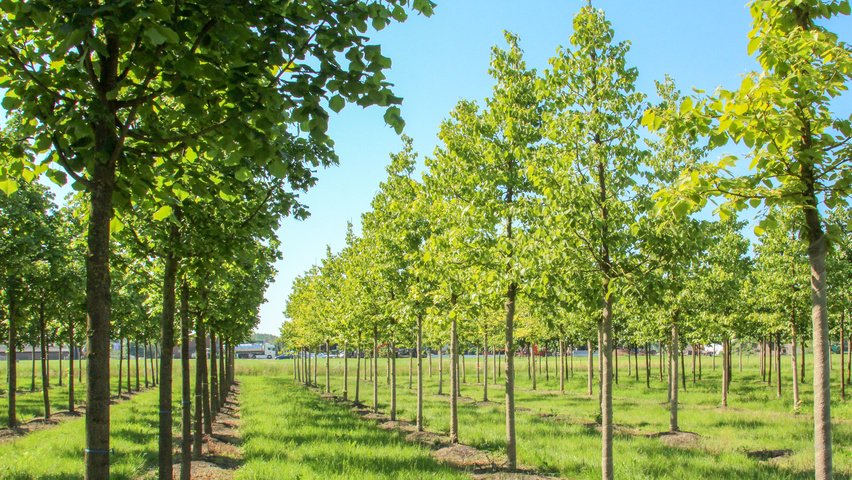
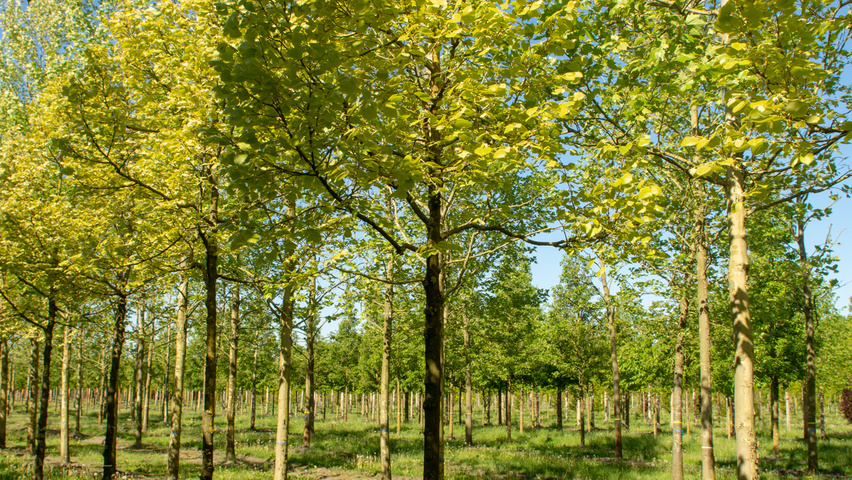
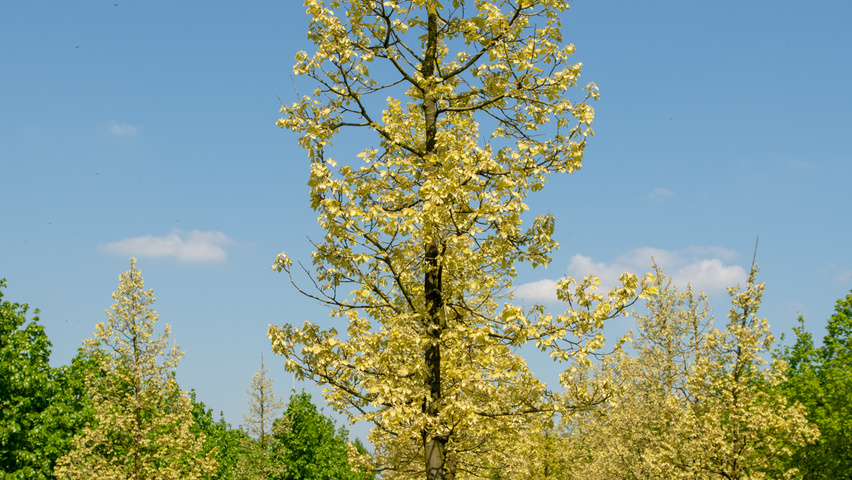
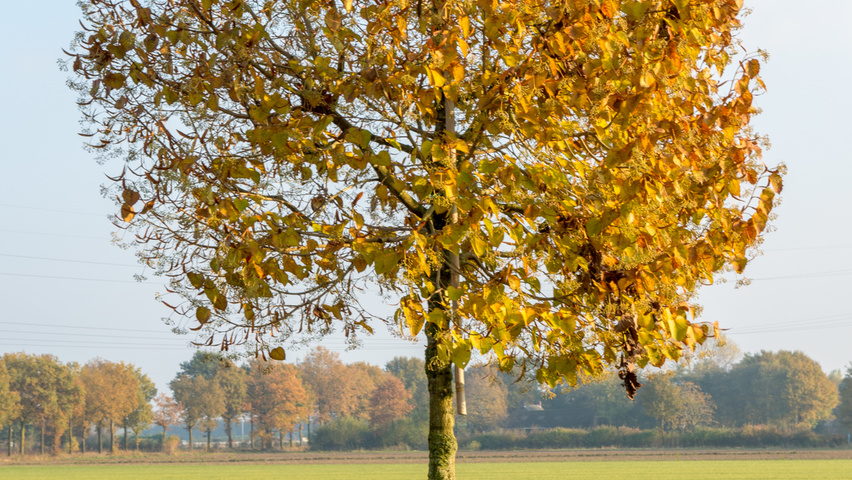
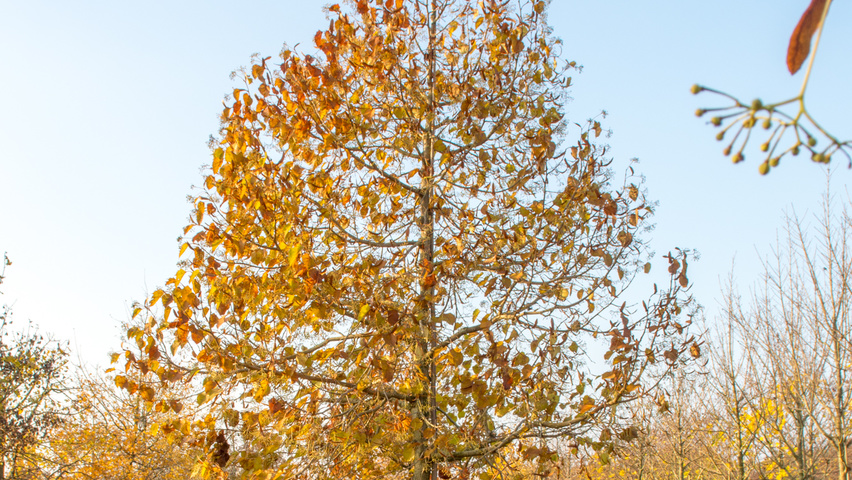
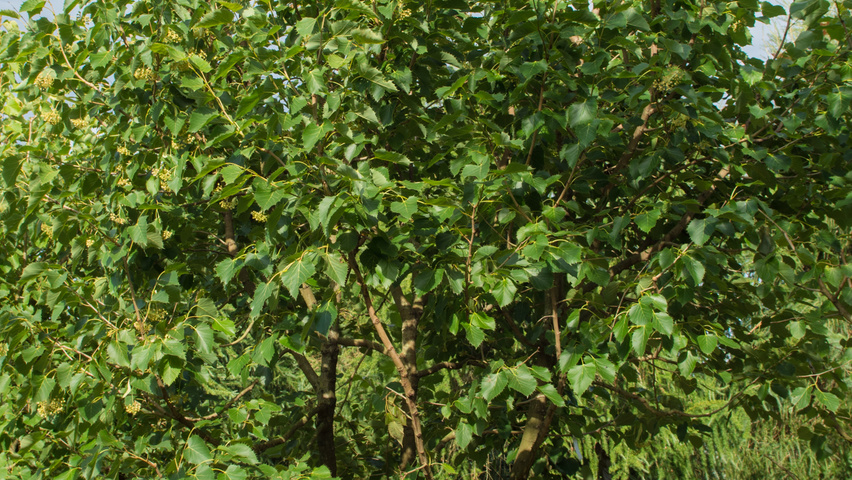
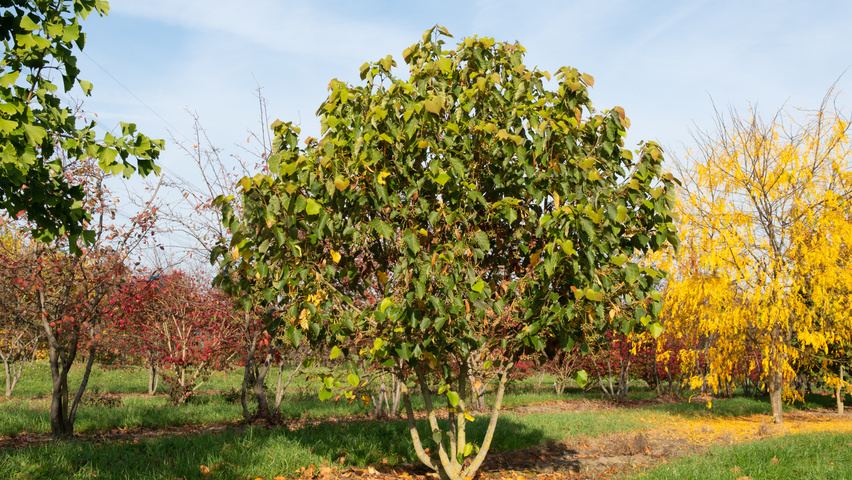
Tilia henryana is one of the most distinctive lime tree species. It is native to large parts of central China and Taiwan. The tree was described in 1890 by the Polish botanist Ignaz von Szyszyłowicz and introduced into cultivation in 1901 by the botanist Ernest Wilson. In the warmer regions of its native range, it can develop a broad, ovate to rounded, semi-open crown reaching approximately twenty-five meters in height and twenty meters in width. In cultivation, the crown is usually more compact, reaching about fifteen meters high and ten meters wide.
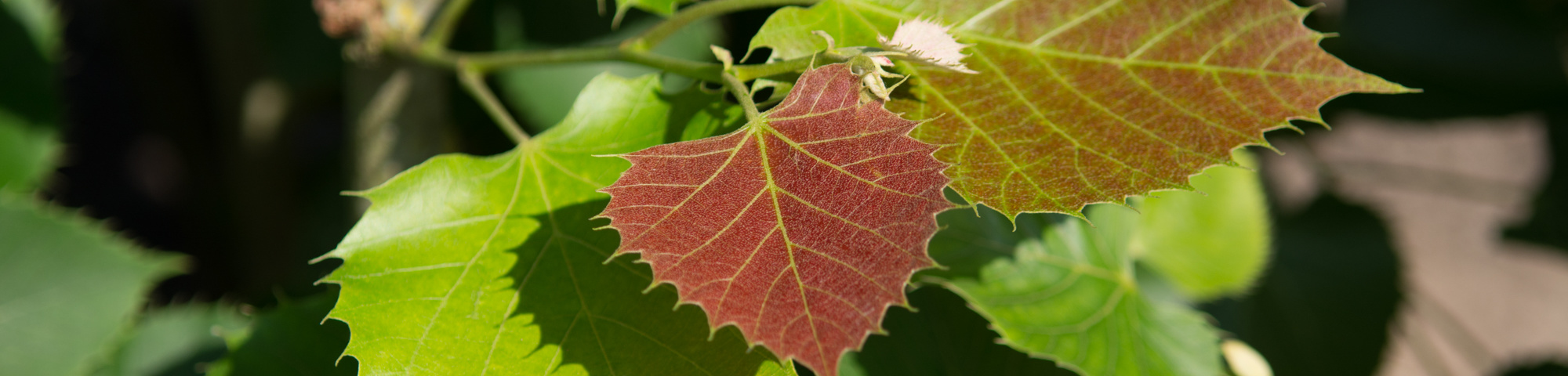
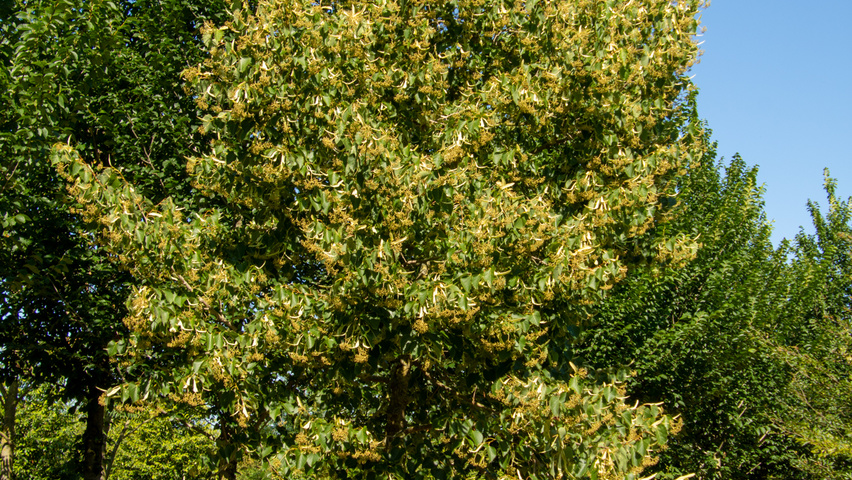
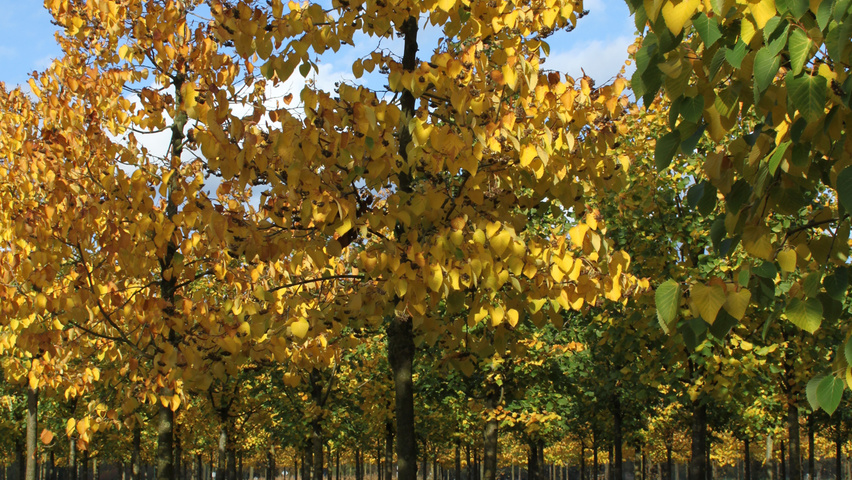
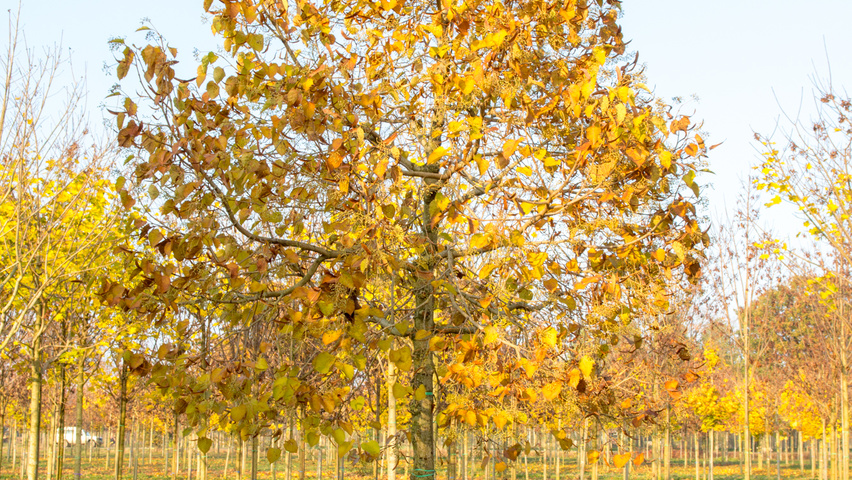
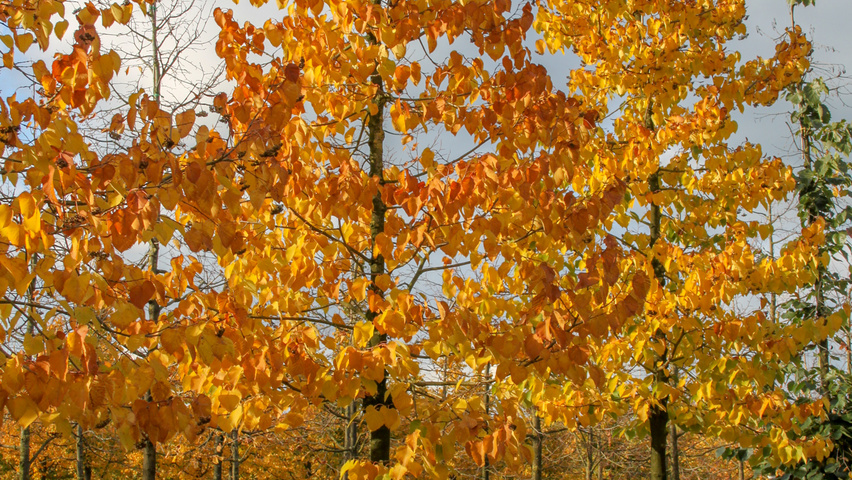
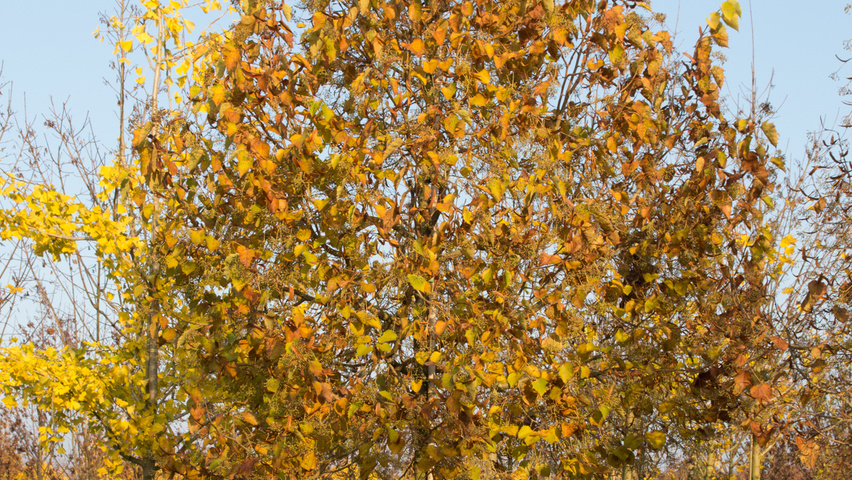
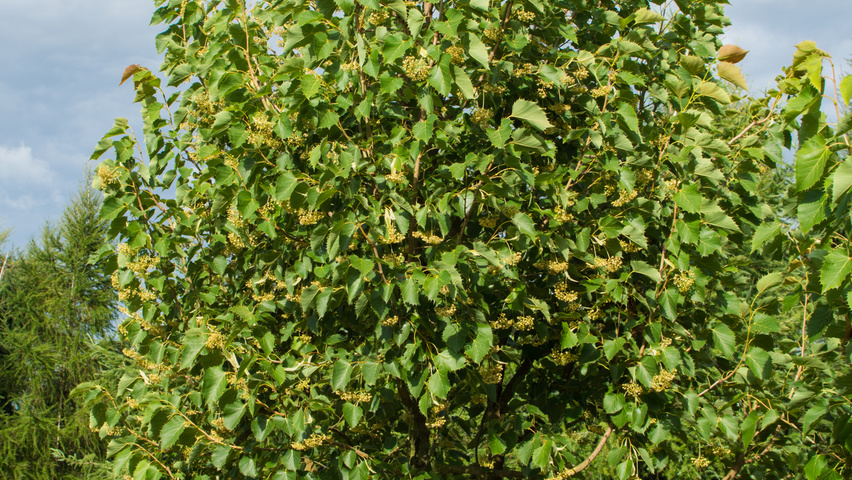
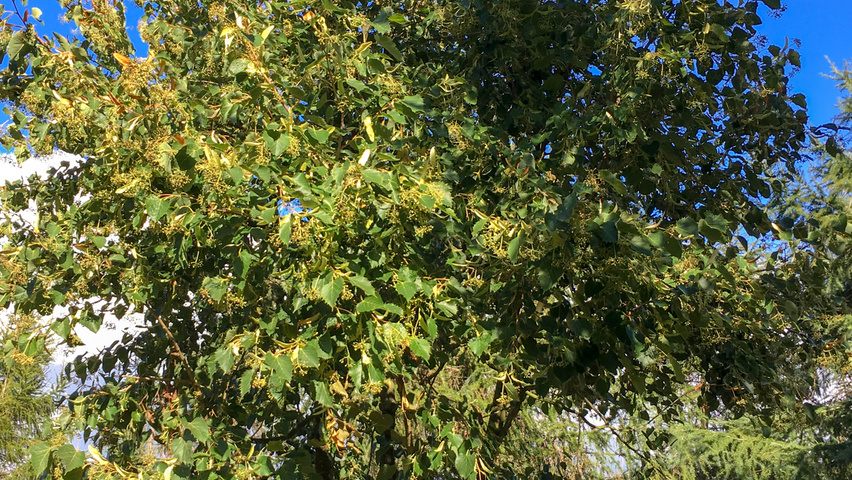
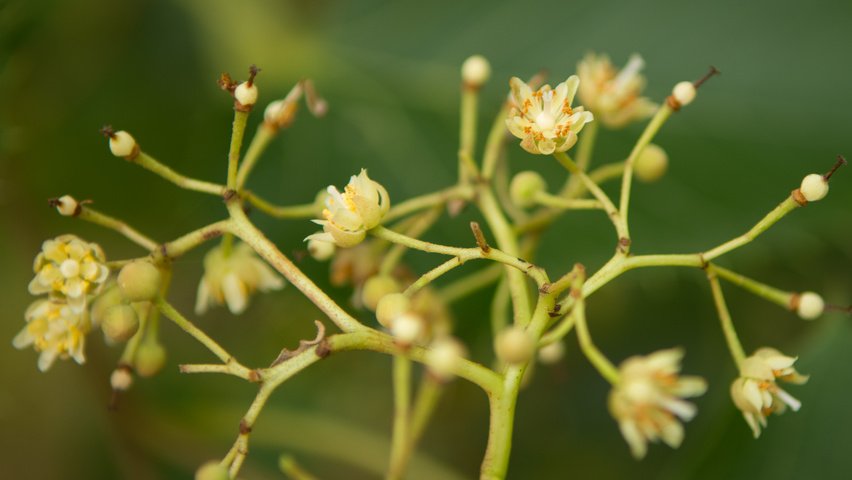
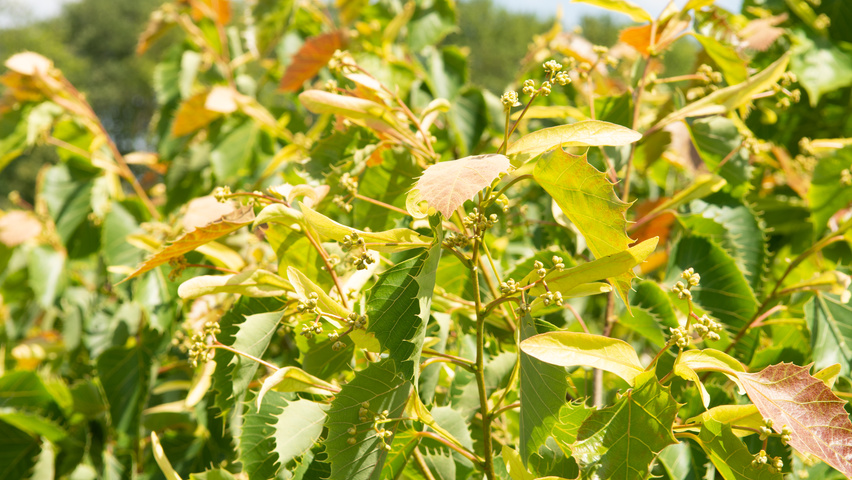
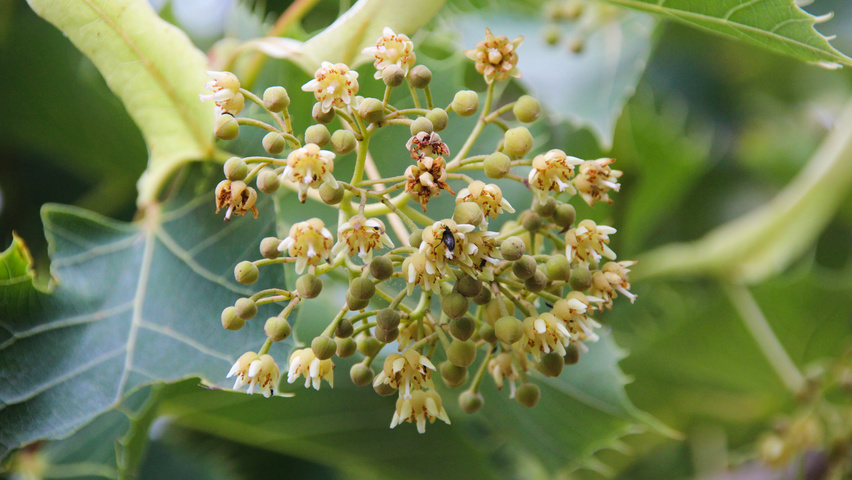
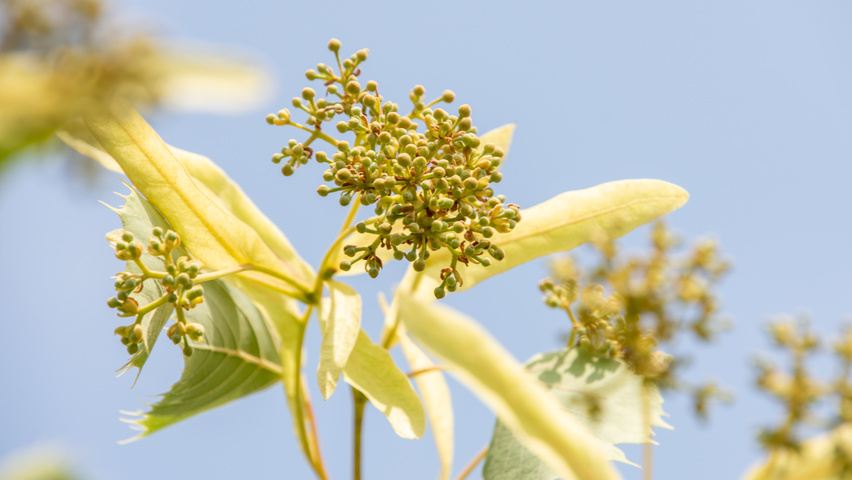
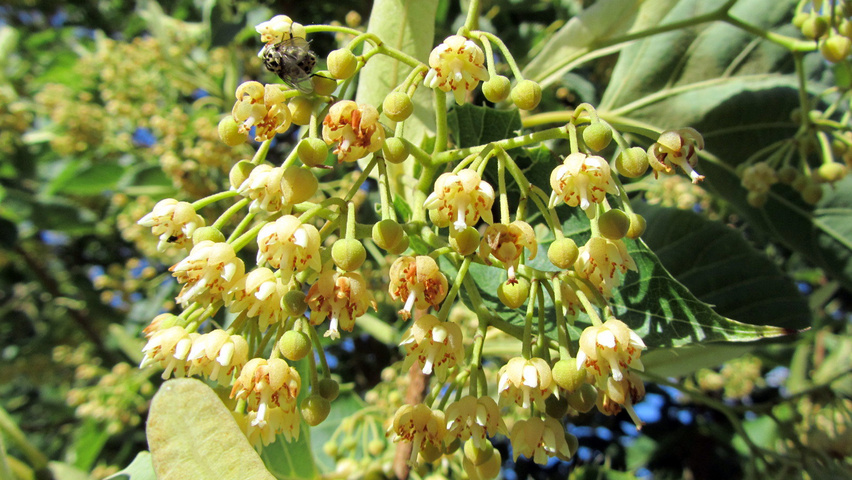
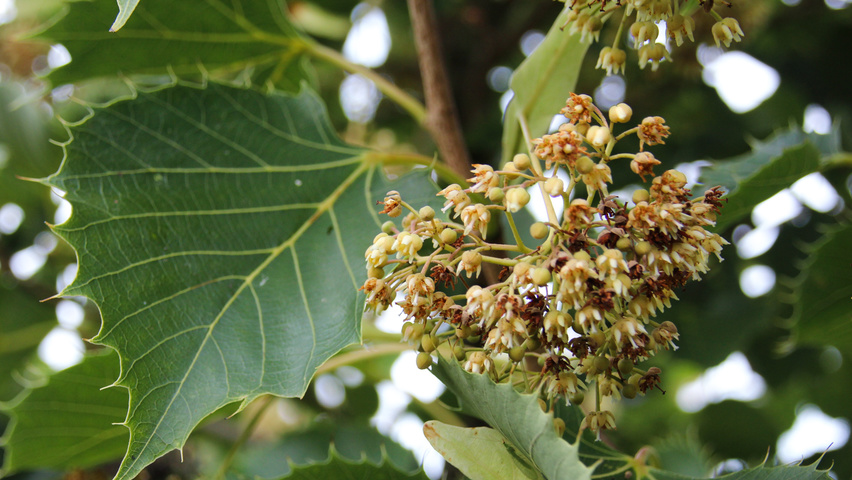
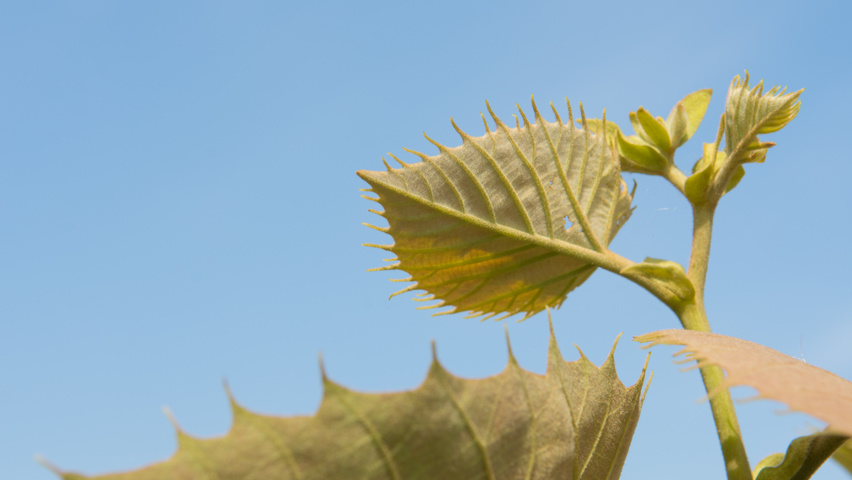
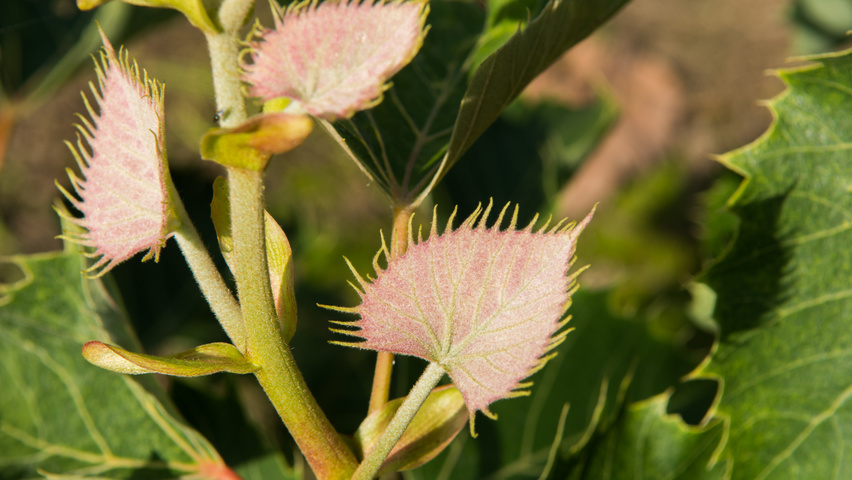
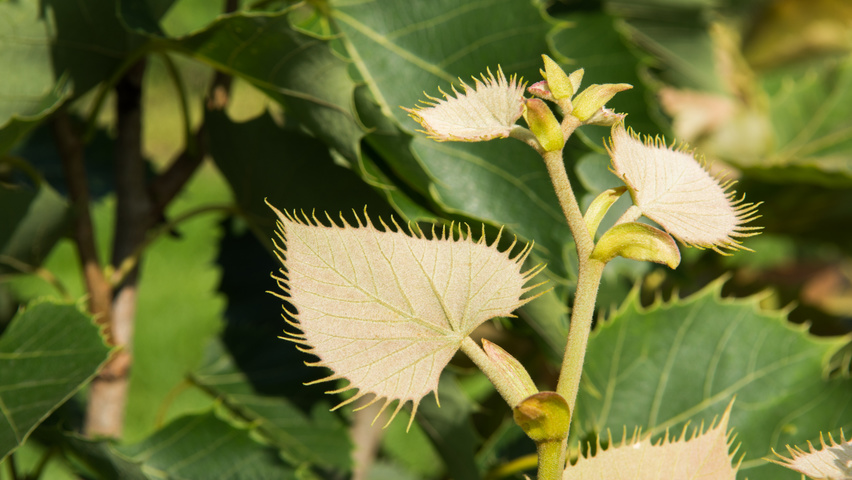
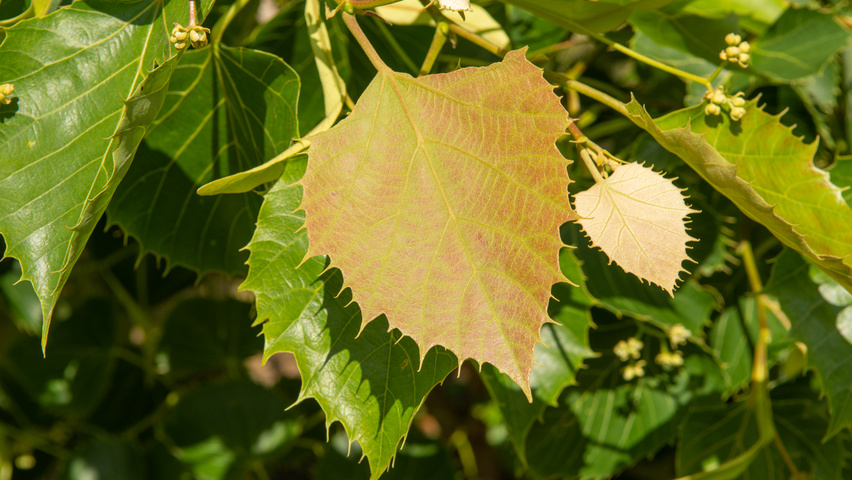
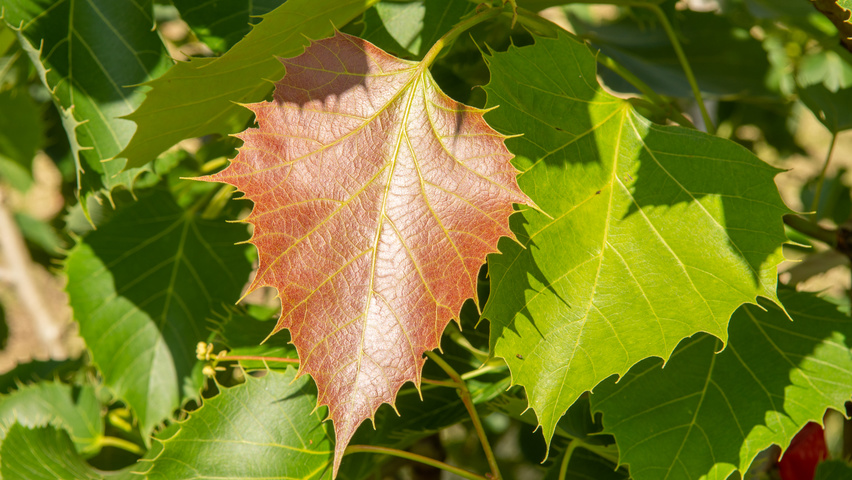
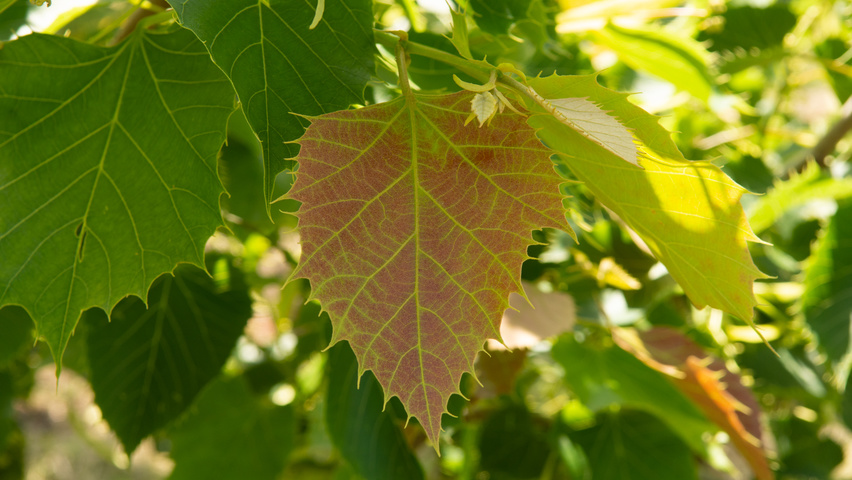
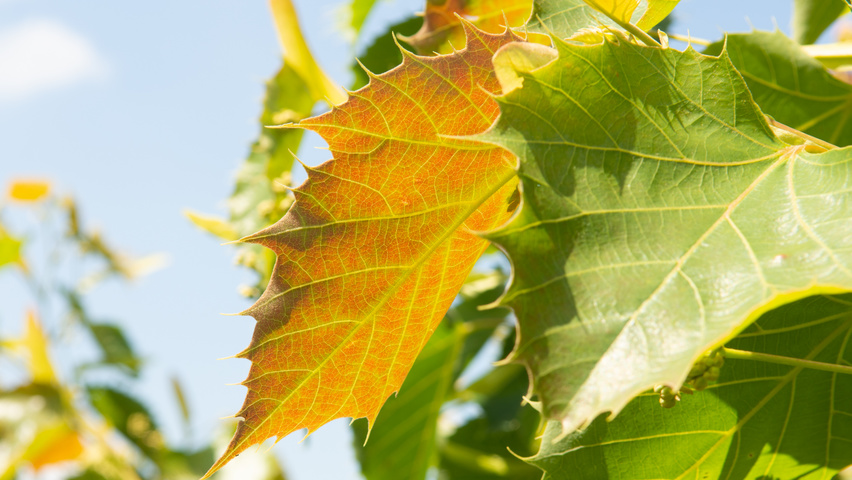
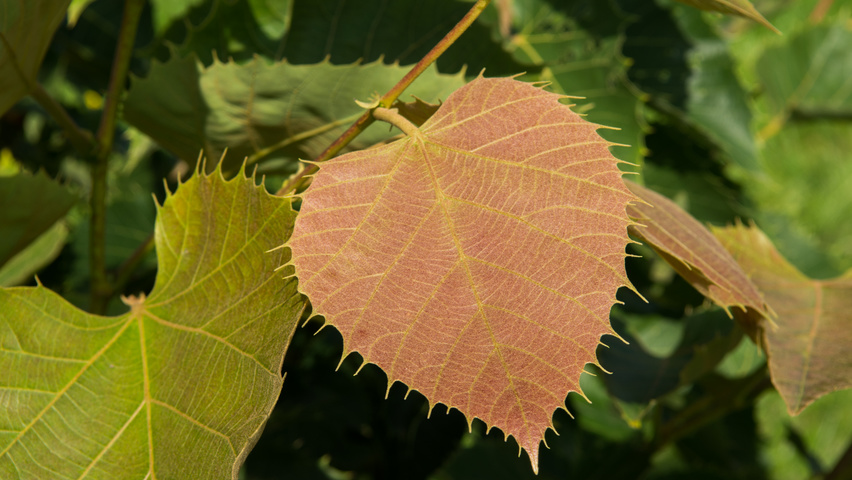
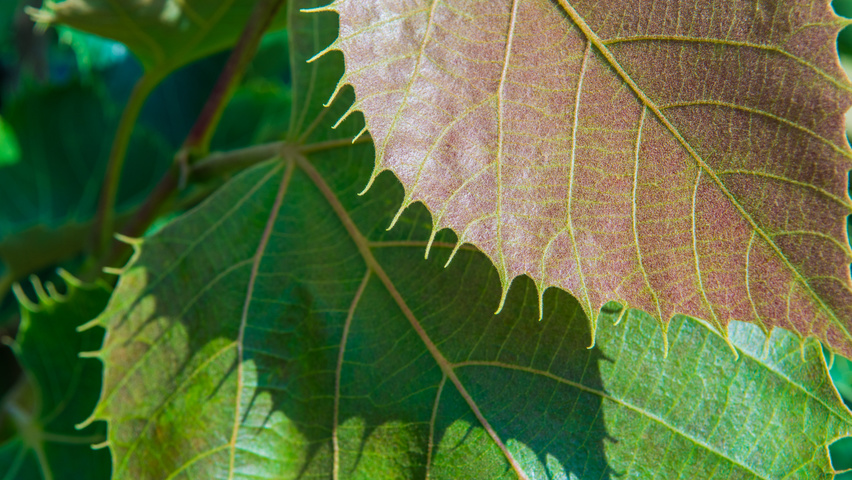
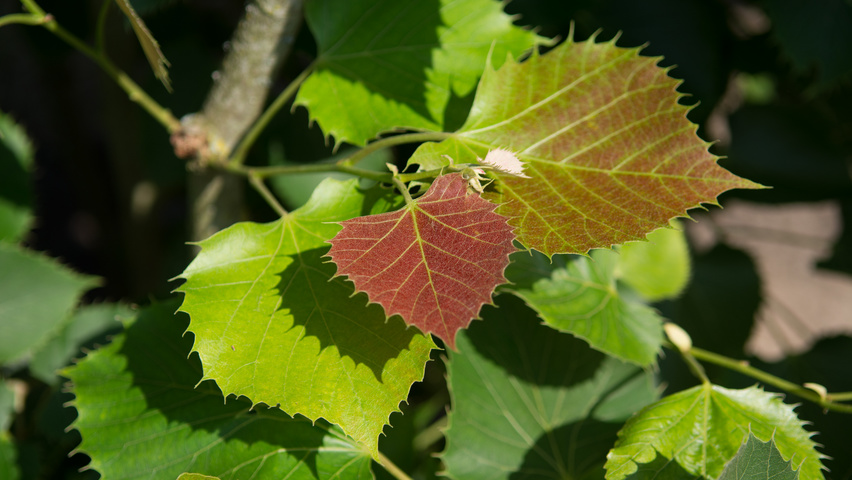
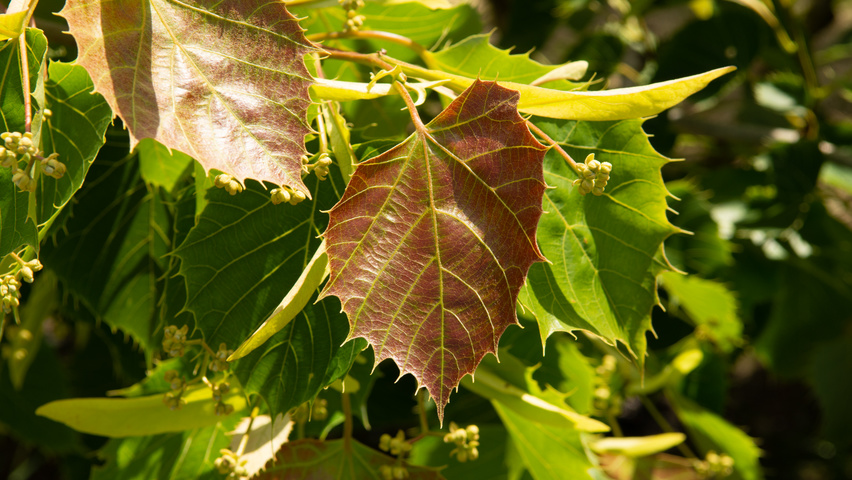
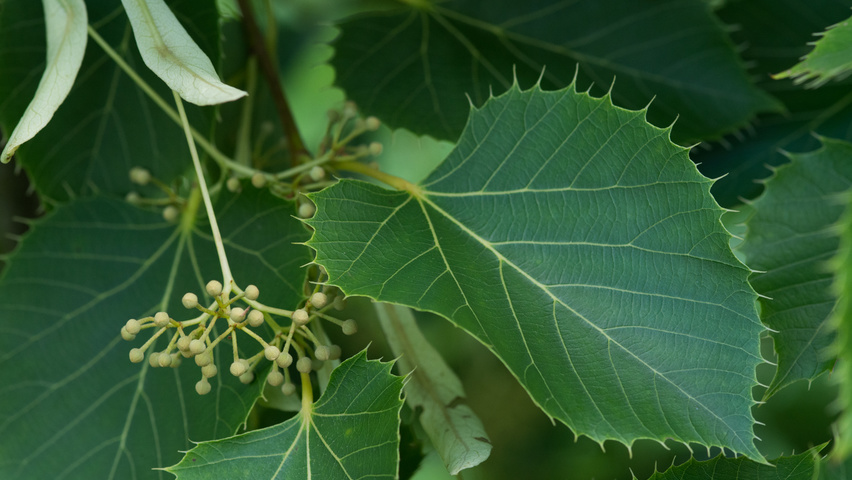
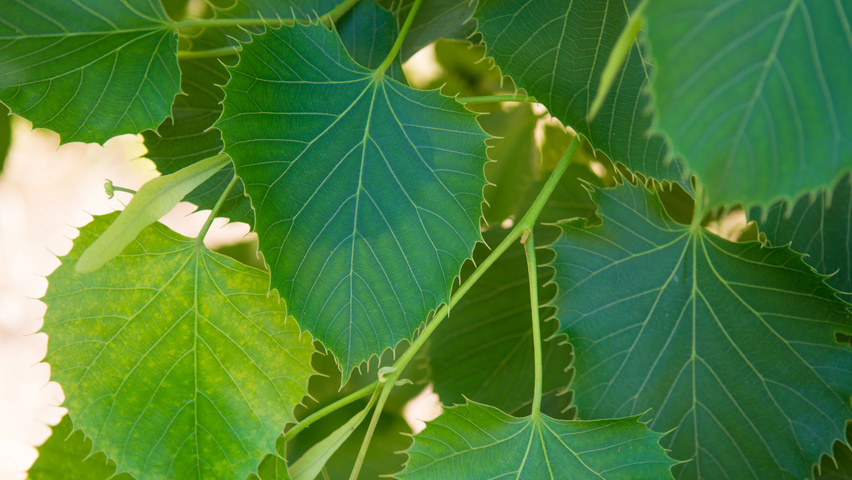
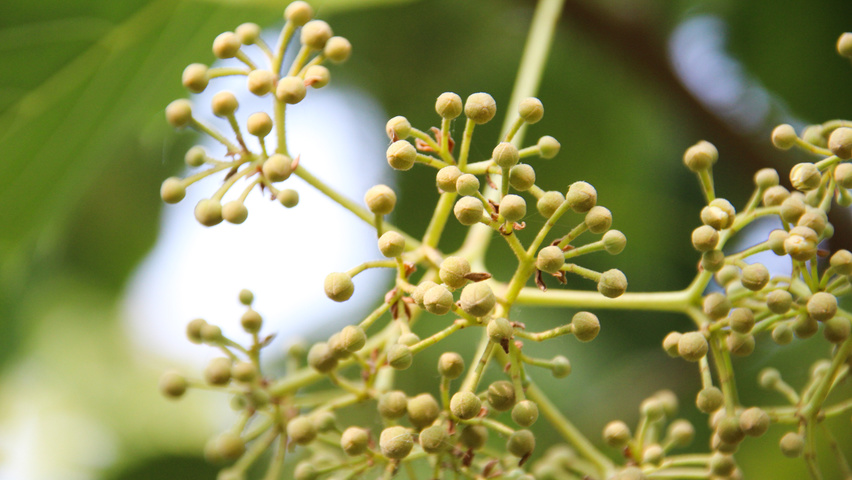
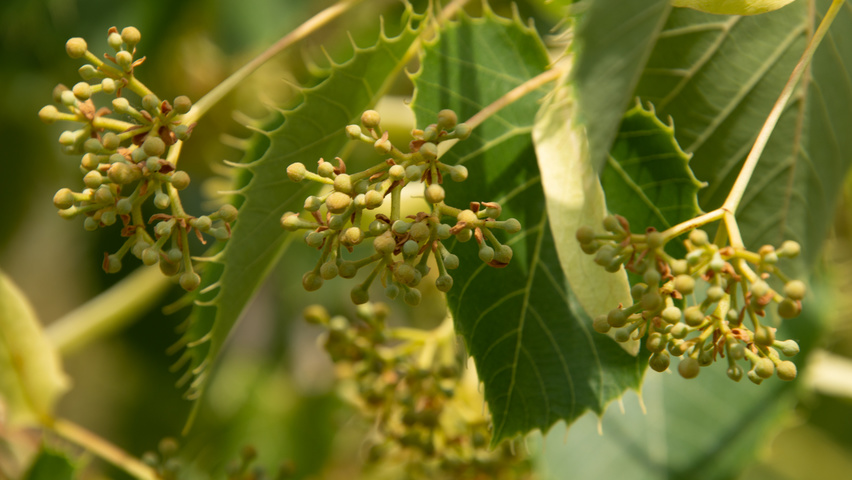
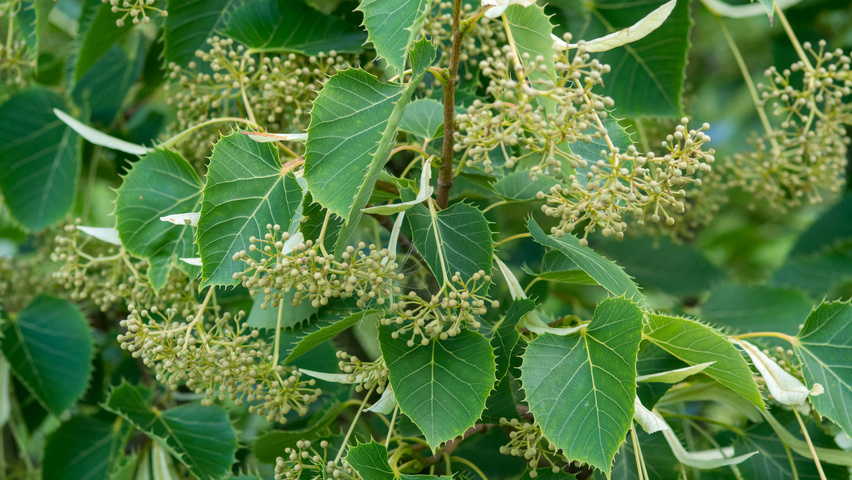
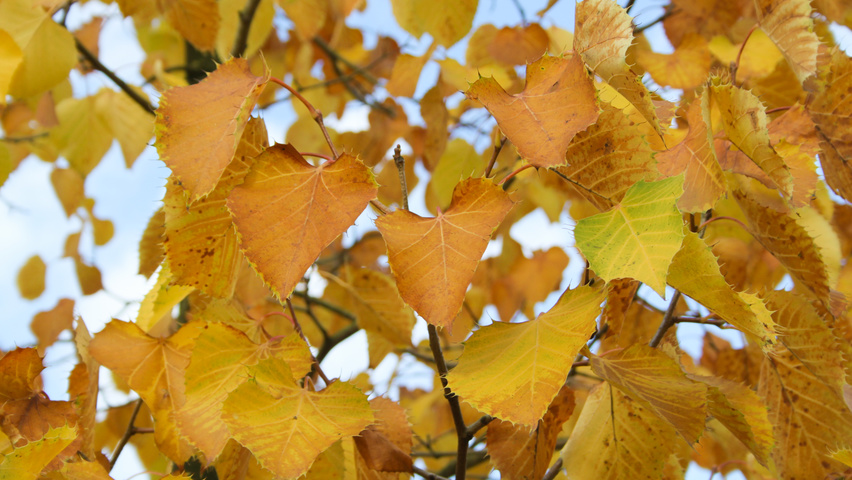
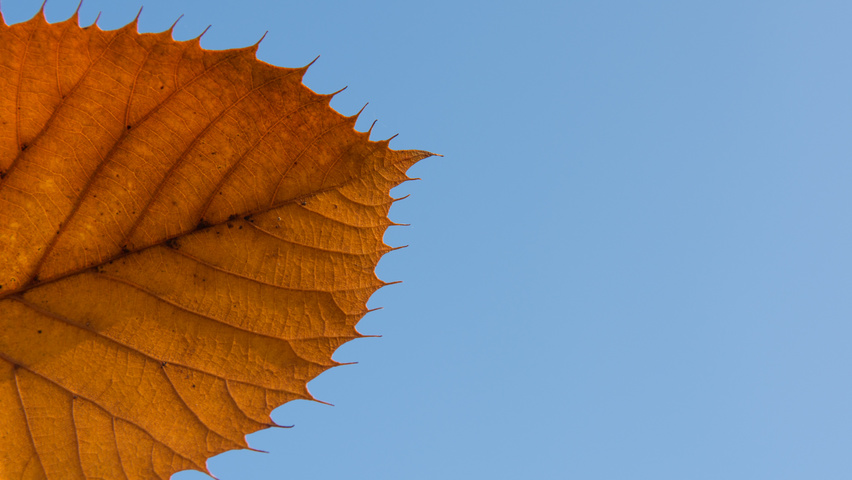
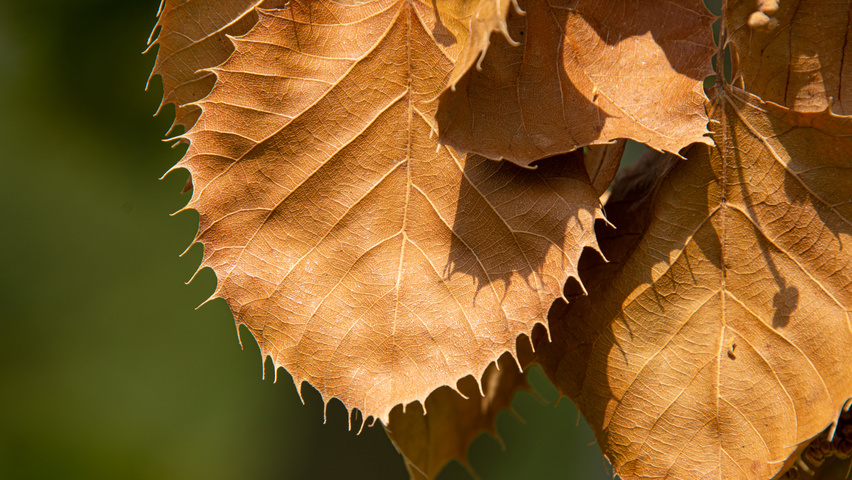
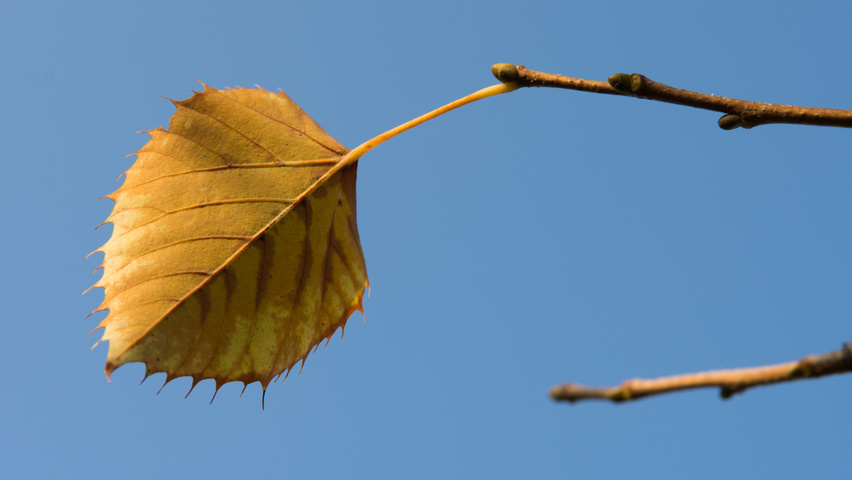
The leaves of Tilia henryana are highly distinctive, making the tree immediately recognizable by the long “fringes” along the leaf margins. These almost needle-like teeth are exceptionally elongated. Early in the season, the foliage emerges in bronze, pink-red to orangish tones and is covered with silvery star-shaped hairs. During summer, the leaves turn into a soft sea-green color, followed in autumn by striking yellow-orange hues. The creamy yellow flower clusters are also very conspicuous, as they are extremely large and consist of fifty to ninety individual flowers per cluster. When this tree blooms, later than all other limes around August and September, its characteristic lime fragrance can be detected from a great distance and the flowers are highly attractive to insects. As such, the fringe-leaved lime significantly extends the lime flowering season, making it a particularly valuable species for biodiversity.
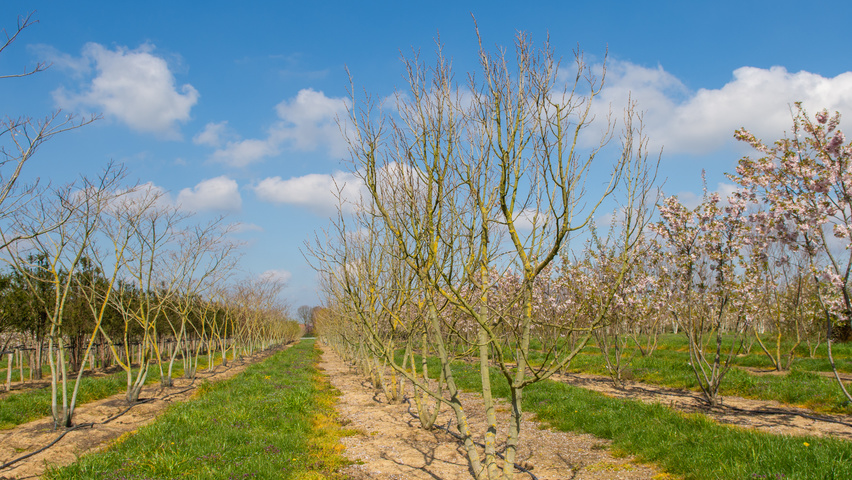
For optimal growth, Tilia henryana should be planted in a sheltered microclimate. It tolerates shade fairly well and thrives on a wide range of soils, as long as they are fertile, deep-rooted, and neither too dry nor too wet. Tilia henryana performs best when grafted onto Tilia tomentosa, although trees grown on their own roots generally also grow well. Whether grown as a standard tree or as a multi-stem specimen, the fringe-leaved lime is a striking and highly ornamental addition to parks and gardens and is especially valuable for supporting biodiversity. In addition, this species is not affected by aphids and therefore does not suffer from honeydew dripping.