+
Trespa International, Weert, The Netherlands

Trespa International, Weert, The Netherlands

"I used to look out onto old buildings. Now I see trees instead. It completely changes how the place feels."
Location: Weert
Country: Netherlands

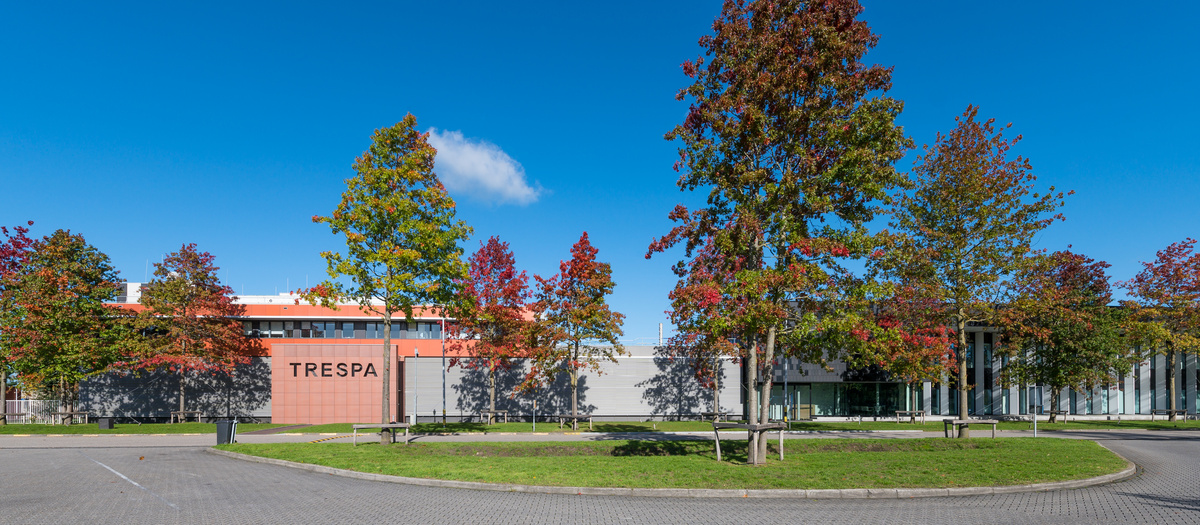
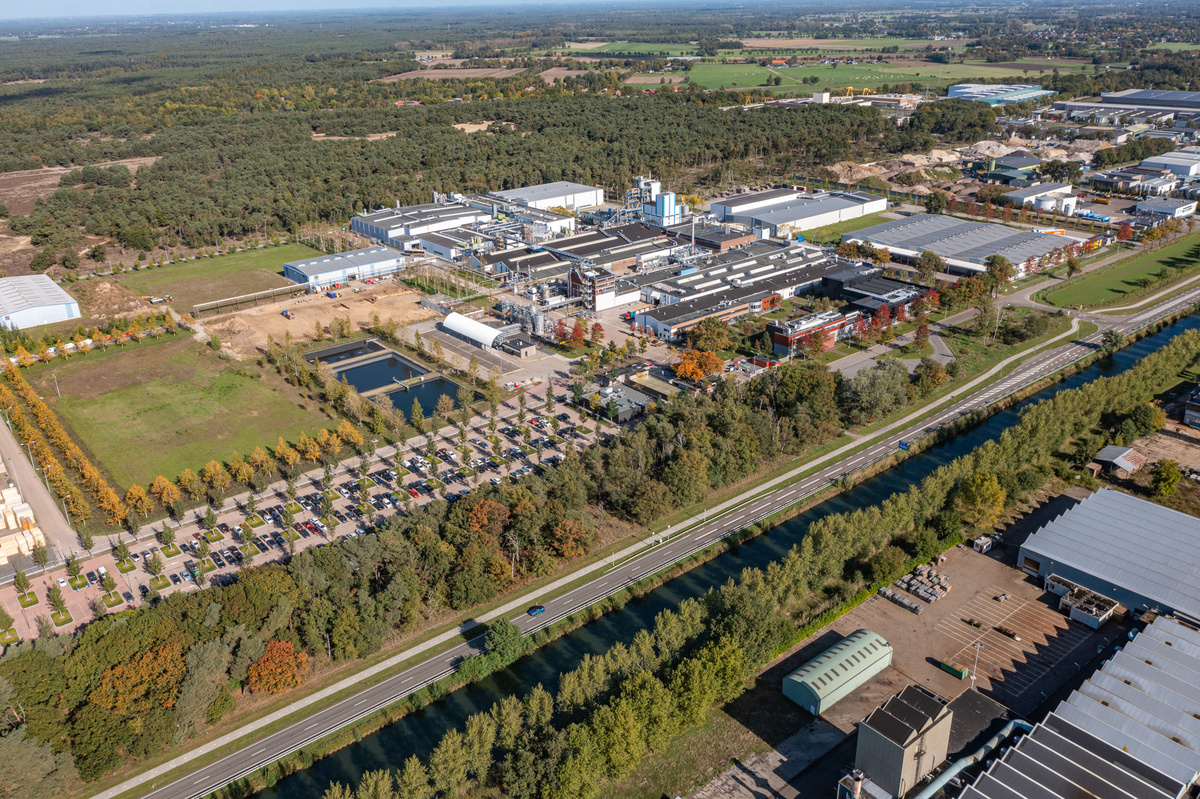
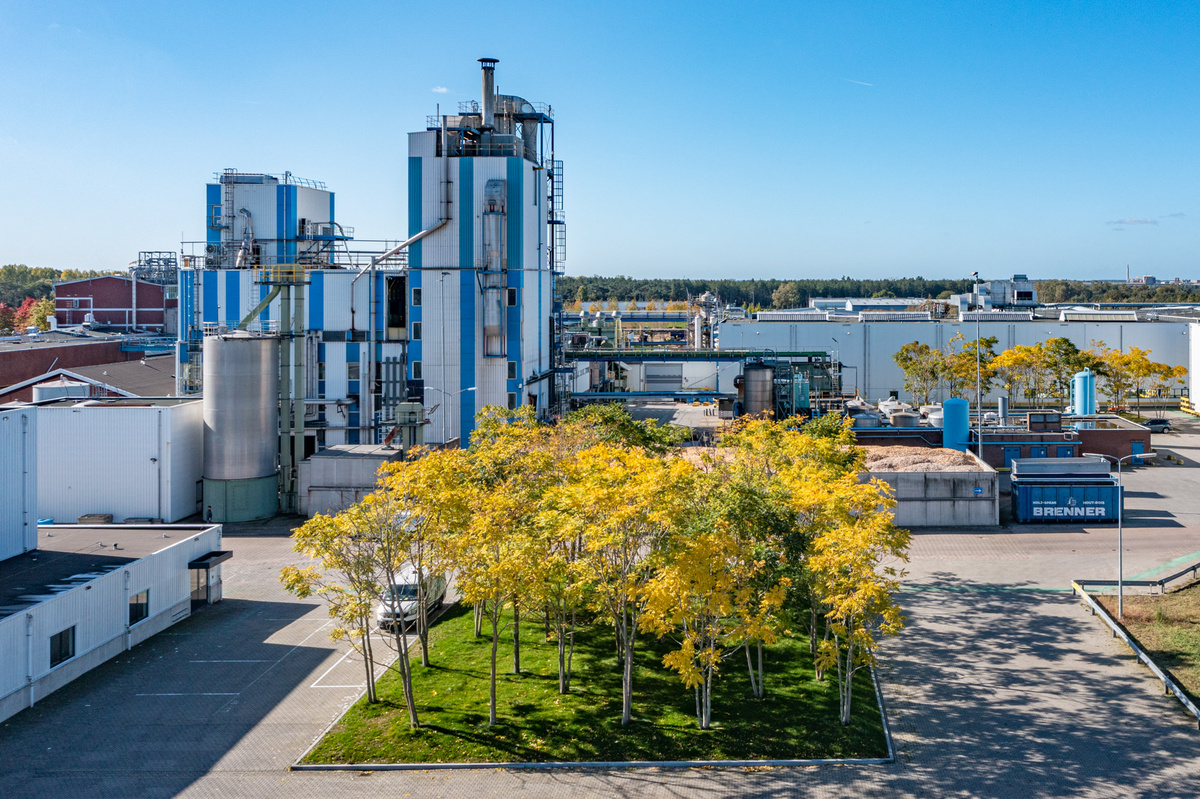
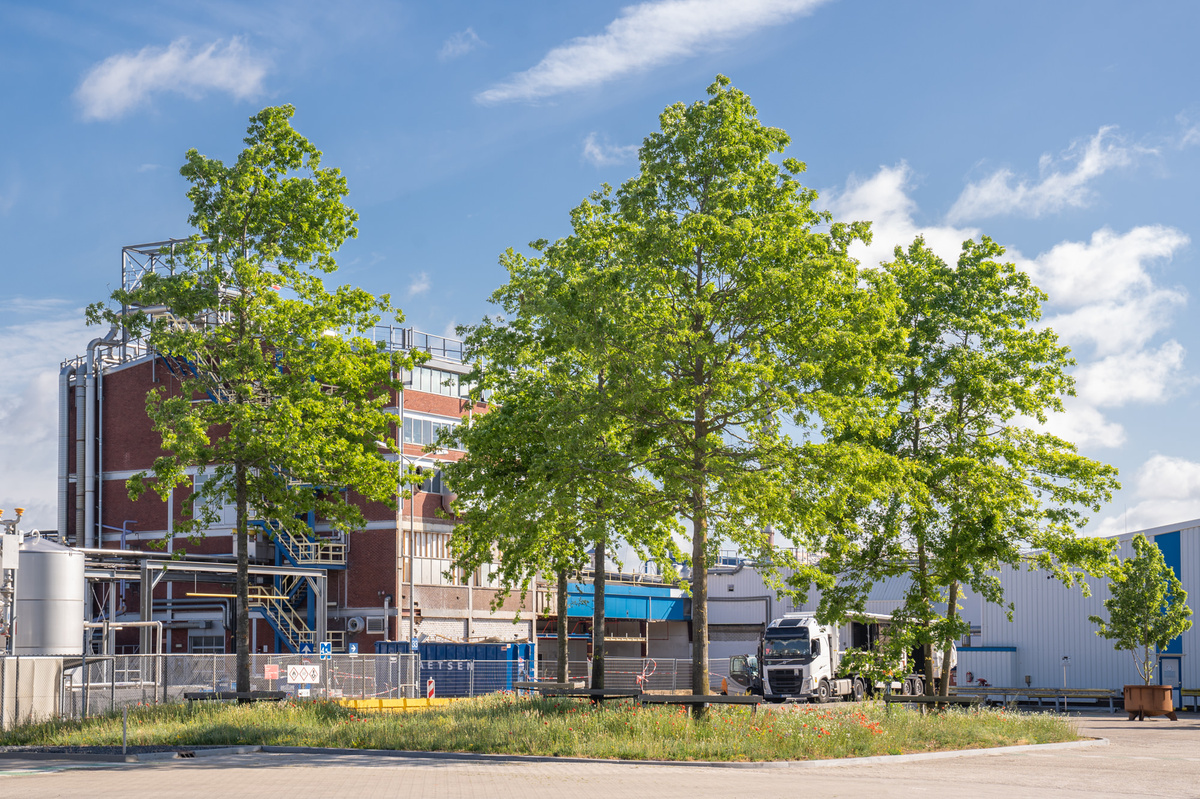
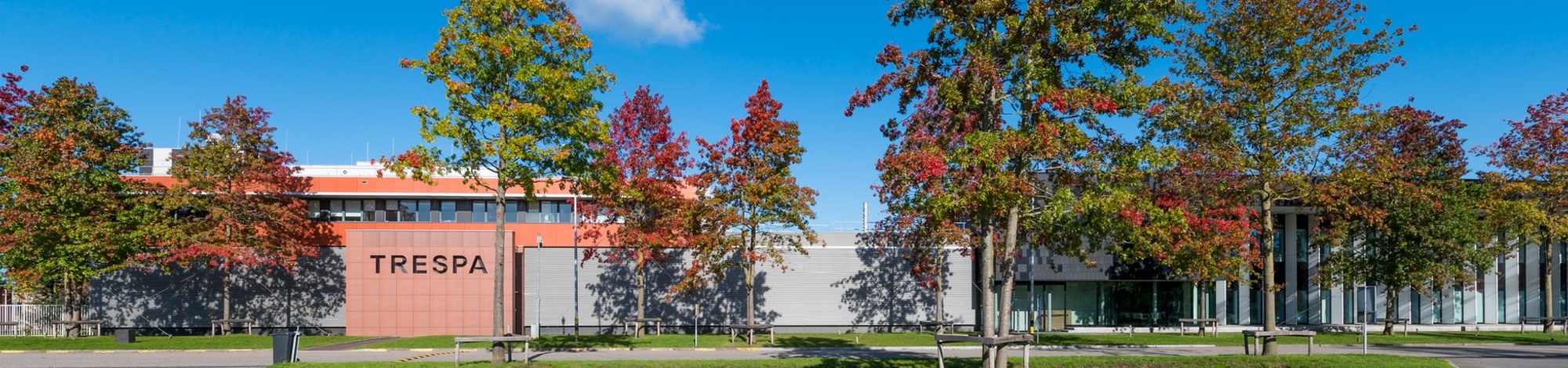
Where industrial buildings once dominated the Trespa site in Weert, a green campus is now taking shape. More than 800 newly planted trees and shrubs have transformed this typical 1960s industrial estate into an inspiring working environment. It is a bold transformation that reflects the company's commitment to sustainability and innovation. During a conversation with Operations Director Frank Vandecruys, it quickly becomes clear that sustainability at Trespa is defined not by words, but by action.

A global company with the spirit of a family business
More than 60 years ago, Trespa was founded as a local laminate manufacturer. Today, it has grown into a globally leading producer of innovative High Pressure Laminate (HPL) solutions. Around 700 employees worldwide work together to develop and manufacture the well-known Trespa panels: high-performance façade cladding materials that provide architects with innovative solutions for a wide range of building envelope challenges.

Weert remains the heart of the organisation, housing the company's headquarters, manufacturing facilities and research & development centre. It is where people collaborate, innovate and produce together, united by the culture of one extended family.

"Do no harm, do good, do better." These three principles form the foundation of Trespa's sustainability strategy. They extend far beyond the products themselves and influence the company's approach to the environment, its people and its customers.

"Our growth strategy is firmly rooted in sustainability," explains Vandecruys. "Together, we develop innovative materials designed to last for generations. Trespa products contain up to 70% natural fibres, while parts of our portfolio consist of as much as 85% natural raw materials. In simple terms, trees capture carbon dioxide as they grow. At the end of their life cycle, fast-growing species such as pine are harvested, processed into fibres and combined with pigments and resin to create our panels."
illustration
"I used to look out onto old buildings. Now I see trees instead. It completely changes how the place feels."

Green campus next level

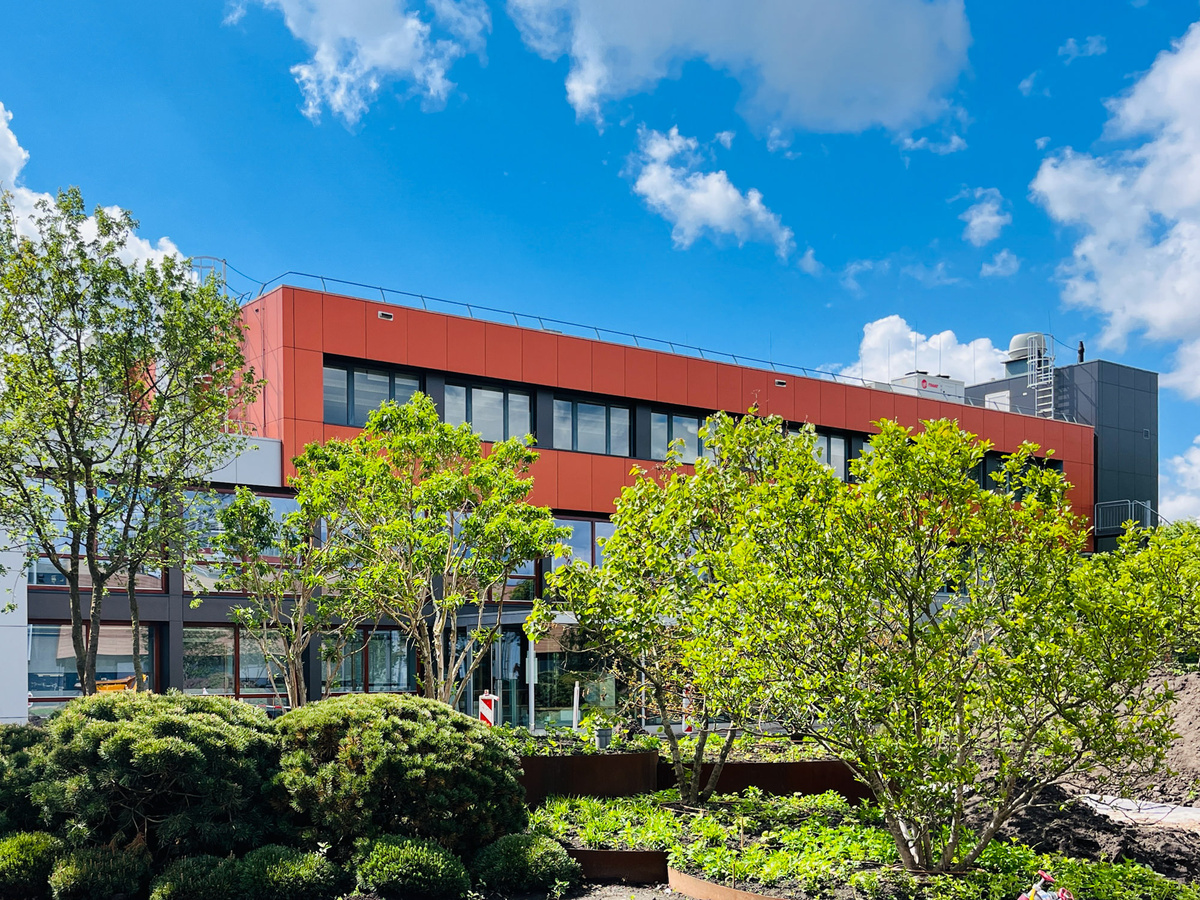
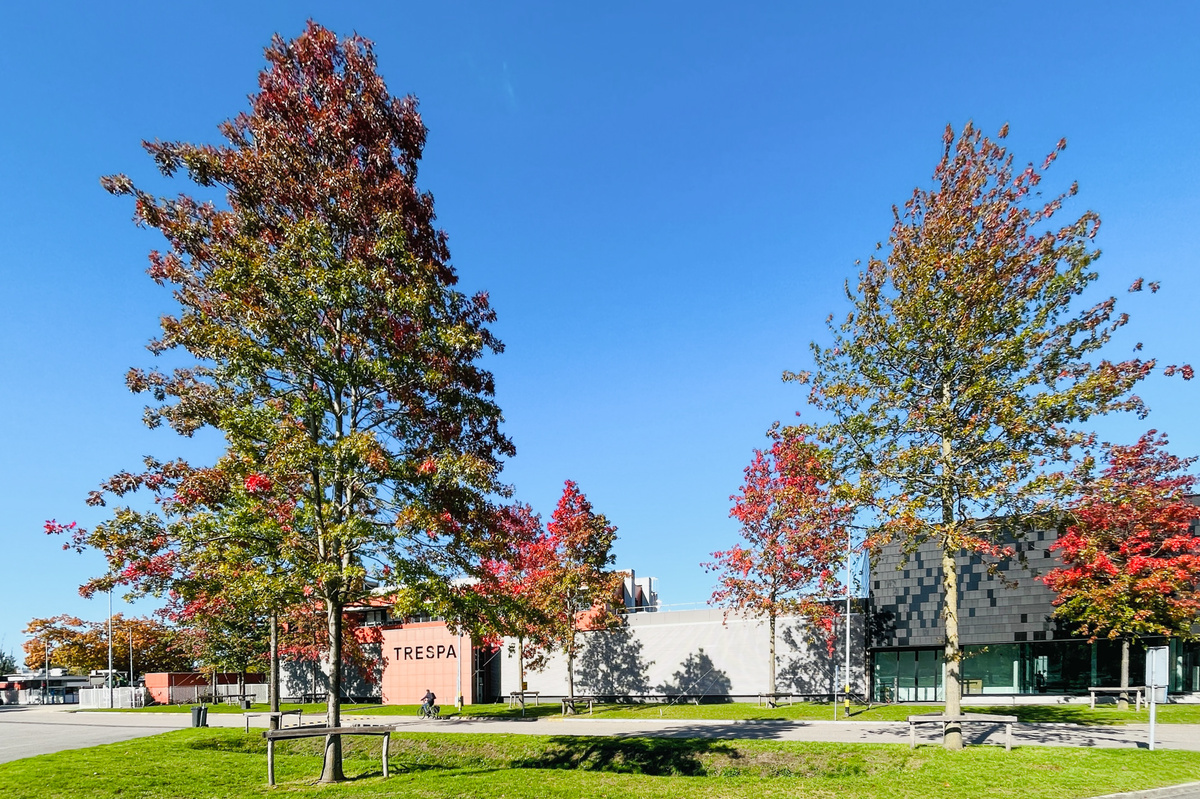
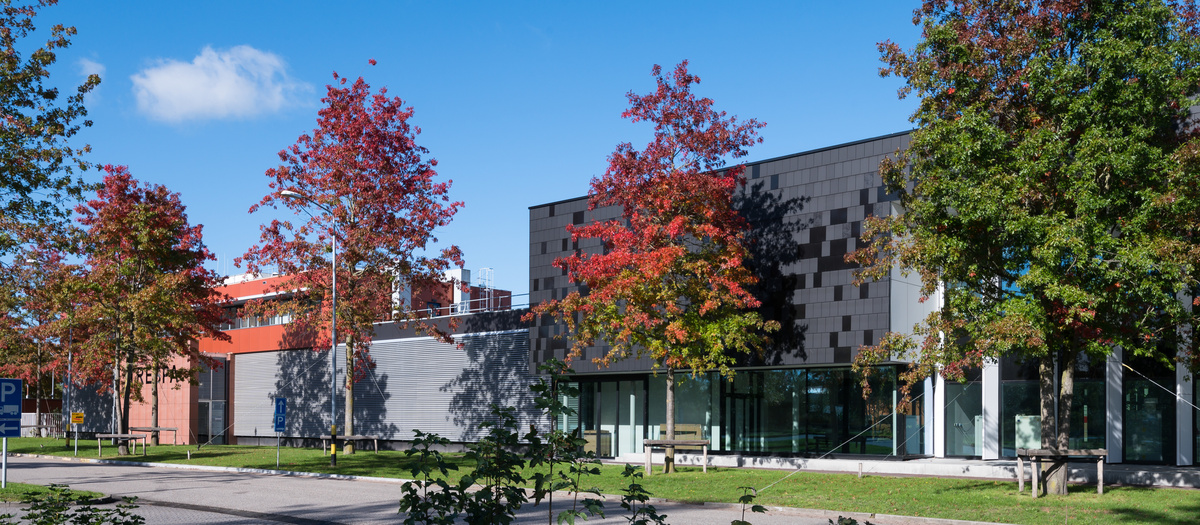
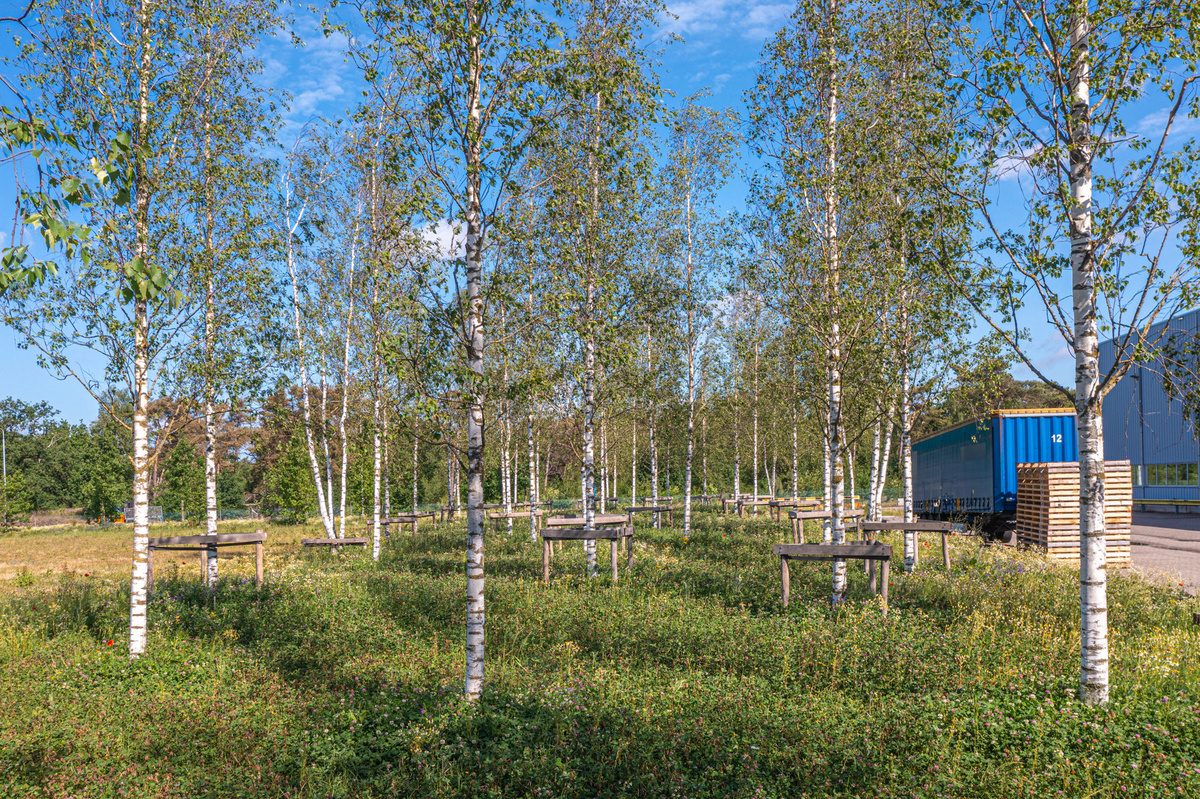
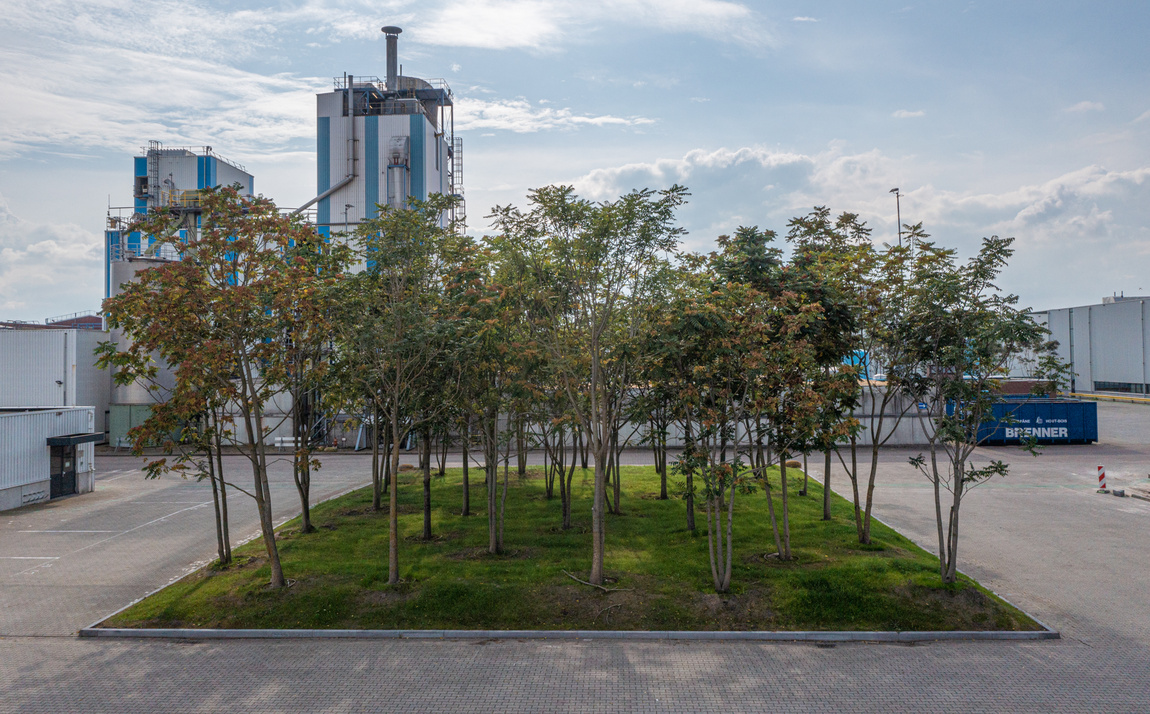
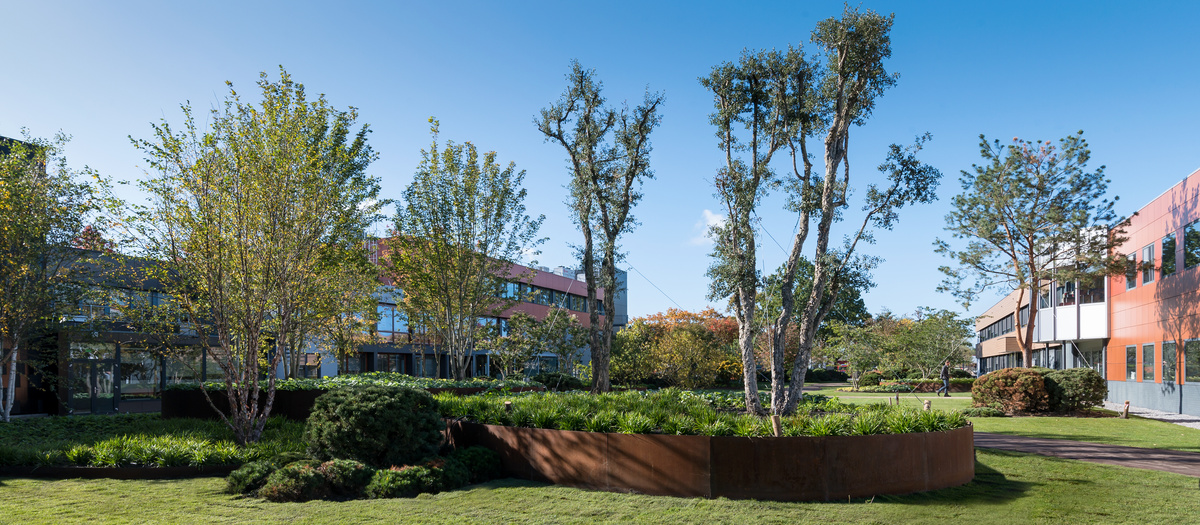
Like many industrial sites across the Netherlands, the Trespa campus was once almost entirely covered in asphalt. Today, visitors arrive in a green oasis. "I used to look out at ageing industrial buildings. Now I see birch trees in their place. It completely changes how the place feels," says Vandecruys. He is convinced that the newly created green spaces offer far more than an attractive first impression for visitors. They also have a positive impact on employees by creating a more enjoyable working environment and encouraging creativity. Around three years ago, Vandecruys began what he describes as the "housekeeping" of the site. "Our ambition was to create the feel of a green campus. There was a great deal of work to do. The old factory buildings were well maintained, but that was only the starting point. First, we focused on safety and quality because those are the foundations. It's like cooking: you can't prepare a good meal unless your kitchen is clean. Gradually, we demolished the vacant industrial buildings. In doing so, we also removed the physical barrier between the factory and the head office. The newly available spaces were planted with trees and shrubs, allowing the campus to evolve almost organically, with greenery becoming the element that connects everything together. From the very beginning, our employees embraced the transformation."

Investing in people as well as place

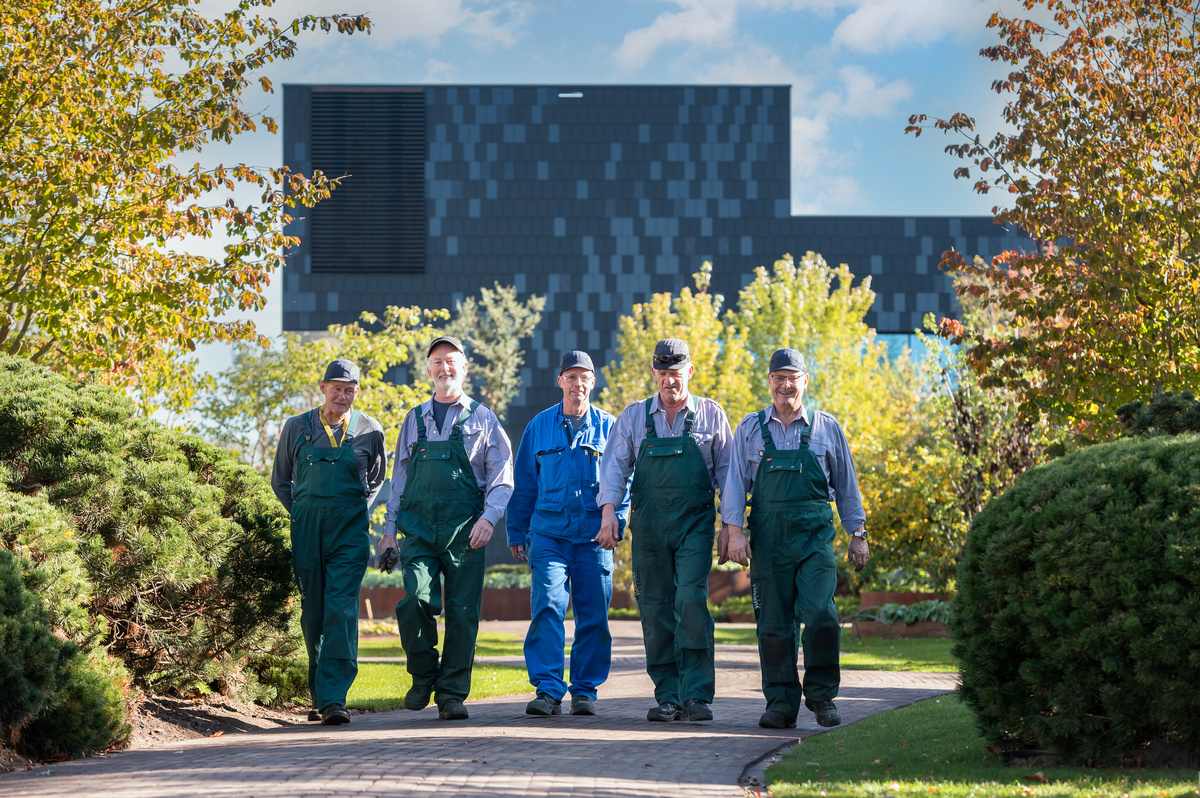
Sustainability at Trespa extends far beyond manufacturing and the physical workplace. It is equally embedded in the company's approach to the long-term wellbeing and employability of its people. Six long-serving employees, each with more than 30 or 40 years of service, have been reassigned from shift work to maintaining the green campus. "They now drive the garden tractor, mow the lawns and look after the grounds. They're no longer working shifts, but doing work they can continue to enjoy until retirement. And they take pride in it as if they were caring for their own garden," Vandecruys says with a smile.

Playing with colour and multi-stemmed trees

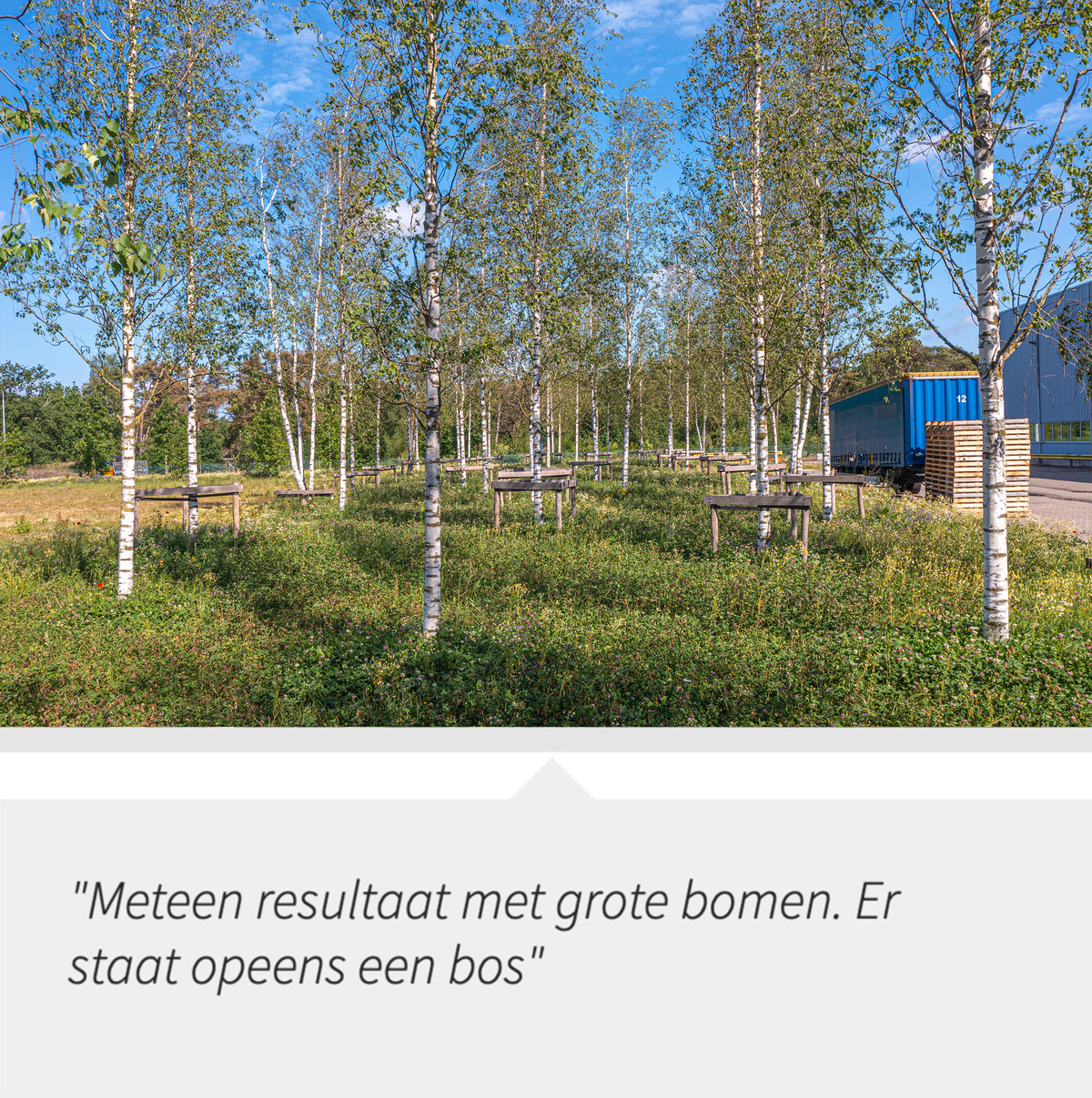
"We've exceeded our ambitions," Vandecruys continues. "By planting mature trees, the transformation was immediate. Almost overnight, it felt as though a woodland had appeared. Much of the credit goes to Toon Ebben's vision. He introduced the idea of combining multi-stemmed trees, contrasting foliage colours and larger specimen trees throughout the site. Seeing the result in practice has really demonstrated the value of that approach. He also convinced us not to demolish an old steel pipe bridge that no longer served any purpose. Instead, he suggested planting wisteria to grow over it. It already looks beautiful today, and it will only become more impressive as the years go by. After a while, you begin to think that way yourself. That's what makes the collaboration so rewarding. The project evolved organically, and the final result has actually surpassed the original design. It has exceeded all our expectations."

Five green zones across the Trespa campus

1. The Green Entrance

  • Mature oak trees providing immediate landscape impact
  • Nesting opportunities for birds
  • Bee-friendly tree species supporting pollinators
  • Naturally occurring fungi that contribute to soil health
  • Integrated rainwater management
  • Natural cooling through shade and evapotranspiration
  • Increased biodiversity

2. The Wetland Landscape

  • Large, mature trees adapted to wet soils
  • Planting inspired by natural wetland ecosystems
  • Nesting habitat for birds
  • Suitable habitat for amphibians
  • A calm, restorative atmosphere

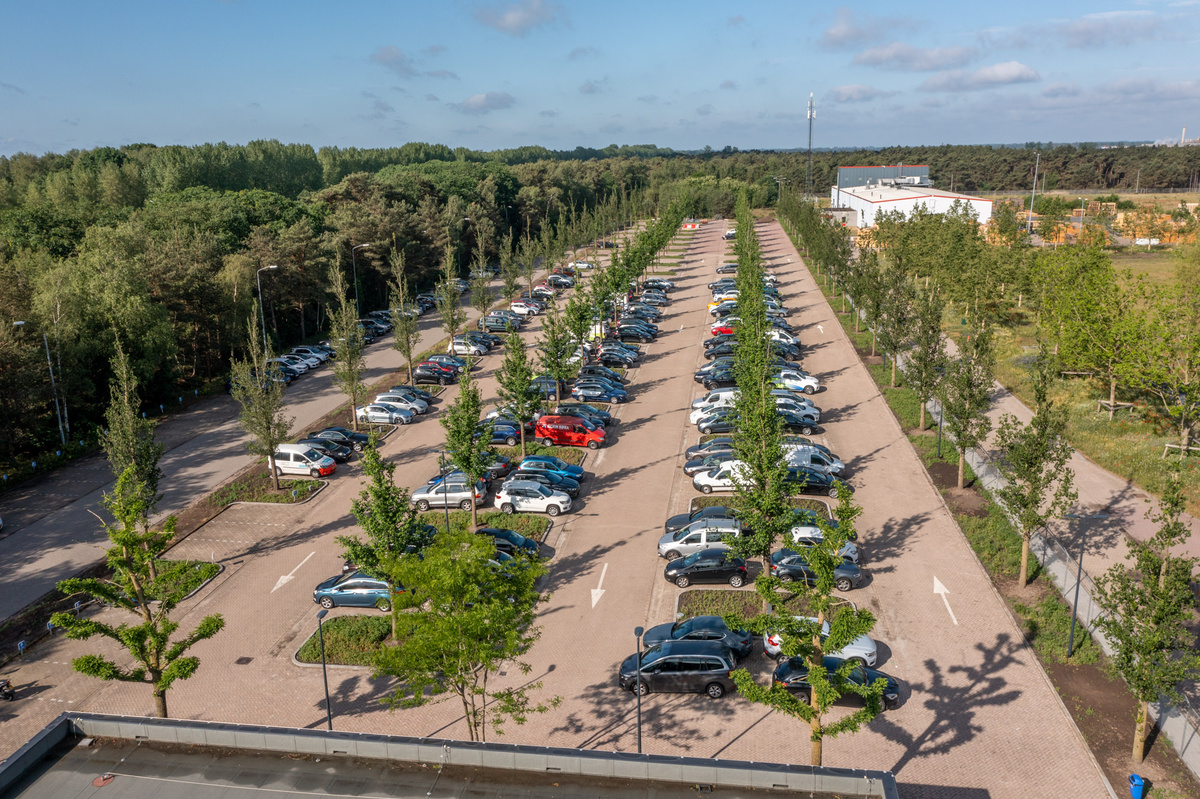
3. The Cooling Canopy

  • Safety and visibility as primary design principles
  • Large-canopy trees positioned to accommodate passing lorries
  • Rainwater retention and improved water management
  • Replacement of ageing trees with climate-resilient species offering greater ecological value

4. The Green Heart

  • Attractive walking routes through a mature green landscape
  • High carbon capture and long-term carbon storage in trunks and root systems
  • A dense tree canopy providing natural cooling through shade and evapotranspiration
  • A calming environment that supports wellbeing
  • Improved air quality through natural air filtration

5. The Arboretum

  • A design structured around Juglans regia 'Broadview'
  • Extensive use of multi-stemmed trees
  • Green connections between the different campus buildings
  • Seasonal variation in foliage colour, blossom and fragrance
  • Rich visual interest at eye level through leaves, flowers and bark
  • Sculptural multi-stemmed forms creating contrast with the dark façade of the NEMHO building
  • A living collection of remarkable tree species, offering year-round interest and inspiration

Sign up for our newsletter

×
Cookie settings

We use cookies when offering electronic services. A cookie is a small, simple file that is sent with the pages of this website and stored on the hard disk of your computer by your browser. This allows us to combine various requests for pages on the website and analyse users’ behaviour, for example. You can indicate which cookies you wish to accept using the settings below. Bear in mind that not accepting cookies will mean that part of the functionality of this website may not be available. You can find more information about the use of data and the various cookies in our privacy and cookie declaration.