Designing with trees and biodiversity
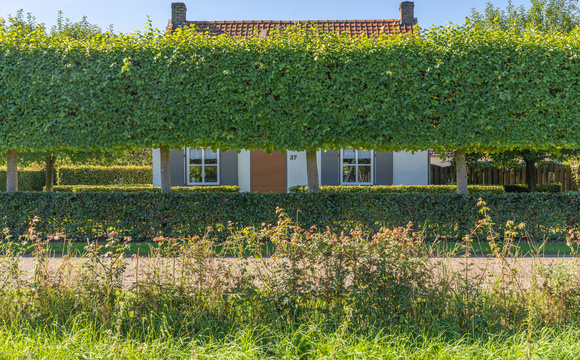

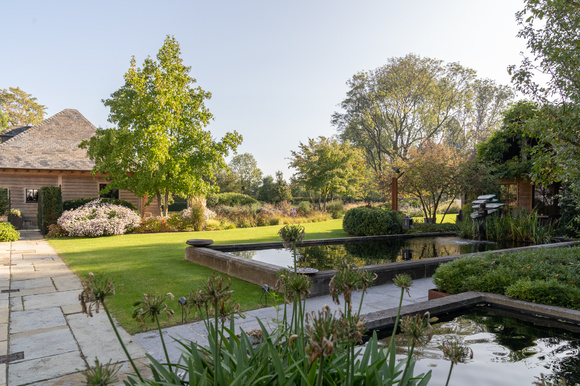
A good design includes a species-rich planting plan with not only a diversity of species, but also variation in tree shape, evergreen and deciduous character, and as long a flowering period as possible. A varied tree selection in both spring and autumn is essential for promoting high biodiversity in any design. Different tree species provide a range of habitats, food sources and create a microclimate. They also support a wide variety of animals, such as birds, insects and small mammals. Flowering trees attract pollinating insects such as bees, butterflies and hoverflies. Fruiting trees are an added benefit for birds and mammals, with fallen fruit for butterflies and birds, and nuts for, for example, squirrels. By choosing a wide range of species, you support the experience of the seasons to the fullest.
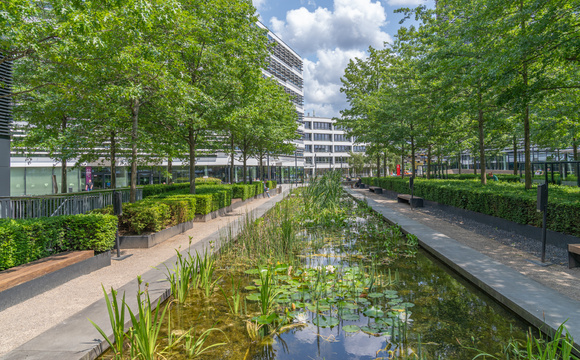
Mixed planting within a species reduces the risk of diseases and pests spreading on a large scale. So do not plant endless rows of the same tree species, but vary by alternating, for example, different species of maple (Acer). It is also advisable to vary in tree form and height. Trees with branches reaching the ground provide more protection for birds foraging on the ground, or create shelter close to the ground, allowing a butterfly to fly more easily and warm up in the sun. Trees with a broad crown contribute to the shade and protection needed by, for example, hedgehogs against birds of prey. There are major cities where 90% of the inner-city tree population consists of just five species; if a disease breaks out in one of those species, you lose a large proportion of your trees. Diversifying the assortment is the solution. Read more about designing with biodiversity in this blog article.