Location of the tree
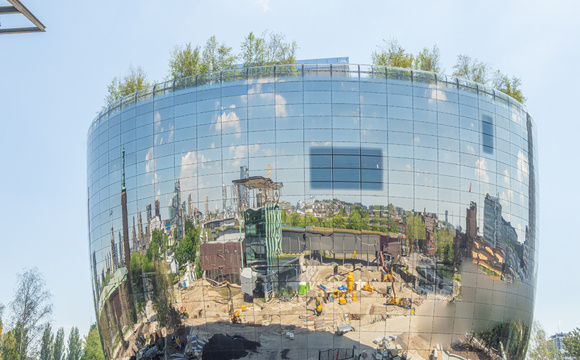

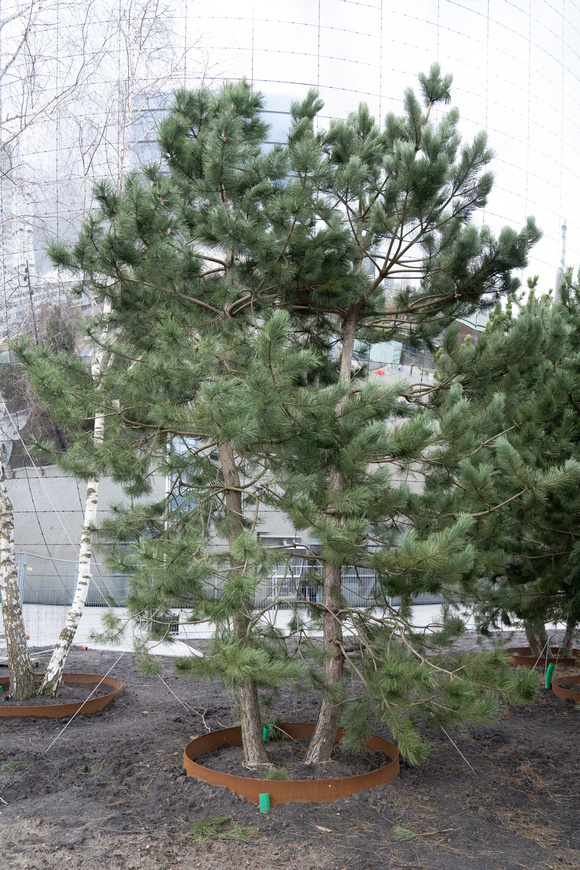
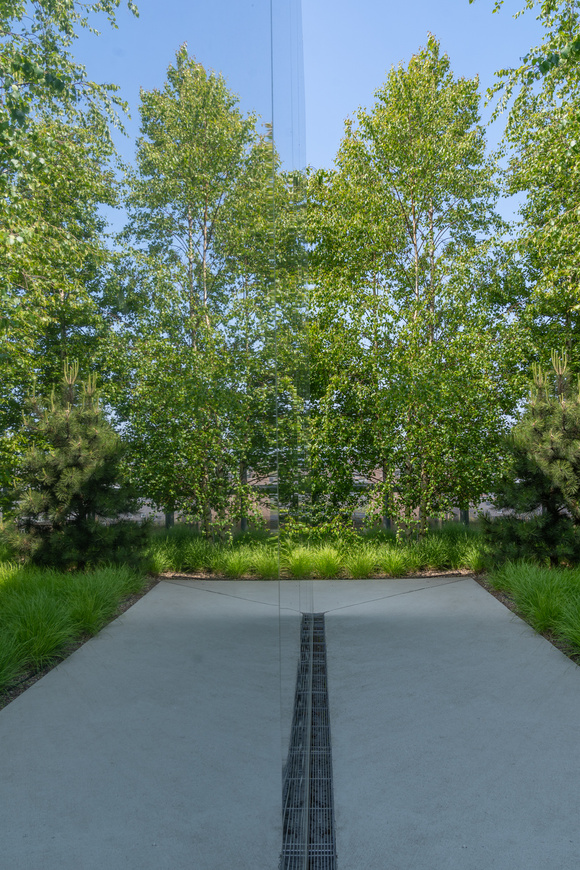
Choosing the right tree for the right location is crucial for a successful planting. The tree species and the tree’s form play a role in selecting the location. Each species has specific site requirements, which can be found in the Treeebb online tree search tool under “site requirements.” These include characteristics such as wind, soil type, nutrient content, etc. Some tree species have a very specific preference for a certain type of soil, while others are “soil-neutral.” You can filter by this in combination with other characteristics. Sometimes the site can be somewhat influenced by soil improvement or the use of a tree pit. Factors such as wind sensitivity, salt sensitivity (road salt), or light requirements are less easily adapted. Also important is whether the trees can be planted in paved areas when used on a street or in a square. Some locations are very specific, which is why the choice of tree must be carefully considered. Consider, for example, a rooftop garden where not only factors such as substrate type, wind load, and light exposure from surrounding facades play a role, but also irrigation requirements, buffering capacity, and nutrition.
How large a tree grows above and below ground naturally depends on the species, its vigor, and the number of years the tree is allowed to remain in its location. In a well-designed plan, the selected tree species are given the space they need above and below ground, allowing them to grow into the desired final form. With the Treeebb, a tree’s mature dimensions can be easily looked up. Of course, the available underground space also plays a key role in ensuring that the tree can actually reach the specified dimensions. For this reason, it is important to account for sufficient underground space.
When choosing the right tree for the right location, the following factors are important:
- Soil type: What kind of soil will the tree be planted in?
- Groundwater level: What are the average high and low groundwater levels?
- Available underground space
- Above-ground dimensions: How wide and tall can and should the tree grow?
- Other site factors such as geographic location, paving, and wind.
- Check the availability of the species.
The designer’s concept and vision are also of decisive importance. The following points play a key role:
- The designer’s vision regarding form, texture, and structure; height and width; color; seasonal effects; atmosphere; and accents;
- The tree’s function: play tree, improving ecology and biodiversity, degree of climate adaptability, cultural history, food forest, etc.
Once the species has been selected, it is advisable to draw the trees into the design at their mature crown diameter. This makes it immediately clear whether there is sufficient space for the species concerned and whether problems may arise in the future through competition with other tree species or with objects such as public lighting or buildings. The available maintenance budget should also certainly not be overlooked when choosing the species. A designer may have in mind, as the desired end image, a tightly clipped avenue of block trees; if the budget for annual pruning is lacking, the intended end image will unfortunately never be achieved. Leaf fall, fruit drop, insect pressure (for example aphids in certain lime species and species that attract wasps), heaving of paving and branch breakage are also management factors that should be carefully taken into account when selecting the species.