Trees in the specification

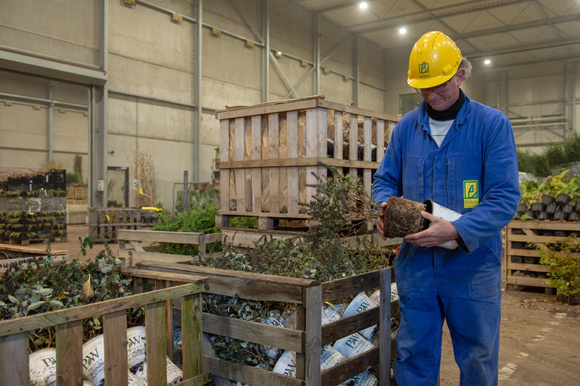
To ensure that the correct trees and plants are supplied, the following specifications are important in the tender document:
-The full botanical name
-Standard trees: size (stem girth measured one metre above ground level), crown width, and number of transplantings
-Shrubs: height and, where applicable, width
-Other planting: pot size
-The quantity / number of plants
-The clear stem height, in other words the height at which the tree’s crown should begin
-The requirement for high-quality plant material
-Where applicable, the number of times the tree must have been transplanted at the nursery
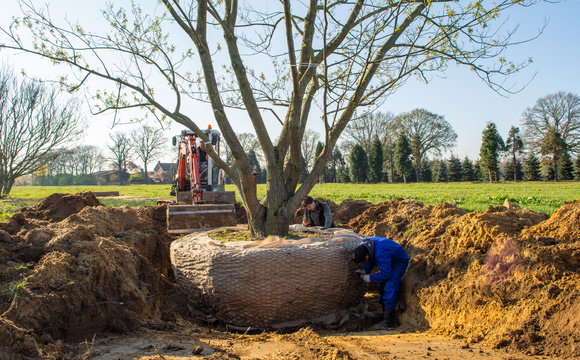
The equipment you need for transporting and planting trees depends partly on the weight of the root ball. The average weight of root balls in relation to the stem girth of the tree can be found in the root ball information table.
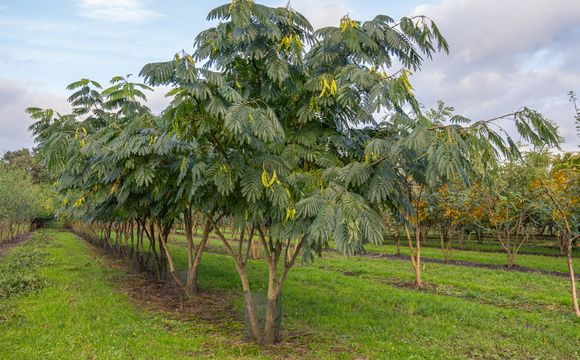
For multi-stemmed trees, the description in a specification needs to be more detailed than for regular standard trees. It is important to clearly specify the following:
-The minimum number of stems
-A single specimen or multiple specimens
-The height and, where applicable, the width
-The clear stem height, in other words the height at which the crown of the tree should begin
-The minimum number of times the tree must have been transplanted
-Average stem circumference of the stems
Read more about achieving the right effect with multi-stemmed trees in a design on our range page.
Download brochure: We are multi-stem
Trees that will become defining features within a development area should be described in greater detail in the specification. This may include multi-stemmed trees, characteristic trees or other special species and forms. These trees are unique in appearance: no two are the same in growth habit or dimensions. It is advisable to come and select the landmark trees yourself at our nursery. This helps to safeguard quality within the available budget and makes it possible to reconsider the species selected where necessary, or to make budgetary adjustments in the sizes and/or forms of the trees.