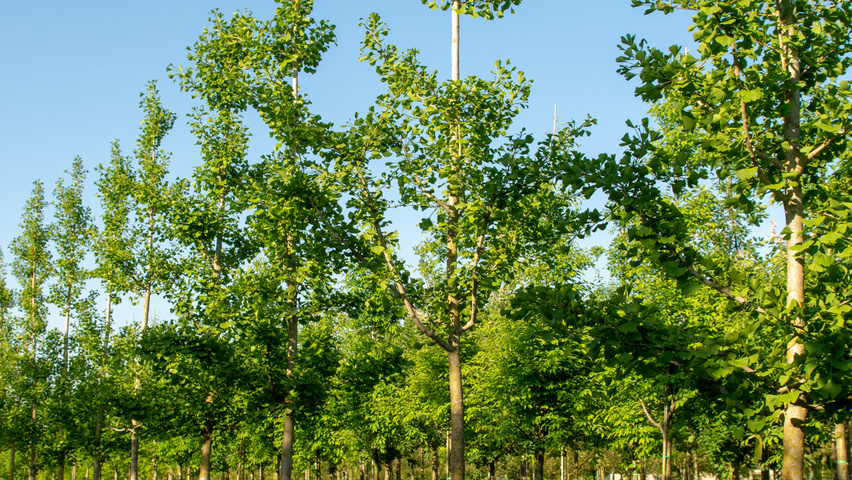
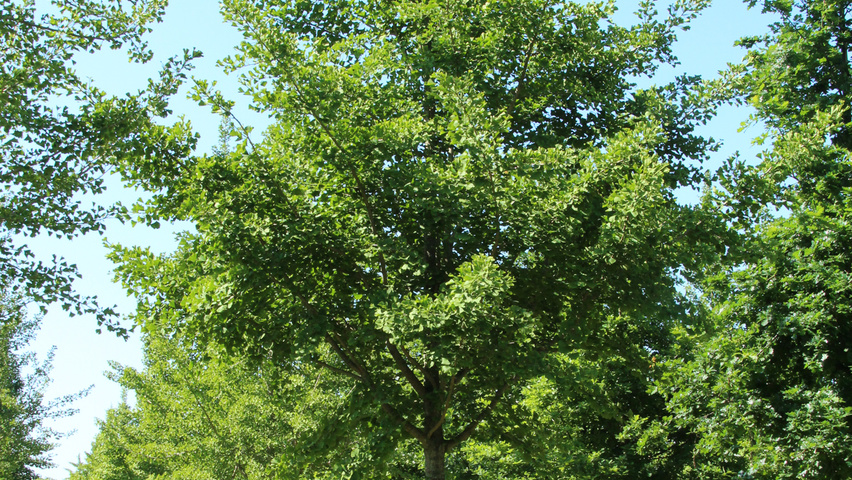
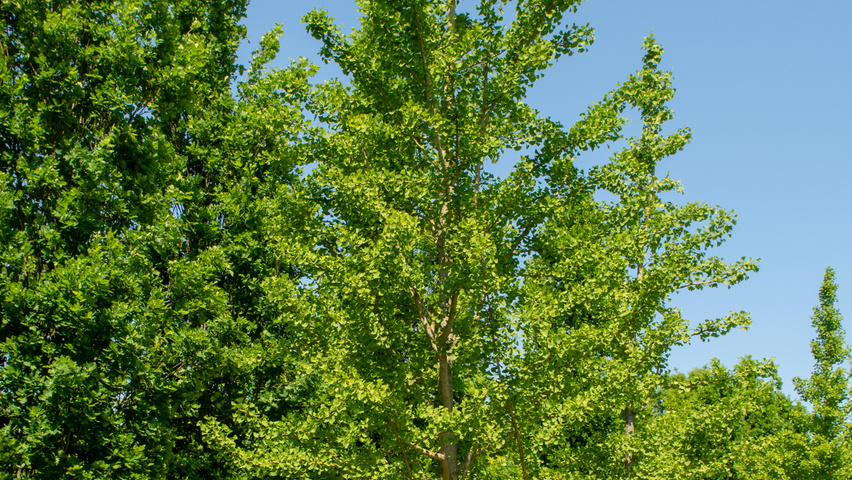
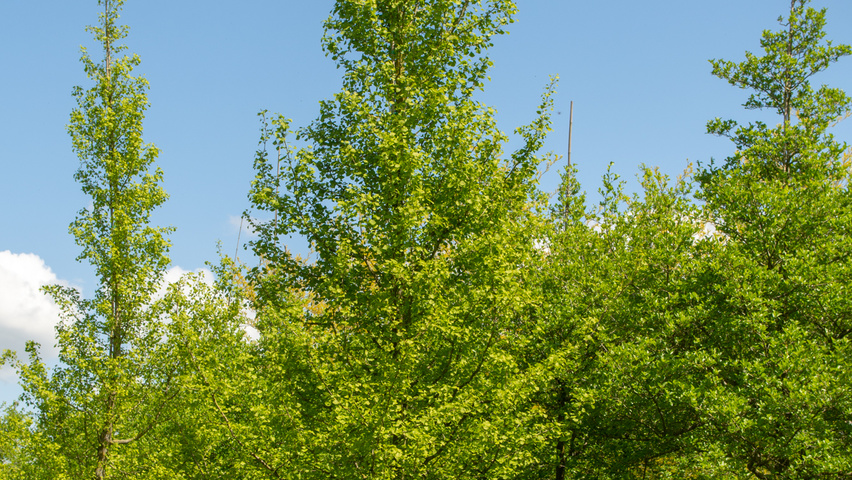
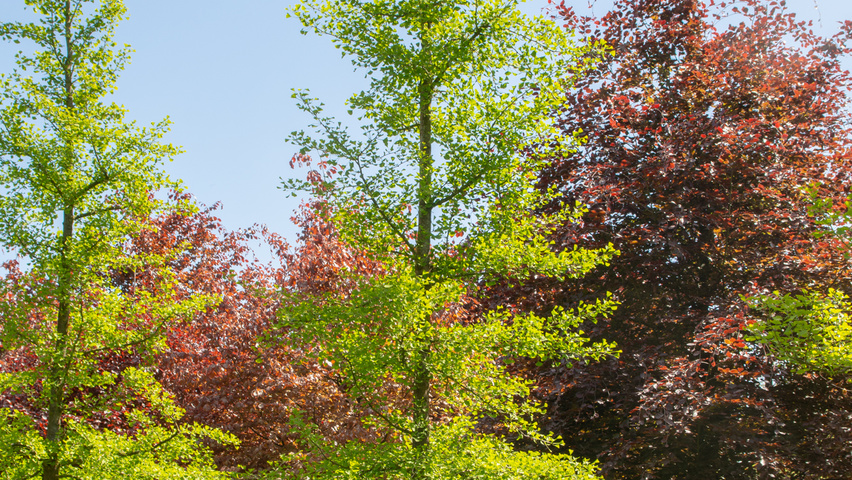
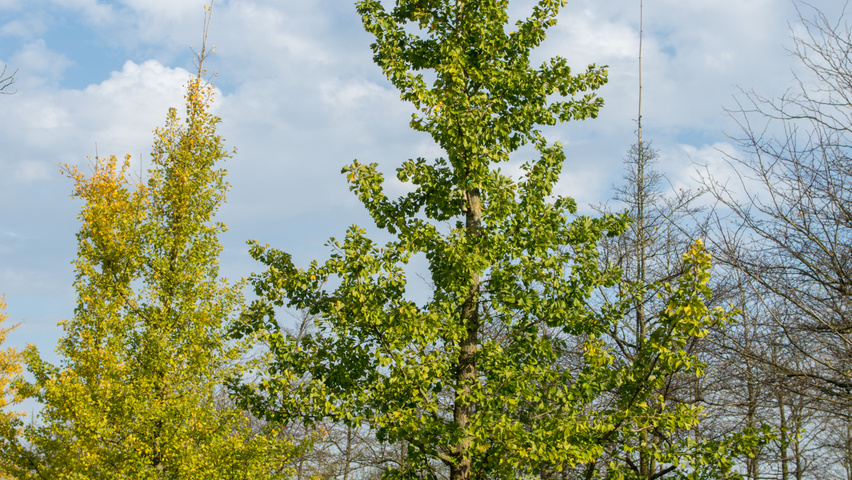
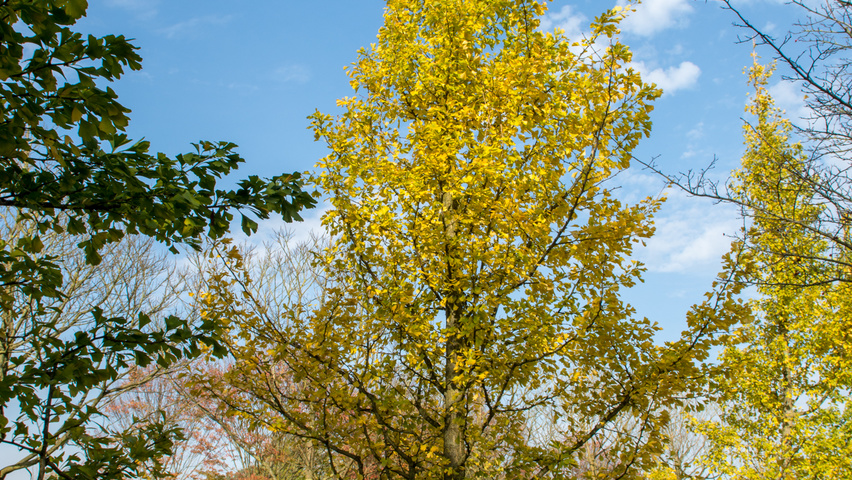
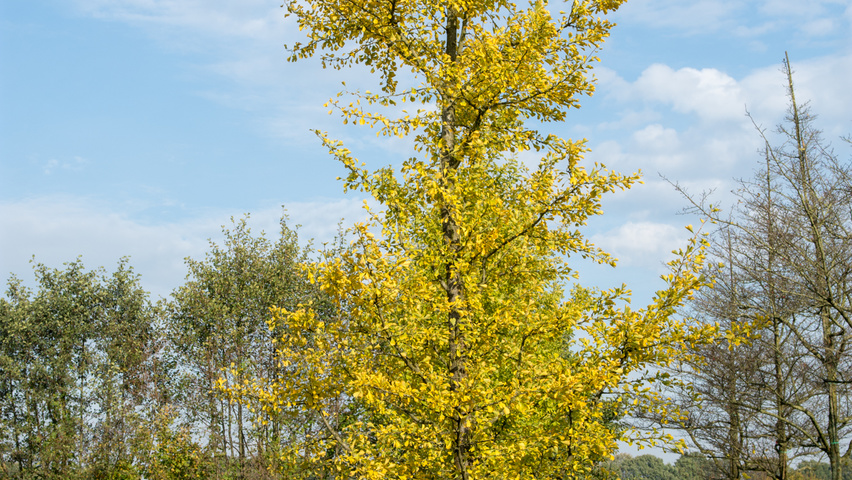
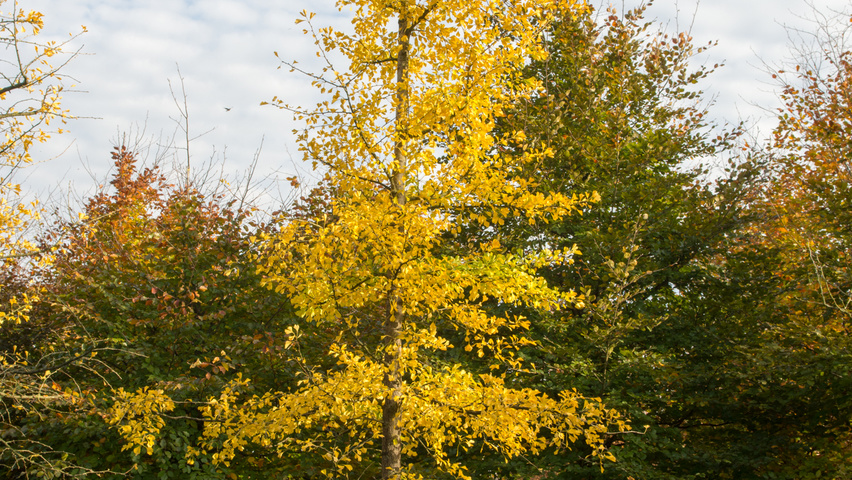
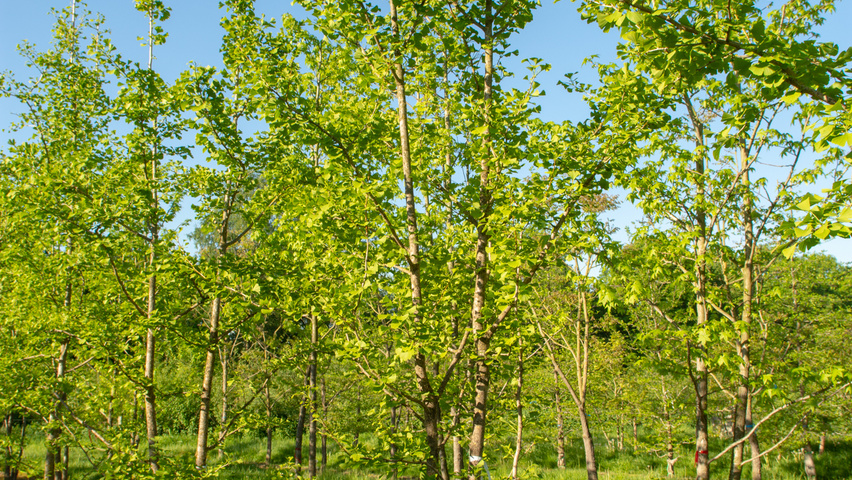
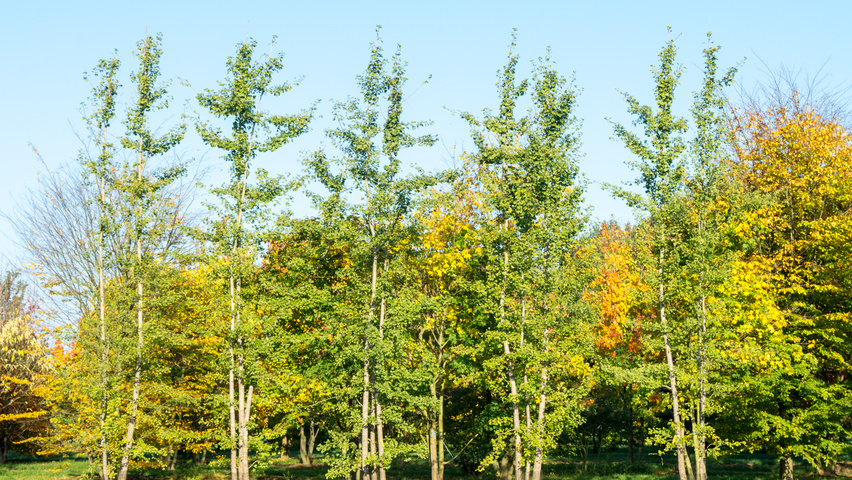
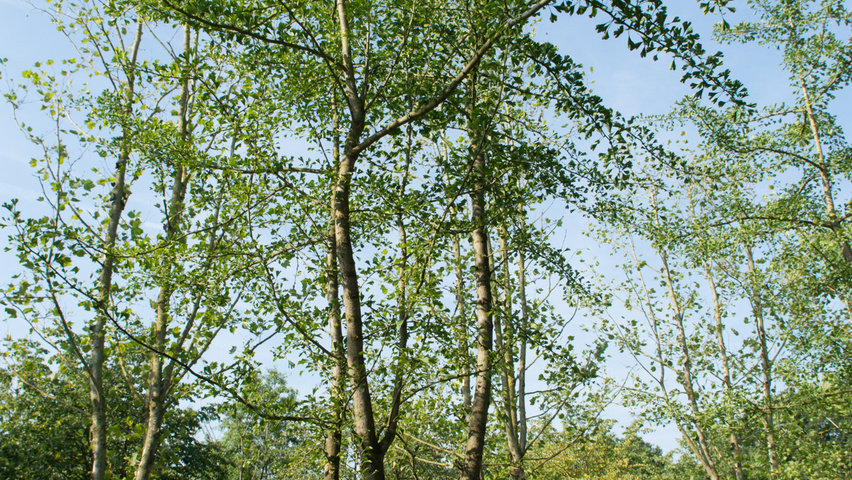
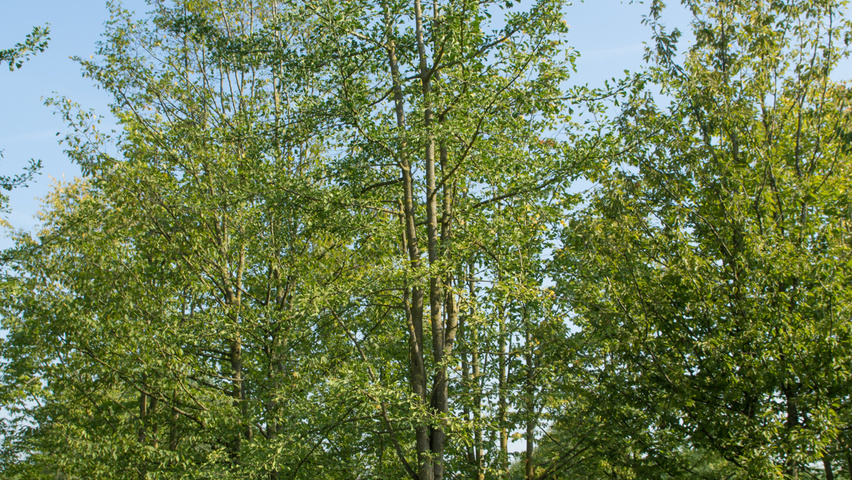
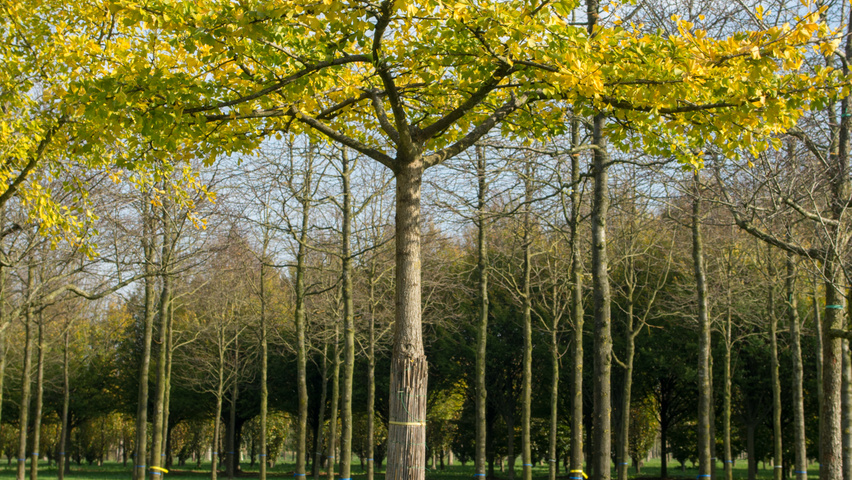
Ginkgo biloba (maidenhair tree) was discovered around 1690 by the German botanist Engelbert Kaempfer in Japan, although it originally comes from China and once occurred worldwide. It is rightly called a living fossil, with direct ancestors dating back 170 million years. Fossils of this species are found across the world. Because of its long history and distinctive leaf shape, the tree is surrounded by symbolism. As a young tree, the ginkgo grows upright and narrow, later developing an irregularly oval form due to its widely spreading branches. Ultimately, Ginkgo biloba can reach thirty five meters in height, though in cultivation it often remains around twenty five meters tall and fifteen meters wide.
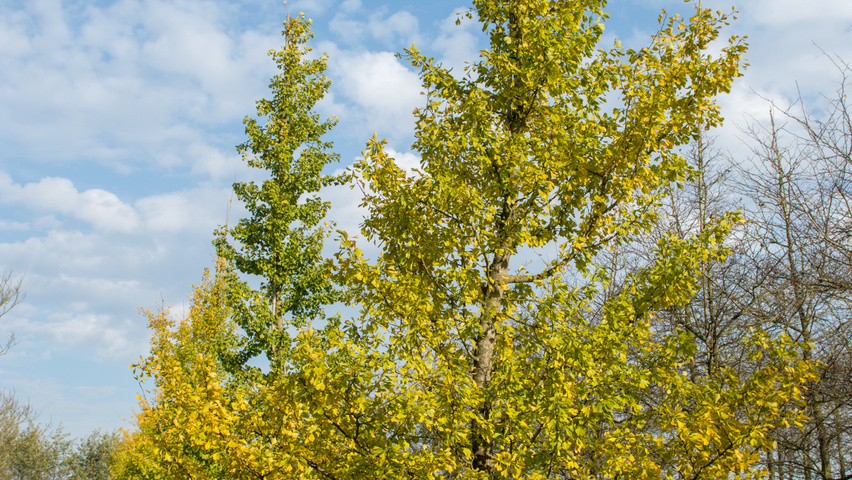
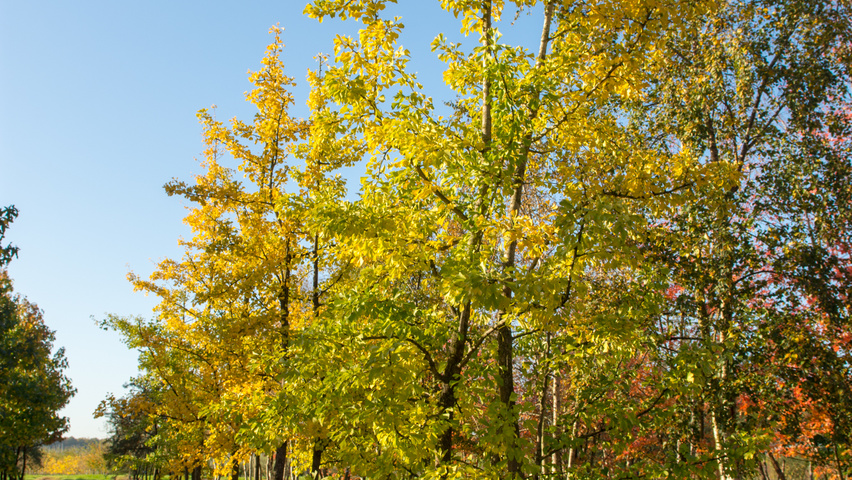
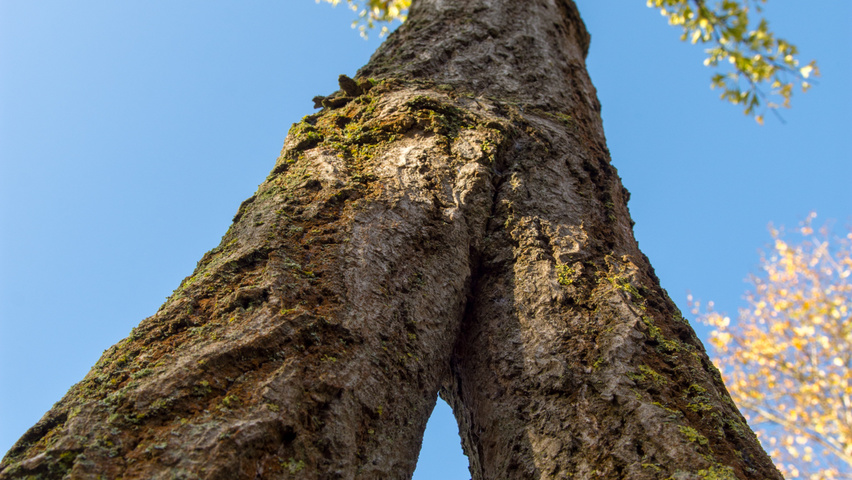
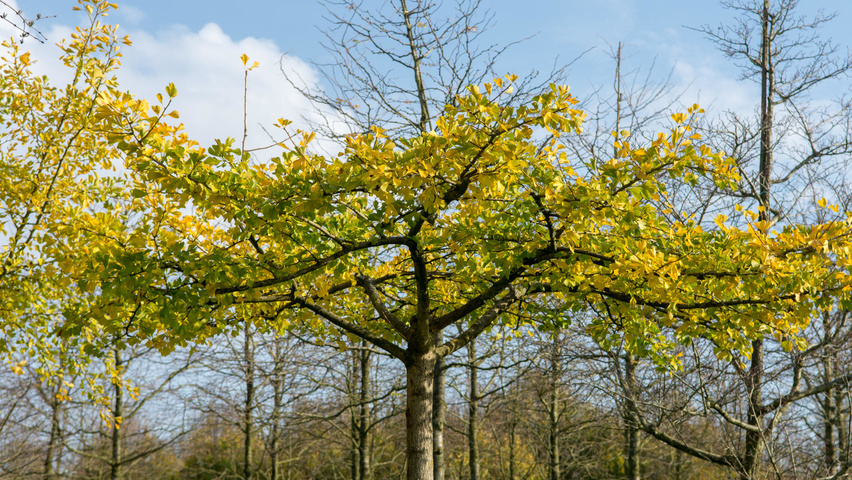
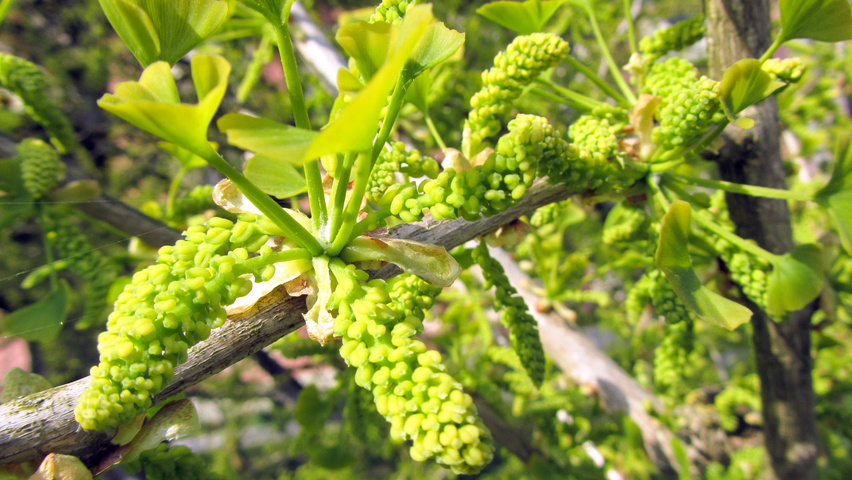
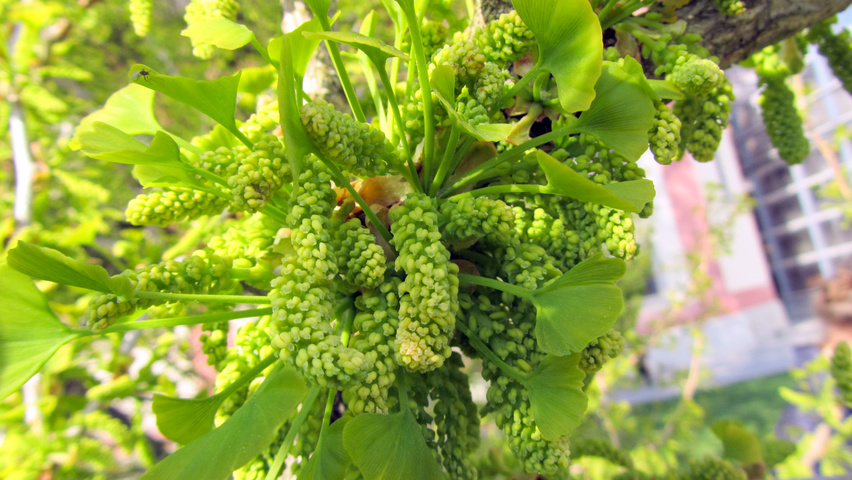
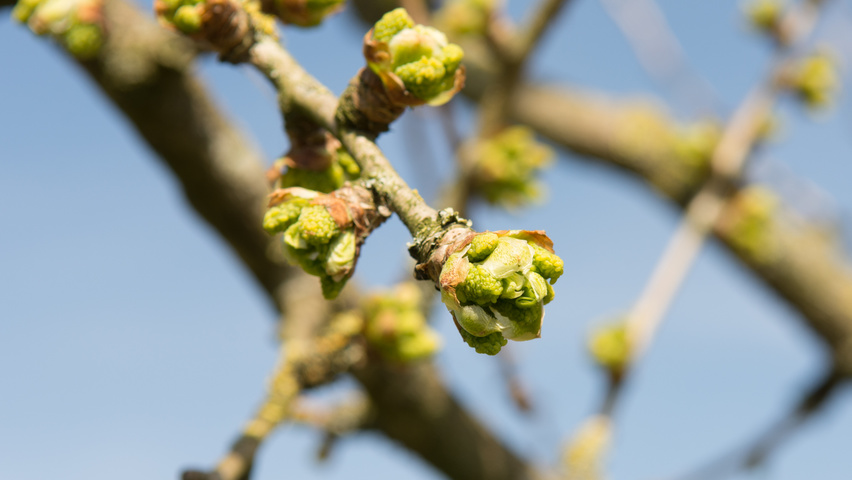
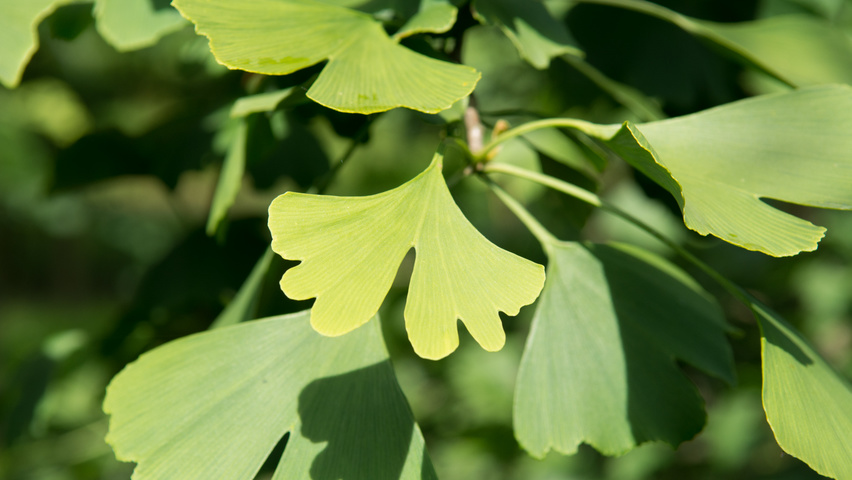
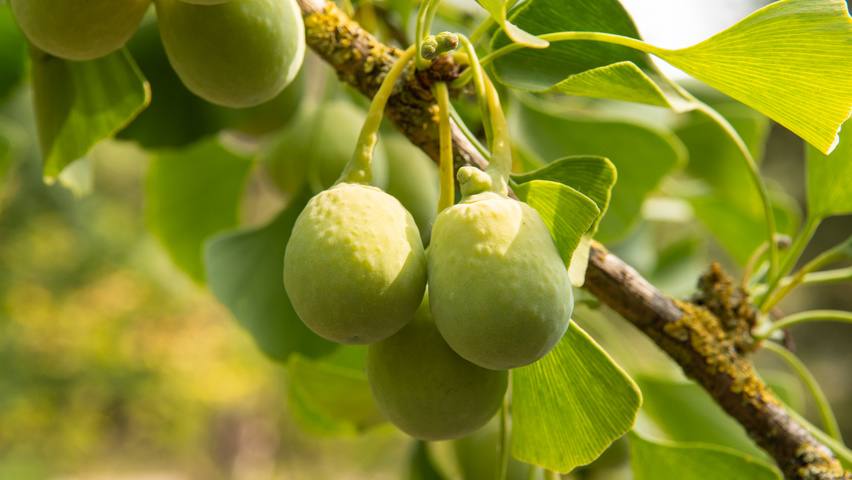
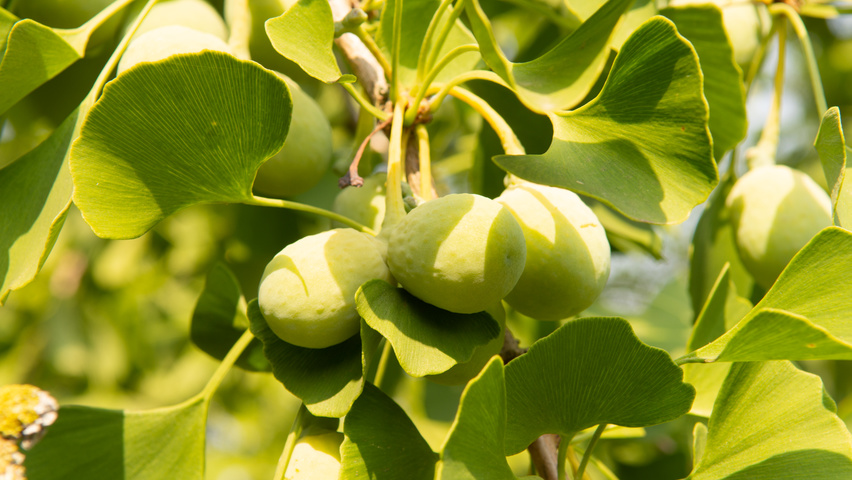
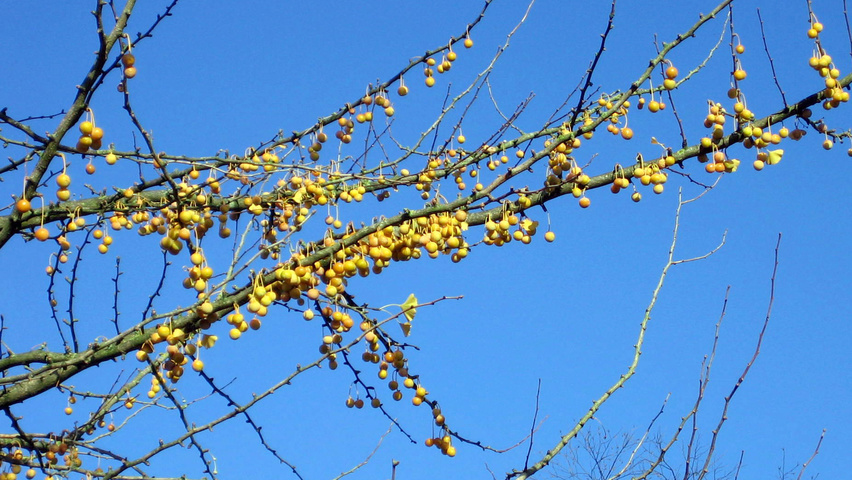
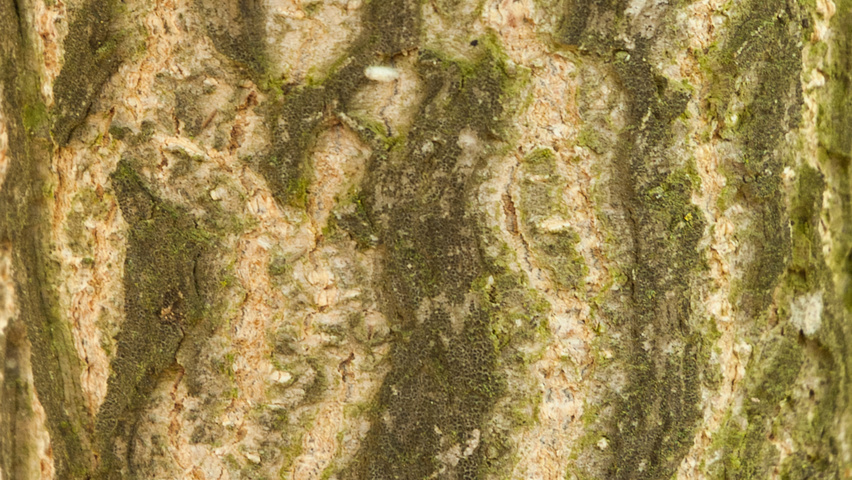
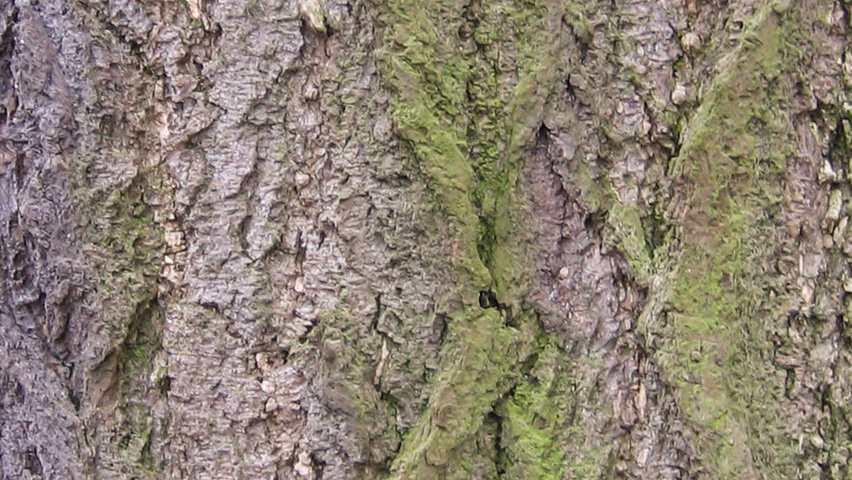
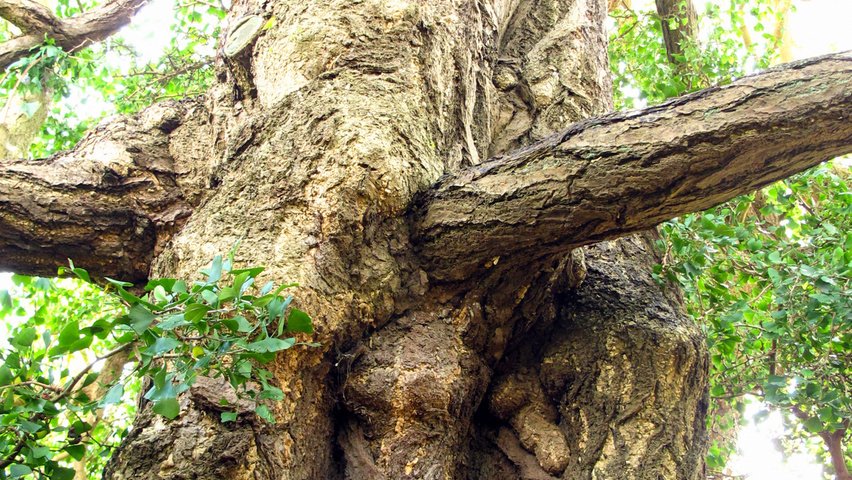
Although at first glance it resembles a deciduous broadleaf tree, Ginkgo biloba is actually a deciduous conifer. Up close, it becomes clear that each “leaf” is formed by fused needle structures. As the Latin name (bi loba) suggests, the leaf typically has two lobes. The foliage emerges fresh green, darkens slightly in summer and turns a brilliant yellow in autumn. The species is dioecious, meaning male and female trees are separate. Female trees begin to bear pale yellow fruits after about twenty years. The fleshy coating emits a strong odor when crushed, although these fruits are not true nuts. The seeds are roasted and eaten as a delicacy in Japan. Ginkgo biloba has gray brown bark that becomes deeply furrowed with age, and its light brown twigs are stiff and upright.
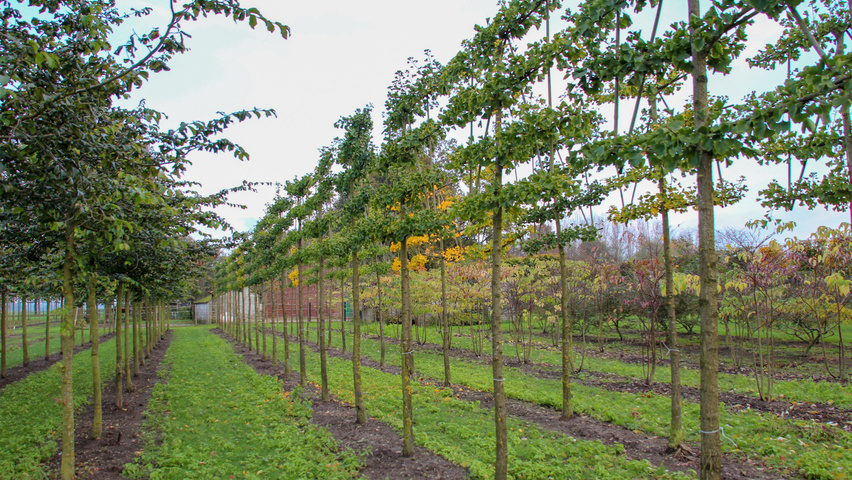
Ginkgo biloba is unaffected by heat, pollution or urban stress. Air pollution, paving and small planting pits pose no problems at all. The trees can live to great ages. Thanks to its unstable genetic base, the species tolerates many conditions and can spontaneously mutate, producing fastigiate, columnar or spherical forms. Because of the fruits, male trees are usually planted, although male trees are known to occasionally change into female trees. Ginkgo biloba grows on all soils that are not too wet and is an outstanding park and garden tree that also performs well in broad streets and avenues.