


+
Larix kaempferi

Larix kaempferi

Japanese larch, karamatsu

synonym Larix leptolepis

Description

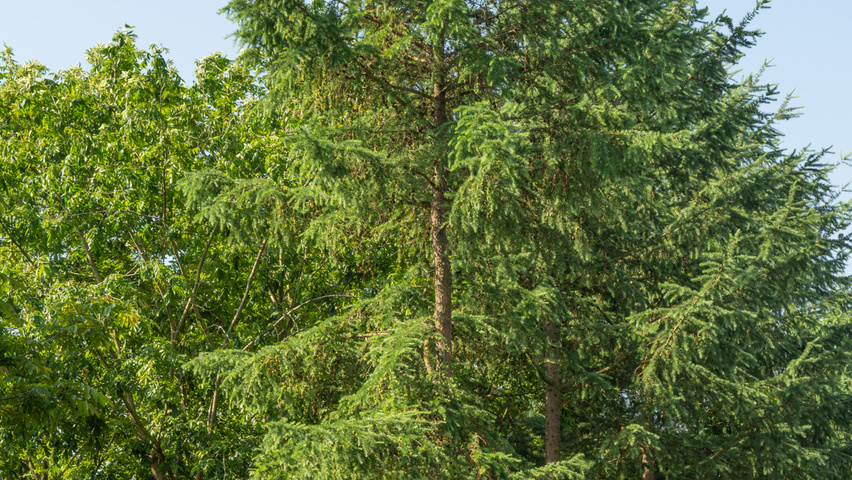
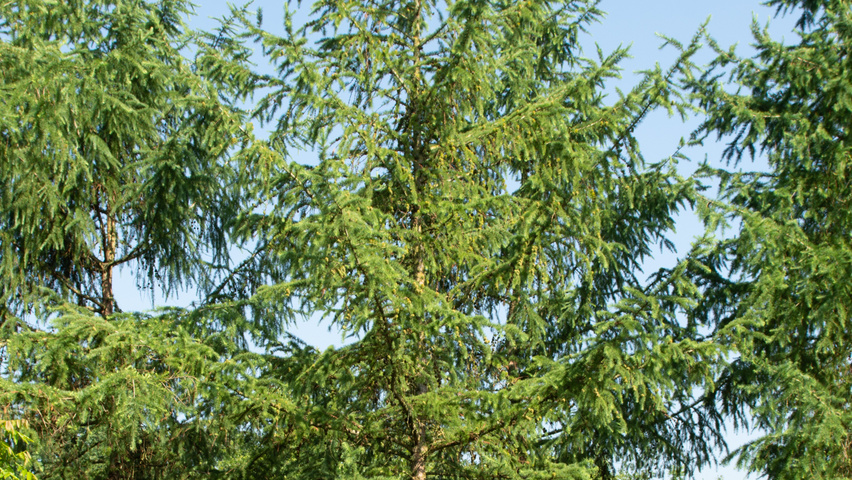
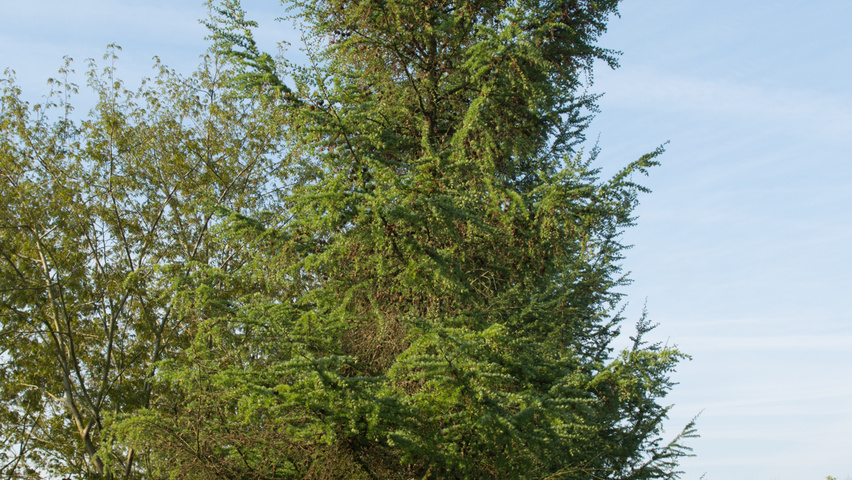
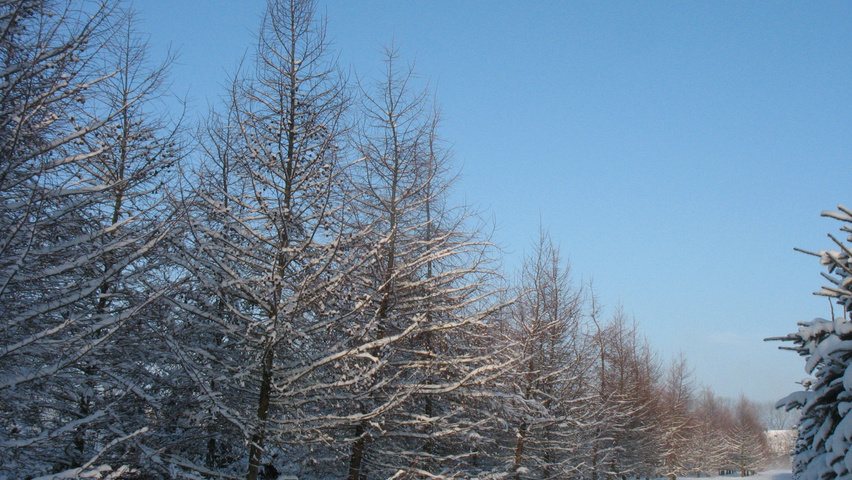
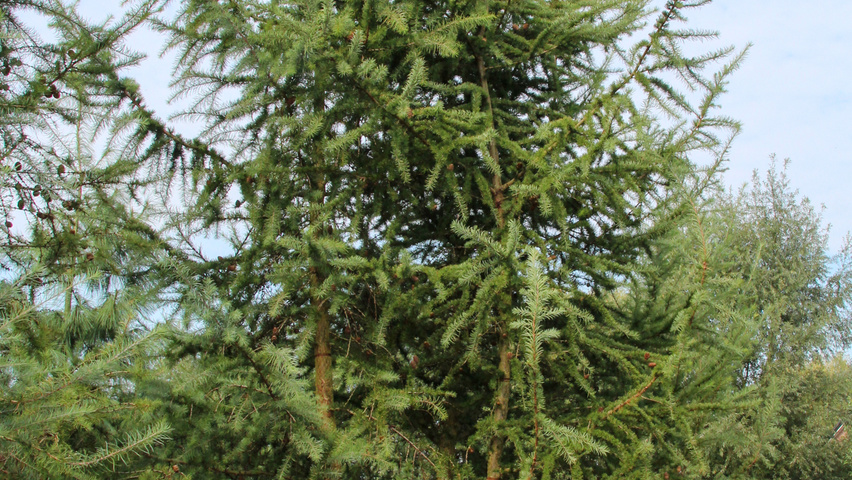
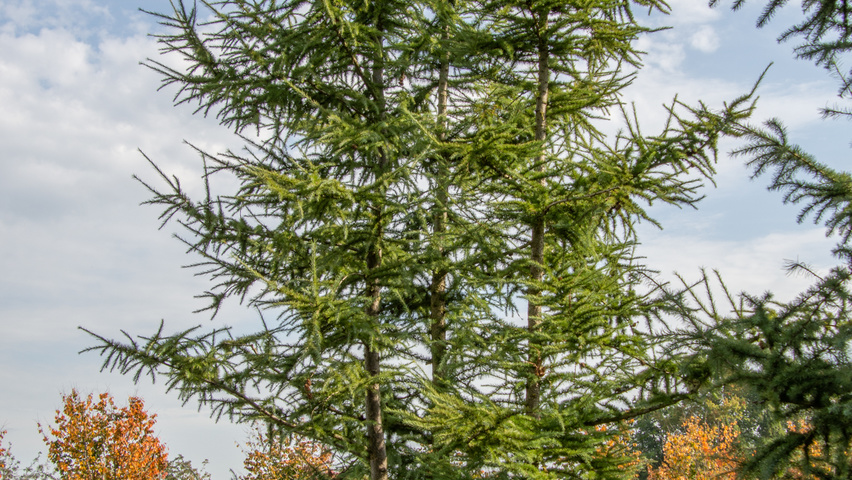
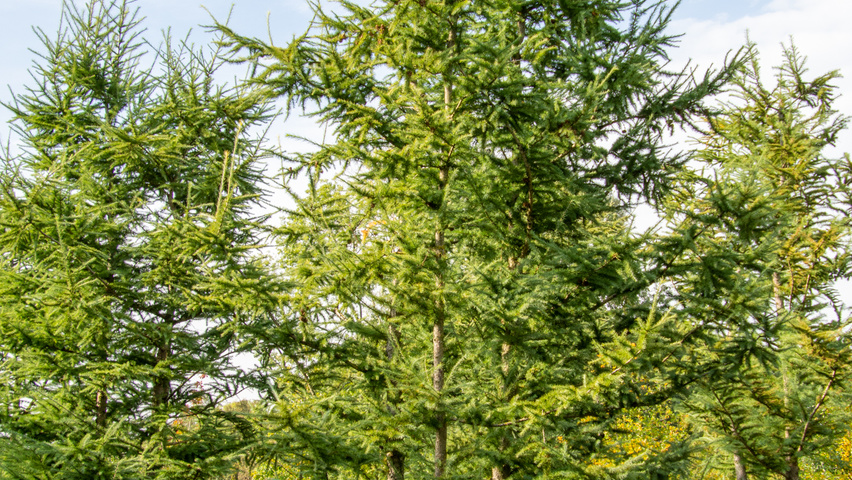
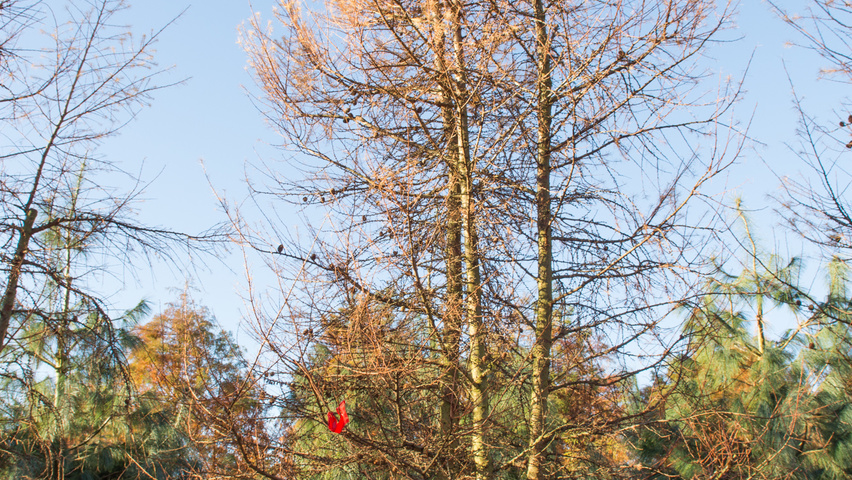
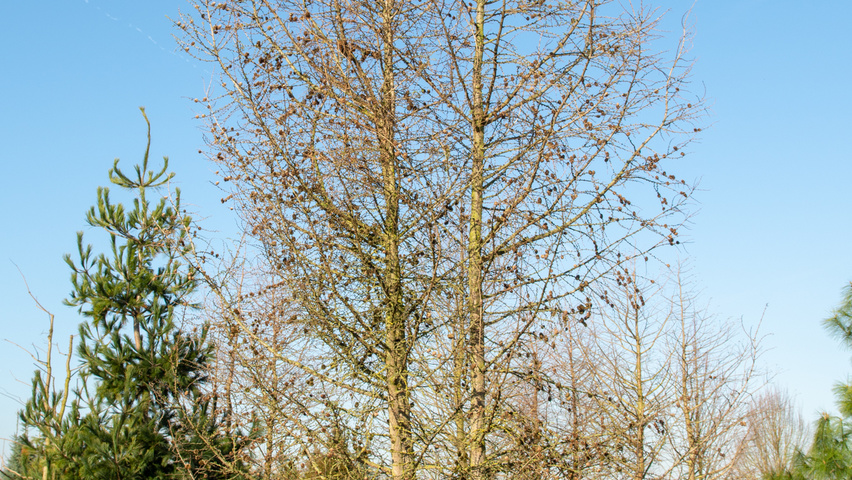
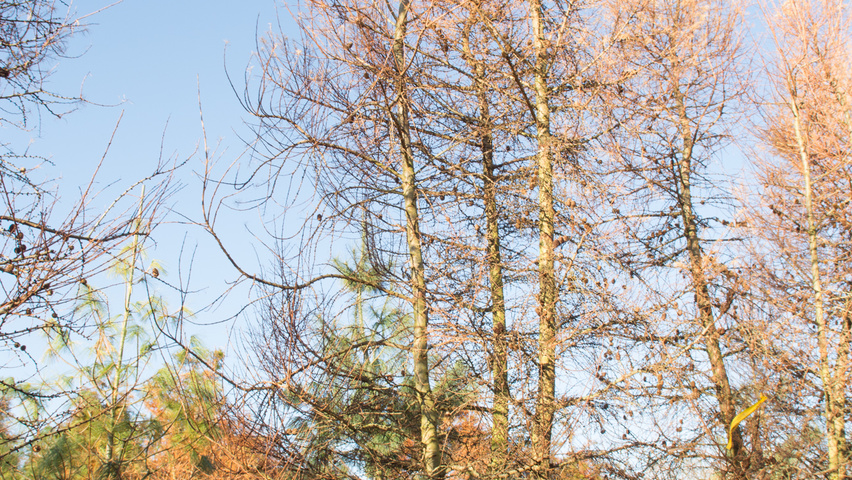
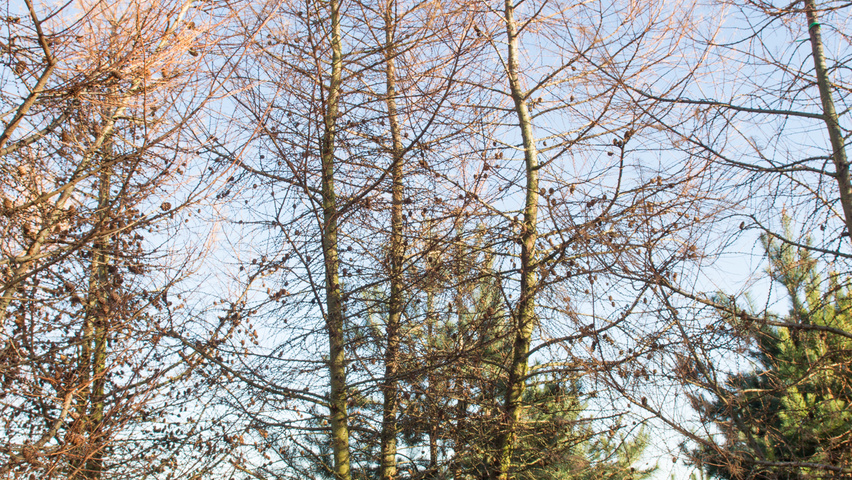
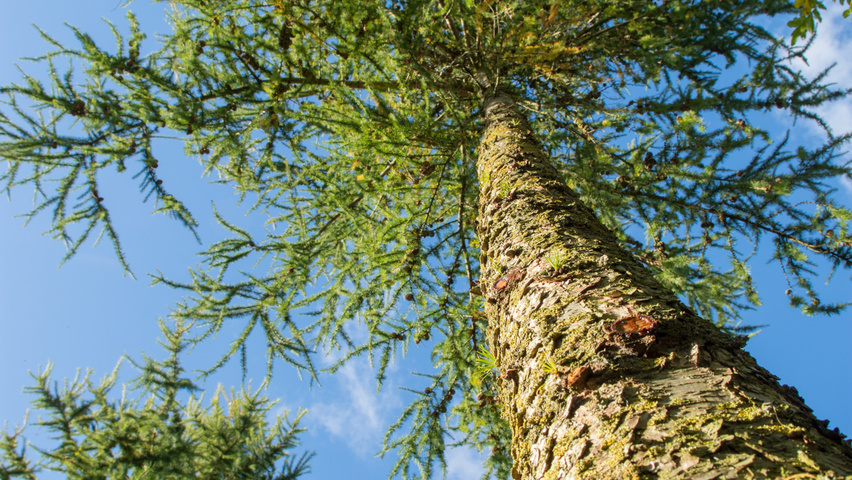
Larix kaempferi (Japanese larch) is a deciduous conifer native to the mountainous regions of the Japanese island of Honshu. This pioneer species naturally grows in mountains between 500 and 2,900 meters altitude on moist soils. The species was introduced to Europe in 1861 by plant collector John Gould Veitch and grew into an important forestry and landscape tree. The Japanese larch typically reaches a height of twenty-five to thirty-five meters, with a crown width of eight to fifteen meters. Young trees grow very quickly, have a semi-open, regularly pyramidal crown, while older specimens develop a broader, more open, irregular crown with characteristically horizontal to slightly ascending branches.

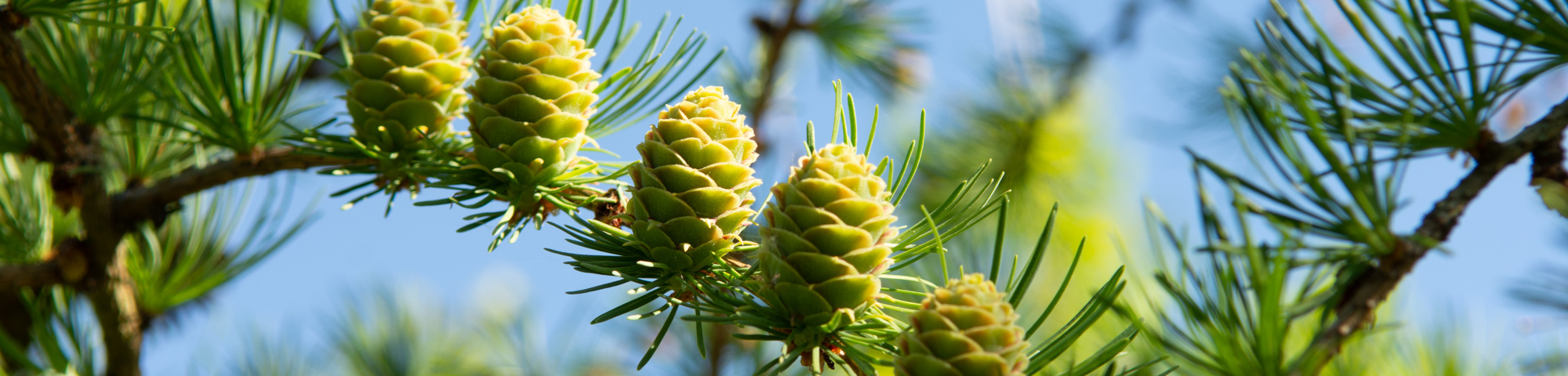
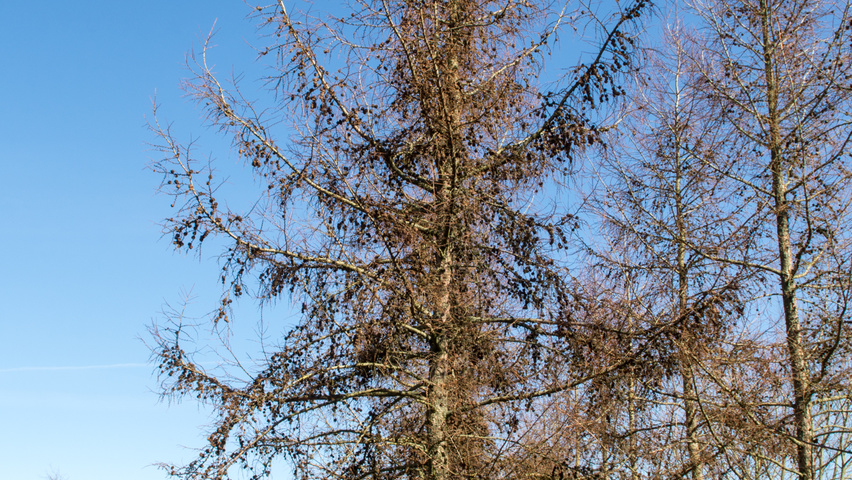
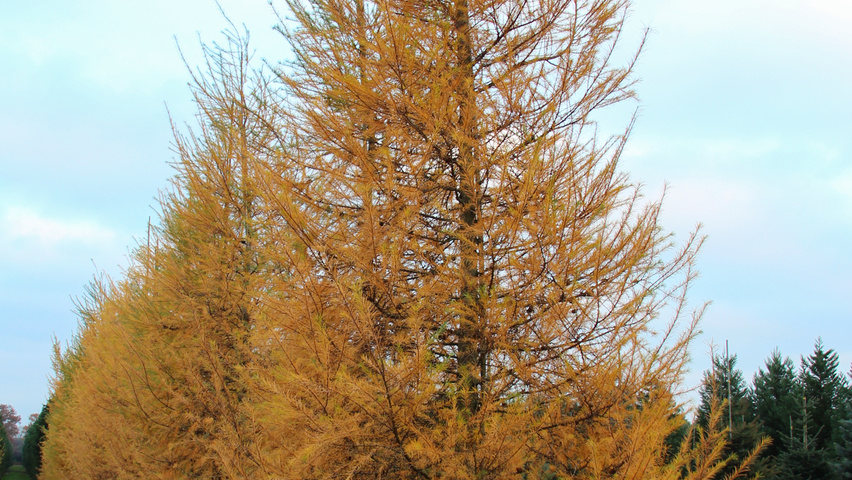
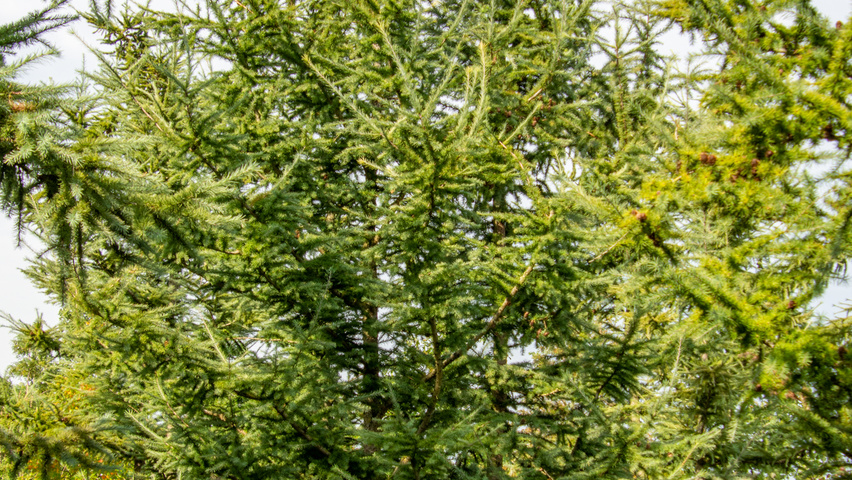
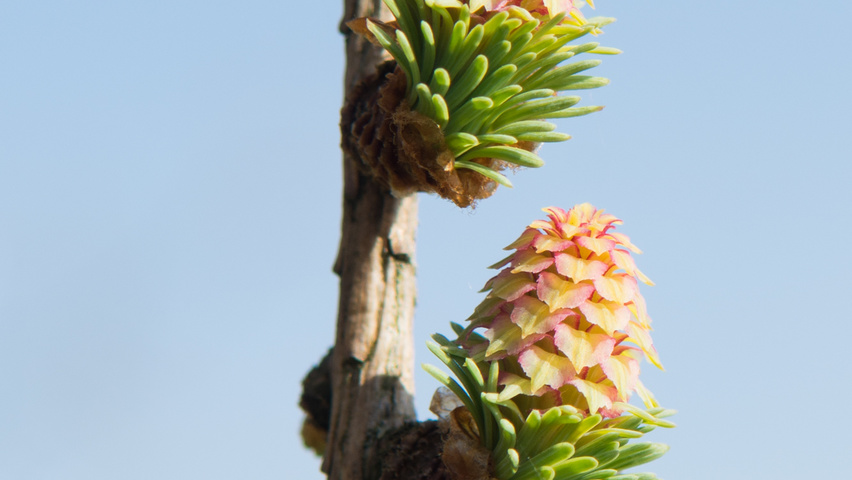
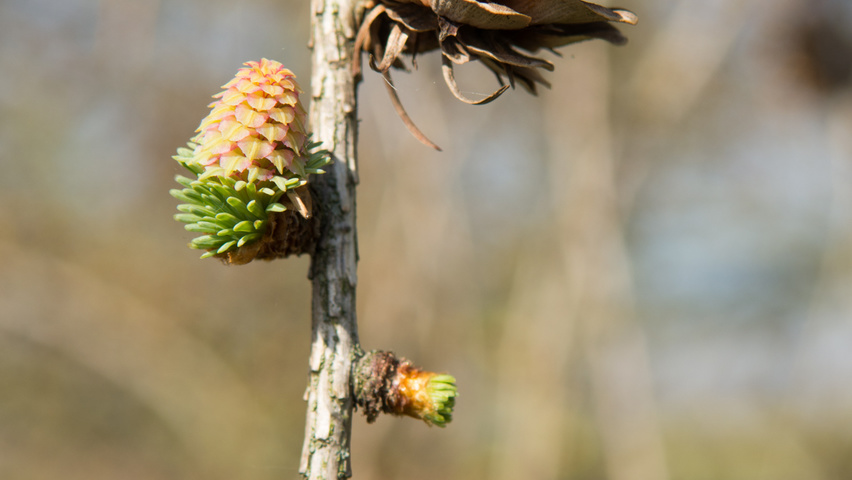
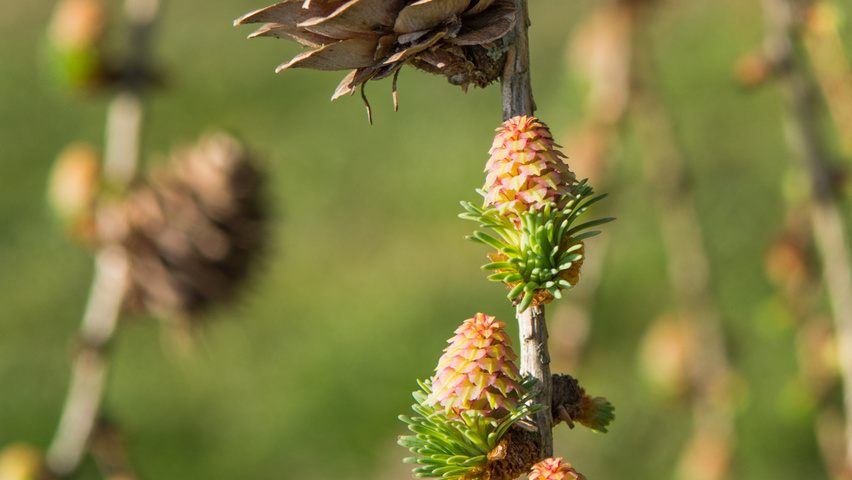
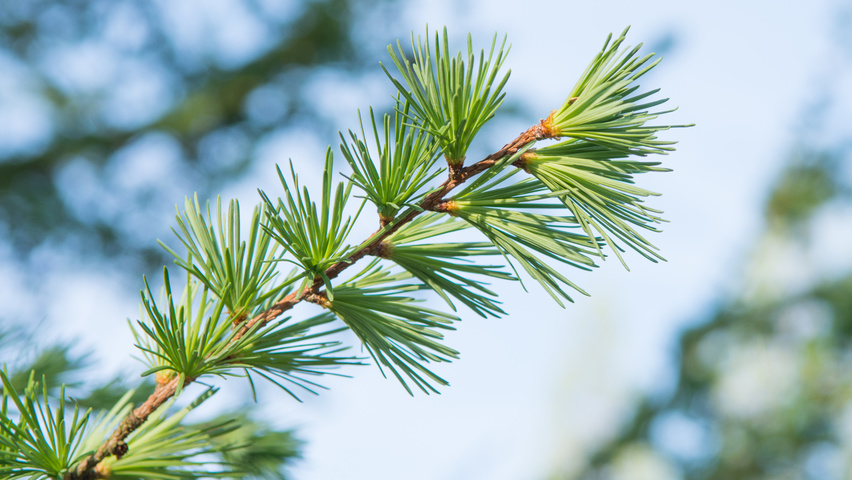
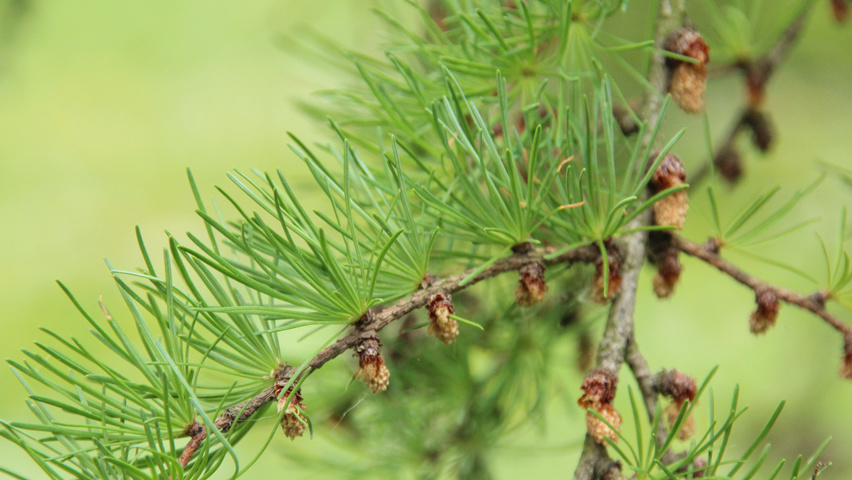
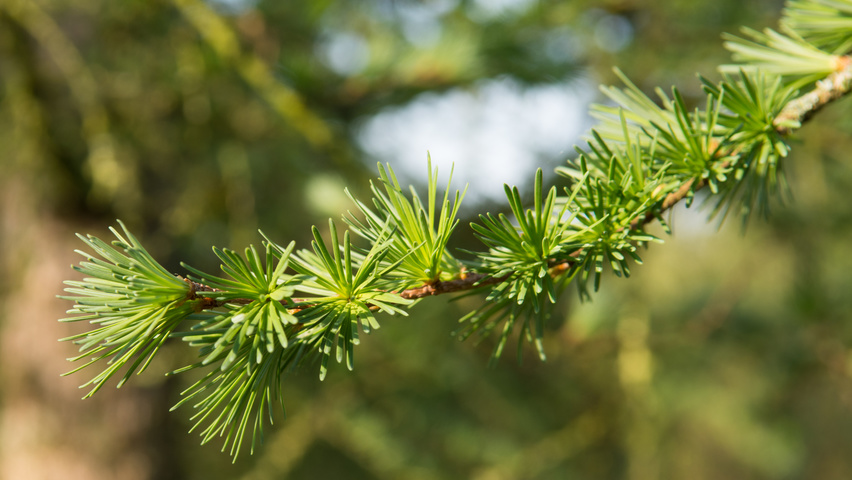
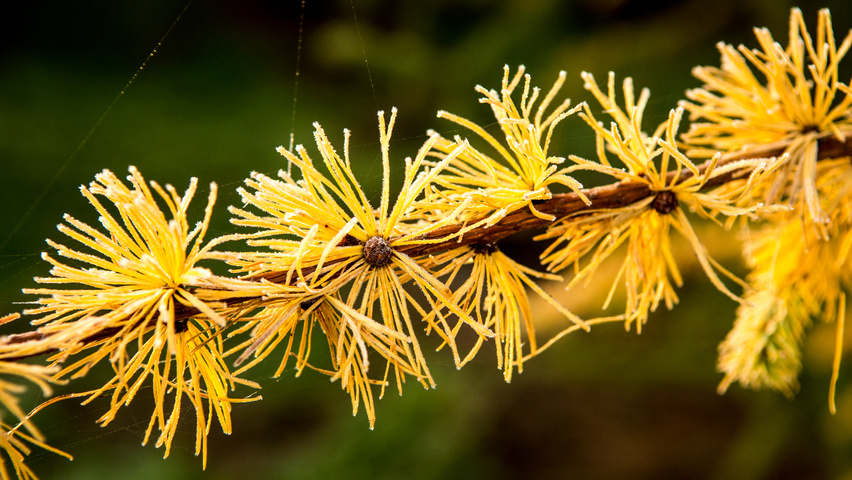
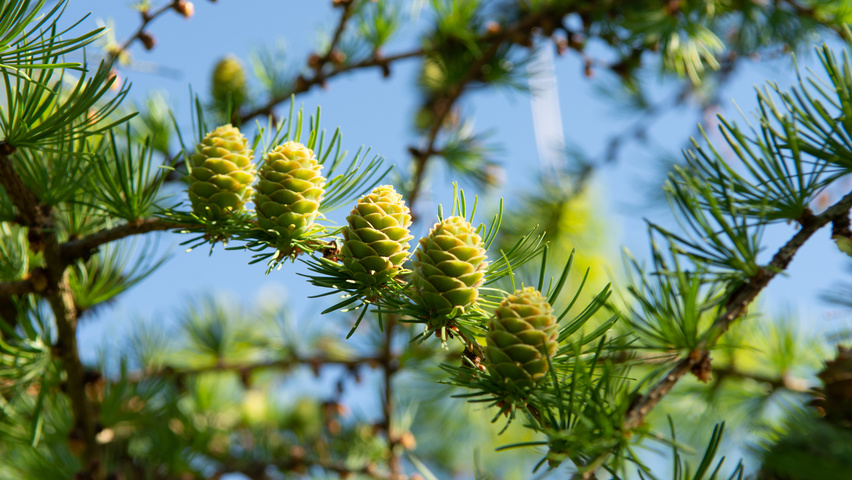
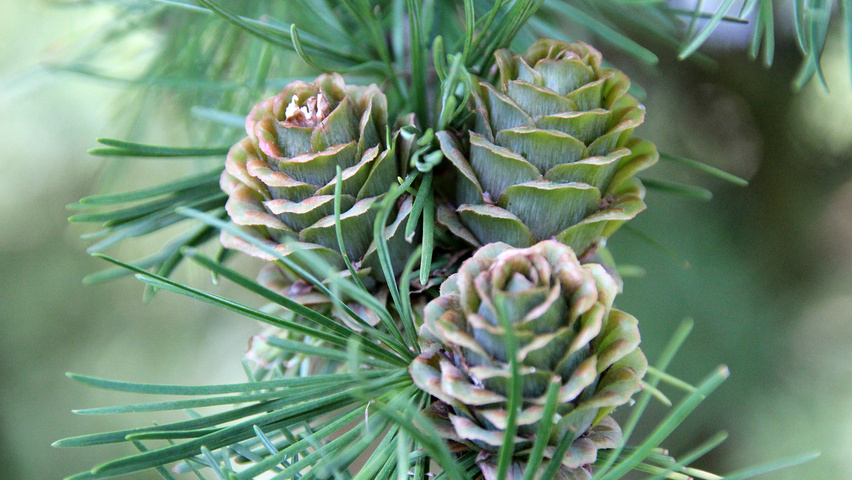
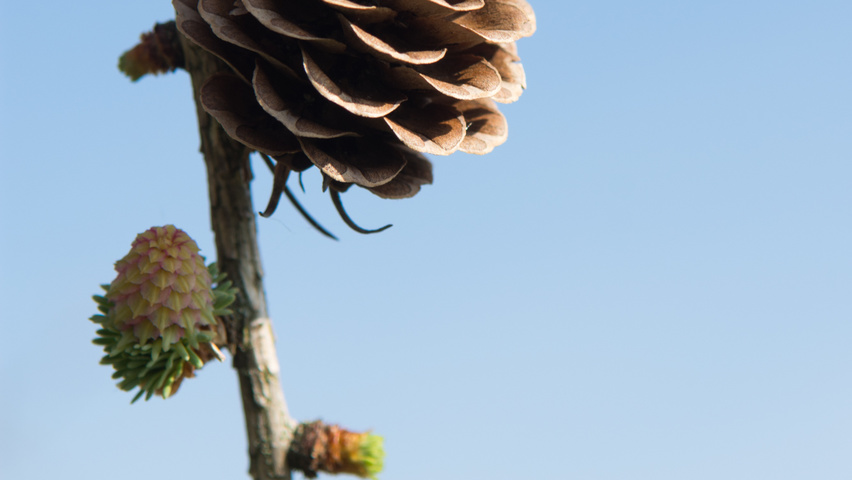
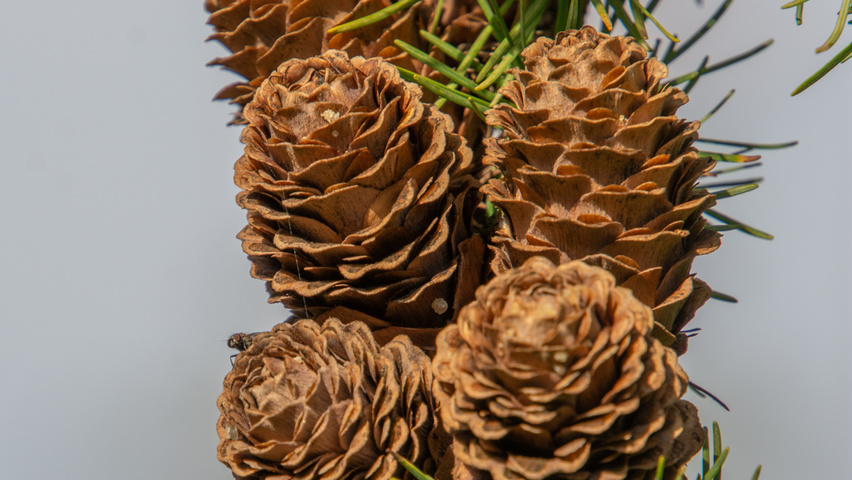
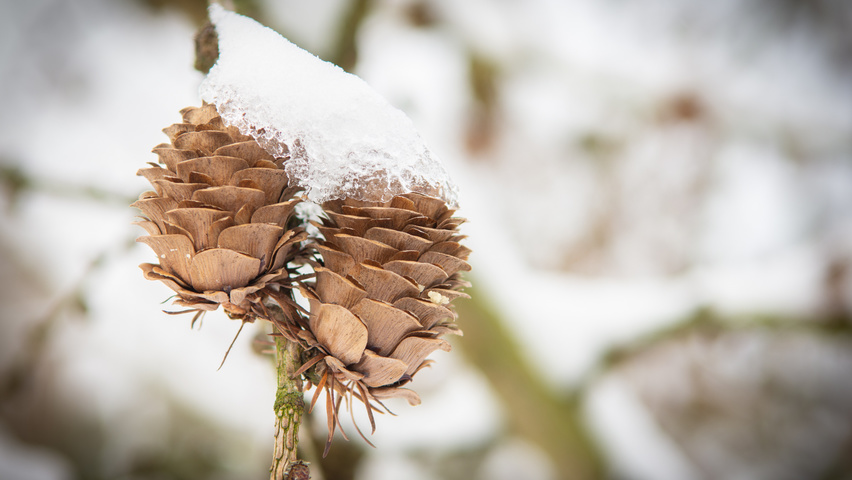
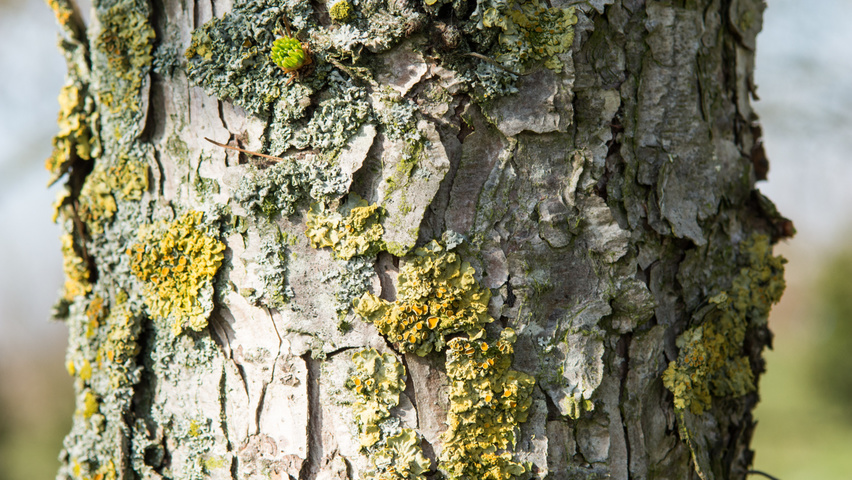
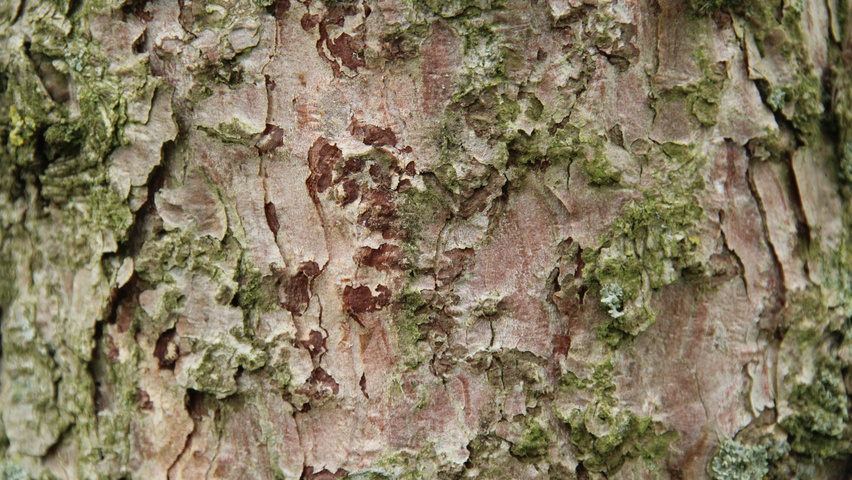
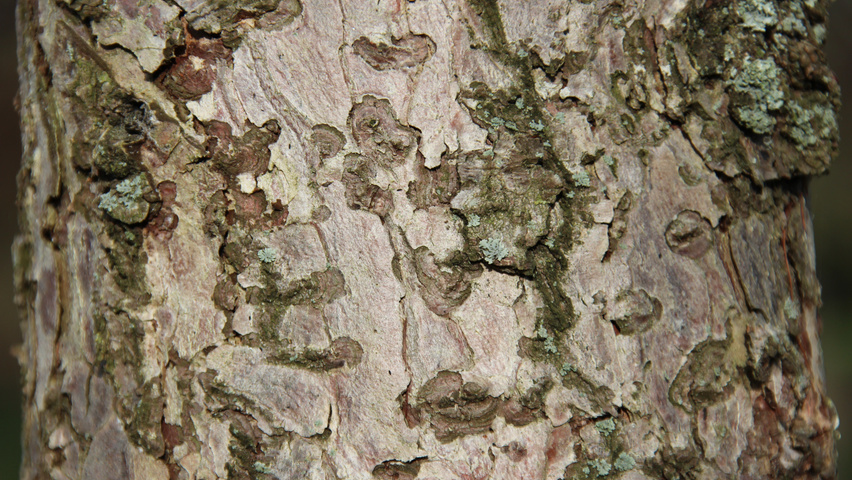
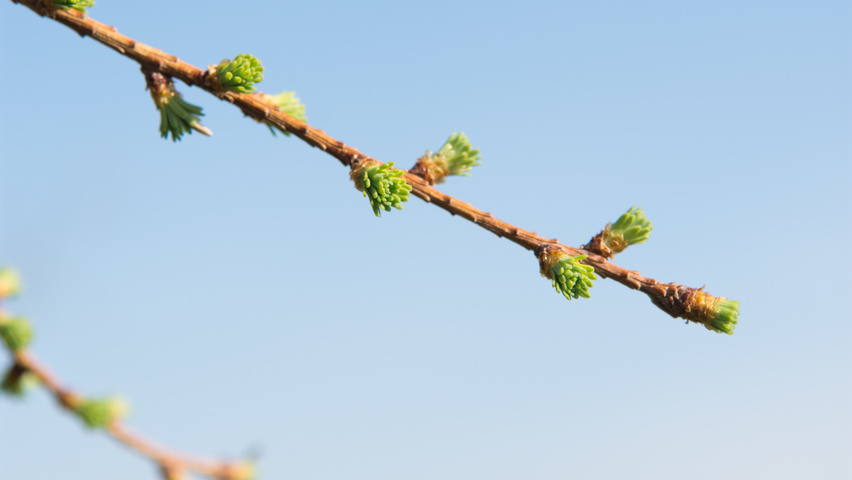
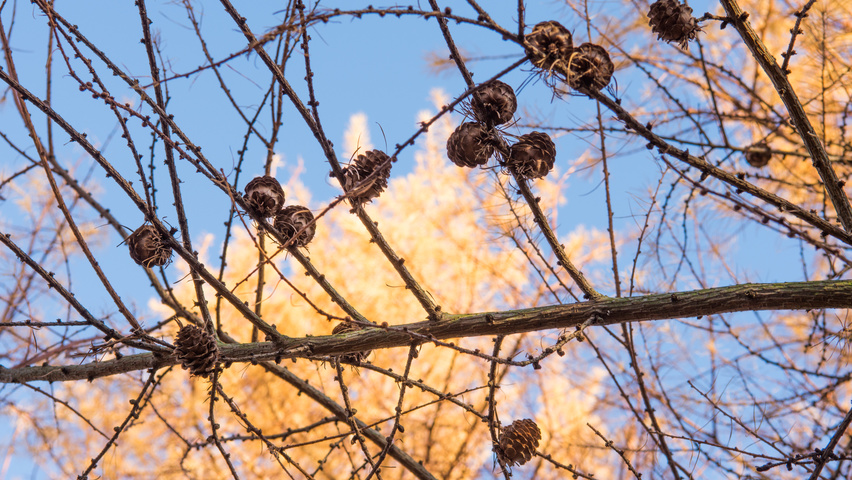
The needles are soft, blue-green to dark green in color and are arranged in bundles of fifty on short shoots. In spring, they emerge bright green. In autumn, they turn a spectacular golden yellow, after which they fall off. The species is monoecious; in spring, before the leaves emerge, small yellowish male cones appear, as do vertical reddish-pink female flowers that later develop into decorative cones. The cones are oval to round and mature brown to grayish-brown. The bark is initially reddish-brown and smooth, but with age becomes thicker, grayish-brown, deeply furrowed, and peels off in large scales. Young twigs are strikingly reddish-brown to purplish-brown and often slightly glaucous.

Larix kaempferi is widely used in forestry, landscape plantings, and large parks, where it is valued for its rapid growth, beautiful autumn color, and characteristic shape. The species grows best on nutrient-rich, well-drained, and sufficiently moist soils, but tolerates poorer, acidic, and shallow soils better than the European larch. It does not tolerate lime. A position in full sun is essential, and the Japanese larch is well resistant to wind, sea wind, but sensitive to air pollution. This tree is used more in Europe than the European larch and can also be pruned very well as a hedge plant.

Types of planting

Tree types

standard trees feathered trees multi-stemmed trees conifers woodland planting stock

Topiary on stem

fval multi-stem umbrella

Topiary

hedge element hedge element

Use

Location

park central reservation large garden cemetery traffic areas, industrial zones countryside windbreak coastal area

Pavement

none none

Planting concepts

landscape planting

Characteristics

Crown shape

wide pyramidal wide pyramidal

Crown structure

open open

Height

25 - 35 m

Width

8 - 15 m

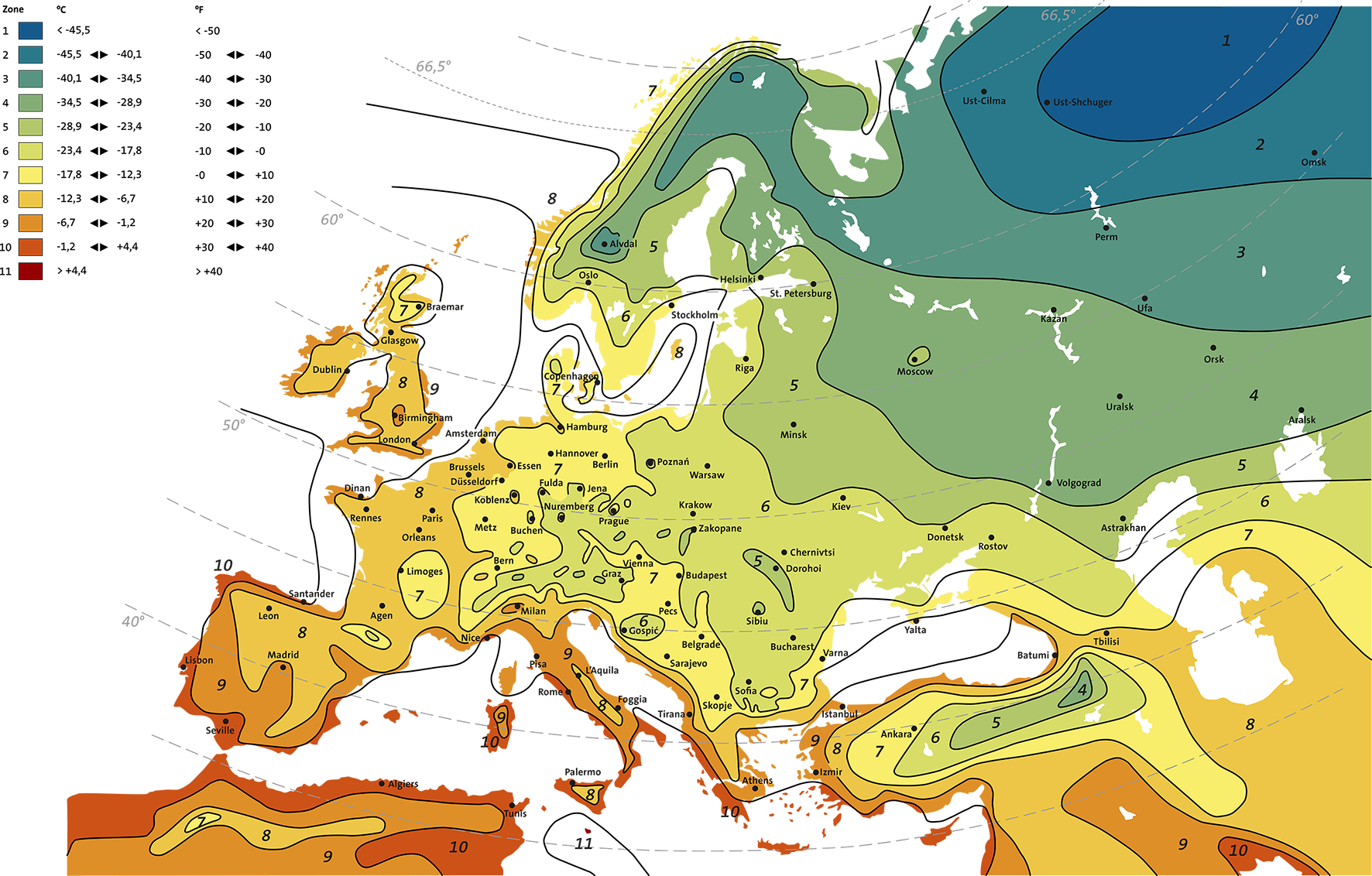
Winter hardiness zone

5A - 8B

Aspects

Wind

tolerant to wind tolerant to coastal wind

Soil

loess sabulous clay light clay sand loamy soil

Nutrient level

low in nutrients moderately rich in nutrients rich in nutrients

Soil moisture level

dry moist

Light requirements

sun

pH range

acidic neutral

Get to know Ebben Nurseries

Visit our nurseries with multi-stem trees, climbing trees, trees for avenues and parks characteristic trees and solitary shrubs.

Make an appointment

Place order or further information?

Order this plant? Or would you like further information about Larix kaempferi? Make an appointment for a detailed planting recommendation.
Call +31(0) 485 31 20 21 or email one of our advisors directly.
Our planting advisors

Photos

Magnify

Seasonal colours

Larix kaempferi seizoenskleur
Jan Feb Mar Apr May Jun Jul Aug Sep Oct Nov Dec

Flowers

Flowers

spadix standing small

Flower colour

yellow pink-red

Flowering period

April

Leaves

Leaf colour

blue-green dark green buds bright green

Leaves

deciduous needles or scales short needles

Autumn colour

golden yellow

Fruits

Fruit colour

brown

Fruits

striking cones

Bark

Bark colour

red-brown

Bark

peeling deeply furrowed

Twigs

Twig colour

orange-red red-brown

Twigs

horizontal branches

Root system

Root system

deep extensive highly branched central root

For and by green professionals

The TreeEbb is a platform for and by green professionals, in which we collect knowledge and experience from the sector and make this available for users. All the details and photos are free to use for non-commercial purposes. Want to share your tree knowledge? Send photographs and additional information to treeebb@ebben.nl

Contact
Show filters Hide filters
Show comparison
View mood board
TreeEbb

TreeEbb

Geographic location
Winter hardiness zone
OK
Coastal area
OK
Use
Location
OK
Pavement
OK
Host plant/forage plant
OK
Planting concepts
OK
Types of planting
Tree types
OK
Multi-stemmed trees
OK
Crown structure
OK
Crown shape
OK
Topiary on stem
OK
Topiary
OK
Height
m
-
m
OK
Width
m
-
m
OK
Aspects
Wind
OK
Soil
OK
Nutrient level
OK
Soil moisture level
OK
Light requirements
OK
PH range
OK
Extreme environments
OK
Stage of succession
OK
Plant characteristics
Flowering period
January
-
December
OK
Flower colour
OK
Leaf colour
OK
Autumn colour
OK
Fruit colour
OK
Bark colour
OK
Special features
OK
English
View mood board
Show comparison
Your selection:

Sign up for our newsletter

×
Cookie settings

We use cookies when offering electronic services. A cookie is a small, simple file that is sent with the pages of this website and stored on the hard disk of your computer by your browser. This allows us to combine various requests for pages on the website and analyse users’ behaviour, for example. You can indicate which cookies you wish to accept using the settings below. Bear in mind that not accepting cookies will mean that part of the functionality of this website may not be available. You can find more information about the use of data and the various cookies in our privacy and cookie declaration.