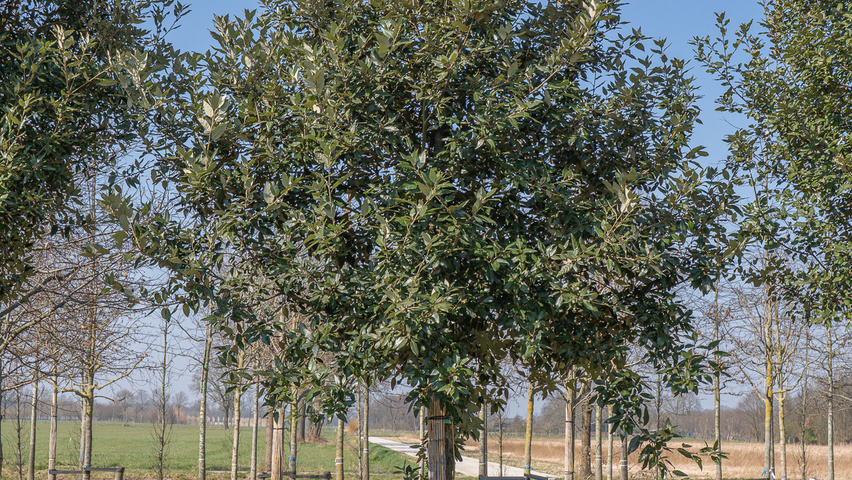
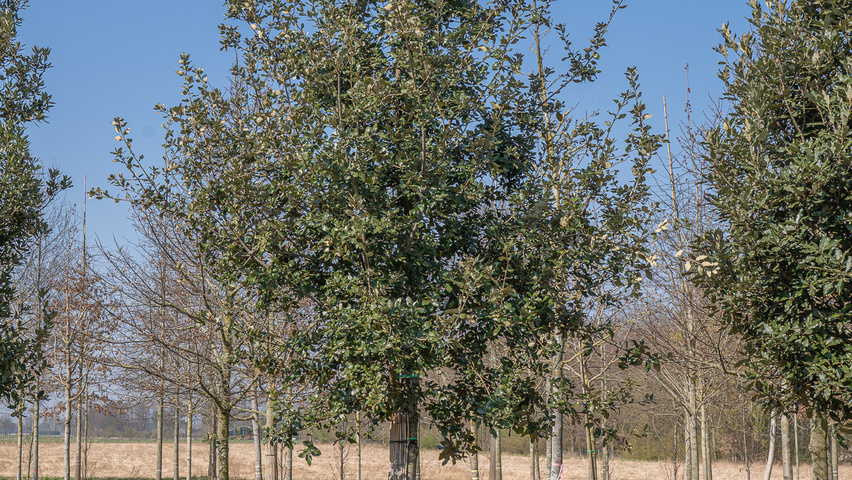
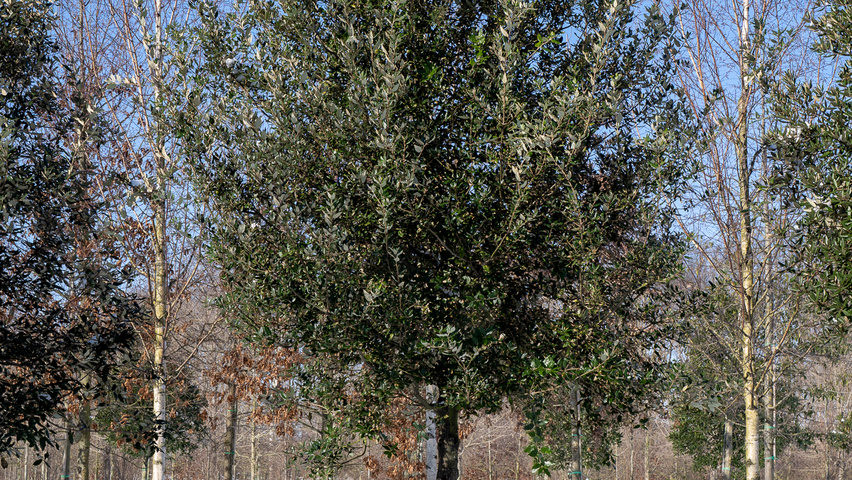
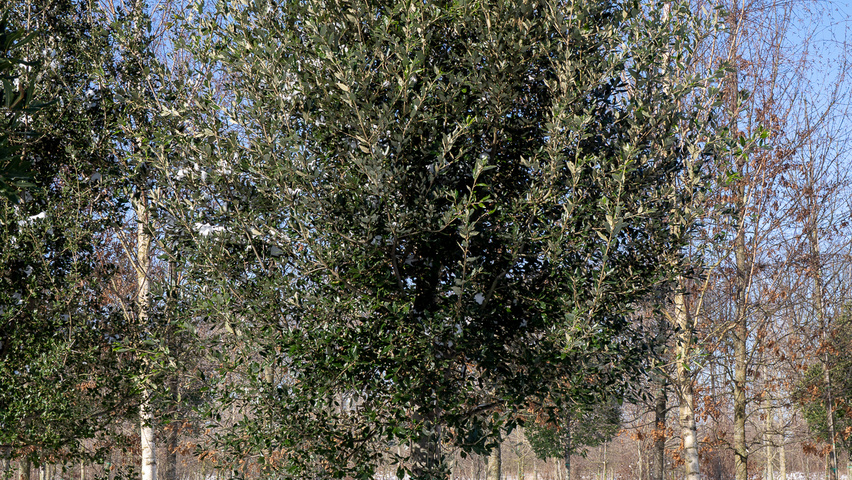
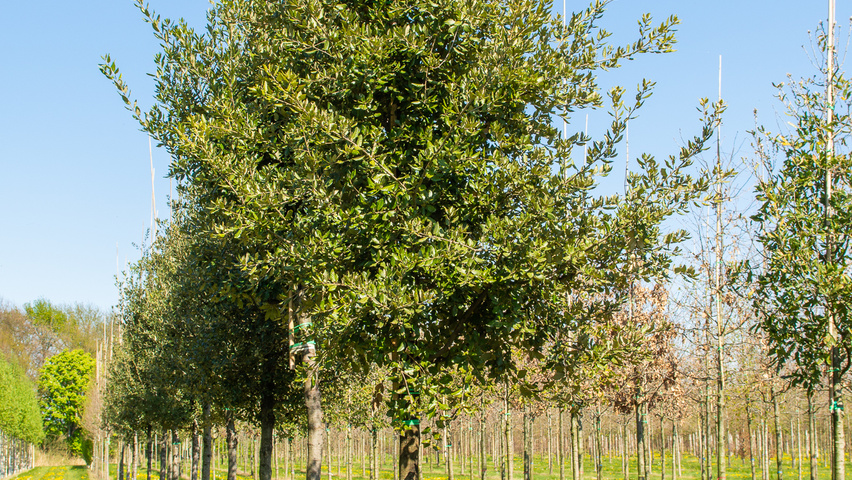
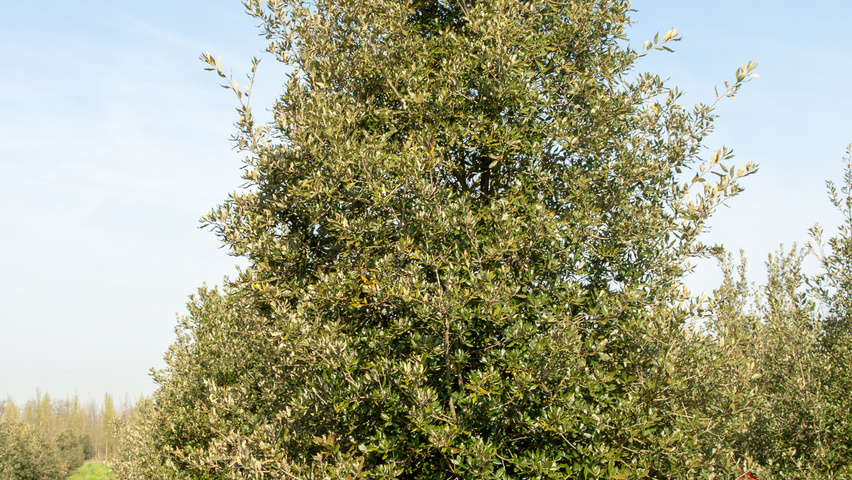
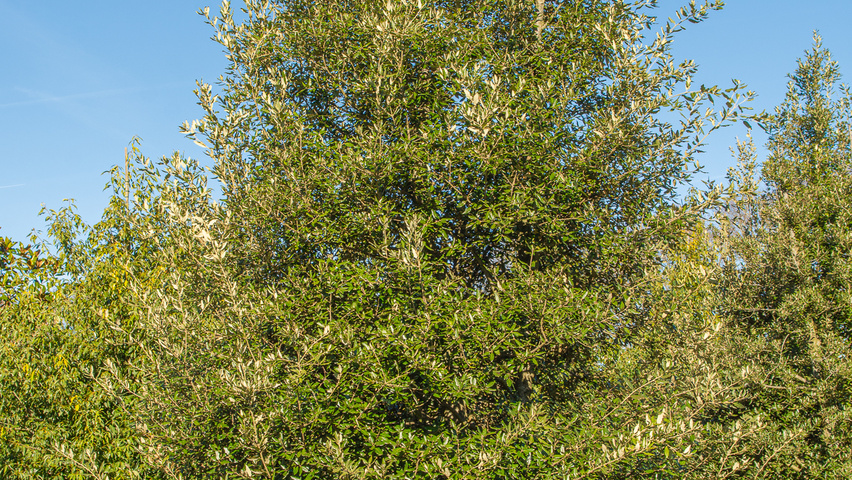
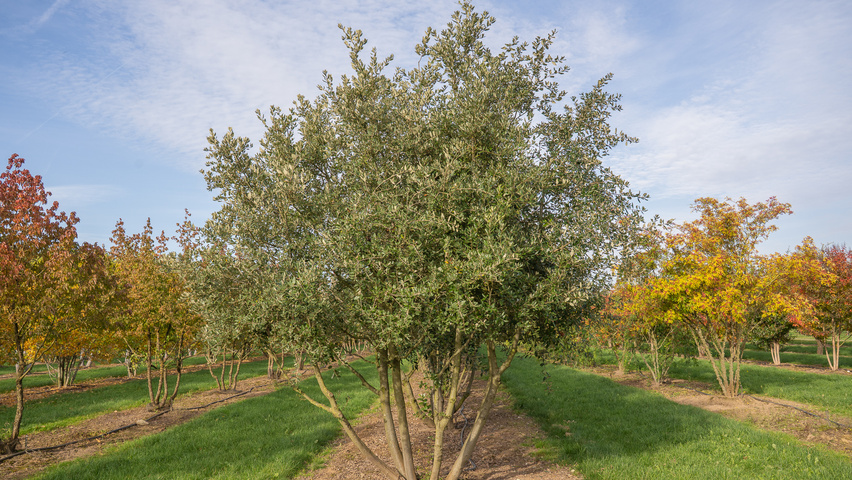
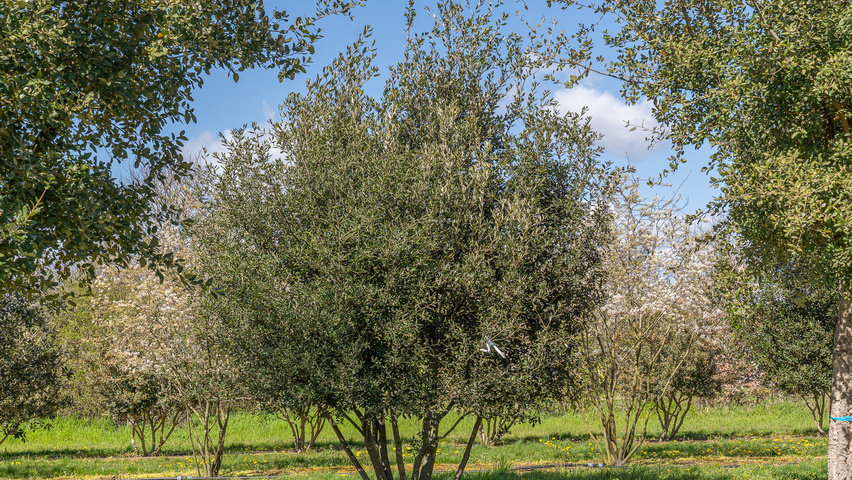
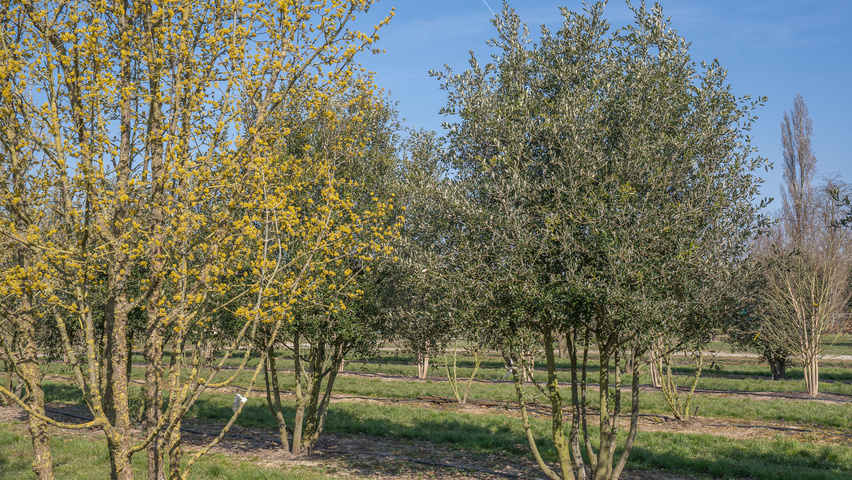
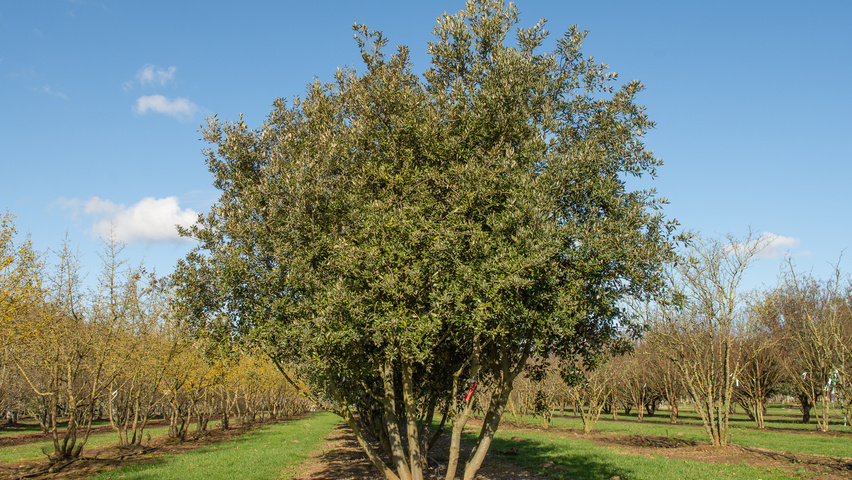
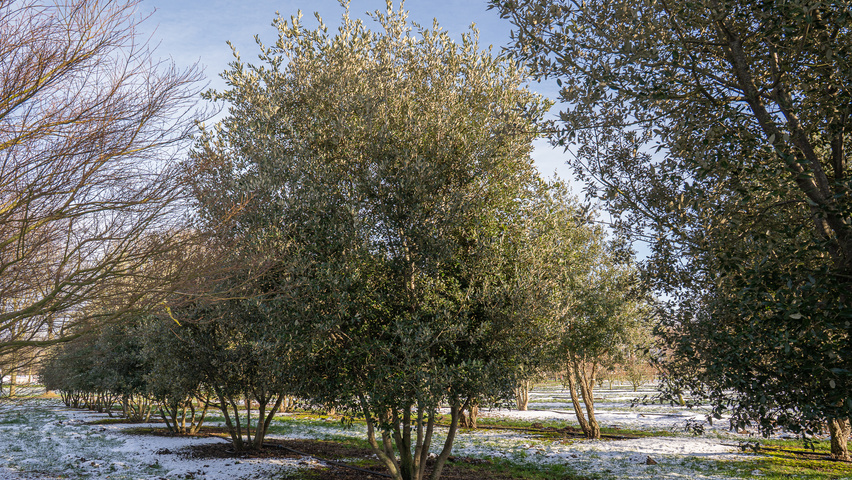
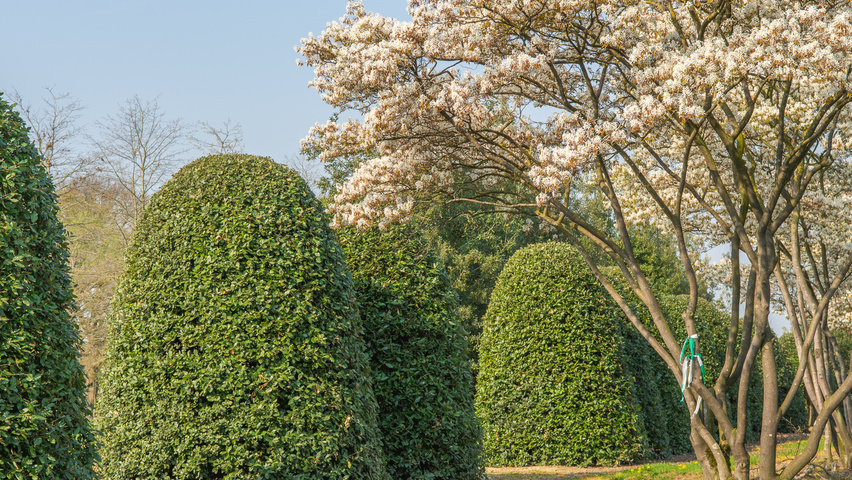
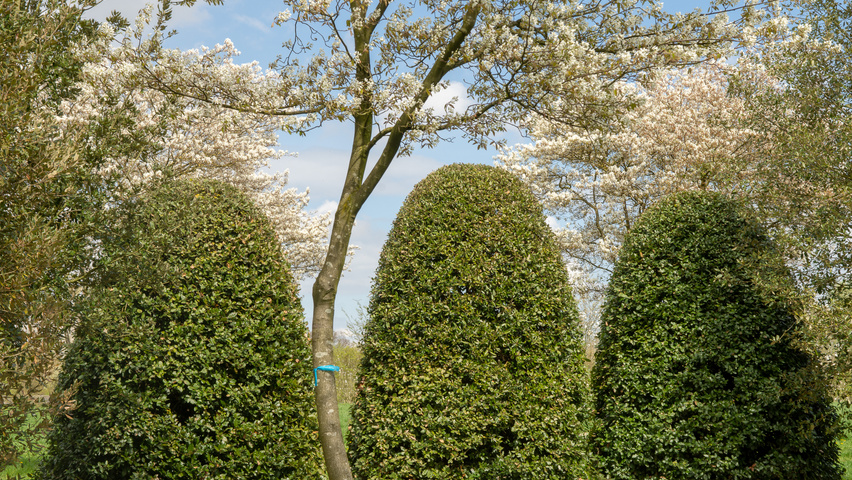
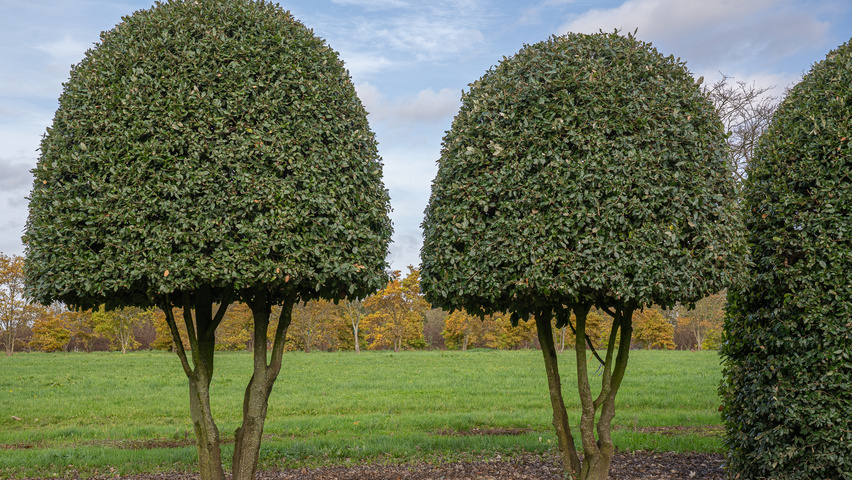
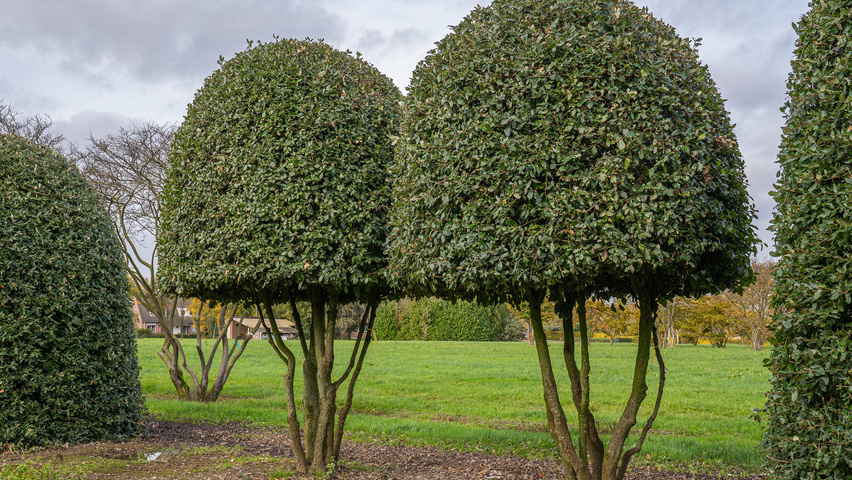
Quercus ilex is a true Mediterranean tree species that naturally occurs in Italy, southern France, Greece and Turkey. This oak tolerates both sun and shade and grows in dense, structurally rich forests as well as in open woodland pastures. Typical companion species in these habitats include Arbutus unedo and Pistacia terebinthus. In its natural form, the holm oak develops as a low branched standard tree, but for centuries it has often been managed as coppice, resulting in large, irregular multi stemmed forms. In its native range, the tree can reach heights of twenty five to thirty meters and widths of fifteen to twenty meters, due to strongly spreading branches that form a dense, rounded crown. In cooler climates, both height and spread remain more limited.
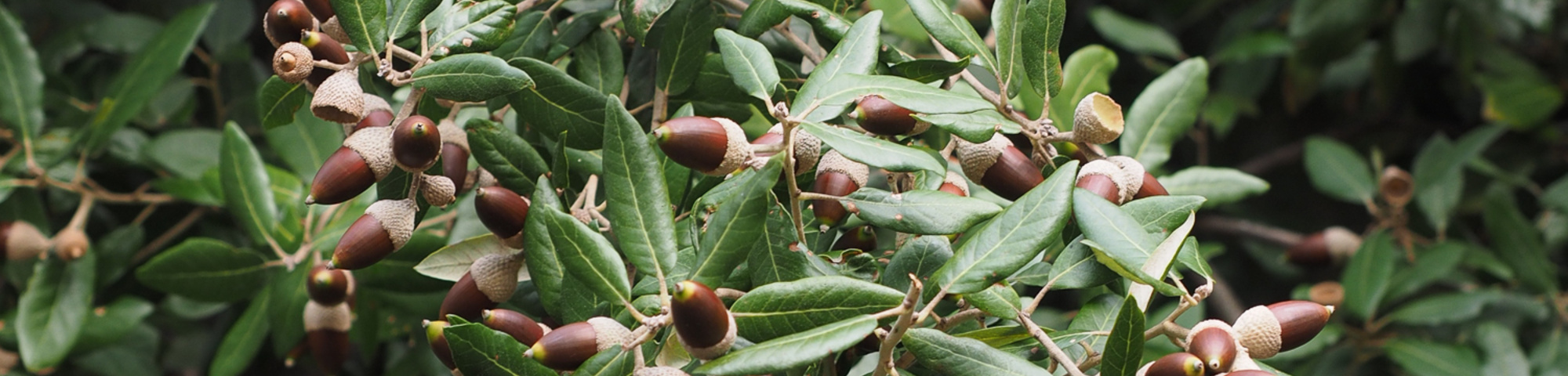
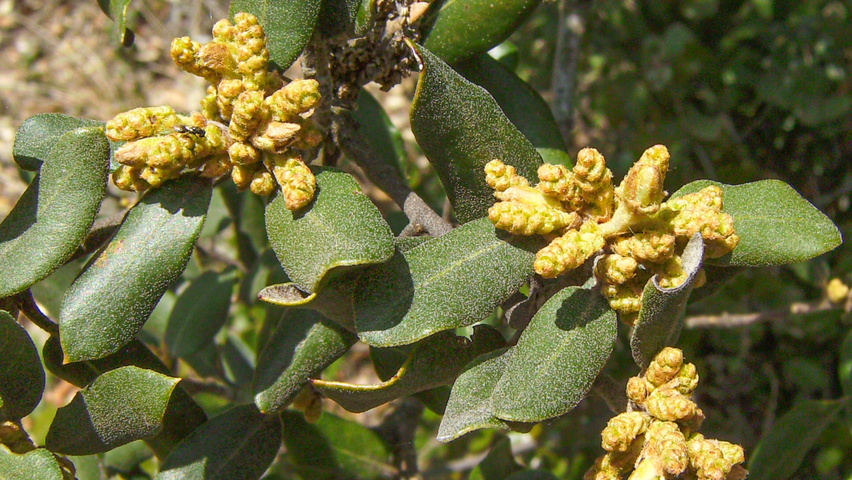
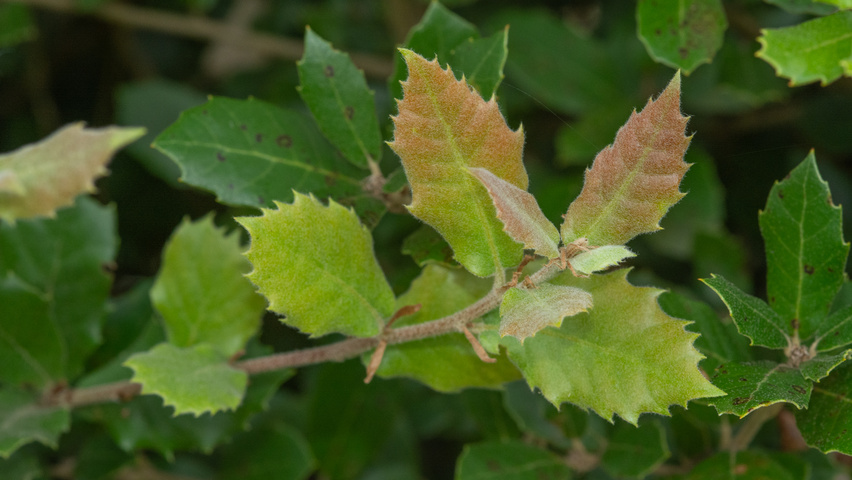
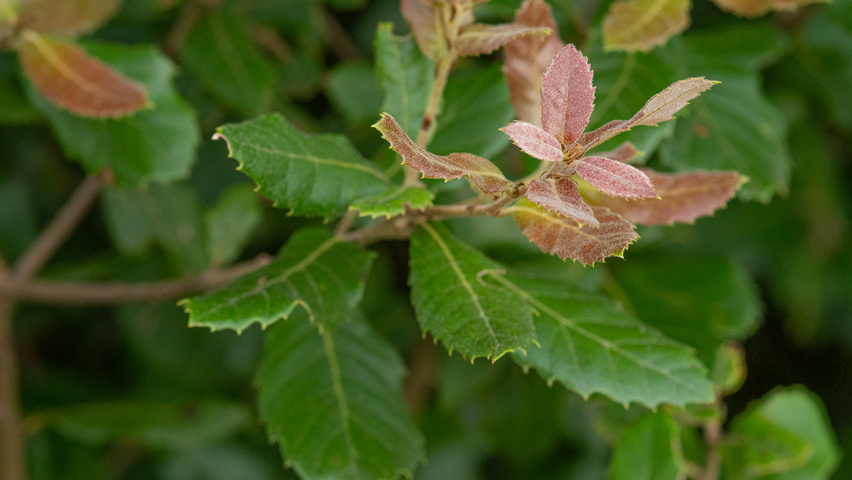
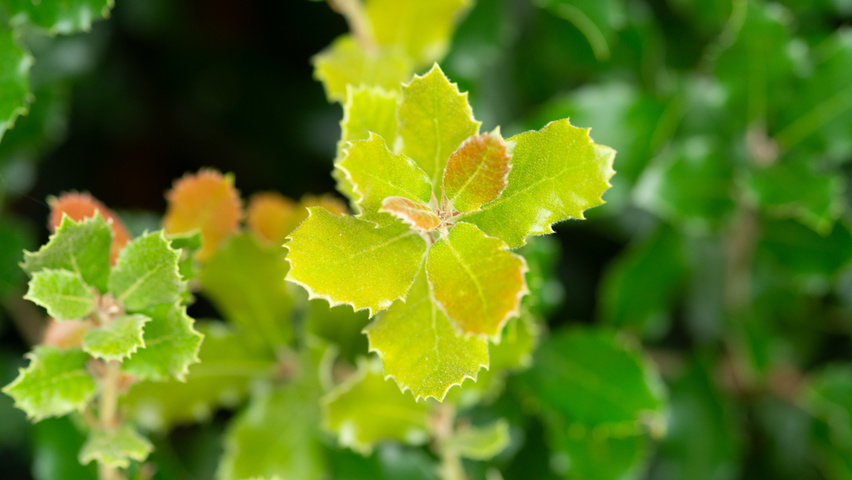
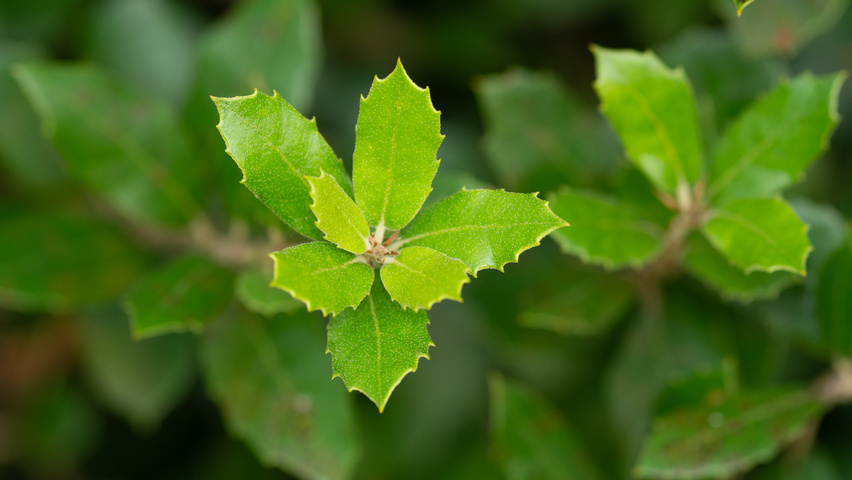
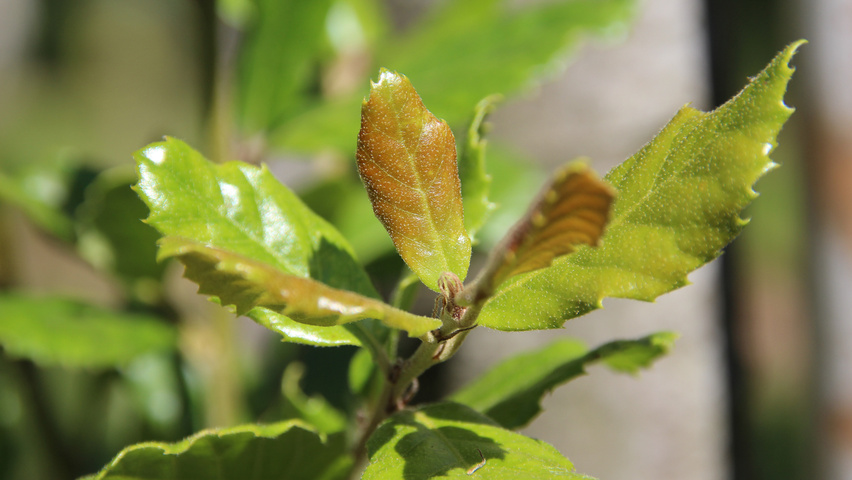
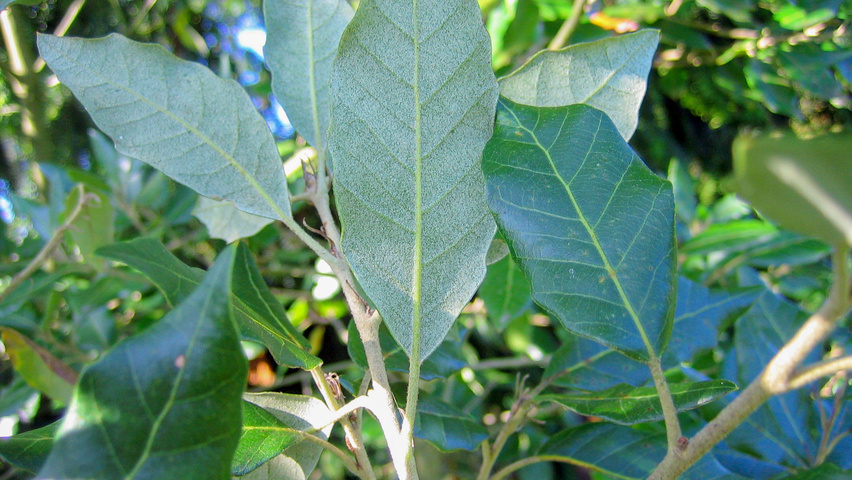
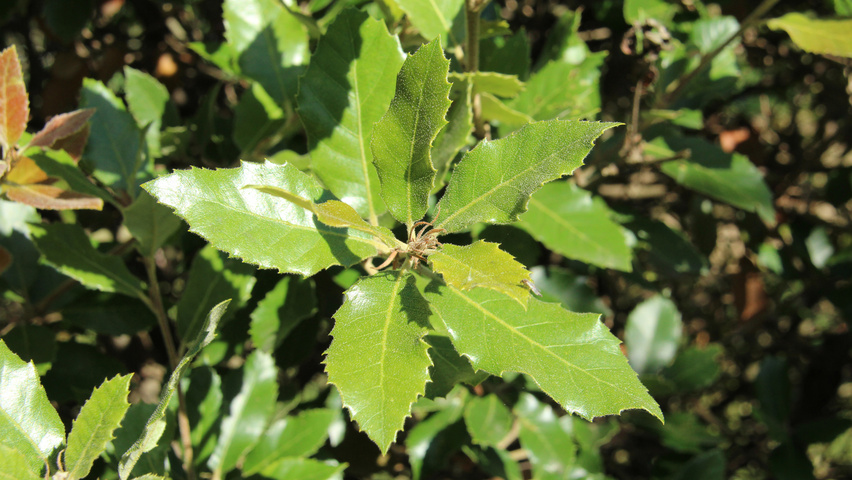
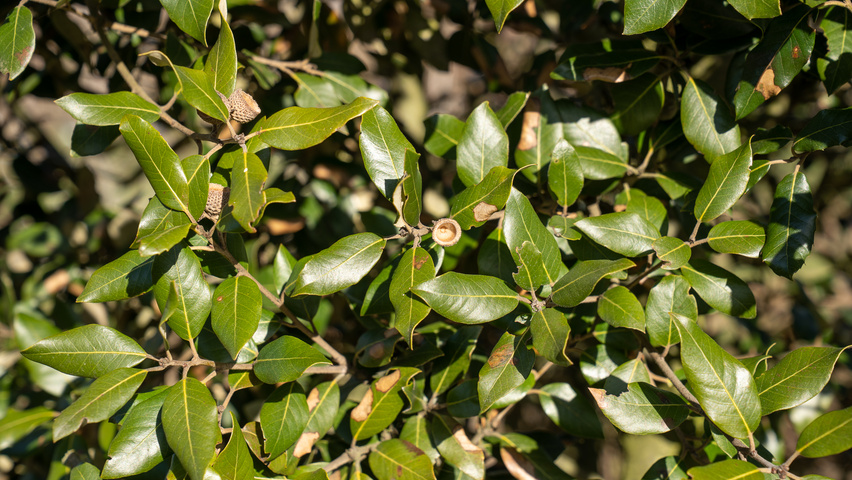
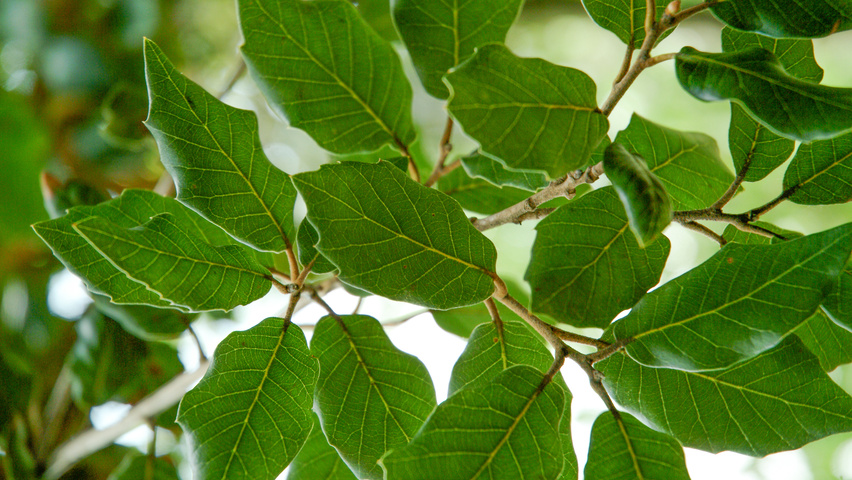
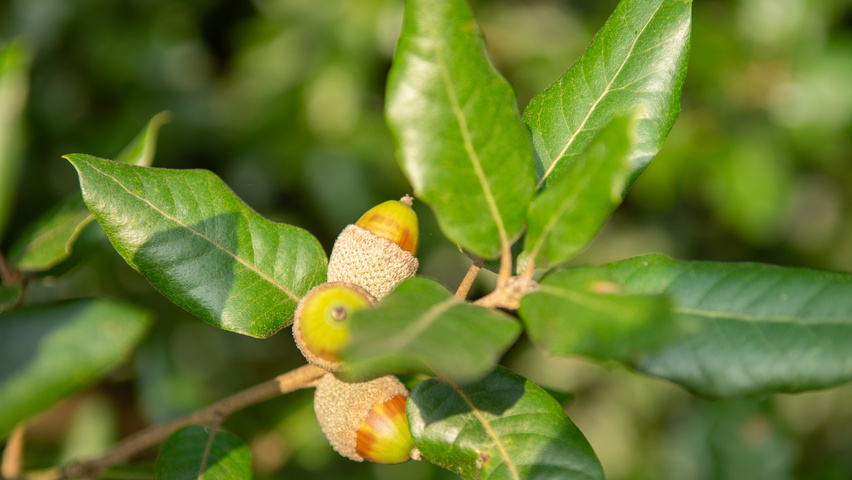
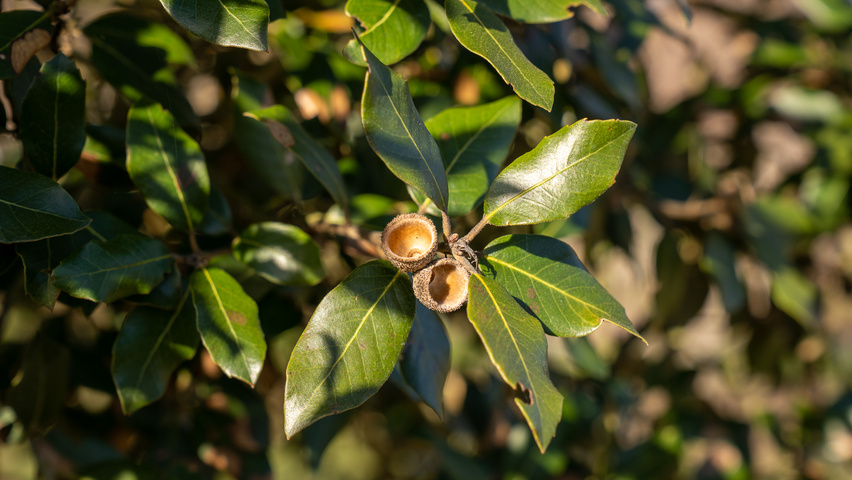
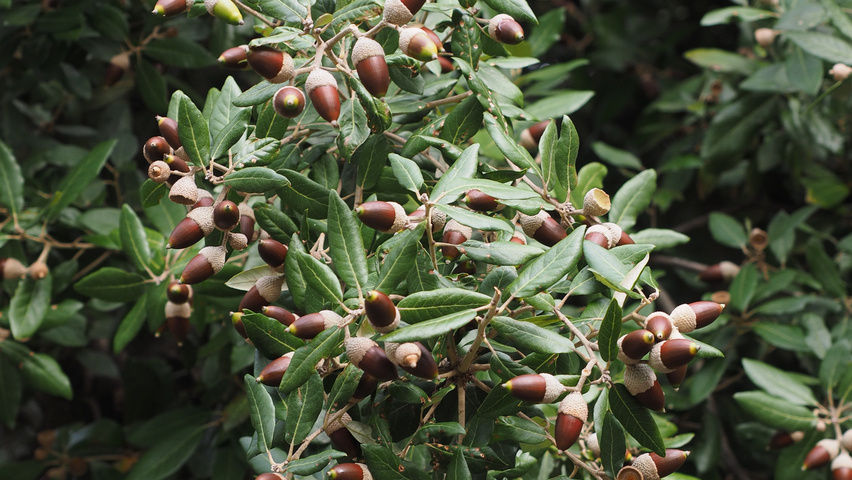
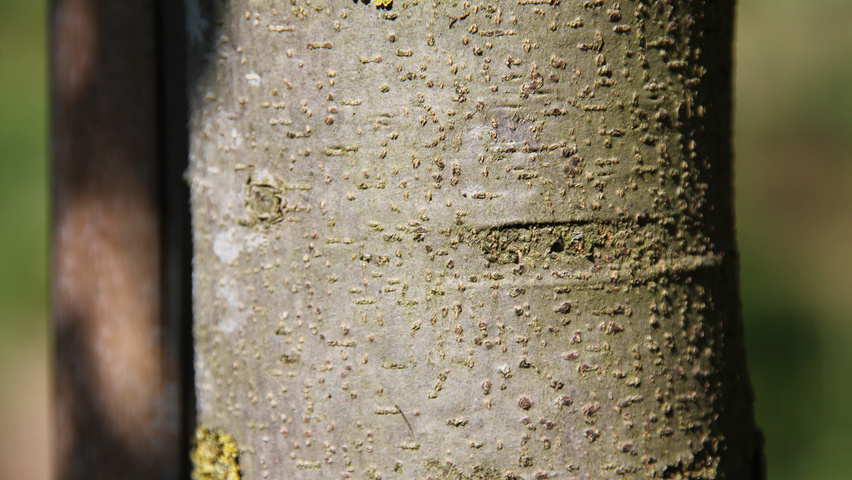
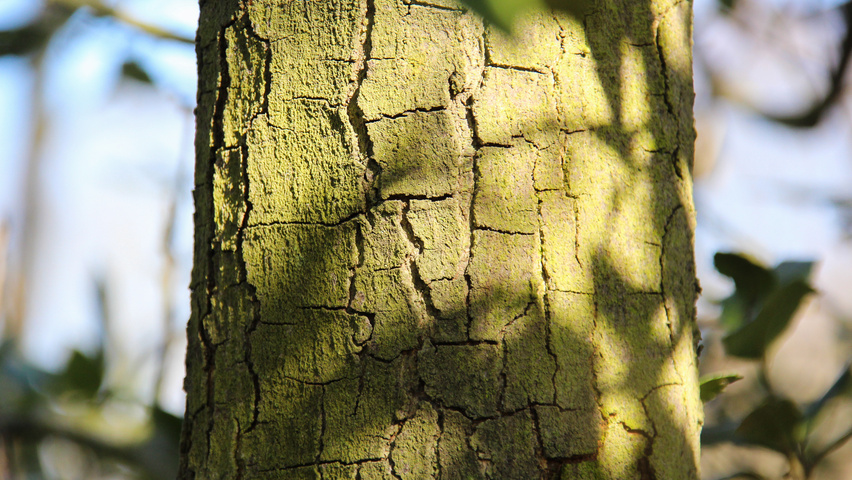
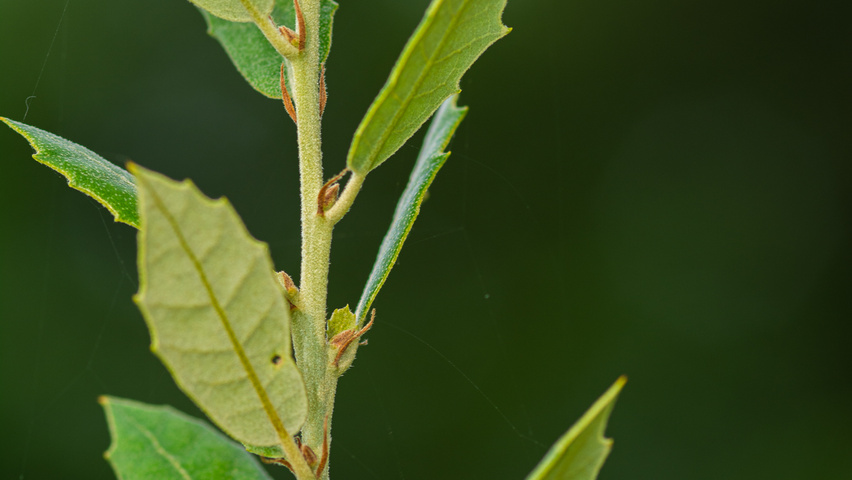
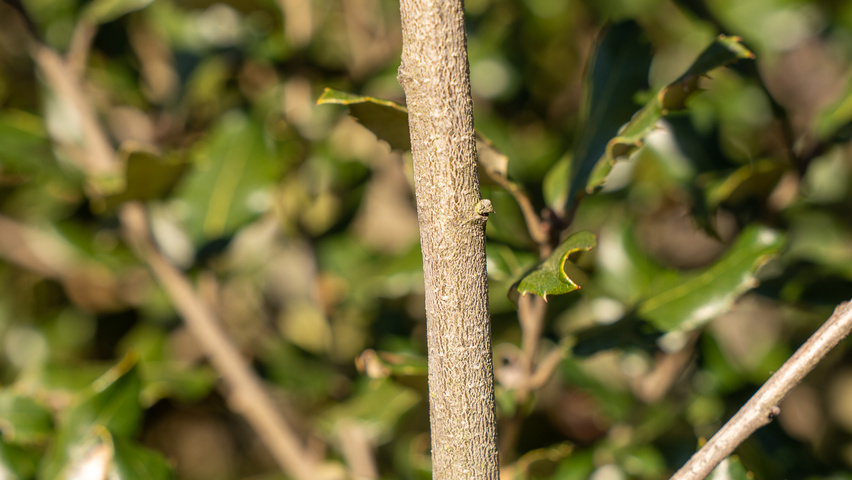
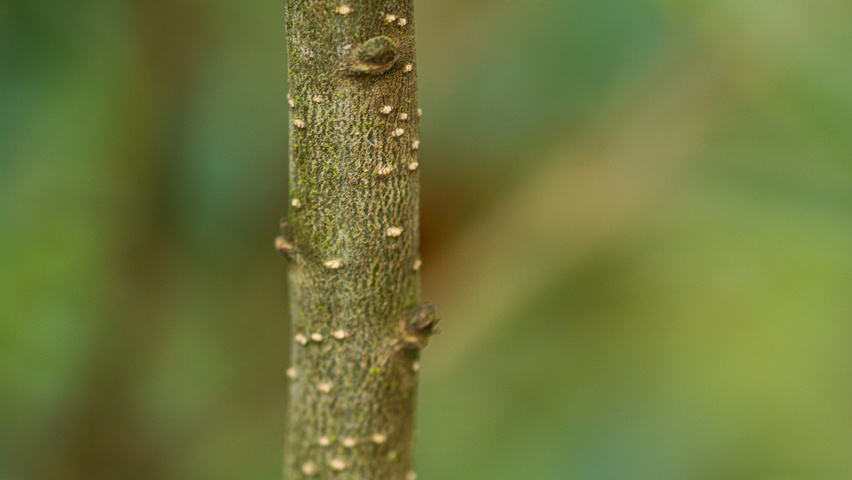
This evergreen oak is a sclerophyllous species. It has leathery, tough, glossy dark green leaves with a hairy underside, an adaptation that reduces water loss and allows the tree to withstand extreme drought. A remarkable feature is its ability to temporarily suspend vegetative growth during dry periods and resume growth when conditions improve. At the beginning of summer, Quercus ilex sheds its oldest leaves. The foliage is sharply toothed and holly like in appearance. The acorns are relatively small, with the cup covering about half of the nut. In mild climates, the holm oak flowers abundantly in May, producing pale golden yellow catkins that contrast beautifully with the dark foliage. The young twigs are yellow felted, while the older bark turns dark brown to black and remains smooth for a long time before becoming lightly fissured.
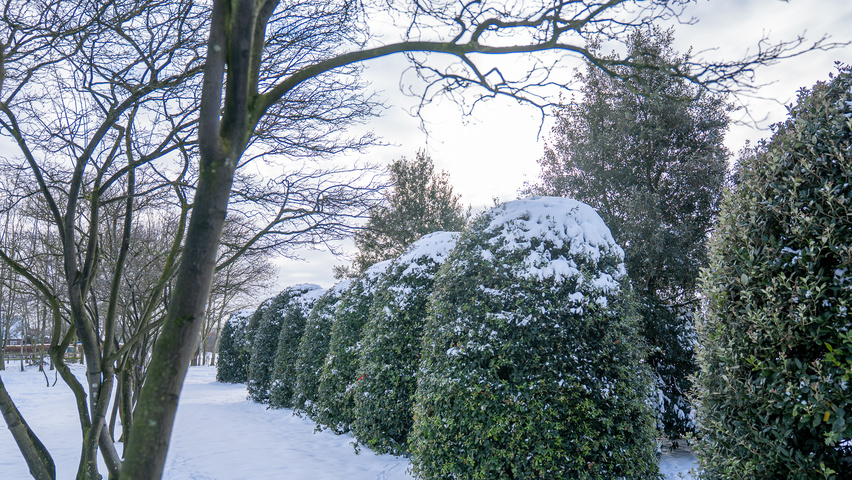
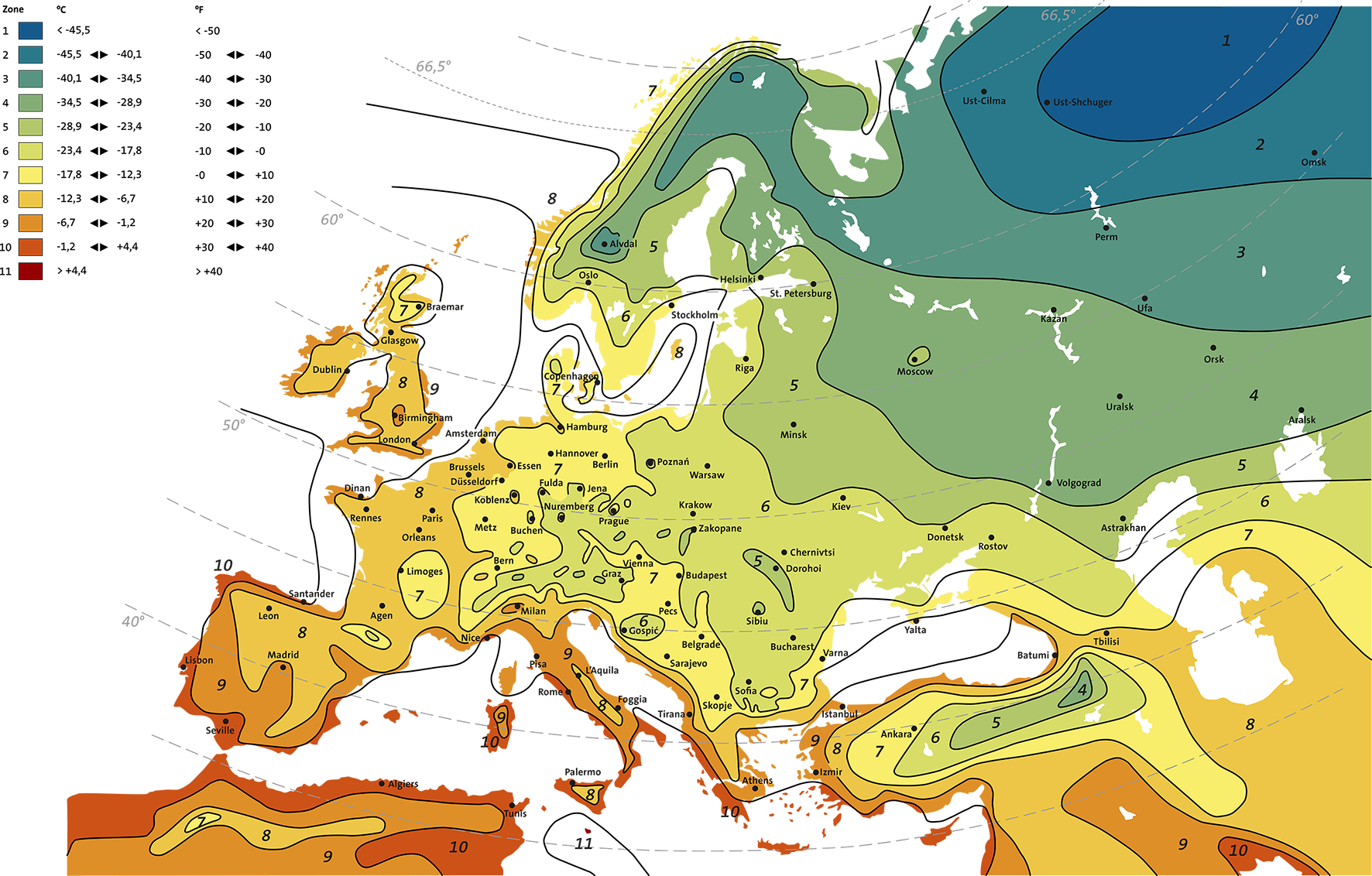
Quercus ilex can tolerate temperatures down to minus twenty four degrees Celsius for short periods. The tree is resistant to wind, including coastal winds, but prefers sheltered sites and benefits from mild maritime climates. It grows on a wide range of soil types and pH levels, provided the soil is well drained and not overly fertile. The species tolerates paving, deicing salt and air pollution, making it suitable for urban use where acorns do not cause nuisance. Tree pits, gardens and parks are all appropriate planting locations for this attractive, evergreen shade tree.