+
Ulmus minor 'Sarniensis'

Ulmus minor 'Sarniensis'

Guernsey elm, Jersey elm, Wheatley elm, Southampton elm

Description

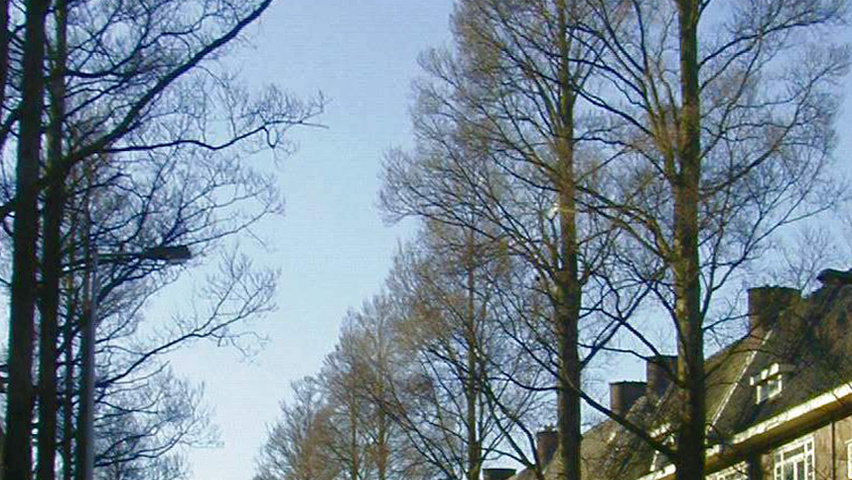
Ulmus minor ‘Sarniensis’ (monumental elm) (synonym Wheatleyi, Monumentalis) is thought to be native to the island of Guernsey and first described in 1815 by Scottish geologist John MacCulloch. Sarnia is thus the Latin name for Guernsey. This elm has a very characteristic and recognisable form: a perfectly straight trunk with a narrow pyramidal and dense crown up to twenty-five metres tall and a maximum of ten metres wide. Grows more vigorously, taller and with a more attractive form than Ulmus ‘Cornubiensis’ which it resembles.

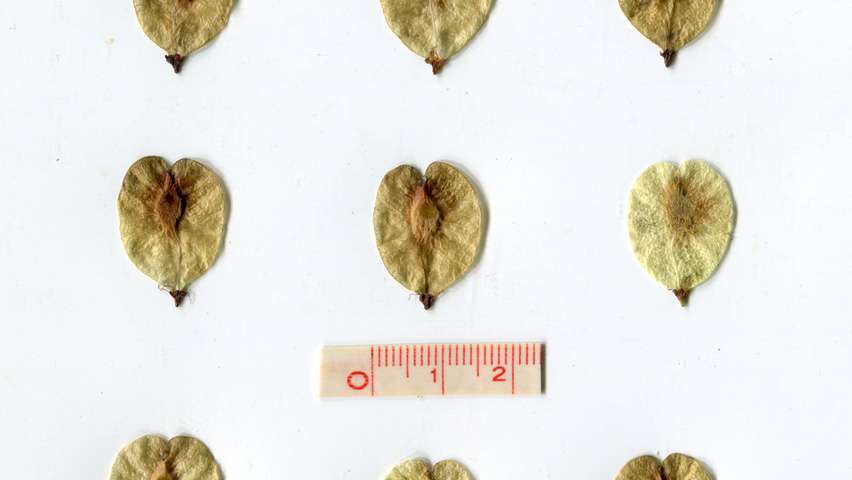
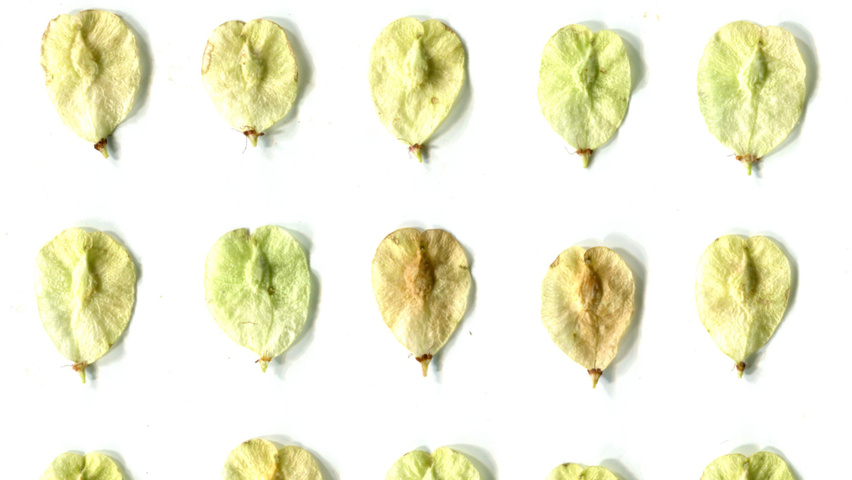
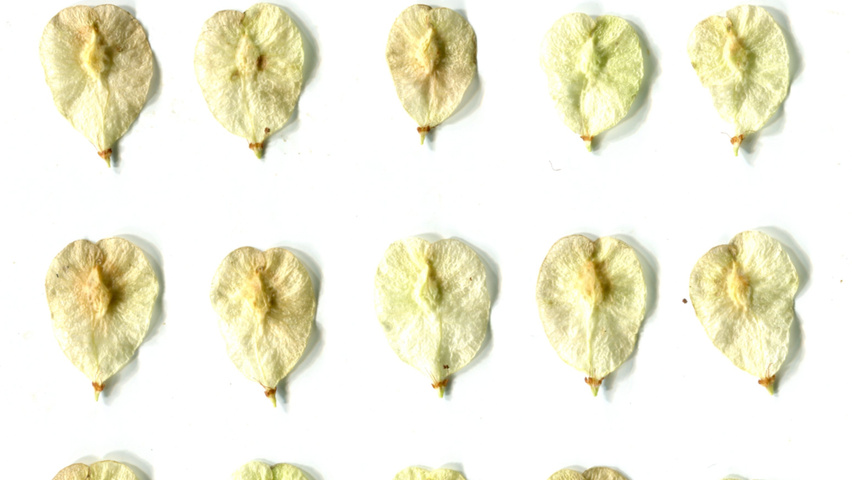
The monumental elm has a very small, almost round, glossy, dark green leaf, with characteristic asymmetrical base. In the autumn this elm changes to a lovely yellow. The leaf emerges later than other elms and also persists for longer. The bark flakes off in narrow bands. Short and rigid branches are arranged horizontally. The blossom of Ulmus minor ‘Sarniensis’ is red-brown and the flowers are arranged in clusters on the twigs. The seeds also hang in bunches, with an oval samara around the nuts and without stalks.

Its beauty and form once made this elm the ideal city tree. It is also very resistant to wind and coastal wind. But it has minimal resistance to Dutch elm disease, making it fundamentally no longer a viable option. Old plantings can still be found in Utrecht, The Hague and Amsterdam, and it is still propagated for monumentality and heritage value. But in future, this elm can better be substituted by Ulmus ‘Columella’ and Ulmus ‘Fiorente’. It used to be grafted to a height of two metres on Ulmus x hollandica ‘Belgica’, meaning different barks were clearly visible.

Types of planting

Tree types

standard trees shade trees

Use

Location

street avenue square park central reservation cemetery traffic areas, industrial zones coastal area

Pavement

open open sealed sealed

Planting concepts

urban planting

Characteristics

Crown shape

narrow pyramidal narrow pyramidal

Crown structure

dense dense

Height

20 - 25 m

Width

8 - 10 m

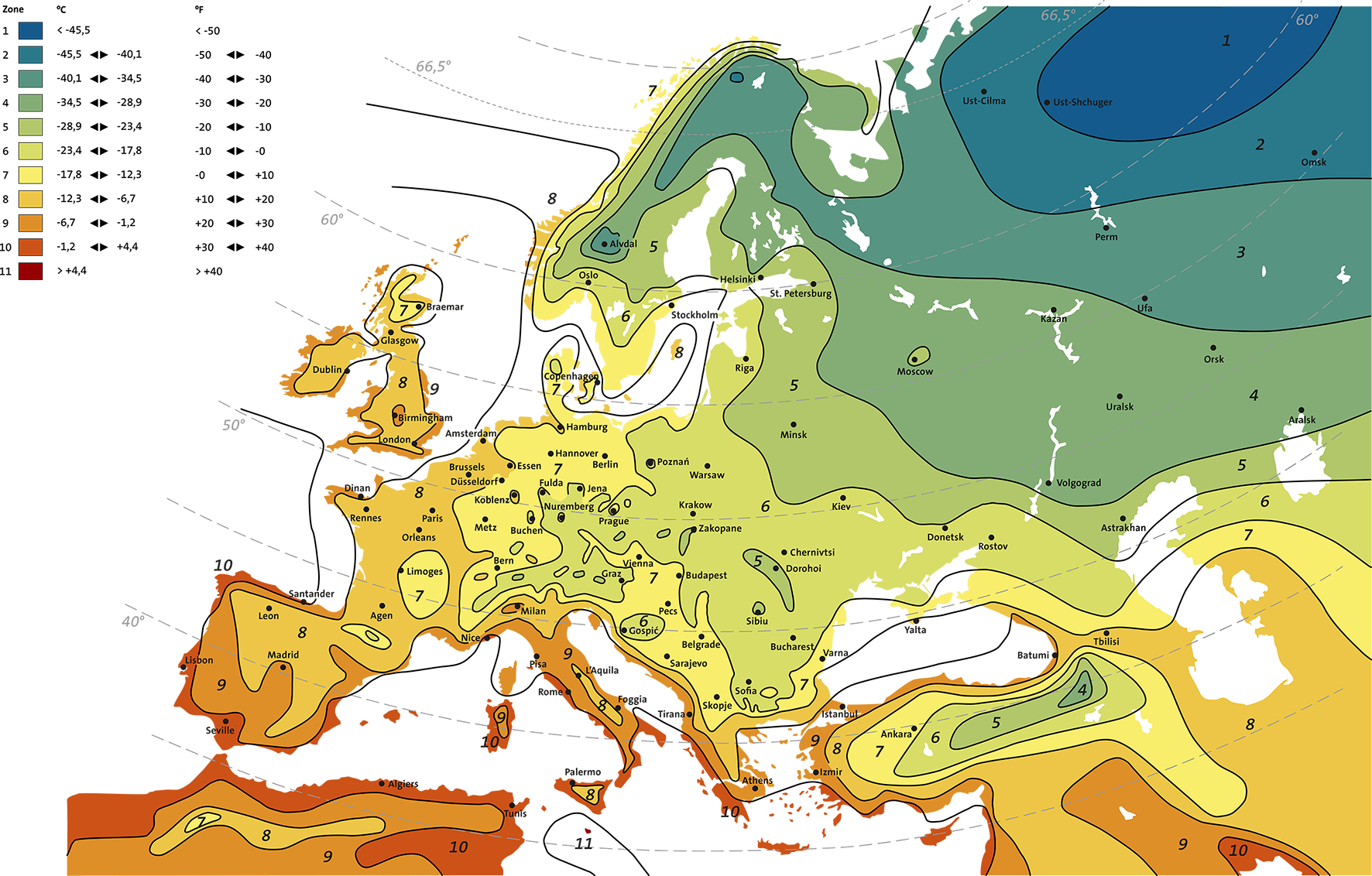
Winter hardiness zone

5A - 7B

Aspects

Wind

tolerant to wind tolerant to coastal wind

Soil

loess sabulous clay light clay loamy soil

Nutrient level

rich in nutrients

Soil moisture level

moist

Light requirements

sun

pH range

neutral

Host plant/forage plant

butterflies

Extreme environments

tolerant to dryness tolerates air pollution

Get to know Ebben Nurseries

Visit our nurseries with multi-stem trees, climbing trees, trees for avenues and parks characteristic trees and solitary shrubs.

Make an appointment

Place order or further information?

Order this plant? Or would you like further information about Ulmus minor 'Sarniensis'? Make an appointment for a detailed planting recommendation.
Call +31(0) 485 31 20 21 or email one of our advisors directly.
Our planting advisors

Photos

Magnify

Flowers

Flowers

raceme discrete small

Flower colour

red-brown

Flowering period

March - April

Leaves

Leaf colour

green

Leaves

deciduous ovate lanceolate polished dentate

Autumn colour

golden yellow

Fruits

Fruit colour

pale brown

Fruits

winged small

Bark

Bark colour

grey-brown

Bark

furrowed

Twigs

Twig colour

brown

For and by green professionals

The TreeEbb is a platform for and by green professionals, in which we collect knowledge and experience from the sector and make this available for users. All the details and photos are free to use for non-commercial purposes. Want to share your tree knowledge? Send photographs and additional information to treeebb@ebben.nl

Contact
Show filters Hide filters
Show comparison
View mood board
TreeEbb

TreeEbb

Geographic location
Winter hardiness zone
OK
Coastal area
OK
Use
Location
OK
Pavement
OK
Host plant/forage plant
OK
Planting concepts
OK
Types of planting
Tree types
OK
Multi-stemmed trees
OK
Crown structure
OK
Crown shape
OK
Topiary on stem
OK
Topiary
OK
Height
m
-
m
OK
Width
m
-
m
OK
Aspects
Wind
OK
Soil
OK
Nutrient level
OK
Soil moisture level
OK
Light requirements
OK
PH range
OK
Extreme environments
OK
Stage of succession
OK
Plant characteristics
Flowering period
January
-
December
OK
Flower colour
OK
Leaf colour
OK
Autumn colour
OK
Fruit colour
OK
Bark colour
OK
Special features
OK
English
View mood board
Show comparison
Your selection:

Sign up for our newsletter

×
Cookie settings

We use cookies when offering electronic services. A cookie is a small, simple file that is sent with the pages of this website and stored on the hard disk of your computer by your browser. This allows us to combine various requests for pages on the website and analyse users’ behaviour, for example. You can indicate which cookies you wish to accept using the settings below. Bear in mind that not accepting cookies will mean that part of the functionality of this website may not be available. You can find more information about the use of data and the various cookies in our privacy and cookie declaration.