Table of contents
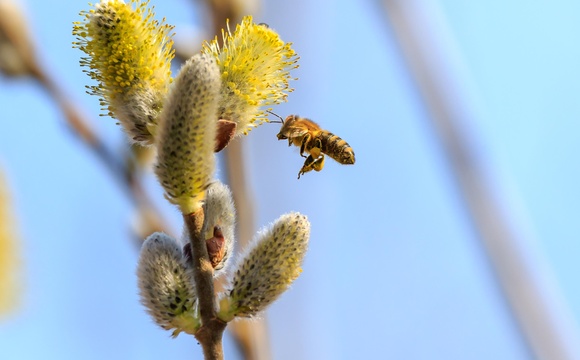

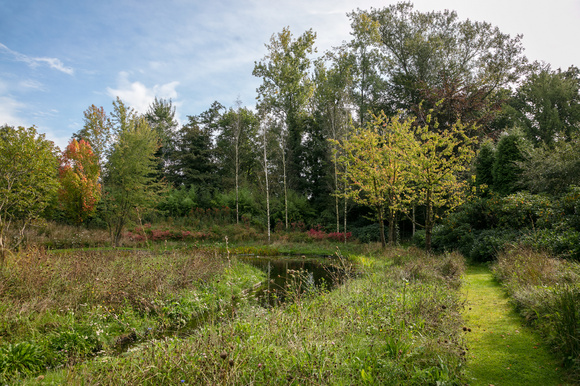
More greenery and less paving is a simple and effective way to make more life possible. We can make the built environment more attractive to a wider range of species by creating a layered and varied planting structure with flower bulbs, herbaceous perennials, shrubs, trees and climbers. These provide food (nectar, pollen, nuts, fruits, leaves and seed heads), shelter and habitat for many species of birds, mammals and insects. It is also important to connect habitats such as ditches, scrub and verges so that species are able to migrate. Trees form an essential part of the living environment through their volume, structure and mutual diversity. Trees also support a wide variety of other plant species, such as mosses and ferns. If we look at species richness on a smaller scale, it is striking that biodiversity in cities is often much greater than in the countryside. There are several reasons for this, but the main factor is the presence of many microclimates. In cities, and especially in gardens, there is plenty of room for microclimates, nesting opportunities and longer flowering periods to support insect species. In the countryside, by contrast, around 60% of the small-scale landscape elements, such as small bodies of water, verges, leftover corners, hedgerows and hedges, have disappeared due to agricultural intensification and urbanisation. In short, the opportunities lie in the city.
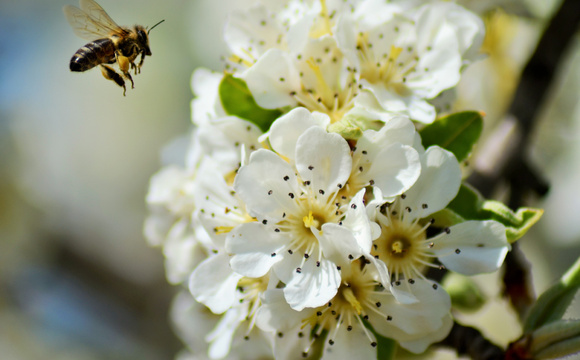
Honeybees are important for the pollination of agricultural crops and therefore for our food supply, and they also produce useful honey. The presence of honeybees and their behaviour also indicate temperature and the availability of flowers. Honeybees feed primarily on nectar and pollen. The nectar comes from flowering, nectar-producing plants and is stored in the honey stomach before later being converted into honey in the hive, a concentrated sugar solution that serves as an energy source for the bee’s flight activity. Honey also helps to regulate the temperature within the colony. The pollen, collected via special structures on the honeybee’s hind legs, contains essential proteins, fats, vitamins and minerals. These nutrients are fundamentally important for the development of larvae and the functioning of adult bees. Both nectar and pollen are crucial to the functioning of the honeybee and its role in pollinating plants. In addition, the availability of water is important for cooling the nest and as a diluting agent in feeding. As a building material, the honeybee also needs resin from tree buds. Pollination is important for the survival of plants and the cross-pollination of plant species. It also contributes to a good harvest of fruits such as apples, cherries and pears. It is therefore important to plant trees for the benefit of bees. With a well-designed planting plan, it is possible to provide flowers for bees from February to October. Download the poster Bee Trees – trees with a high nectar and pollen value. A selection of trees for bees can be found in TreeEbb.