Evergreen and marcescent trees
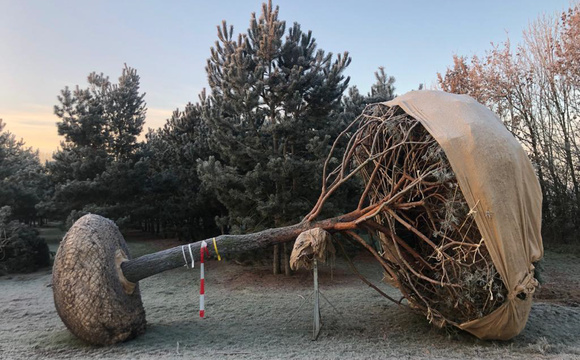

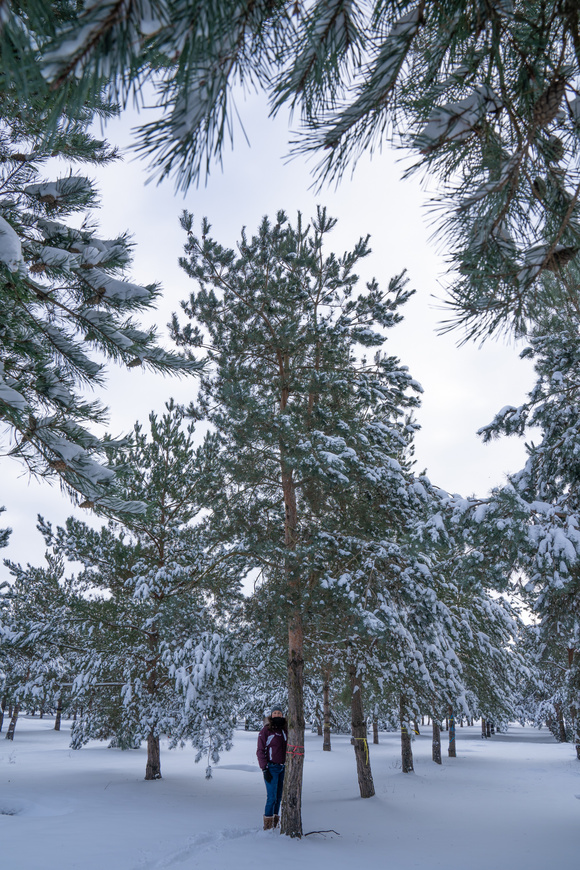
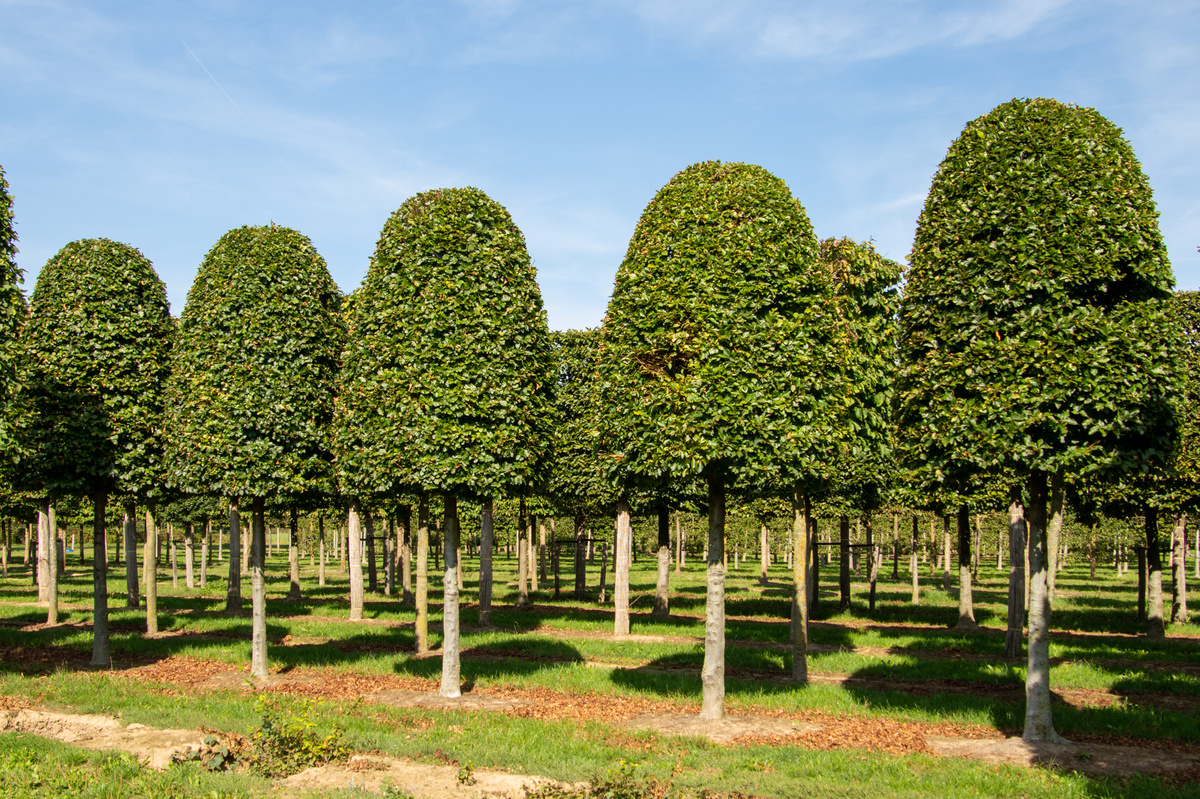
Evergreen trees form a unique category in the world of garden design. In winter, this group of woody plants provides the greatest degree of privacy and shelter. Partly due to milder winters and warmer summers, there are now many species that are suitable for this purpose. Thanks to their dense foliage, closed crown and retention of leaves, evergreen trees make a major contribution to ecosystem services, among other things. After all, these trees continue to fulfil their functions in winter as well, albeit to a slightly lesser extent. Evergreen trees also provide the user with protection from wind, sun and overlooking throughout the year. Evergreen plants are also used to add colour and shape to the design in winter. A neatly clipped yew hedge (Taxus baccata) or tightly clipped ‘cushions’ (also known as cloud hedging) of Osmanthus (Osmanthus x burkwoodii) at the heart of a garden add colour and volume to the design. In summer, this also immediately provides a calm focal point within an abundance of flowers. Most evergreen species prefer a sunny position and dry or well-drained soil.
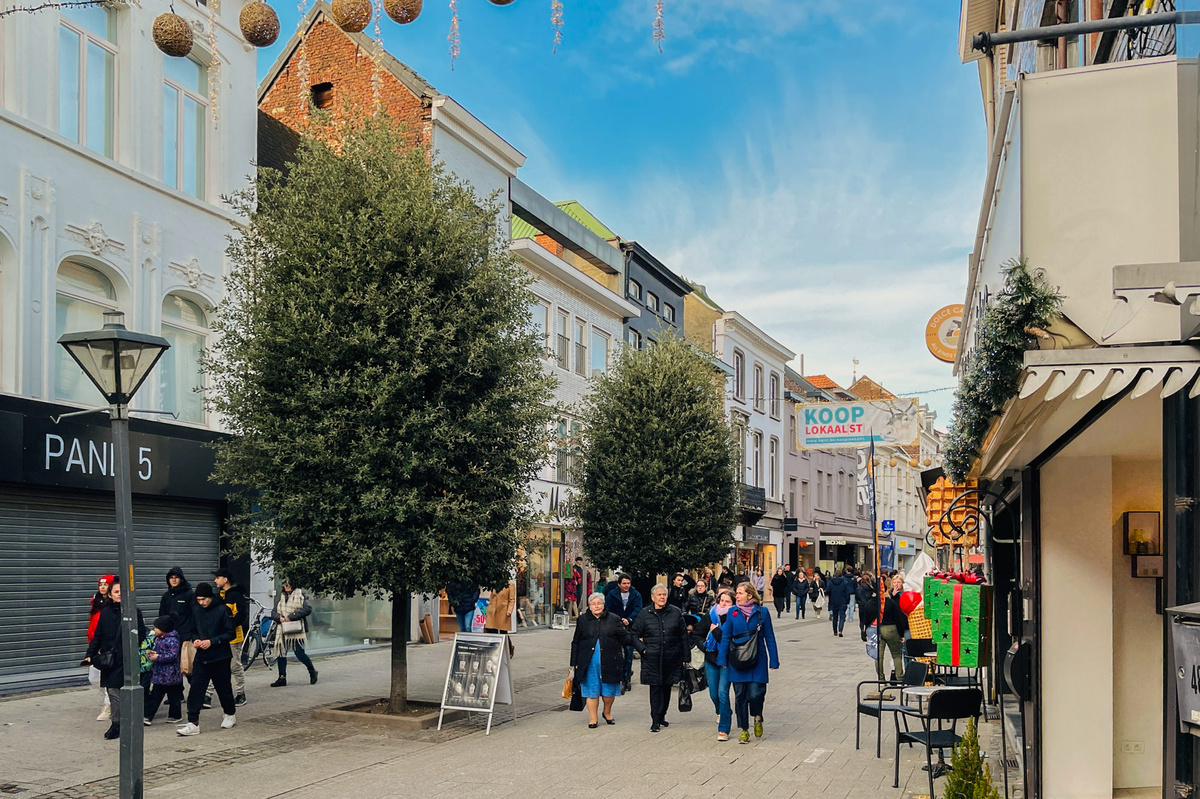
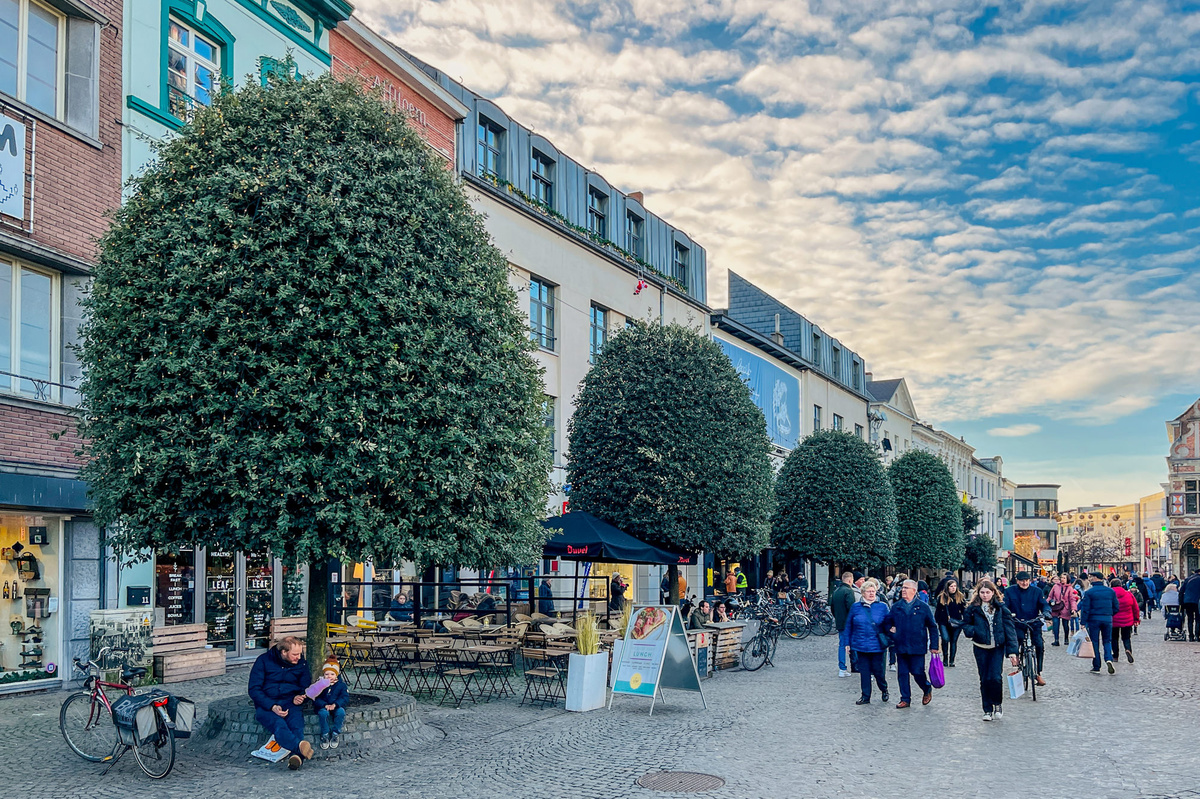
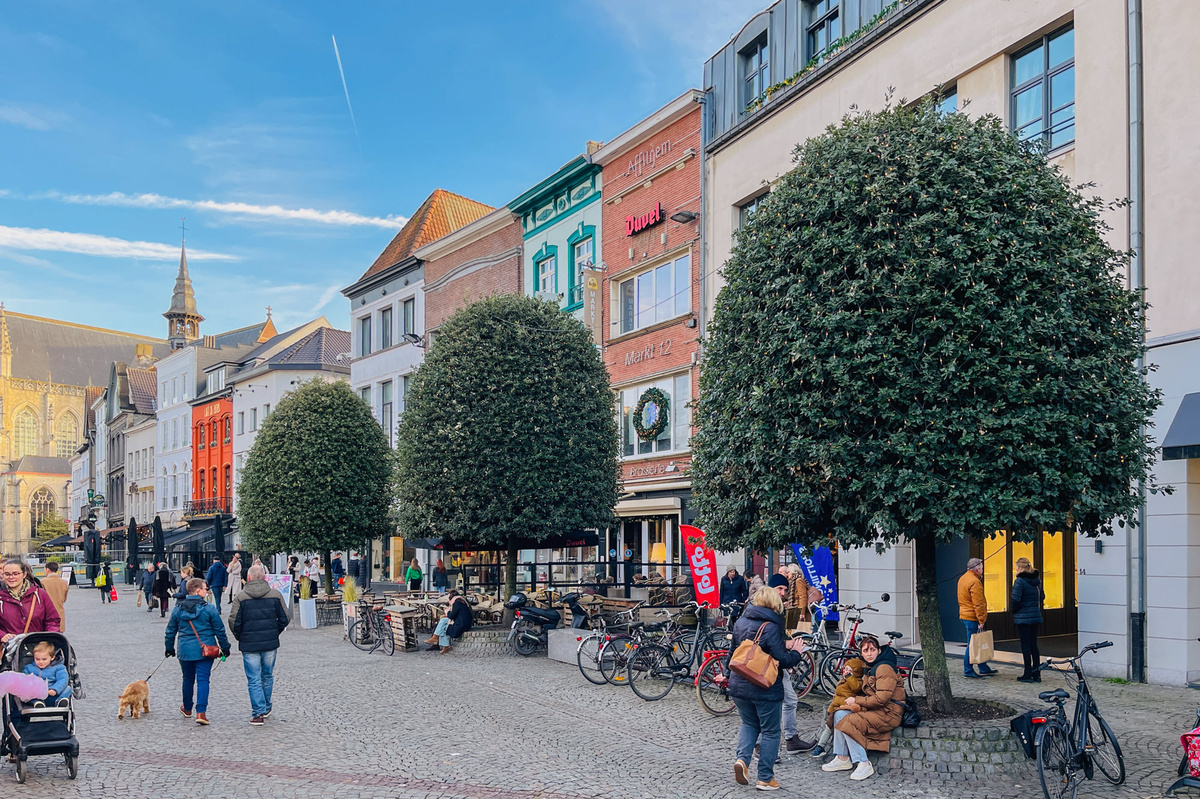
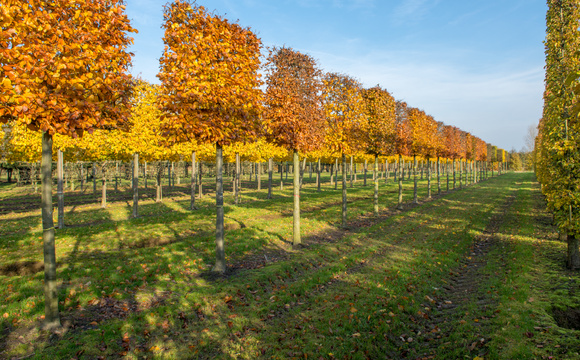
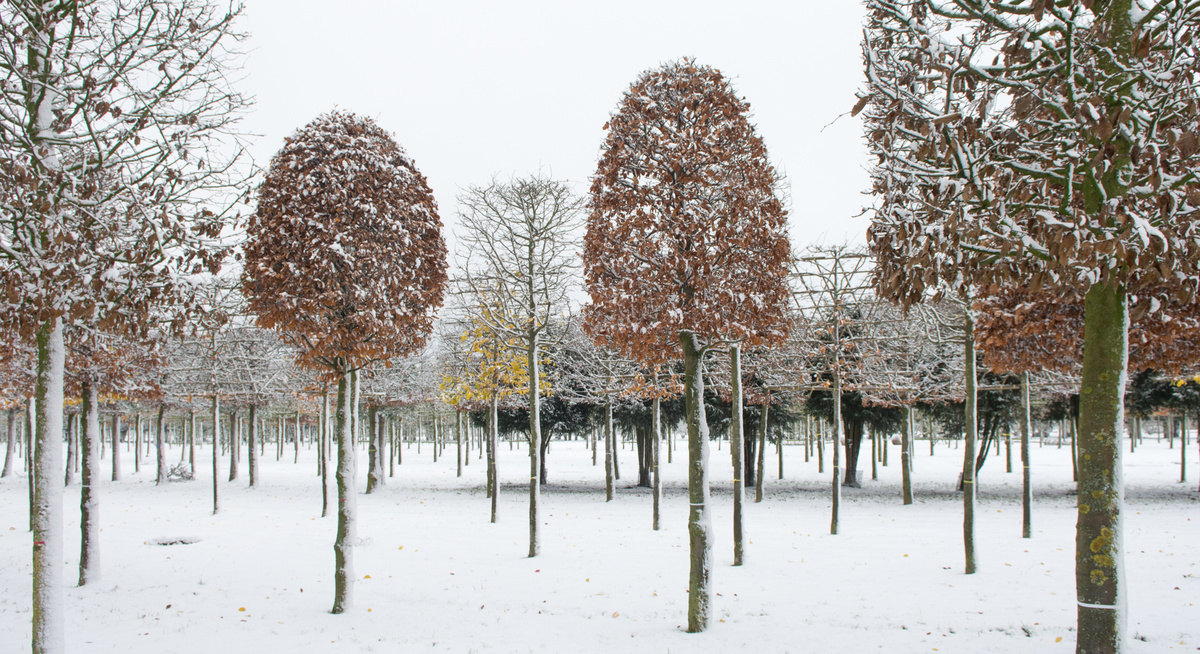
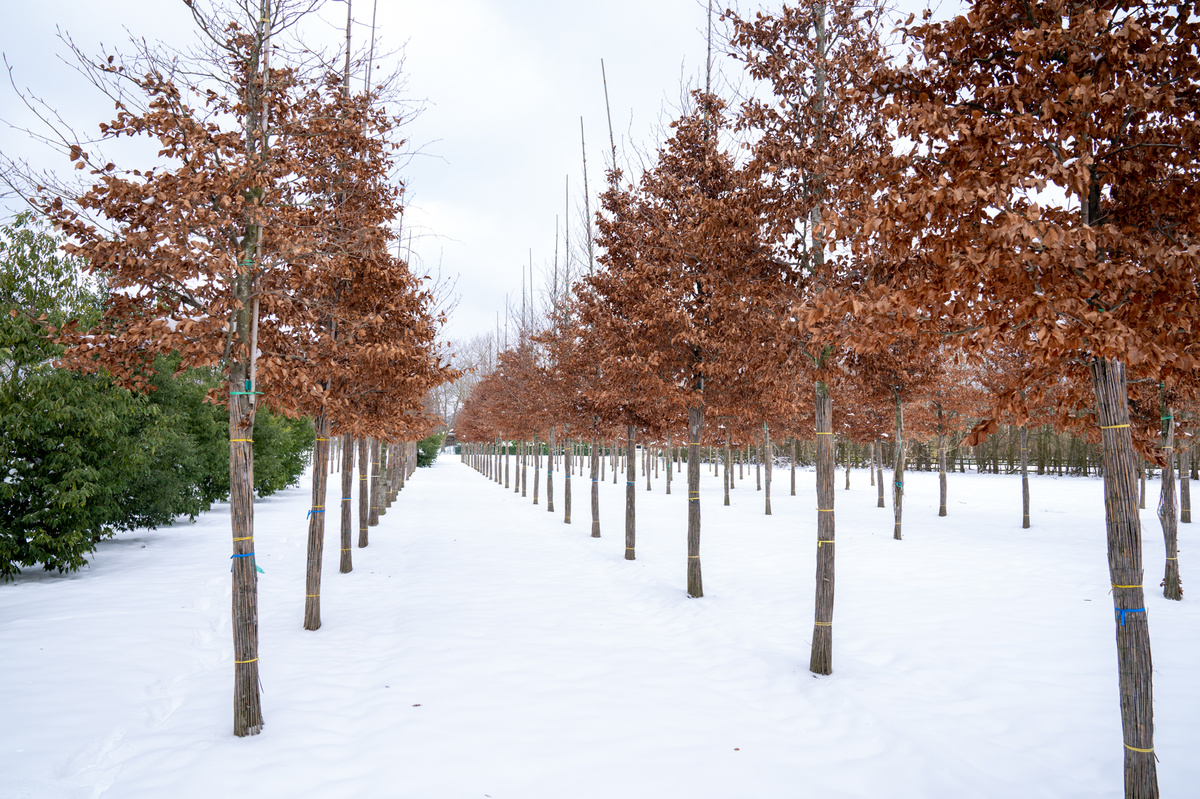
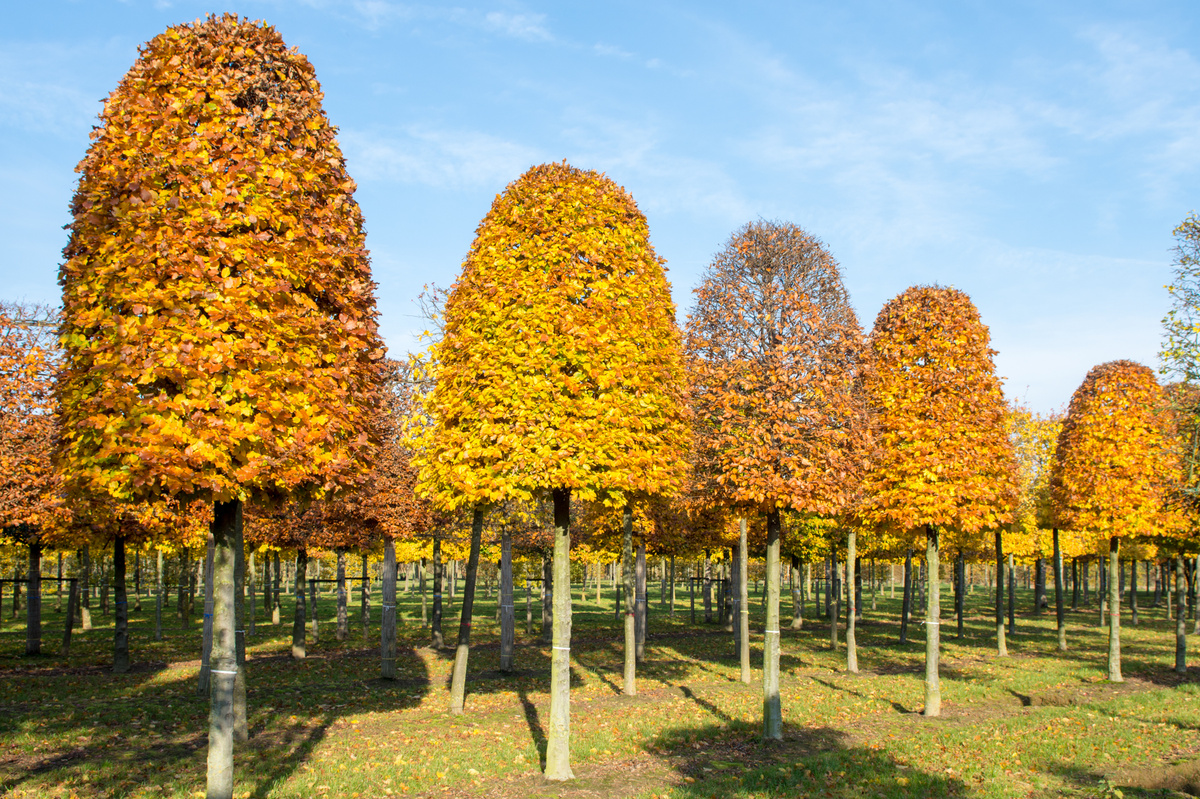
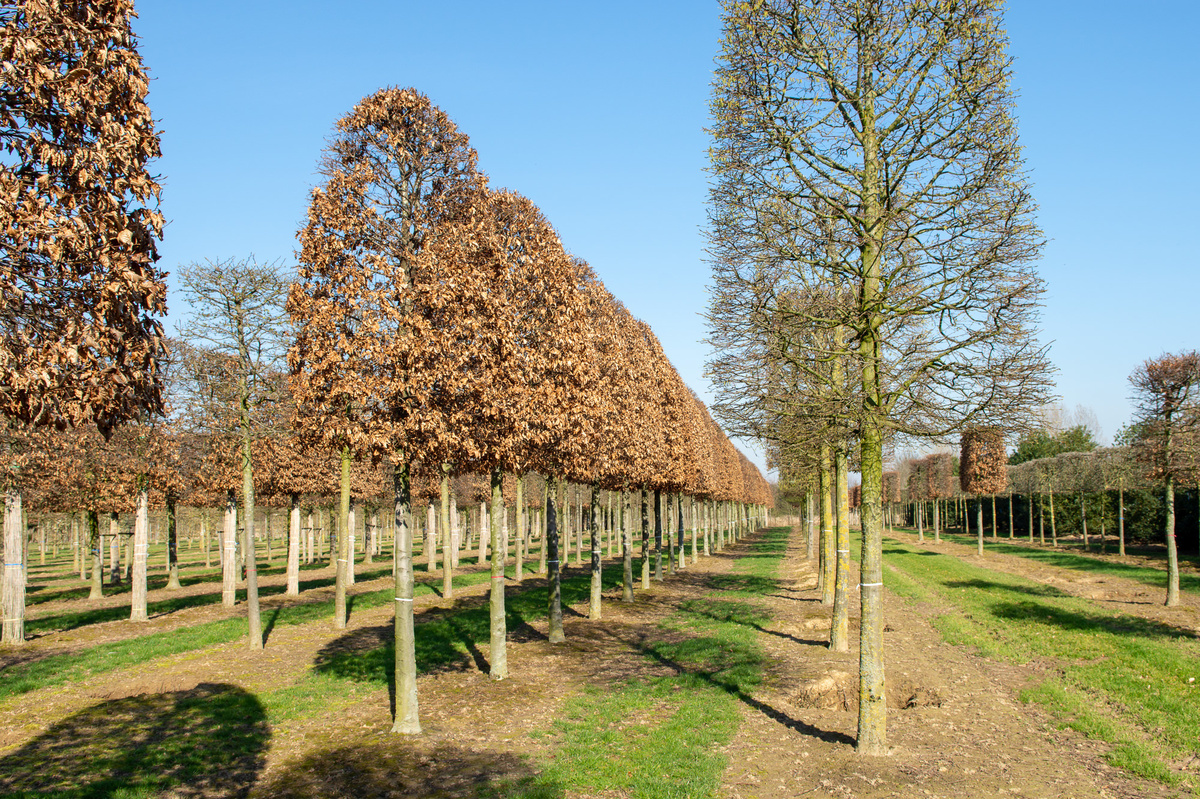
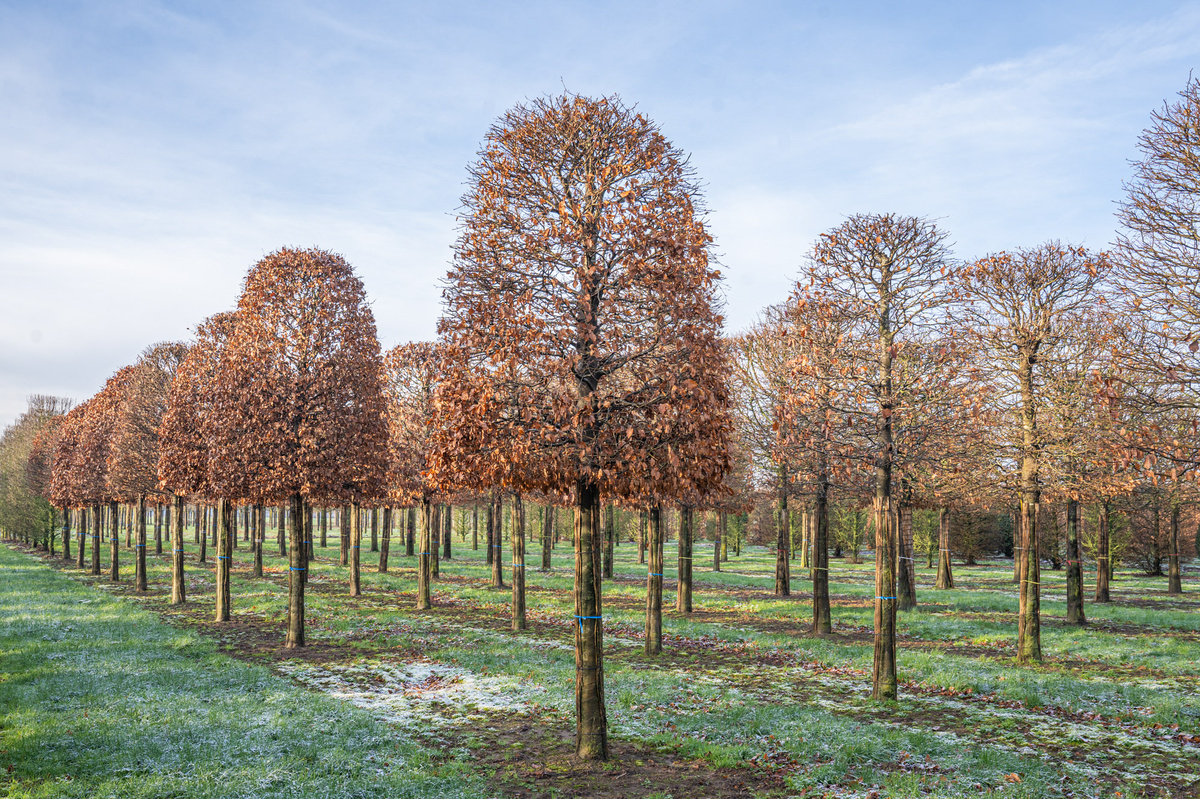
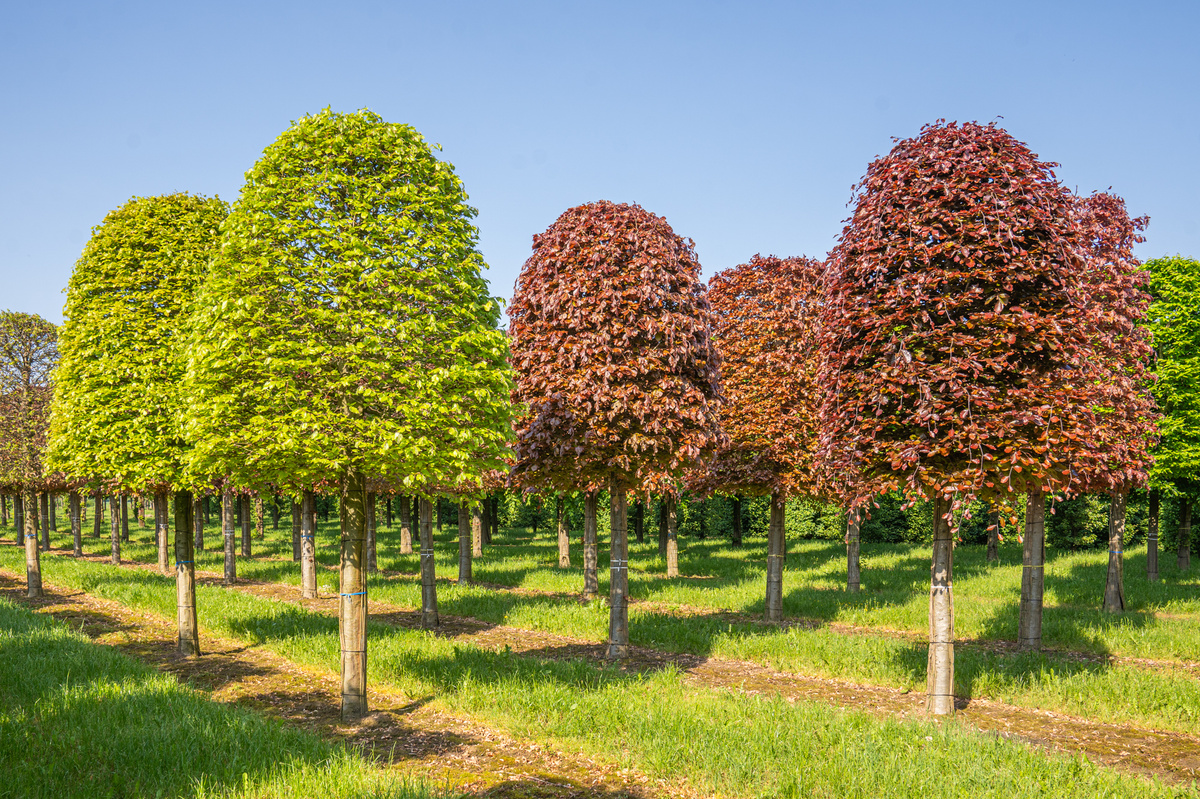
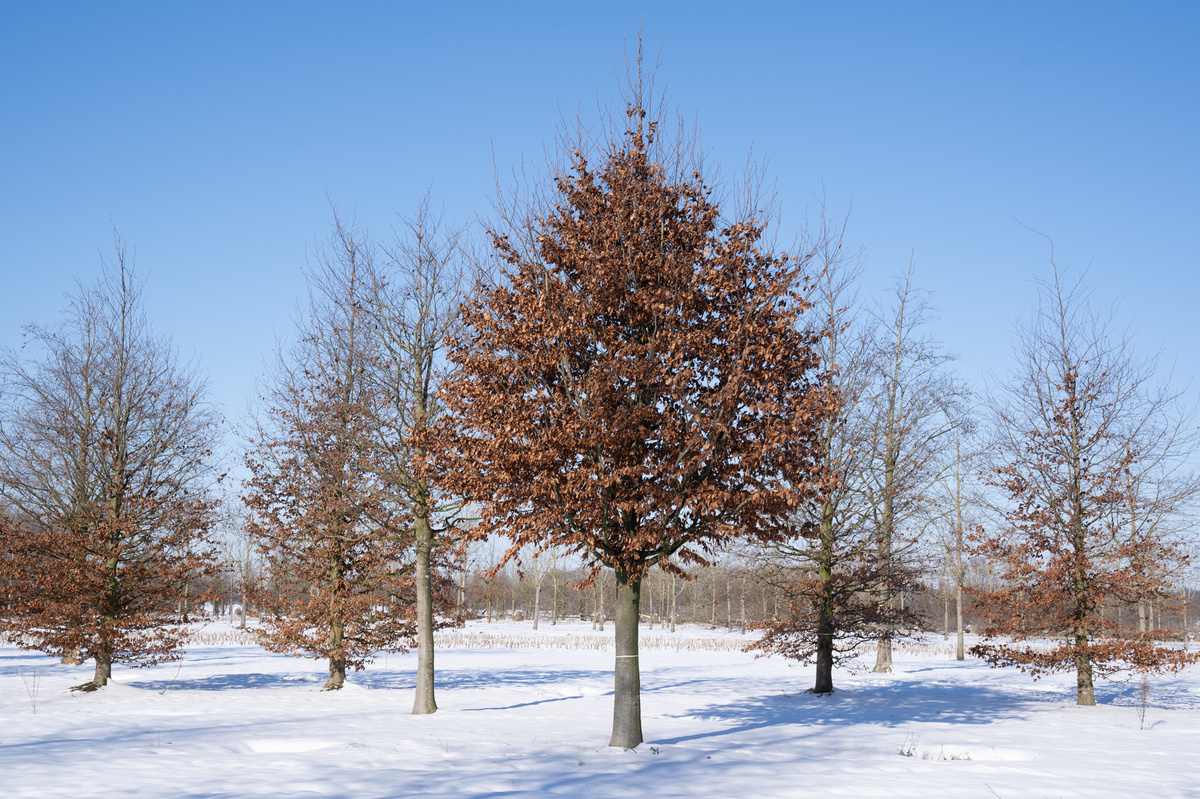
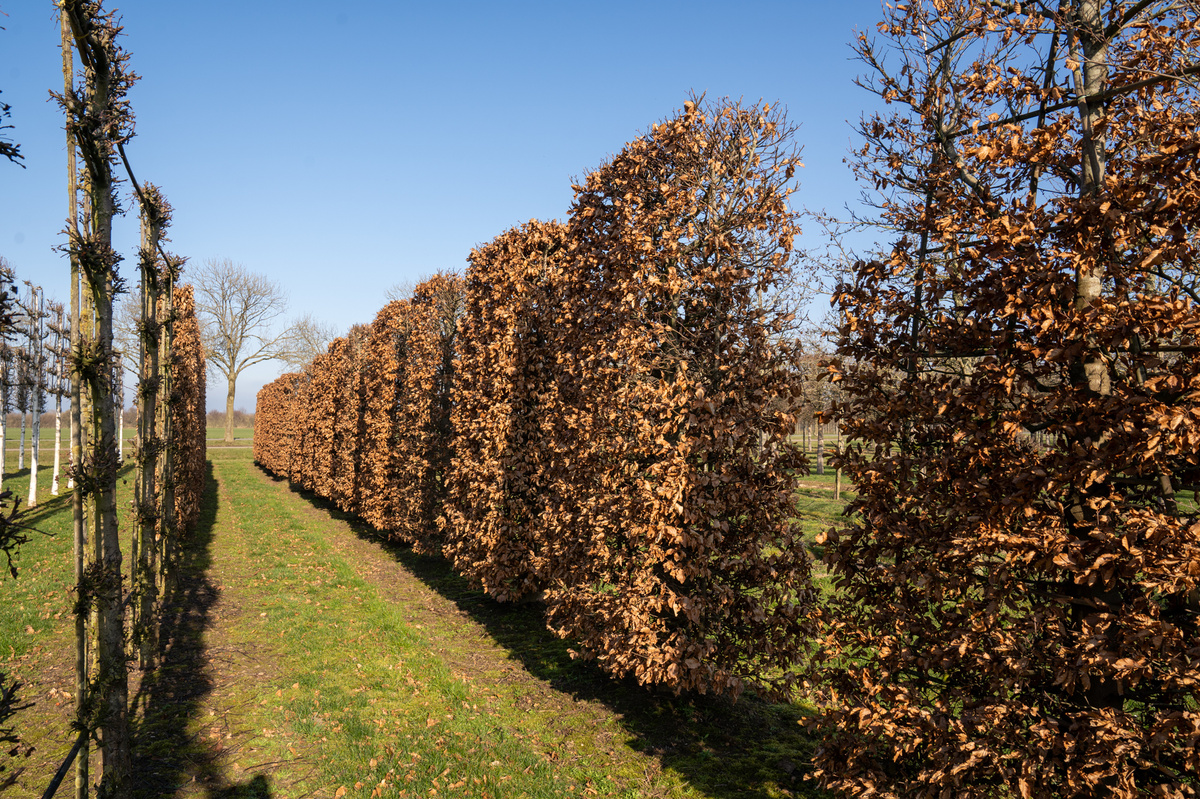
In addition to deciduous and evergreen broadleaved trees, there are also broadleaved trees that retain their leaves throughout the winter. The leaves then remain brown on the plant. A well-known example is, of course, beech (Fagus sylvatica), in which this phenomenon creates beautiful brown hedges during the winter. Other species that are marcescent - often only in mature trees in the lower parts (juvenile phase) of the plant - are hop-hornbeam (Ostrya carpinifolia), silver maple (Acer saccharinum) and hawthorn (Crataegus monogyna). We see this phenomenon mainly in the juvenile parts of the plant. As long as we continue pruning the beech hedge, the plant remains in its juvenile phase and retains its leaves. A commonly heard explanation for this is that plants with brown leaves in winter are less attractive to large grazers during cold periods. The plant does not, however, retain its brown leaves throughout its entire life. Shortly before the tree develops new leaves in spring, it still sheds its brown winter leaves. In short, with marcescent trees you can achieve the same effect as with evergreen trees. Read more about leaves and evergreen trees in this blog article.