Leaf and needle diseases
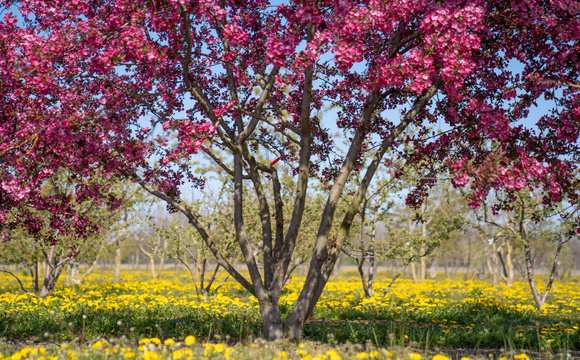


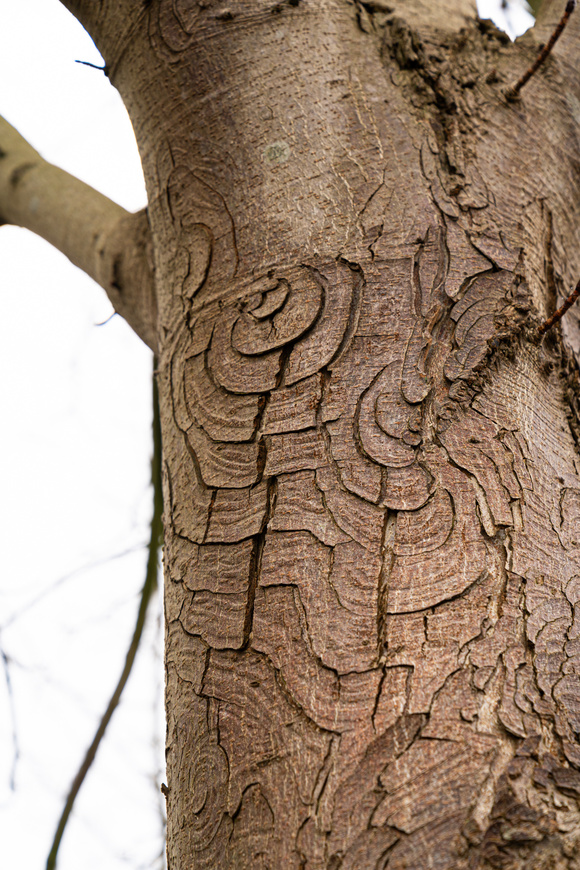
These can be recognised by symptoms such as fungus-like infections on the leaves, such as powdery mildew, but also rust, identifiable by orange-red spots on the leaf, particularly in crops from the Rosaceae family. Fungi spread via spores and are dispersed by wind, rain and insects. Infections are usually found on the soft green parts of plants, such as young branches (twigs) and leaves. Both bacteria and fungi spread during warm periods and humid conditions, with bacterial infections often resulting from poor care, such as ragged pruning wounds. A bacterium is too small to be seen with the naked eye, but its effect on a tree is clearly visible. Early detection and the correct diagnosis are crucial in preventing further spread. Some common infections caused by bacterial pathogens are watermark disease (Salix), gummosis (Prunus), fire blight (Malus) and bleeding canker of horse chestnut (Aesculus), see image.
At the same time, it is also advisable to realise that some fungi and bacteria are harmless and form part of the plant’s natural environment. In oaks, for example, we almost always see some infection of (downy) mildew, while galls and knobs (abnormal growth caused by gall wasp infestation) are also commonly found. None of this necessarily poses an immediate danger to the tree. It may, however, mean that the tree temporarily loses vigour. A correct diagnosis and an assessment of the possible damage are advisable before taking action with chemical treatments.
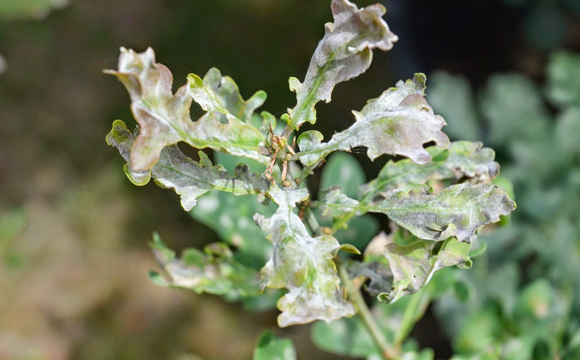
Powdery mildew is a common fungal disease that mainly occurs on broadleaved trees. The infection is caused by various fungal species. The damage is found mainly on young leaves and young shoots. The fungus overwinters in the leaf buds and is difficult to control. Heavily affected leaves shrivel and eventually turn brown, which leads to reduced vigour in the tree. Powdery mildew often occurs in species such as apple and pear, oak, lime, maple, chestnut and plane. For recognition and any possible control, it is important to distinguish between two different types of mildew: powdery mildew and downy mildew. Powdery mildew mainly develops in warm, dry weather with high humidity (summer). Downy mildew mainly develops in cool, wet weather and under conditions of long-lasting leaf wetness. This infection is seen more often in crops such as poplar, grapevine and herbaceous plants such as phlox.
Control and prevention: A healthy, vigorous tree will be less susceptible to mildew. A location with sufficient light, air circulation and well-drained soil helps with prevention. Avoid excessive nitrogen fertilisation, as this encourages the production of soft, susceptible shoots. Finally, varied planting helps to prevent large-scale spread. By choosing resistant varieties and ensuring a diverse species selection, mildew can be kept under control. For a number of tree species, it is useful to know that this infection is a natural part of the tree’s growth.
Rust is a common fungal disease in trees. This parasitic fungus often has a complex life cycle and may require several host plants in order to develop. Well-known examples are pear rust and juniper rust, as well as poplar rust and willow rust. A rust infection is easy to recognise by the striking orange, yellow-brown or rust-coloured spots on the leaves. On the underside of the leaf, powdery spore masses or wart-like swellings often appear. In later stages, the leaves may fall prematurely, leading to reduced growth and vitality of the tree. In some species, such as pear rust, swellings or galls also develop on the branches of the host plant (usually juniper). Rust fungi spread their spores through wind and rain. A moist environment and mild temperatures encourage infection. In many cases, the fungus overwinters on a different plant species (host alternation).
Control and prevention: complete control is virtually impossible, so prevention is essential. Avoid planting host plants close to one another, such as pear next to juniper, and ensure sufficient air circulation through proper management. Affected leaves and twigs are best removed and disposed of. A healthy, well-maintained tree is better able to withstand fungal infections, so vitality remains the best protection.
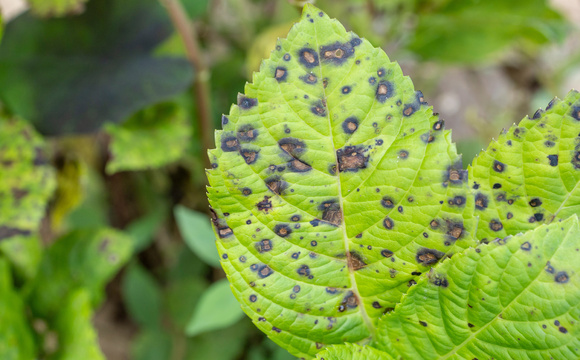
Leaf spot diseases are common in broadleaved trees and are caused by fungi or bacteria. The infection appears as round to irregular spots on the leaves, varying in colour from yellow and brown to black. The spots may merge, causing large parts of the leaf to wither. Often, the leaf tissue within the spot is dried out and a dark margin may be visible. In some cases, the leaves fall prematurely, which in severe infections reduces the vitality of the tree. The causes are usually fungi such as Rhytisma acerinum (tar spot on maple) or Septoria species. Infection often takes place in wet weather in spring, when spores are spread by rain or wind. Leaf spot diseases are generally cosmetic in nature, but repeated infection can weaken the tree.
Control and prevention: control is rarely necessary or permitted. Prevention is the most important measure: clear away fallen leaves in autumn to remove overwintering spores. It can help to improve air circulation around the crown and thereby prevent leaves from remaining wet for long periods; proper pruning and thinning of the crown help with this. Maintaining sufficient planting distance can also make a difference. A healthy tree with good site conditions is less susceptible to infection.