Wilt diseases
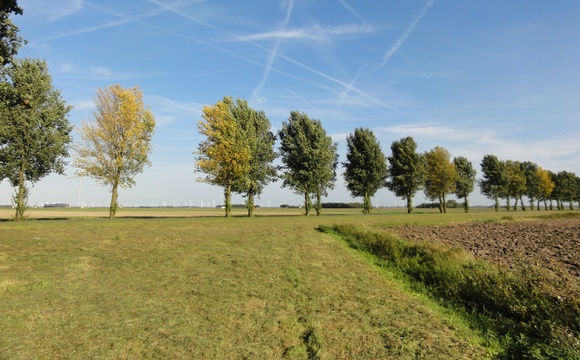

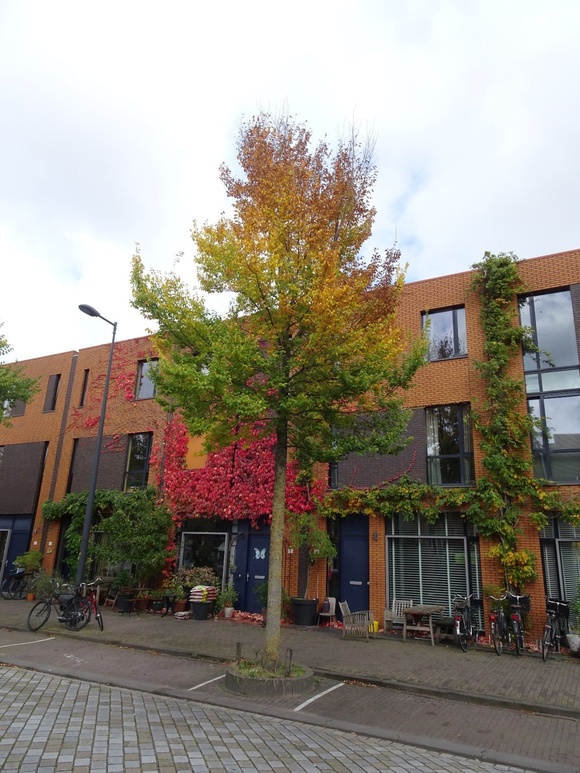
Dutch elm disease is one of the most devastating tree diseases in Europe and has led to widespread mortality among elms. The disease is caused by the fungi Ophiostoma ulmi and Ophiostoma novo-ulmi, which affect the xylem system. It is spread by the elm bark beetle (Scolytus species) and through root contact between neighbouring trees. The fungus enters through wounds or beetle galleries and blocks the vessels, causing water transport to stop. As a result, leaves suddenly wilt, often first in one branch or one side of the crown. The foliage then turns yellow to brown and falls prematurely. An important symptom is desiccation of parts of the crown. In the wood, dark brown discolouration in ring-shaped patterns can be seen beneath the bark – a clear sign of infection. The disease spreads rapidly in warm summers when the beetles are active. An infected tree often dies within a few weeks to months. Climate change, resulting in warmer autumn temperatures, has led to longer flight periods for the elm bark beetles and increasing infection rates.
Control and prevention: the disease spreads in two ways, via the elm bark beetle and via root contact. To minimise the first route, infected trees must be removed immediately to prevent further spread. The bark must also be removed, as this is where the beetles breed. To prevent spread through root contact, it is important to plant resistant elm cultivars on their own roots, rather than grafted onto rootstocks susceptible to Dutch elm disease. Resistant elm cultivars include Ulmus‘Columella’ and ‘Sapporo Autumn Gold’. Cultivars from the Resista group are especially strong and have been tested: ‘New Horizon’, ‘Rebella’, ‘Rebona’ and ‘Fiorente’. It is also an option to use species that resemble elm, such as Zelkovaand Celtis. By recognising the symptoms in time and using resistant species, Dutch elm disease can be effectively managed and this characteristic tree can be preserved.
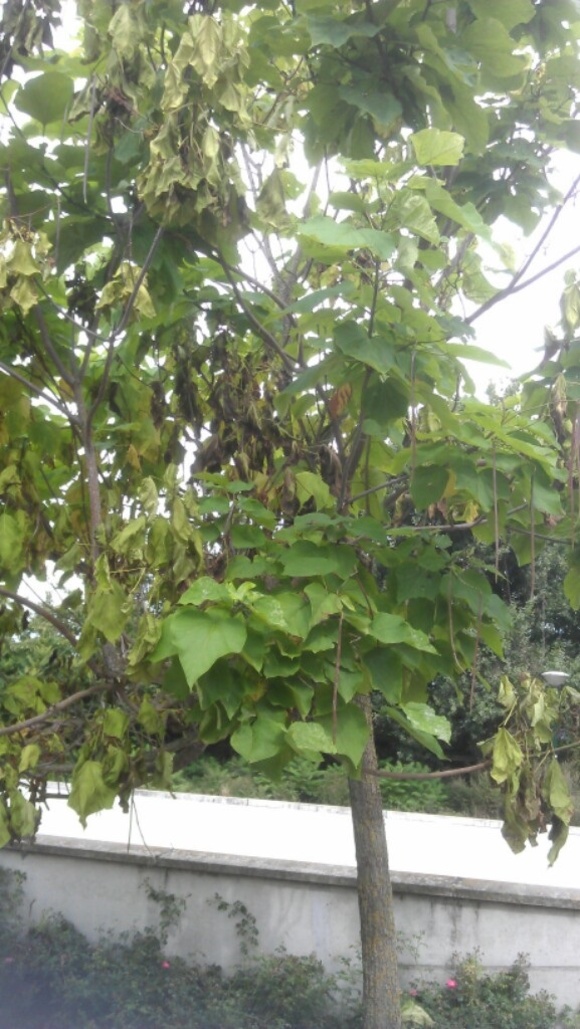
A Verticillium infection is caused by a soil-borne fungus from the genus Verticillium. These fungi enter the tree through the roots and trigger a reaction in which the tree closes off its xylem vessels, obstructing sap flow. The result is an impaired supply of water and nutrients, leading to wilting leaves and eventually dieback of individual branches or even the entire tree. In the early stages of infection, it is usually a few isolated branches in the crown that show signs of wilting. The symptoms often appear suddenly, especially during warm periods with high rainfall. Dark to purplish ring-shaped discolouration is often visible in the xylem, just beneath the bark. This is a characteristic sign of a Verticillium infection. Young plantings often die within a year, while older trees can sometimes recover. Species susceptible to Verticillium include maple (Acer), lime (Tilia), katsura tree (Cercidiphyllum), sweet chestnut (Castanea) and privet (Ligustrum).
Control and prevention: direct control of Verticillium is not possible; the fungus can survive in the soil for many years. Prevention is therefore essential. Preferably plant resistant or less susceptible species, and avoid planting in contaminated soils with a history of potato or dahlia cultivation. Improving the soil structure and stimulating soil life to increase the tree’s resilience can also help. Affected branches should be pruned back well beyond the infected area and destroyed. Tools should be disinfected thoroughly to prevent further spread. When pruning a tree infected with Verticillium, it is advisable to work from the healthy part towards the infected part in order to minimise the spread of the infection to healthy tissue.
Fire blight is a serious bacterial disease that affects all trees and shrubs in the rose family (Rosaceae), such as ornamental pears and apples (Pyrus and Malus), rowans (Sorbus), hawthorns (Crataegus) and quinces (Cydonia). The disease occurs regularly and can cause major damage in plantings of these species. The bacterium enters through flowers, wounds or natural openings. Once infected, it spreads quickly through the plant’s vascular system. Infected shoots turn dark brown to black and often bend over, resembling a shepherd’s crook, which is a classic identifying feature. Leaves and flowers wilt, but often remain attached to the branch, creating a cluster of dead foliage at the end of the shoot as if it had been burned or scorched, hence the name fire blight. In warm and humid conditions, a sticky, milky ooze may emerge from infected parts, causing new infections via insects, rain or tools. The development of fire blight is encouraged by warm, damp weather in spring and summer. The bacterium survives in dark, canker-like lesions on the branches, from which it becomes active again in the next growing season.
Control and prevention: this is mainly focused on prevention and hygiene. Affected parts are best removed well back into healthy wood (30–50 cm) and destroyed. Pruning tools must be disinfected after each cut to prevent further spread. There are no effective control methods; early recognition and rapid removal are therefore essential. When selecting planting, less susceptible species or resistant cultivars can be chosen in order to reduce the risk of infection.