The basic needs of a tree
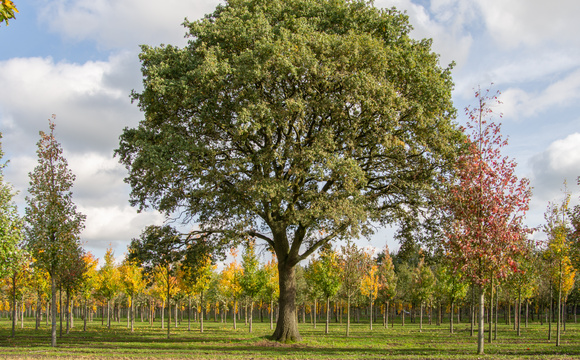

To understand how a tree functions properly, and to recognise symptoms and abnormalities, it is important to understand the basic needs of trees. This also makes it immediately clear what roles watering, pruning and anchoring fulfil. Below, we briefly explain the most crucial functions.
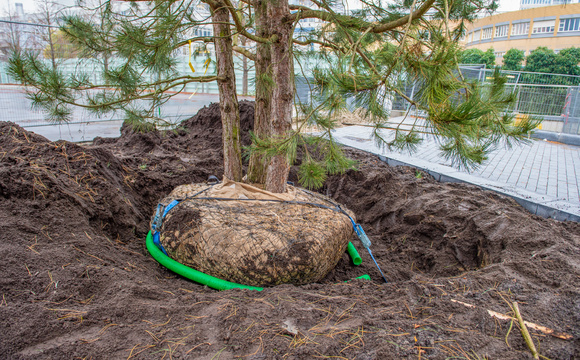
The presence of oxygen in the soil is crucial for the roots. Trees obtain this from air-filled pores in the soil. When these remain saturated with water for a prolonged period, oxygen deficiency can occur. Too much water or a constantly saturated soil will cause roots to die, and the tree crown will then dry out. The ideal oxygen content in the rootable zone is at least 16%. This percentage varies depending on the soil structure, the type of surface (open soil, semi-paving or paving) and the activity of roots and soil life. The amount of oxygen available is closely related to the amount of water available, water infiltration and the composition of the substrate. In paved areas, smaller paving units and wider joints help to promote the supply of oxygen.
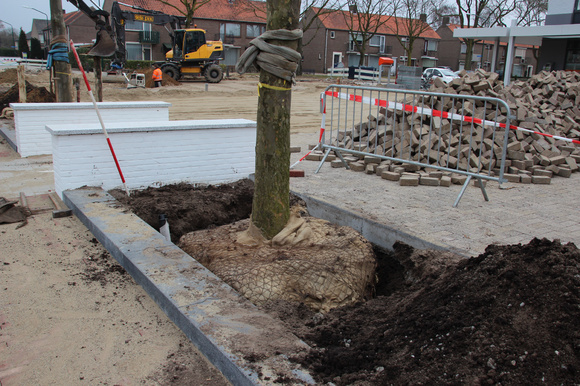
The soil in which a tree grows must contain sufficient organic material. Although a content of 3 to 8% organic material is often recommended, some tree species can also thrive well at a lower percentage. The ideal content depends on the tree species and its natural growing conditions. For example, trees growing high in the mountains with their roots between rocks require a different soil from trees that naturally grow in a salt marsh that is regularly flooded. Organic material consists of 85% organic matter and 15% soil life, such as bacteria and single-celled organisms. This soil life is essential for the uptake, breakdown, conversion and distribution of nutrients and plays an important role in resistance to parasites, such as nematodes. A healthy soil structure, based on the right balance, therefore promotes the growth and resilience of trees.
Moisture is essential for the transport of nutrients within a tree and plays a crucial role in photosynthesis. Under ideal conditions, sufficient moisture remains available in the root zone, allowing the tree to transpire freely and photosynthesis to remain active. Recently planted trees are particularly sensitive to drought because of their limited root volume. In addition to moisture, nutrients are also necessary. A well-functioning soil ecosystem provides these. Important nutrients include nitrogen, phosphorus, potassium, calcium, magnesium and sulphur, supplemented by trace elements such as copper, zinc, boron, iron, manganese and molybdenum, which the tree can obtain from various materials present in the soil. The development of the fine feeder roots, which are crucial for moisture uptake, also depends on soil temperature. Open, oxygen-rich soils warm up more quickly than wet soils. If the temperature becomes too high, a great deal of moisture will evaporate from the soil and root development will come to a standstill.
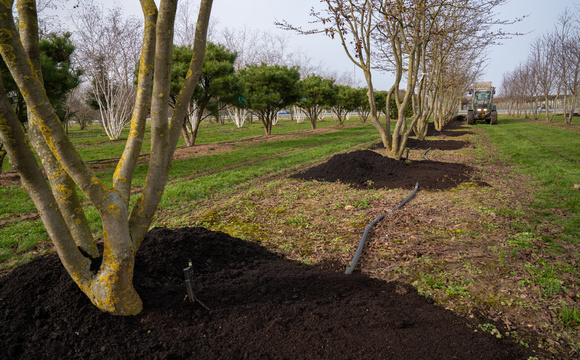
Soil life breaks down organic material, such as plant and animal remains, into humus. Humus improves the soil structure, retains moisture and nutrients, and contributes to long-term fertility and soil condition. Thanks to its sponge-like structure, humus creates space between soil particles, helping to maintain proper aeration and water balance. Soil life and organic material therefore form an important part of the overall soil condition. The presence of fungi living in symbiosis with tree roots also helps with the uptake of water and nutrients. The poorer the soil, the greater this role will be. Fungi are, however, sensitive to oxygen deficiency, which restricts nutrient uptake. This has few consequences in winter, but during the growing season, when root activity is high, it can significantly affect tree growth.