“Houthavens Botanique brings together planting, art and community.”
From vacant site to botanical meeting place
In one of Amsterdam's most dynamic districts, an unexpected green oasis has taken root. What was once a compacted construction site has been transformed into Houthavens Botanique, a pocket park where residents, visitors and professionals come together among trees, perennials and works of art. Initiated by Erwin Stam Tuinstudio and Heren2, and realised in close collaboration with Tree Nursery Ebben, the park has become a place where nature, social interaction and experimentation go hand in hand.
A refined green retreat for the neighbourhood
When Heren2 acquired a vacant site in Amsterdam's Houthavens district, the owner faced a choice: leave the land unused until future development or create something meaningful for the surrounding community. The original idea was simply to plant a few trees to add even more greenery to an already green neighbourhood. Landscape designer Erwin Stam, however, recognised a far greater opportunity.
Inspired by pocket parks he had visited in the United States and Australia, Stam developed a concept in which planting is not merely decorative but forms the foundation for social interaction. In the heart of a rapidly evolving urban district, he envisioned a place where people could meet, unwind and find inspiration.
"I imagined a refined green space where people aren't rushed through. Not a route for jogging or cycling from A to B, but an outdoor environment where you naturally slow down and take a moment to breathe," says Stam.
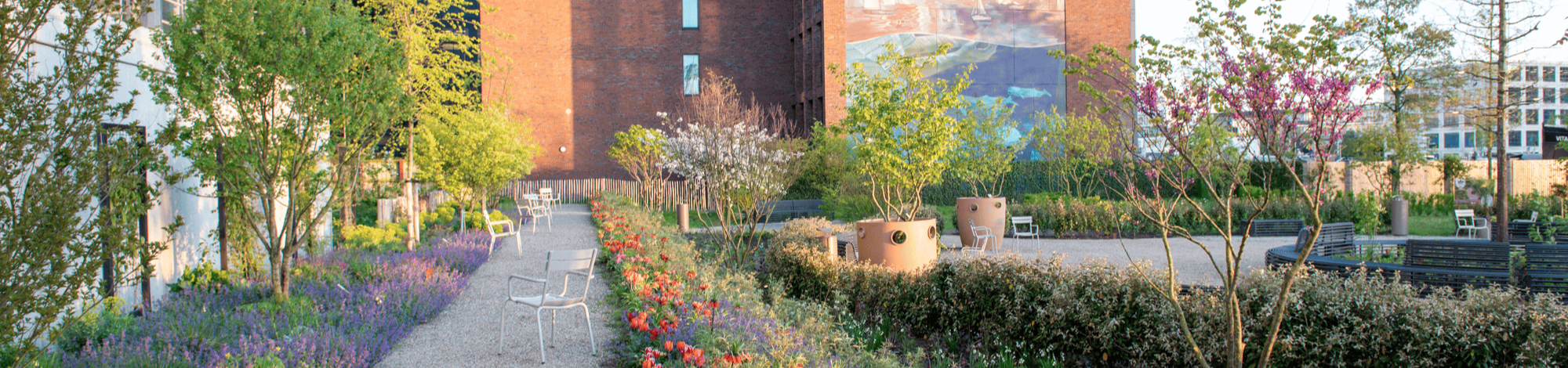
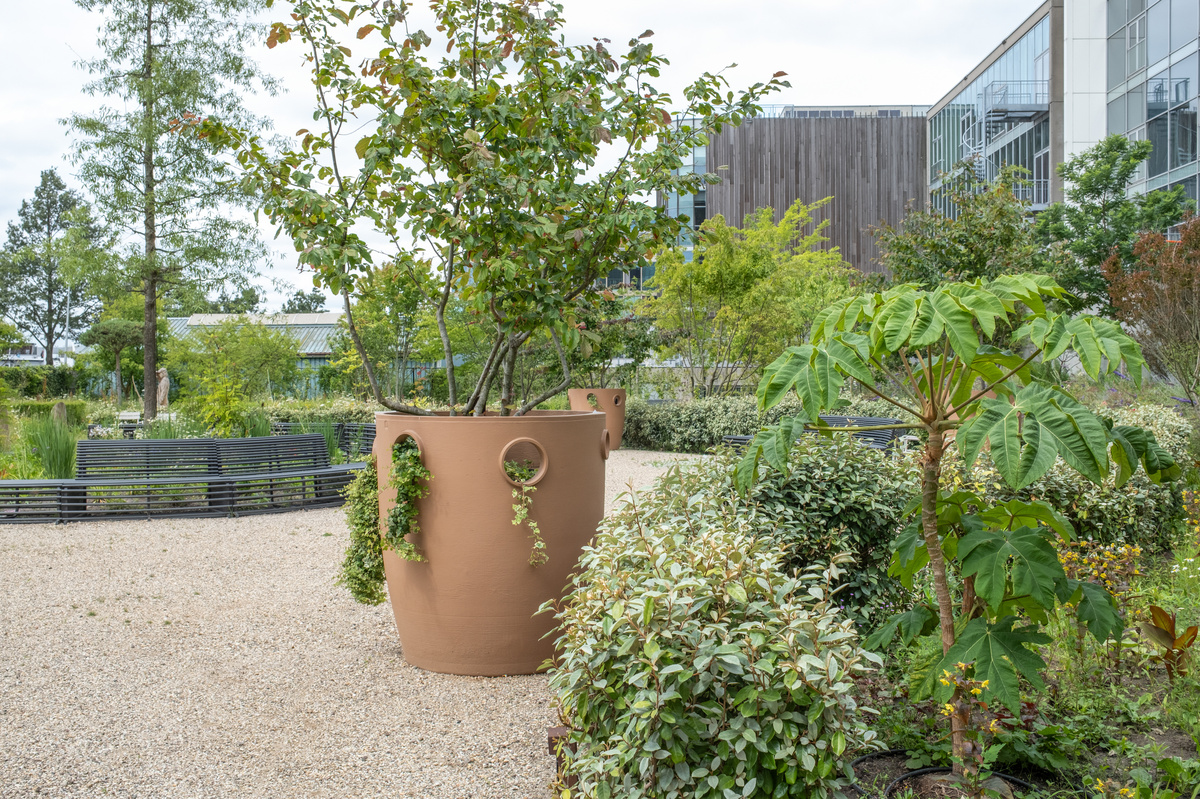
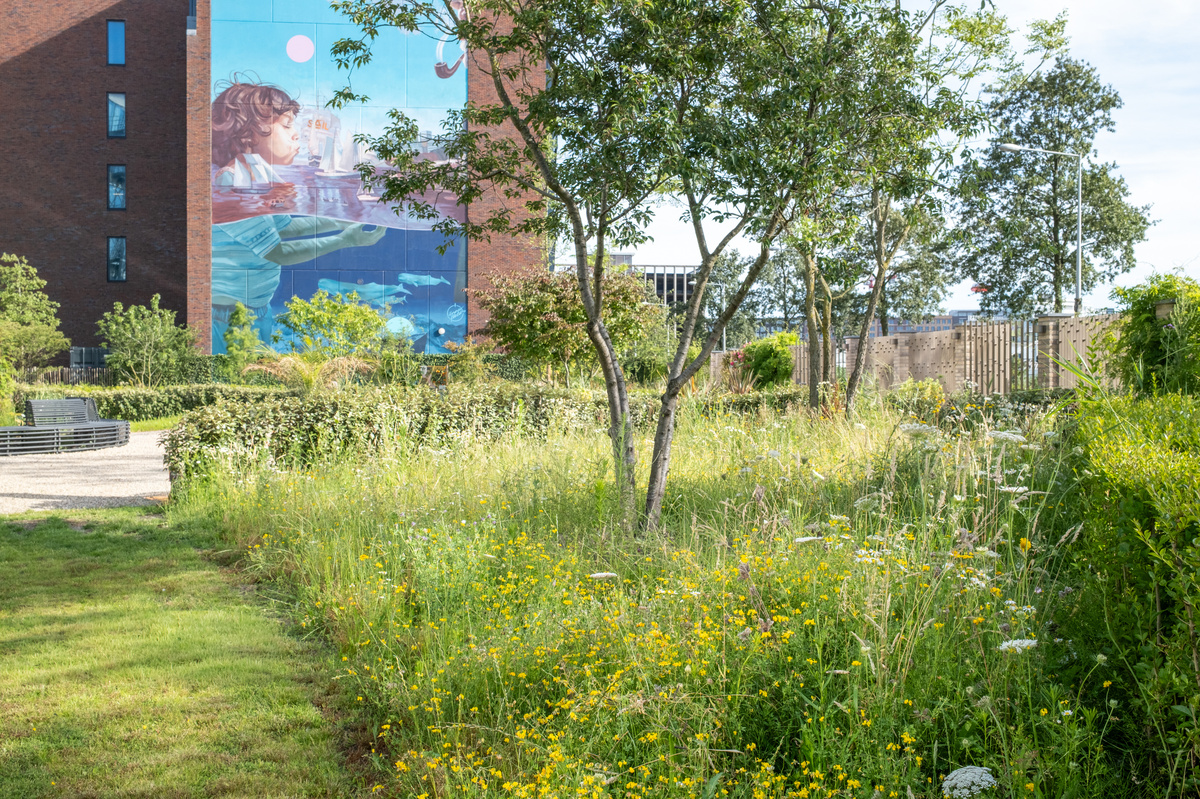
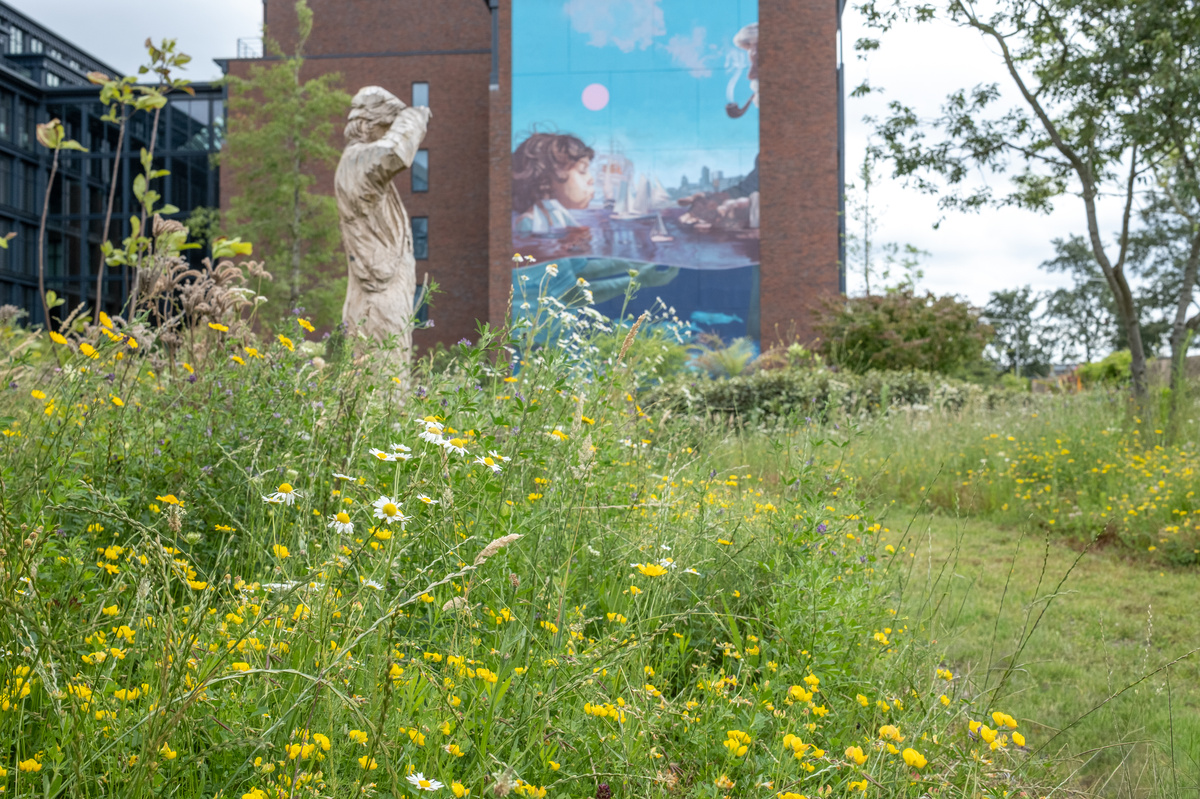
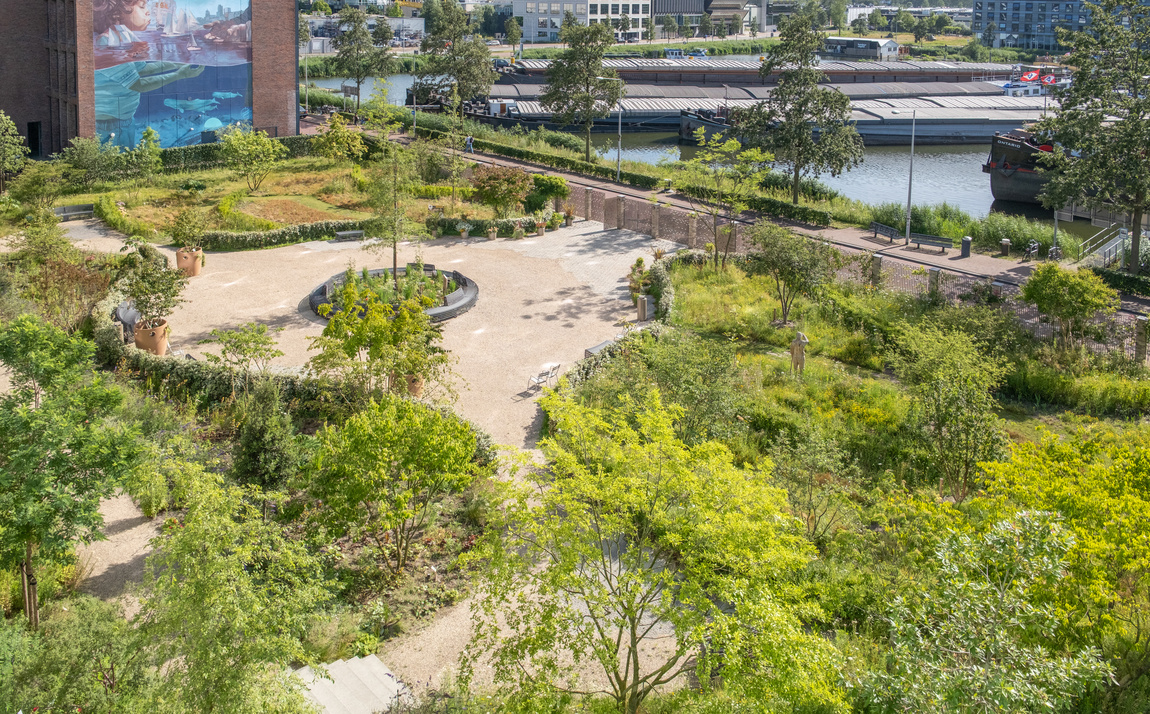
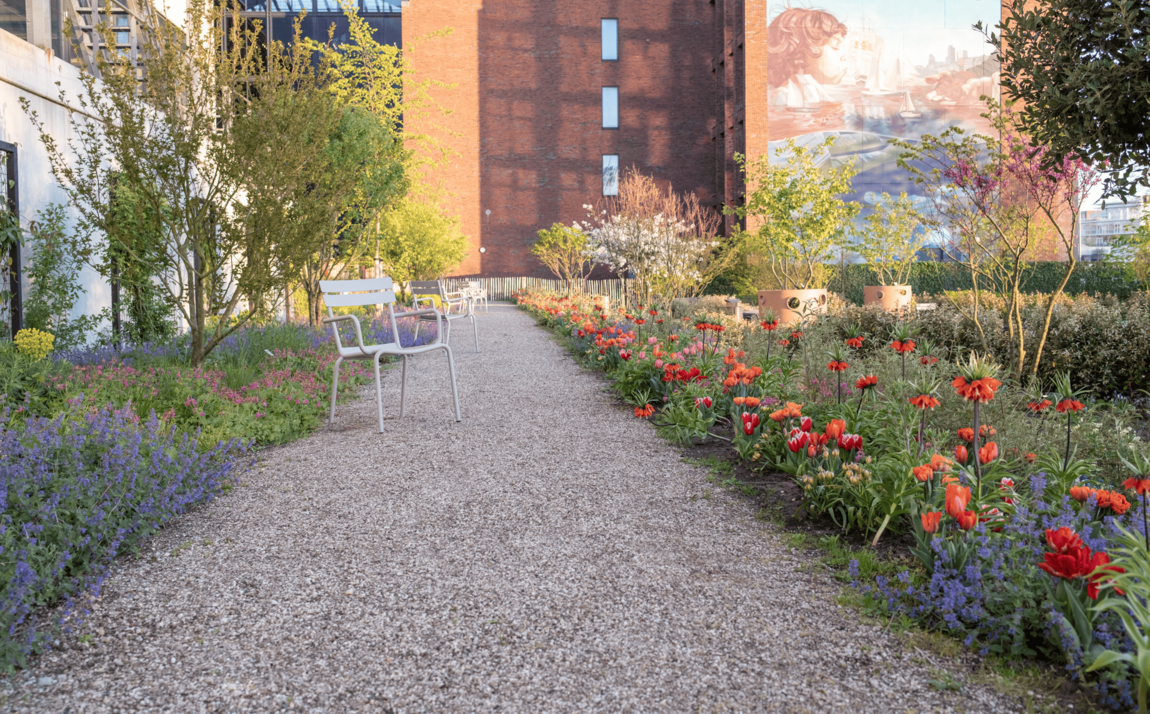
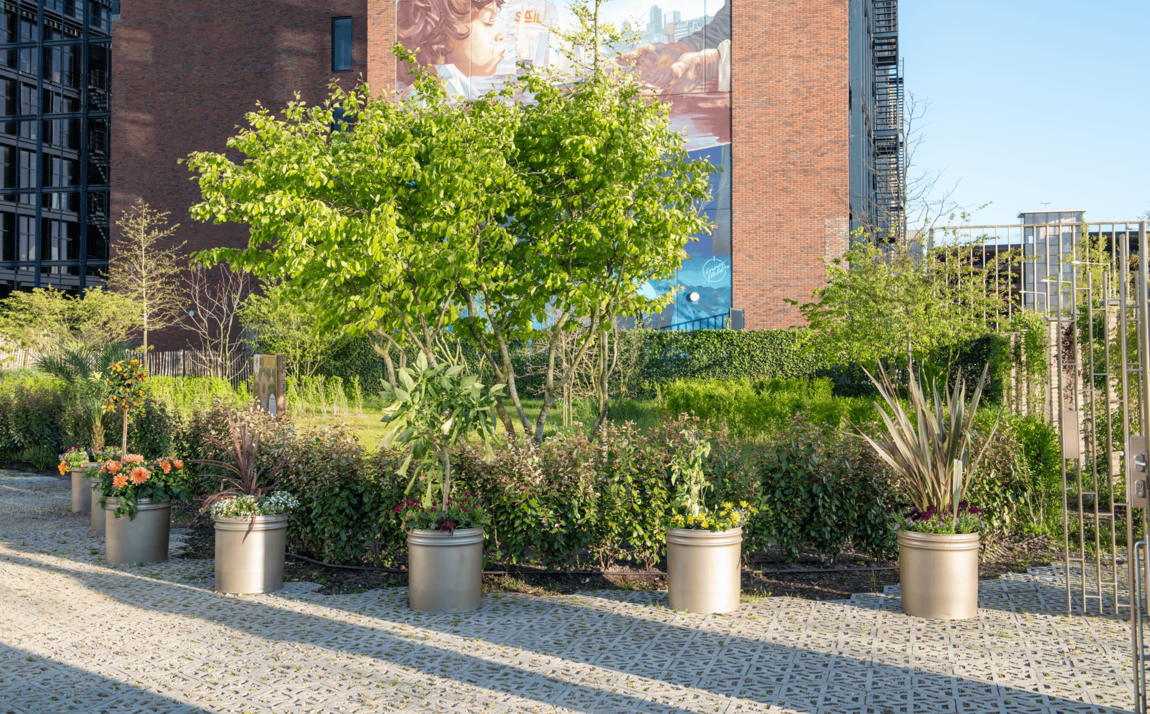
That vision is reflected throughout the design. Formal planting, gently flowing hedges and a circular plaza create a welcoming atmosphere. A large mural and a timber sculpture reinforce the park's distinctive identity. The elevated walkway, lined with trees, serves not only as a promenade but also has the potential to host fashion shows, theatre performances and neighbourhood events.
Creating the foundations for healthy growth
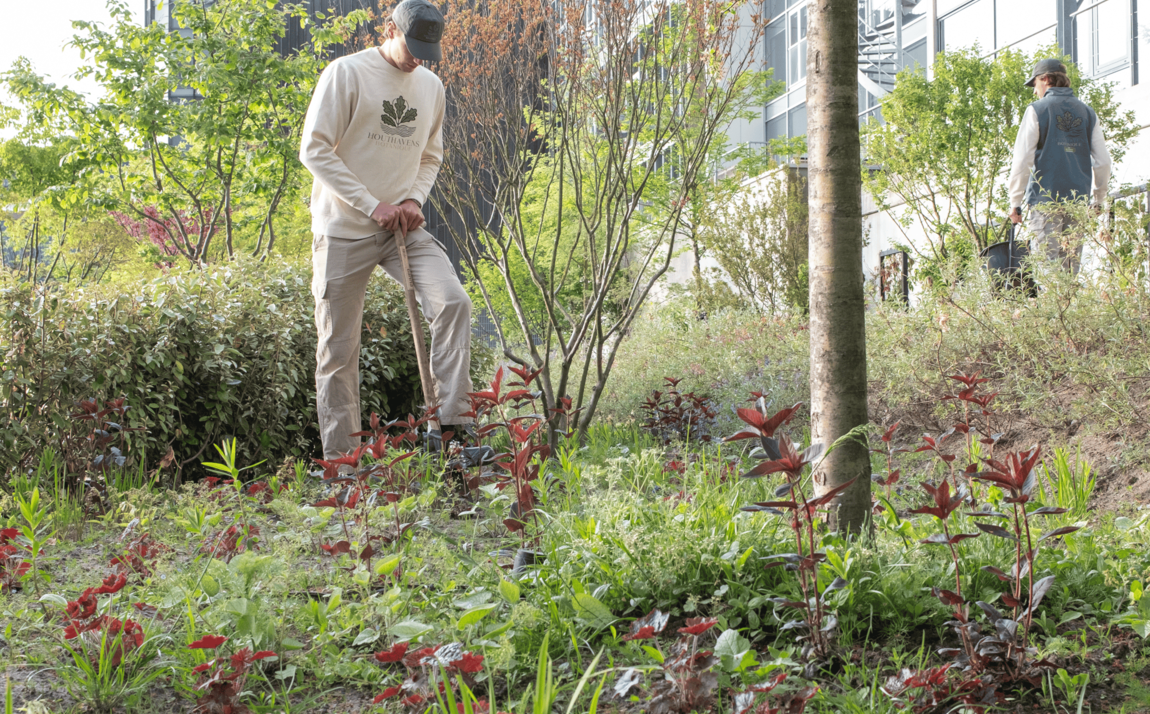
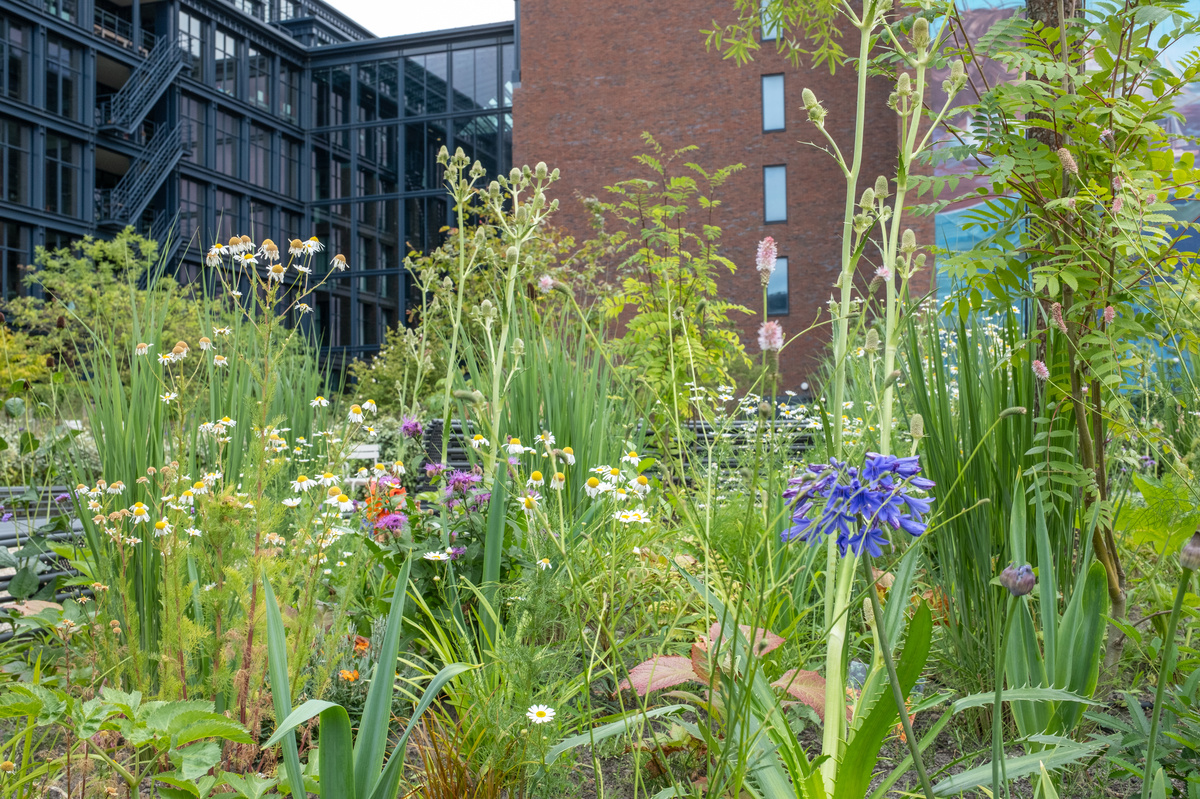
Behind the park's green appearance lies a carefully engineered growing environment. The site consisted largely of construction spoil and heavily compacted clay, making it difficult for rainwater to infiltrate during the exceptionally wet winter of 2024-2025. This challenge became the starting point for an integrated approach focused on soil restoration and future-proof water management. Part of the existing soil was excavated and replaced to create a sustainable growing environment. Soil improvement measures were implemented to restore healthy soil life, while planted swales featuring moisture-loving species, including impressive Gunnera, provide temporary water storage during periods of heavy rainfall. An underground drainage system helps remove excess water, while earthworms, expanding root systems and natural biological processes gradually improve soil structure.
The result is a self-improving system. As trees and plants establish deeper root networks, infiltration capacity continues to increase, creating a healthier long-term balance between soil and water.
A future-ready tree collection
Climate resilience was the guiding principle behind the tree selection. Every species was chosen for its ability to cope with increasingly extreme fluctuations between wet and dry conditions while also enhancing biodiversity and spatial quality.
A particularly important role is played by the willow oak (Quercus phellos), a species increasingly recognised as one of the trees of the future. Thanks to its exceptional adaptability and resilience to changing climatic conditions, it is well suited to urban environments. To mark the symbolic beginning of the park, an eight-metre specimen, together with several smaller shrubs, was planted by children from after-school childcare organisation BSO Houthaven during a National Tree Festival event. For the drier, sandier areas of Houthavens Botanique, the stone pine (Pinus pinea) was selected. With its distinctive umbrella-shaped crown, this Mediterranean species creates a striking silhouette while demonstrating how trees from warmer climate zones are becoming increasingly valuable in resilient urban landscapes.
Character and diversity through species selection
A carefully curated selection of climate-resilient tree species gives the park its distinctive character. Persian ironwood (Parrotia persica) provides spectacular autumn colour, while honey locust (Gleditsia triacanthos) contributes an open, airy canopy and offers significant ecological value with abundant nectar and pollen for pollinating insects. Japanese zelkova (Zelkova serrata) is appreciated for its elegant habit and adaptability to a wide range of growing conditions.
Evergreen structure is provided by holm oak (Quercus ilex). Its leathery, glossy dark green foliage, with a softly hairy underside, reduces moisture loss, making it exceptionally tolerant of prolonged heat and drought. Several elm cultivars were also incorporated into the design, reflecting their proven performance in challenging urban environments. Throughout the project, Erwin Stam Tuinstudio worked closely with Tree Nursery Ebben. Their long-standing partnership extends well beyond supplying trees and plants. When challenges relating to soil conditions and water management emerged, both parties collaborated closely to develop sustainable solutions for healthy long-term tree establishment.
"Ebben has been a trusted partner for many years. Especially when complex challenges arise, such as the soil conditions on this site, we work together to find the best long-term solution."
Designed planting with room for nature
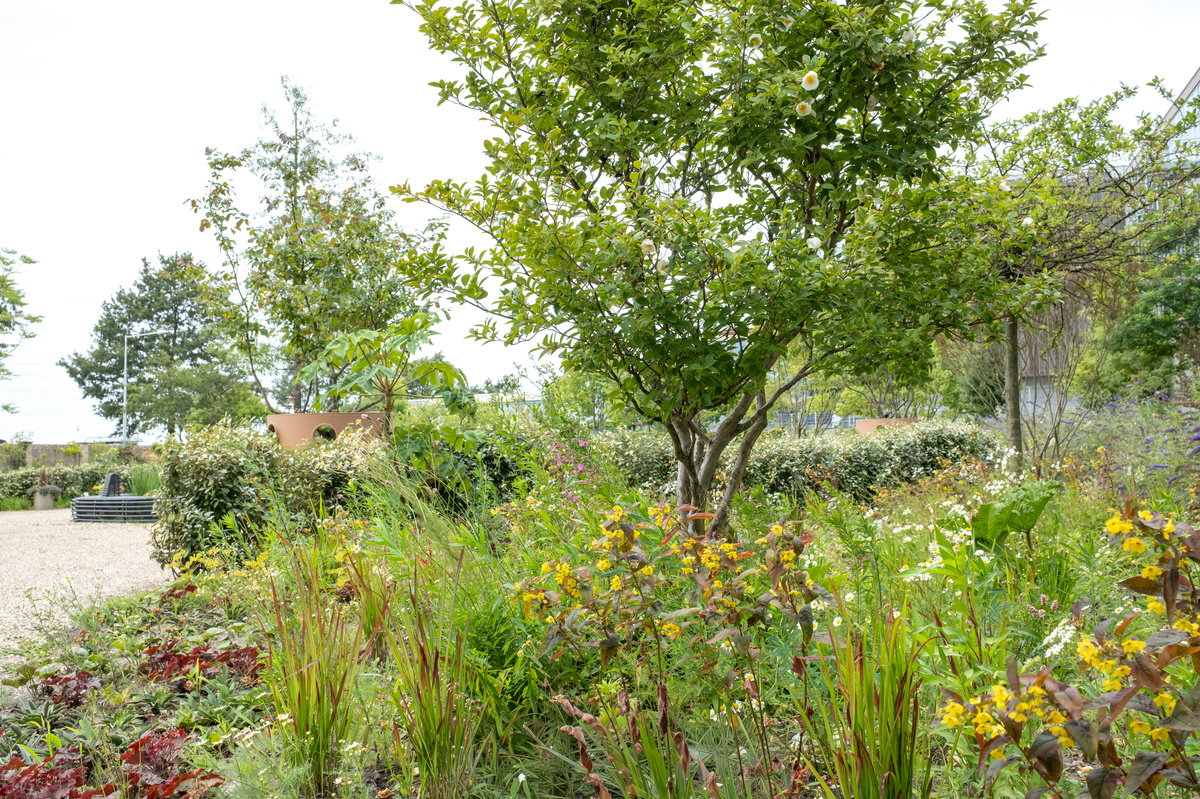
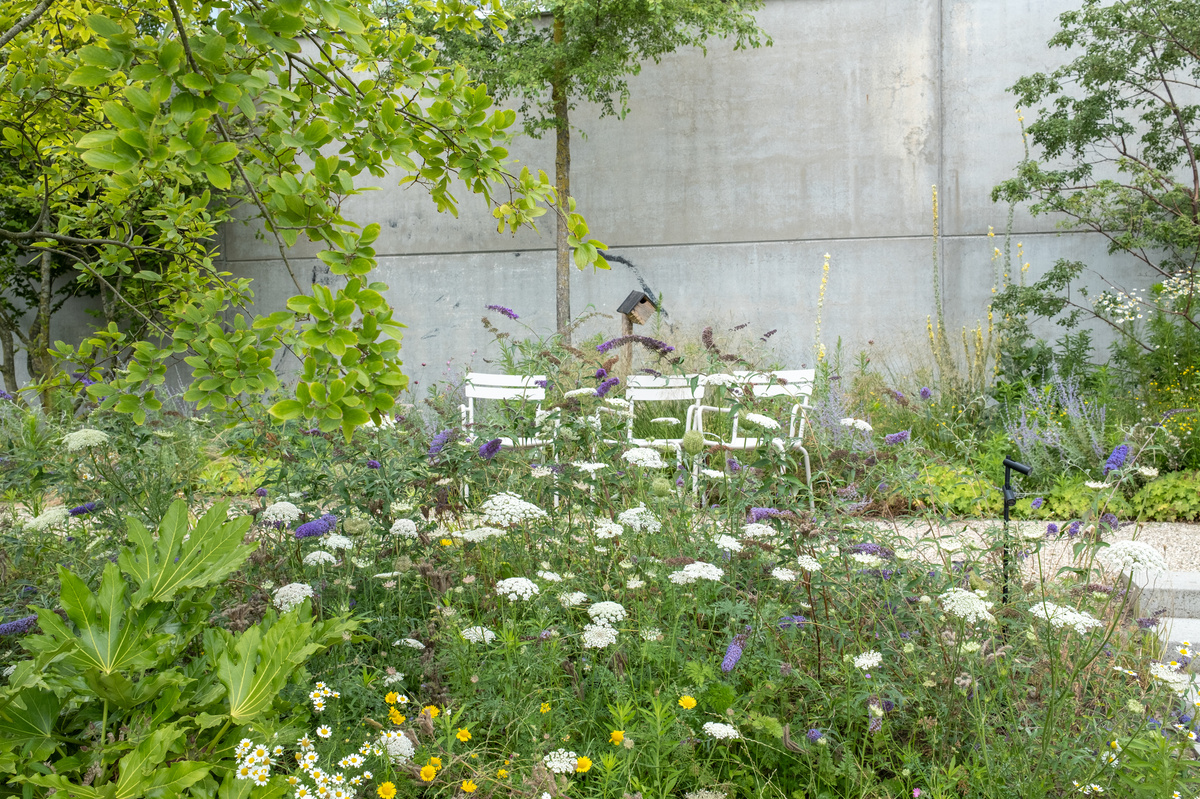
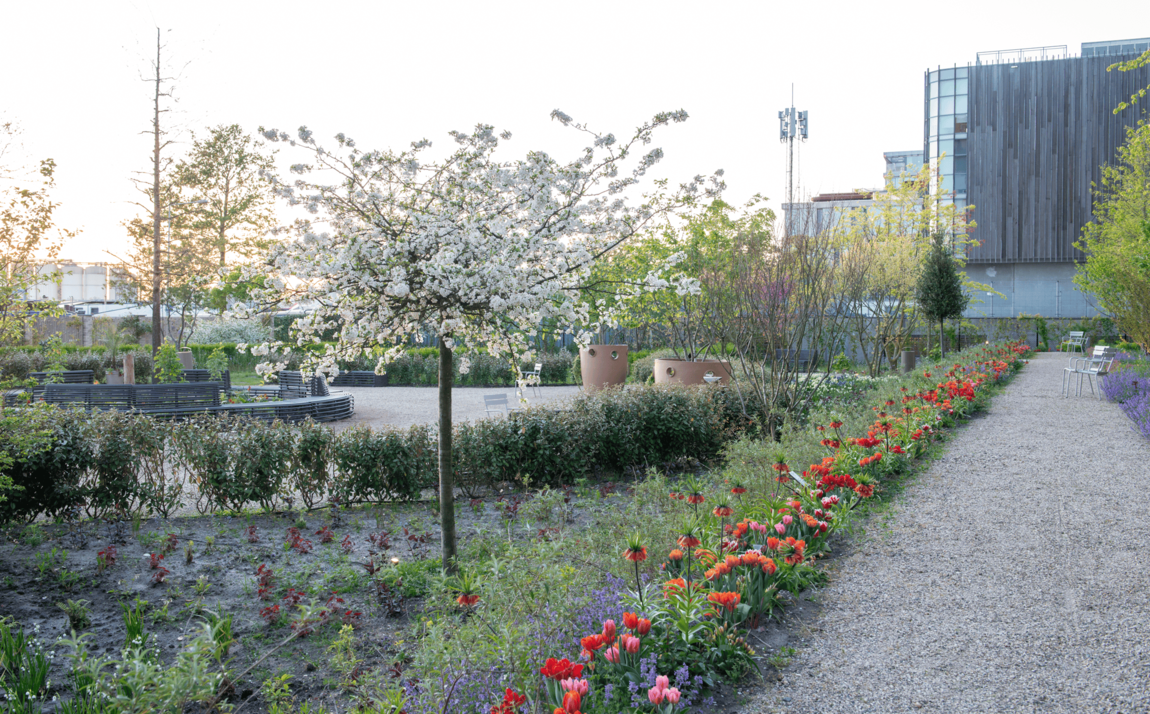
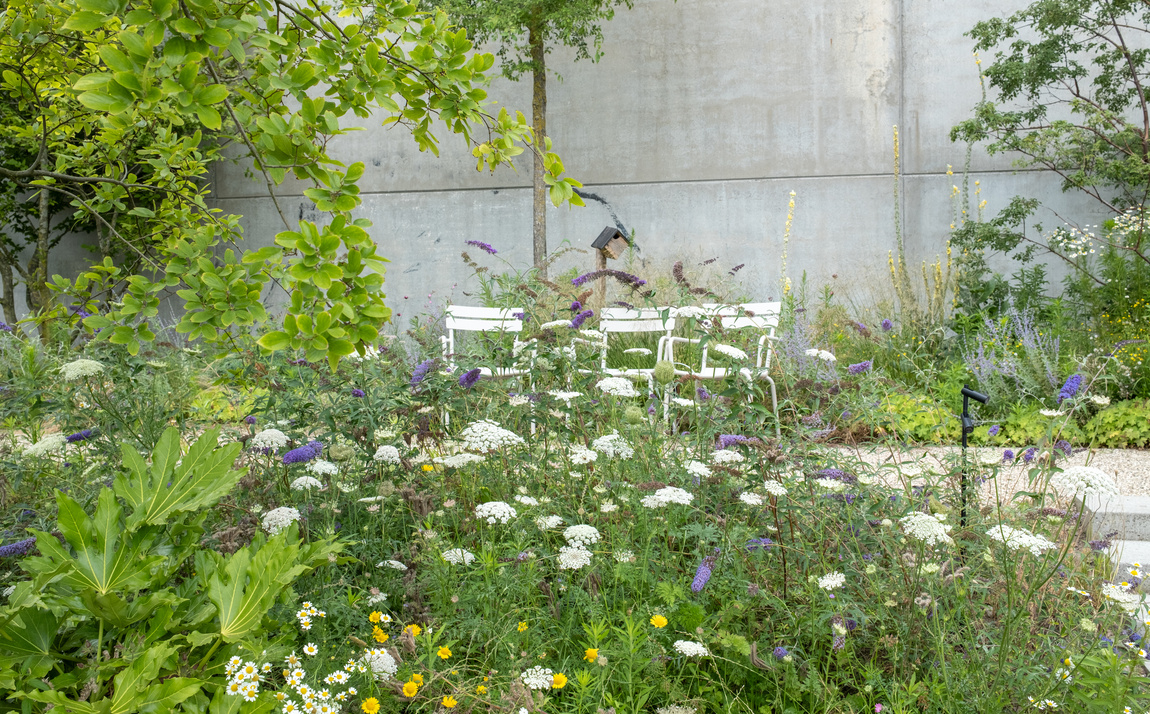
Houthavens Botanique is more than a carefully designed landscape. It also functions as a living experiment in urban ecology. While the trees provide the structural framework, they are complemented by a diverse understorey that intentionally allows space for natural processes to unfold. A carefully composed wildflower mixture provides colour and seasonal variation throughout the year while enhancing biodiversity by supplying nectar, pollen and habitat for a wide range of pollinating insects. The planting also includes distinctive roses, hydrangeas and experimental bulb and tuber species. More than 4,000 botanical tulips were introduced as early spring flowering plants. Closely related to their wild ancestors, these species are characterised by their natural appearance, compact growth and excellent naturalising ability. Unlike many modern tulips, botanical tulips persist for many years and gradually spread through the landscape.
As Stam explains: "The ambition isn't to control every detail, but to allow the park to develop partly on its own. Nature is given the freedom to find its own balance, without the space becoming overgrown."
Giving native flora a place
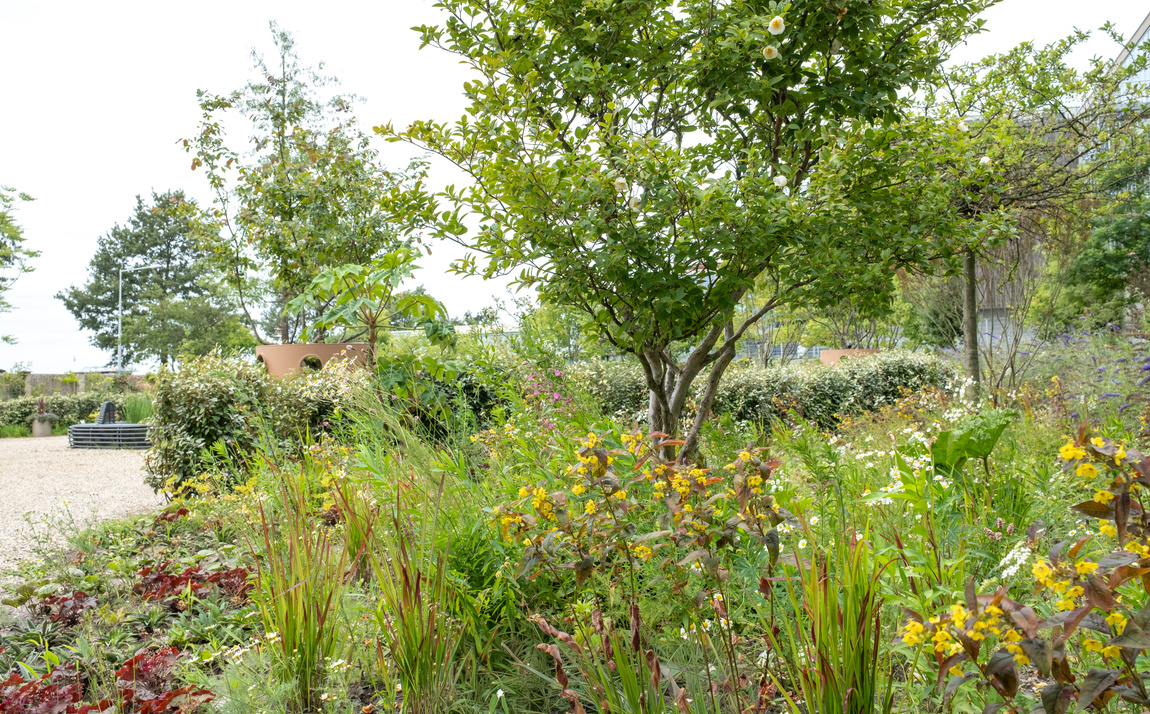
Alongside the intentionally planted perennials, native species that are often dismissed as weeds have been given the opportunity to establish naturally. This spontaneous vegetation plays an important role in the park's ecological value.
Thistles (Cirsium spp.) serve as host plants for the Painted Lady butterfly and several specialised gall-forming insects. Cleavers (Galium aparine) support species such as the bedstraw hawk-moth, whose caterpillars depend on bedstraw species. St John's wort (Hypericum perforatum) is an essential host plant for specialist insects, including the extremely rare St John's Wort moth, while great mullein (Verbascum thapsus) supports specialised leaf beetles of the Chrysolina genus. Yarrow (Achillea millefolium) attracts a remarkable diversity of hoverflies, solitary bees and parasitic wasps.
Green space as a catalyst for connection
Since its official opening by Her Royal Highness Princess Margarita de Bourbon de Parme, Houthavens Botanique has evolved into a vibrant meeting place for the local community. The park hosts neighbourhood gatherings, business lunches, musical performances and educational activities. One such initiative saw Erwin Stam leading a workshop in which children designed their own dream parks. Looking ahead, the space will remain highly adaptable, offering opportunities for fashion shows, lectures, cultural events and community initiatives. Houthavens Botanique demonstrates how even a relatively small urban park can generate significant ecological and social value. Its strength lies not in accommodating as many functions as possible, but in creating an environment where nature, people and imagination reinforce one another.